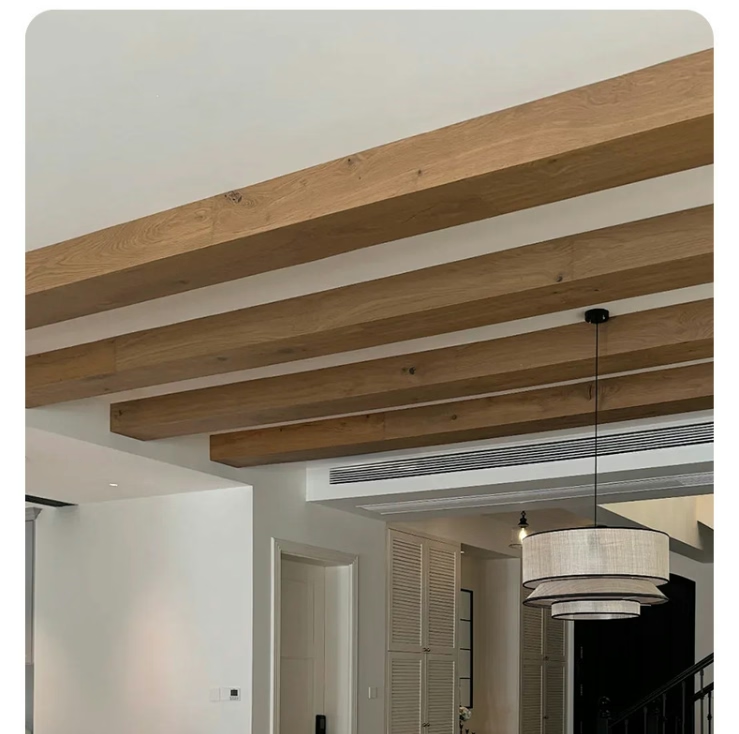
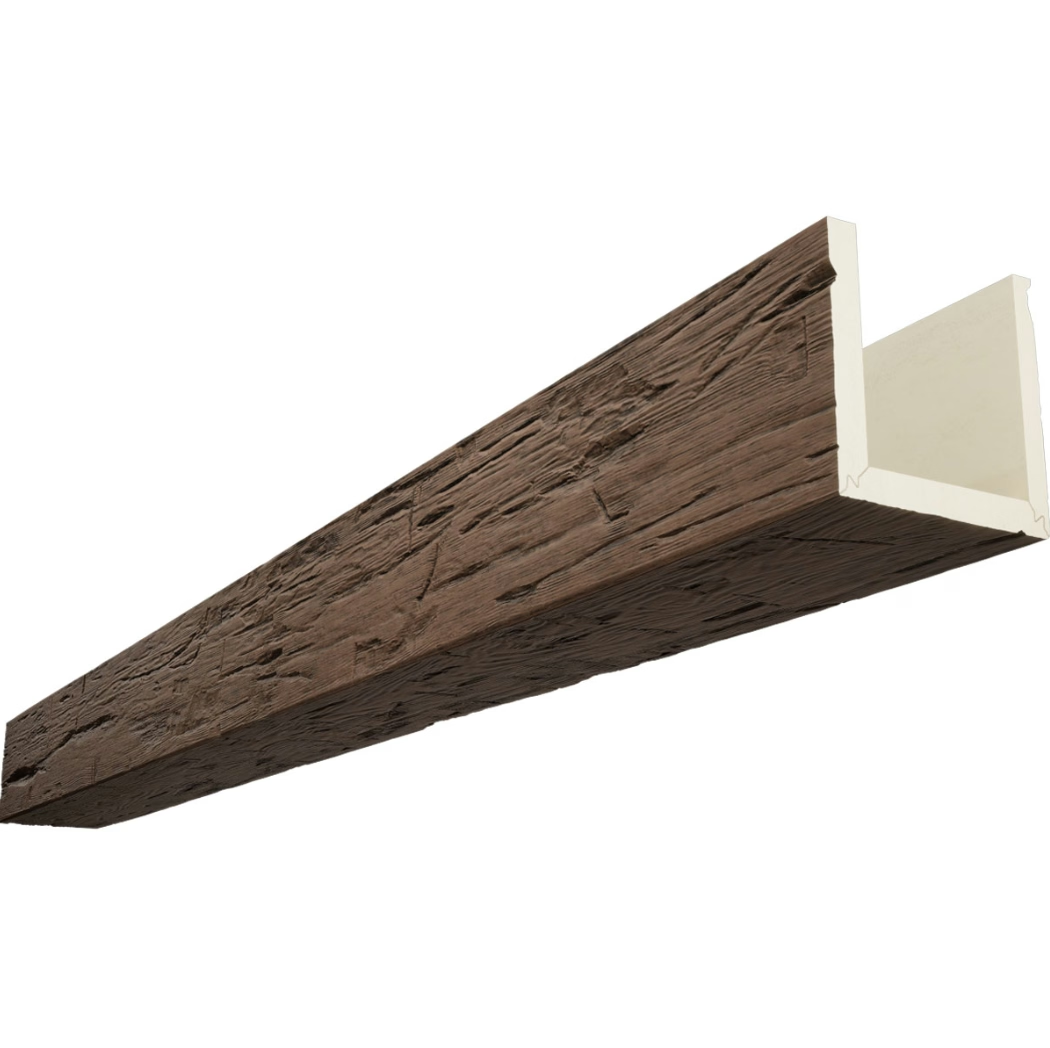
The difference between a satisfied client and a costly revision often comes down to material verification before commitment. Faux timber beams represent significant investment in both product cost and installation labor. Discovering after installation that beam colors clash with existing materials, or that textures read differently than expected, creates problems no designer wants to manage.
Professional sample programs exist precisely to prevent these scenarios. Reputable faux beam manufacturers and distributors understand that specification decisions require physical verification, not just catalog images or description reading. Understanding how to leverage these programs effectively separates professional practice from amateur guessing.
Why Physical Samples Matter More Than Digital
Online imagery and catalog descriptions provide useful starting points for beam selection, but they cannot substitute for physical material examination. Screens display colors differently based on calibration, lighting simulation, and compression artifacts. Texture appears flat in photographs when it should read as dimensional. Scale relationships between beams and their intended context become abstract rather than tangible.
Physical samples eliminate these variables. When clients touch beam surfaces, observe how light interacts with textures at different times of day, and compare samples directly against their existing materials, specification decisions gain confidence that digital tools cannot provide.
This verification process also creates shared reference points between designer and client. "Does this sample work for you?" becomes a concrete question with a concrete answer. The risk of "I thought it would look different" after installation drops dramatically when expectations were set through actual material examination.
Components of a Professional Sample Kit
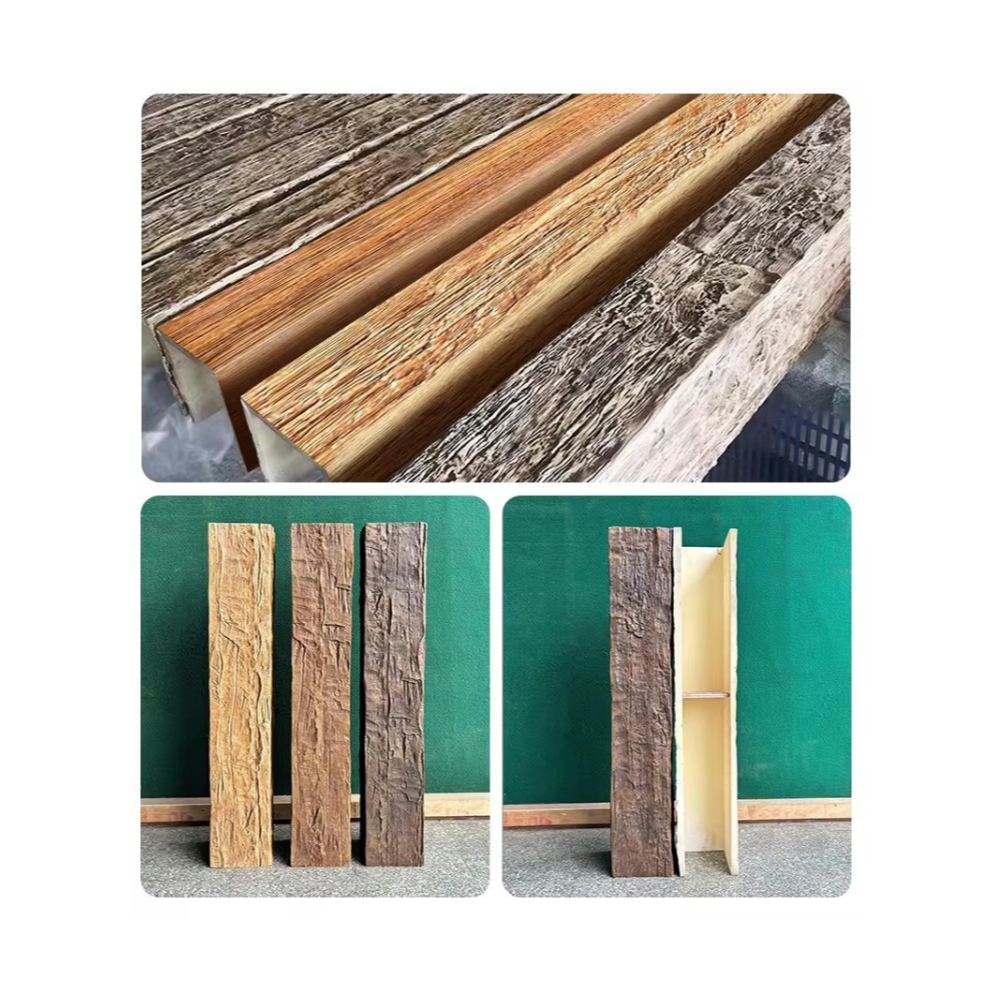
Comprehensive sample programs include more than simple beam color chips. Full kits typically provide samples of each beam profile under consideration, finish swatches showing texture and color variation, mounting hardware samples if relevant, and technical specifications sheets with dimensional information.
Profile samples demonstrate how beam shapes appear in three dimensions rather than as flat images. The relationship between face width, depth, and edge treatment becomes comprehensible only when the sample can be held, rotated, and examined from multiple angles. These samples also reveal quality details like seam placement and corner treatment that photographs cannot communicate.
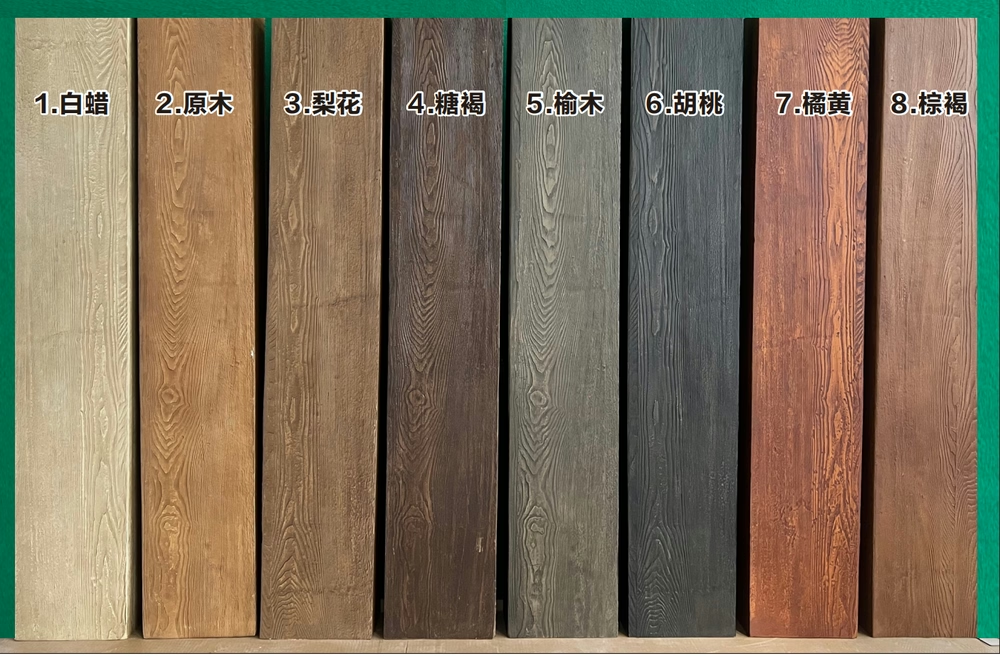
Finish samples show texture characteristics, color consistency, and how the material responds to different lighting conditions. If finishes vary within product lines—as some hand-applied stains naturally do—samples should represent this expected variation so clients understand what to anticipate in their installed beams.
Mounting hardware samples matter for commercial or architectural applications where structural engineers or building officials may require verification of attachment methods. Having actual hardware on hand simplifies these technical discussions and accelerates approval processes.
Setting Appropriate Client Expectations
Sample review sessions require facilitation to be productive. Simply laying out samples without context overwhelms clients with options and prevents focused decision-making. Effective designers preview samples before client meetings, narrow selections to two or three strongest candidates, and prepare presentation boards showing how each option relates to the overall design.
Clients should understand that sample review serves two purposes: confirming technical acceptability and establishing aesthetic preference. Technical review ensures samples meet performance requirements, coordinate with existing materials, and satisfy any specific project constraints. Aesthetic review determines which option best serves the design vision.
Discussing expected variation helps prevent post-installation surprises. Polyurethane faux beams, like most manufactured products, have tolerance ranges for color and texture. Natural wood tones especially may show subtle variation between samples and installed product. Clients who understand this variation expectation before purchase accept final results more positively than those who expected perfect uniformity.
Sample Timing in Project Workflow
Sample requests should align with project milestones to maintain schedule momentum without creating unnecessary delays. Requesting samples too early, before walls and floor materials are finalized, wastes review time on options that may become irrelevant. Requesting samples too late, after finish selections are locked, eliminates the flexibility that sample review is meant to provide.
Optimal timing typically falls after primary finish materials are selected but before final procurement decisions. If beams will coordinate with specific flooring, wall colors, or cabinetry, those selections should be confirmed before beam samples are evaluated. The beam sample becomes one element in an established palette rather than a standalone decision.
Build adequate review time into project schedules. Sample shipping takes several days, client review may require scheduling around their availability, and final decisions often need reflection time. Rushing sample review increases the risk of insufficient evaluation and potential specification errors.
Documentation and Specification Accuracy
Once samples are reviewed and decisions made, documentation ensures specification accuracy throughout procurement and installation. Photograph samples in context—against walls, near floor samples, under actual project lighting—and include these reference images in project files and specifications.
Note exact product names, finish codes, and any custom specifications discussed during sample review. Generic descriptions like "dark oak finish" create ambiguity; specific codes like "MWB-DO-6X8-VG" provide precision that prevents substitution errors. Include sample kit numbers if the program provides tracking codes that reference specific production batches.
Get client sign-off on final selections documented with sample references. This protects both designer and client if questions arise about what was originally specified versus what was installed. The documented decision creates clear reference point for evaluating completed installations.
Managing Multiple Sampling Phases
Large projects may require multiple sampling phases as design develops. An initial selection might narrow options to three candidates, with final selection deferred until adjacent materials are confirmed. This phased approach maintains flexibility while still using sample review to guide early design direction.
Phased sampling requires tracking which samples have been reviewed and which decisions remain pending. Maintaining a sample log that notes review dates, participants, and stated preferences prevents confusion about where decisions stand. This documentation also helps when consultants or contractors need clarification about beam specifications during designer absence.
Some projects benefit from temporary sample installation before final commitment. Installing sample beam sections in visible locations—perhaps in a closet or secondary area—allows extended observation under actual living conditions. This real-world verification catches issues that brief in-studio review might miss, particularly how beams age alongside adjacent materials.

Sample Program Limitations and Workarounds
Sample programs have practical limitations that affect how they should be used. Sample sizes are typically small—perhaps six-inch sections—insufficient for evaluating how large beams will read in space. Finish samples may not represent the full beam profile texture if different molds or processes create surface variations between profiles.
Virtual rendering tools supplement physical samples by showing how full-scale beams would appear in room contexts. While not substitutes for physical verification, these tools help clients understand scale relationships and overall placement before commitment. Use them as secondary tools after physical samples have confirmed basic acceptability.
Extended return or exchange policies become important when samples reveal that selected options don't work as hoped. Understanding vendor policies before specification prevents difficult situations if sample review leads to reconsidering alternatives. Policies allowing sample returns with product purchase, or crediting sample costs toward larger orders, make comprehensive evaluation more affordable.
Building Vendor Relationships for Better Service
Established relationships with sample program providers often unlock better service. Vendors familiar with your projects understand your aesthetic preferences and can proactively suggest options that match your typical requirements. They may alert you to new products before formal announcement, provide larger or more diverse samples for complex selections, and prioritize your requests during busy periods.
Communicating project context helps vendors serve you better. "We're working on a modern mountain home with stone and warm wood throughout" gives vendors information to tailor recommendations. "We need beams that can survive unconditioned attic exposure" focuses attention on performance requirements rather than purely aesthetic considerations.
For recurring client types—perhaps you specialize in vacation rental properties or restaurant installations—discussing volume programs may provide ongoing sample access or specification support. These relationships benefit both parties: you receive better service and support, while vendors gain reliable channel partners who understand their products.
Professional Standards and Client Communication
Interior design professional standards increasingly require material verification before specification, particularly for significant finish elements. Sample review programs exist to meet this professional obligation, protecting designers from specification errors while ensuring clients receive what they approved.
Communicating sample review process to clients elevates their confidence in your professionalism. "Before we finalize beam specification, I'll order samples so we can verify how they coordinate with your floor and wall colors" sounds more professional than "I'll pick some beam colors from the catalog." The explicit process signals thoroughness and client protection.
Document this communication in proposals and contracts when beam installation represents significant project scope. Reference the sample review process as part of your specification methodology, and note that final selections depend on sample verification. This documentation protects both parties and establishes clear expectations about how material decisions will proceed.
Sample programs represent essential professional infrastructure for any designer working with faux timber beams. Using them properly prevents costly errors, builds client confidence, and produces better project outcomes than specification based solely on digital imagery or catalog descriptions.
Technical References
ASTM standards cited in every specification
Test Data
Lab results from internal testing program
Updated 2026
Reviewed against current product specs