Japanese Inspired Minimalism: Clean Lines and Natural Material Reverence
Japanese-inspired interiors achieve zen simplicity through faux beams emphasizing clean lines and natural material essence. Strategic beam applications create contemplative atmospheres supporting minimalist aesthetics and Japanese design philosophy of material honesty and spatial tranquility.
Natural Wood Grain Emphasis
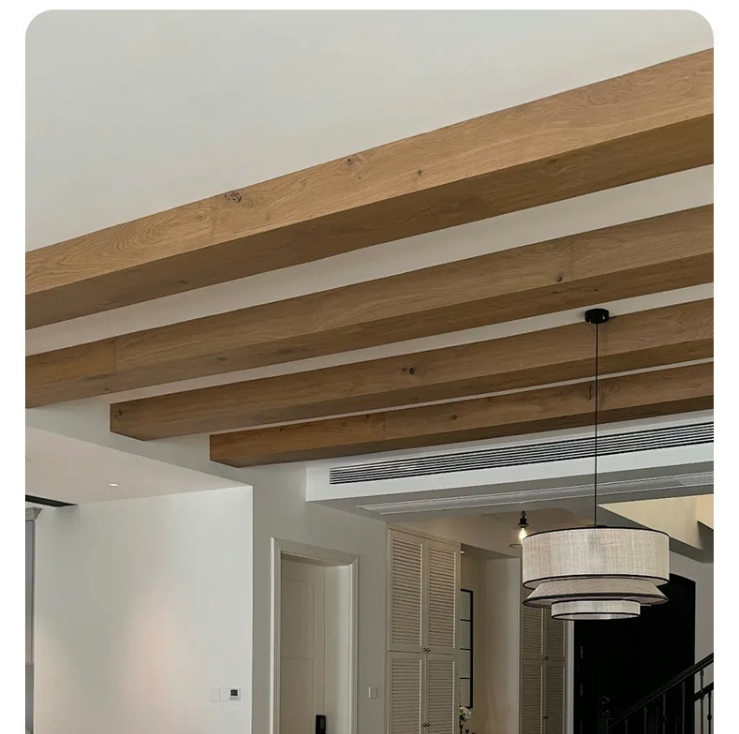
Select beams showcasing beautiful natural wood grain patterns celebrating material essence. Grain visibility honors Japanese design values of material appreciation and natural beauty reverence.
Horizontal Line Dominance
Arrange beams emphasizing horizontal lines creating calm grounded spatial character. Horizontal orientation reflects Japanese architectural traditions and contemplative atmosphere creation.

Minimal Ornamentation Philosophy
Apply beams with zero decorative embellishment allowing pure material and form appreciation. Minimalist restraint embodies Japanese aesthetic principles of simplicity and essential beauty.
Structural Honesty Expression
Position beams suggesting authentic structural function even in decorative applications. Apparent structural purpose reflects Japanese design honesty and functional integrity values.
Neutral Natural Tone Selection
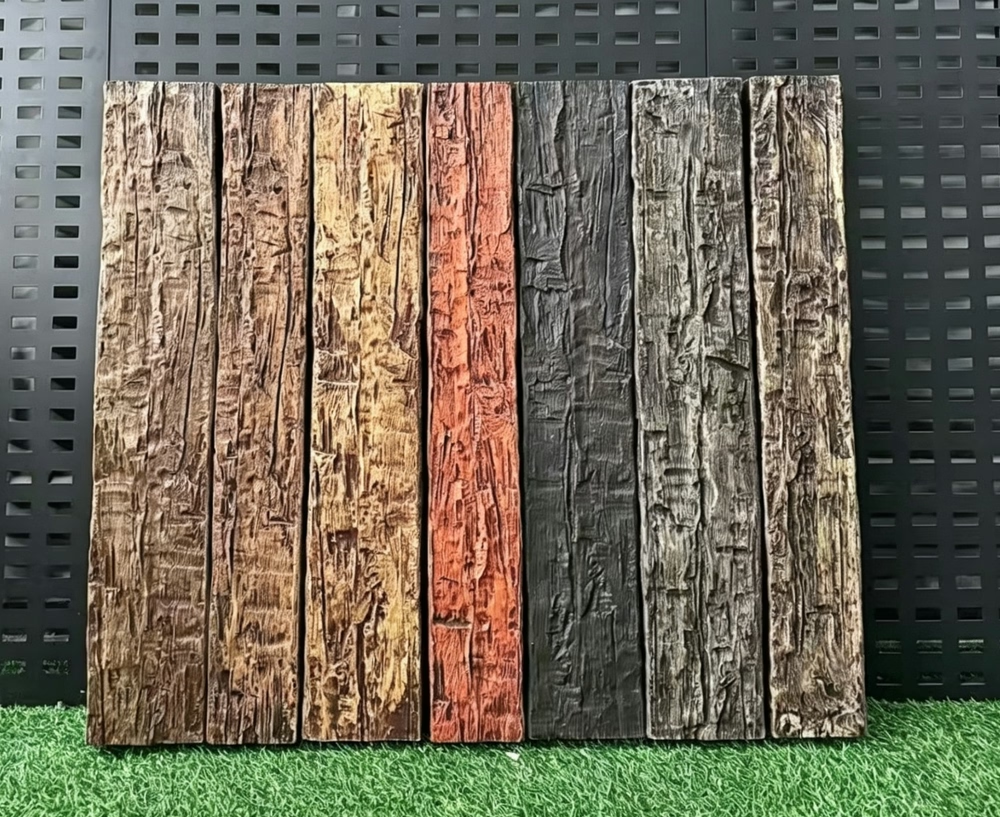
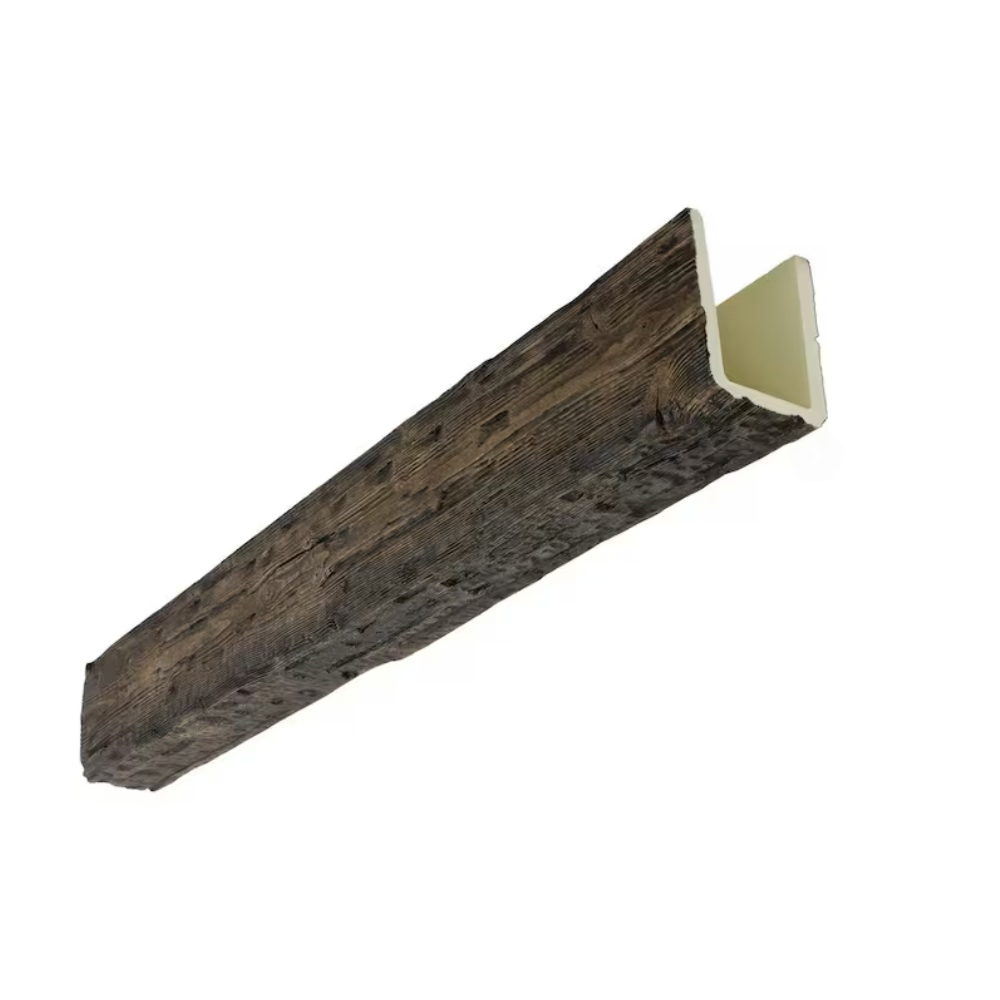
Specify natural wood tones without staining maintaining material authenticity and organic character. Unaltered natural colors support Japanese material reverence and wabi-sabi aesthetics.
Tatami Proportion Coordination
Design beam spacing and proportions coordinating with traditional tatami mat dimensional systems. Classical proportional relationships connect contemporary spaces to Japanese architectural heritage.
Shoji Screen Integration
Pair beams with shoji screens, sliding panels, and Japanese architectural elements creating cohesive cultural aesthetic. Traditional element integration strengthens authentic Japanese character.
Negative Space Appreciation
Balance beam presence with substantial negative space allowing visual breathing room and contemplation. Spatial restraint embodies Japanese ma concept of meaningful emptiness.
Conclusion
Japanese-inspired minimalist beam applications require natural grain emphasis, horizontal line dominance, minimal ornamentation, and structural honesty. Strategic contemplative installations create zen simplicity supporting Japanese design philosophy with material reverence, spatial tranquility, and wabi-sabi aesthetics in contemporary minimalist interiors.
Technical References
ASTM standards cited in every specification
Test Data
Lab results from internal testing program
Updated 2026
Reviewed against current product specs