
The ancient Japanese technique of charring wood to preserve and beautify it has found new expression in contemporary interior design. Known as Shou Sugi Ban or Yakisugi, this method of burning wooden surfaces creates distinctive blackened textures that range from subtle silver-gray tones to deep charcoal blacks with dramatic grain emphasis. PU faux wood beams now capture this distinctive aesthetic, offering designers and homeowners access to the striking beauty of charred wood without the practical concerns associated with genuine burnt timber.
The growing popularity of Japanese-inspired design in Western interiors has accelerated interest in Shou Sugi Ban applications. From minimalist urban apartments to rustic mountain retreats, charred wood finishes bring a dramatic visual presence that commands attention without overwhelming surrounding elements. Understanding the traditions behind this technique, the qualities that distinguish authentic charred wood aesthetics, and the advantages of PU alternatives helps explain why this centuries-old Japanese craft has found such enthusiastic reception in modern design.
The Tradition of Shou Sugi Ban
Yakisugi, literally translating to "burnt cedar," originated in eighteenth-century Japan as a practical method for preserving timber against weather, insects, and fire. The controlled burning process caramelizes the wood surface, creating a layer of carbonized material that resists moisture penetration and deters wood-boring insects. Remarkably, this treatment also reduced flammability by charring away the oils that feed combustion.
The traditional process involves charring the surface of cedar or cypress boards using torches, controlled bonfires, or specialized burning equipment. Workers carefully monitor the burn, applying flame to the wood surface until it reaches the desired char level—typically described as light, medium, or heavy burning depending on how deeply the wood is carbonized. After burning, the surface is typically brushed to remove loose carbon and reveal the underlying grain pattern, then sealed with natural oils to protect the charred layer.
Different levels of burning produce distinctly different aesthetic results. Light burning creates subtle texturing with warm brown and gray tones. Medium burning achieves the characteristic blackened appearance with good grain definition. Heavy burning produces deeply carbonized surfaces with dramatic contrast and pronounced texture. Each approach has its advocates, and the choice often depends on both practical considerations and aesthetic preferences.
The international design community discovered Shou Sugi Ban through Japanese architecture publications and exhibition projects that showcased its dramatic aesthetic possibilities. Western designers were drawn to the technique's combination of ancient craft tradition and contemporary visual impact. The stark contrast between charred surfaces and light-colored interiors created spaces of striking beauty that resonated with minimalist and Japandi design movements.

Achieving Authentic Charred Wood Appearance in PU
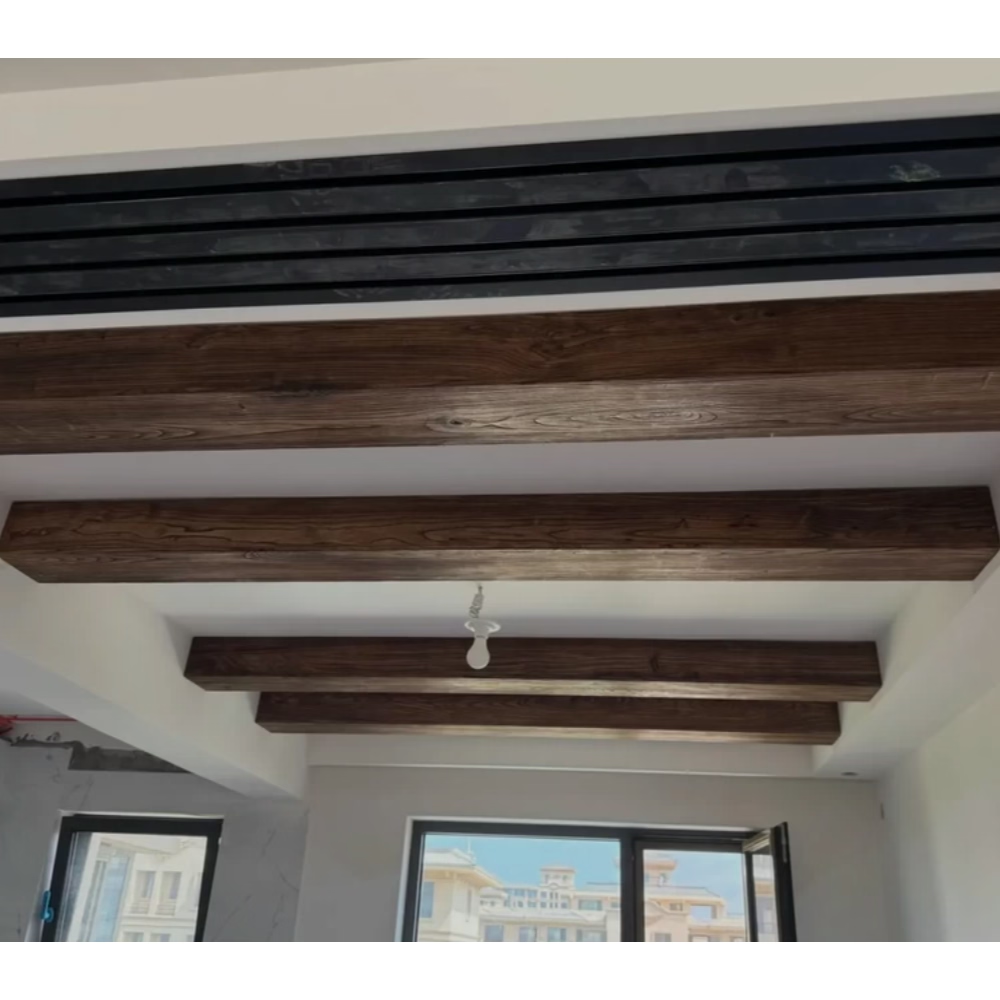
Premium PU faux wood beams capture the distinctive characteristics of Shou Sugi Ban through sophisticated manufacturing techniques that reproduce both the color and texture of charred wood surfaces. The process begins with carefully designed molds that capture the specific surface characteristics of burnt timber, then proceeds through multi-stage finishing processes that build up layers of color and texture.
The visual signature of authentic charred wood involves more than simple black coloration. Genuine burning creates gradients from deep black in recessed areas to lighter tones on raised grain surfaces. The carbon layer reveals and emphasizes the natural wood grain, creating a three-dimensional quality that flat black paint cannot achieve. PU beam manufacturers replicate this effect through careful color application techniques that build up translucent layers, simulating how actual burning affects different wood densities.
Surface texture presents another important dimension of authenticity. The grain of burned wood feels different to the touch—subtly rougher in some areas, glassy smooth where the burning reached higher temperatures. Premium PU beams incorporate these textural variations into their surface relief, creating tactile authenticity that reinforces the visual impression. This attention to texture distinguishes high-quality products from less sophisticated alternatives that rely primarily on color matching without corresponding textural accuracy.
Grain pattern variation affects the overall character of charred wood beams. Some wood species display prominent grain with deep furrows between annual growth rings, while others show more subtle patterns. The burning process intensifies these natural characteristics, making grain pattern selection an important consideration for achieving desired aesthetics. PU beam manufacturers offer various grain patterns across their Shou Sugi Ban offerings, allowing selection that matches specific design visions.
Design Applications and Color Coordination
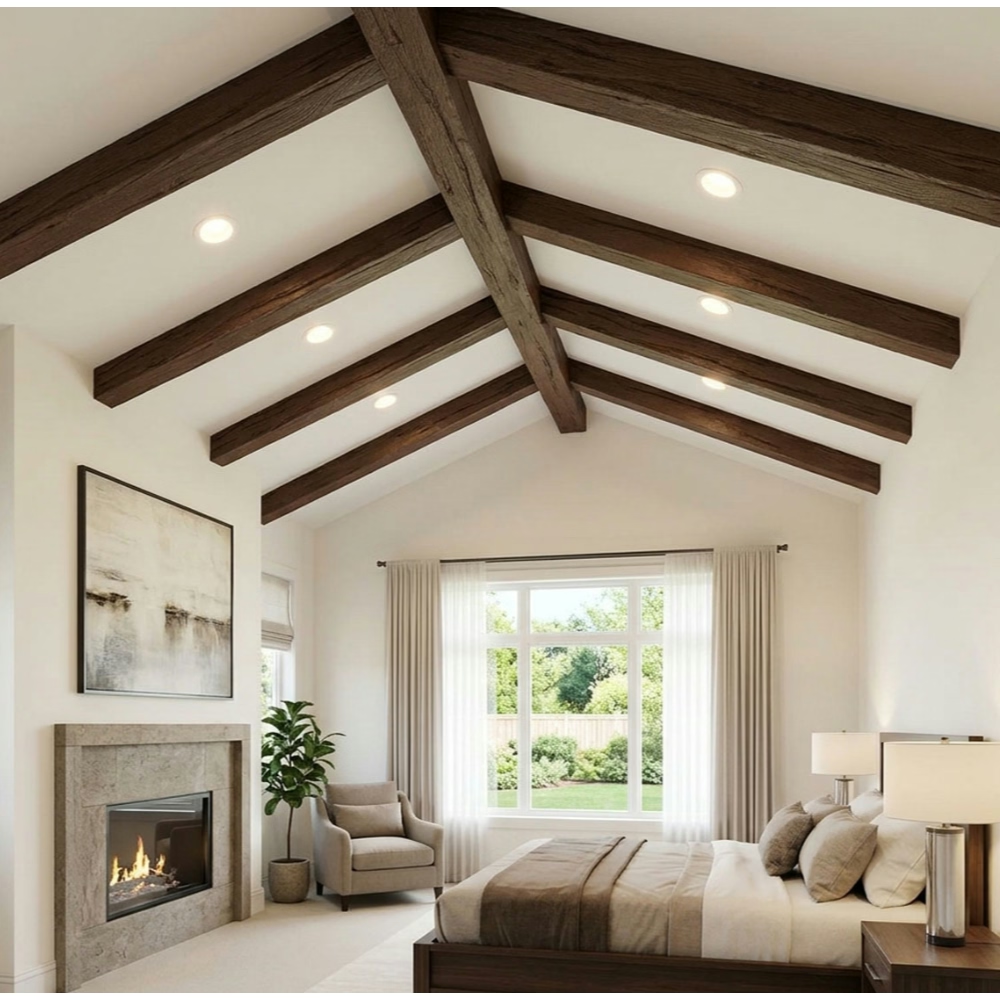
Shou Sugi Ban style beams function as statement elements in interior design, drawing the eye and establishing the visual tone for entire spaces. Thoughtful integration with other design elements ensures that charred wood beams enhance rather than overwhelm their surroundings.
Light-colored walls and floors provide the most dramatic contrast with blackened beams. White walls, particularly in matte or eggshell finishes, create clean backdrops that make beam textures and color variations clearly visible. Light oak, maple, or birch flooring complements charred beams without competing for visual attention. This combination has become something of a signature look for contemporary spaces embracing Japanese-inspired aesthetics.
For those seeking a more integrated approach, warmer palettes also work effectively with Shou Sugi Ban beams. Greige wall colors—blends of gray and beige—provide subtle warmth that softens the stark contrast of pure white while maintaining visual separation from blackened beams. Natural stone surfaces, whether flooring or accent walls, echo the elemental quality of charred wood and create cohesive design narratives.
Furniture and textile selection should balance the visual weight of charred beams. Lighter woods like ash and oak make natural companions, their pale tones creating continuity with surrounding surfaces while contrasting with beam darkness. White upholstery and bedding in bedrooms with charred beams create restful environments despite the dramatic overhead presence. Metal accents in brass, copper, or matte black can echo the beam color while adding visual interest through material contrast.
Practical Advantages of PU Alternative
While authentic Shou Sugi Ban timber offers genuine character rooted in actual burning processes, PU faux beams provide practical advantages that make them attractive alternatives for many applications. Understanding these advantages helps designers and homeowners make informed decisions between options.
Installation weight represents the most significant practical difference. Genuine charred timber beams, particularly those made from dense species like cedar, can weigh several pounds per linear foot. Supporting these beams requires substantial structural consideration and often professional engineering input. PU faux beams weigh a fraction of comparable timber, typically one to two pounds per linear foot, making standard ceiling construction adequate for most installations. This weight reduction simplifies installation and expands the range of applications where beams might be used.
Moisture resistance provides another meaningful advantage. Authentic charred wood, despite its improved weather resistance compared to untreated timber, remains subject to moisture absorption and associated problems in humid environments. PU material does not absorb moisture, preventing the swelling, warping, and potential mold growth that can affect timber in damp conditions. This makes PU beams particularly suitable for bathrooms, kitchens, and other areas with elevated humidity levels.
Maintenance requirements differ substantially between authentic and faux charred wood. Timber beams, even when charred, benefit from periodic inspection and re-oiling to maintain their appearance and protection. PU beams require no such attention, maintaining their appearance indefinitely with simple dusting and occasional cleaning. For commercial applications where maintenance access might be difficult or expensive, this difference has substantial practical implications.
Fire resistance presents an interesting consideration. Conventional understanding might assume that charred wood poses fire risks, but the carbonized surface layer actually has relatively low flammability. PU faux beams can be manufactured with fire-retardant additives that meet commercial building code requirements, potentially offering better performance in this regard than untreated timber alternatives.
Caring for Charred Wood Beam Finishes
Whether choosing authentic timber or PU alternatives, understanding appropriate care techniques helps maintain the distinctive appearance of Shou Sugi Ban installations over time. Different materials require somewhat different approaches, but the underlying principles share common elements.
Dust and debris accumulation dulls the surface appearance of any beam finish. Regular dusting with a soft cloth or microfiber duster prevents buildup that would require more intensive cleaning. For PU beams, occasional wiping with a damp cloth removes accumulated grime without damaging the finish. Avoid abrasive cleaners or scrubbing that might scratch the surface.
Genuine charred timber may benefit from periodic oil application to maintain moisture resistance and visual depth. Specialized tung oil or Danish oil products designed for charred wood applications can be applied according to manufacturer recommendations. Test any treatment on an inconspicuous area first to verify appearance compatibility. PU beams do not require oiling and may be damaged by oil-based treatments.
Scratch and damage repair differs significantly between materials. Minor scratches in PU beam finishes might be addressed through careful application of matching finish materials, though deep damage may require replacement of affected sections. Authentic timber can sometimes be touched up by re-burning small damaged areas, though this requires skill and may produce color variations. Having spare beam sections available for either material type enables efficient repairs if needed.
The dramatic beauty of Shou Sugi Ban style has made it a sought-after aesthetic for interior designers and homeowners seeking distinctive architectural character. Whether achieved through authentic charred timber or modern PU technology, the deep black surfaces and pronounced grain patterns create spaces with unmistakable visual presence. This convergence of ancient Japanese craft tradition and contemporary manufacturing capability exemplifies how historical techniques can find new expression through modern materials.
Technical References
ASTM standards cited in every specification
Test Data
Lab results from internal testing program
Updated 2026
Reviewed against current product specs


