Kitchens have evolved far beyond purely functional workspaces into gathering places where families congregate, entertain, and create lasting memories. This transformation places new emphasis on kitchen aesthetics—the visual qualities that make these spaces inviting rather than merely efficient. Vaulted ceilings in particular offer dramatic canvas for design enhancement, but the areas around kitchen islands and breakfast nooks often feel underdeveloped despite their prominence.
The challenge with vaulted kitchen ceilings lies in bridging the visual gap between the flat plane of island countertops and the soaring space above. Without deliberate architectural treatment, these transitions can feel awkward or incomplete. PU faux beams provide the perfect solution, adding warmth and character that ties ceiling architecture to the activities below.
Understanding Kitchen Ceiling Challenges
Kitchen islands and breakfast nooks occupy specific zones within open floor plans—spaces that must connect visually to surrounding areas while maintaining their own identity. The ceiling space above these zones often rises dramatically in vaulted designs, creating volumes that feel cavernous without careful treatment. Standard flat ceilings can accommodate recessed lighting and minimal trim, but vaulted ceilings demand more substantial architectural elements.
Natural wood beams would seem like an obvious solution, but practical concerns quickly arise. Kitchen environments experience significant humidity variations from cooking steam, dishwasher heat, and variable ventilation. Wood exposed to these conditions requires careful sealing and ongoing maintenance. The weight of timber beams in vaulted installations creates structural concerns that may require expensive reinforcement.
PU faux beams sidestep these challenges entirely. Their moisture resistance handles kitchen humidity without concern. Their lightweight construction eliminates structural requirements. Their authentic appearance provides all the visual benefits of timber without any practical drawbacks. The result is a design solution perfectly suited to the specific demands of kitchen environments.
Designing With Beams Above Kitchen Islands
The kitchen island commands attention as the focal point of contemporary kitchen design. Families gather here for quick meals, homework sessions, and casual conversations. The space above the island receives significant visual focus, making it an ideal location for architectural enhancement.
Beam configurations above islands typically follow either structural logic or purely decorative intent. Beams that appear to support the vaulted ceiling create an authentic architectural statement, suggesting that the vault was designed around genuine structural requirements. This approach works especially well in farmhouse, craftsman, and rustic modern styles where exposed structural elements feel appropriate.
Decorative beam installations take a different approach, using beams primarily for visual interest rather than suggesting structural function. Single beams spanning the island's length, perpendicular crosses creating grid patterns, or symmetrical groupings that frame the space below—all achieve visual impact through composition rather than imitation of structural elements. Modern and contemporary kitchens often favor this approach, where beams add warmth without appearing authentically structural.

Creating Intimate Zones in Breakfast Nooks
Breakfast nooks occupy a special position within kitchen design—they're spaces designated for more leisurely meals and conversation, a step removed from the efficiency of main cooking areas. The ceiling treatment above these zones should reinforce this distinction, creating a sense of enclosure and intimacy within the larger kitchen volume.
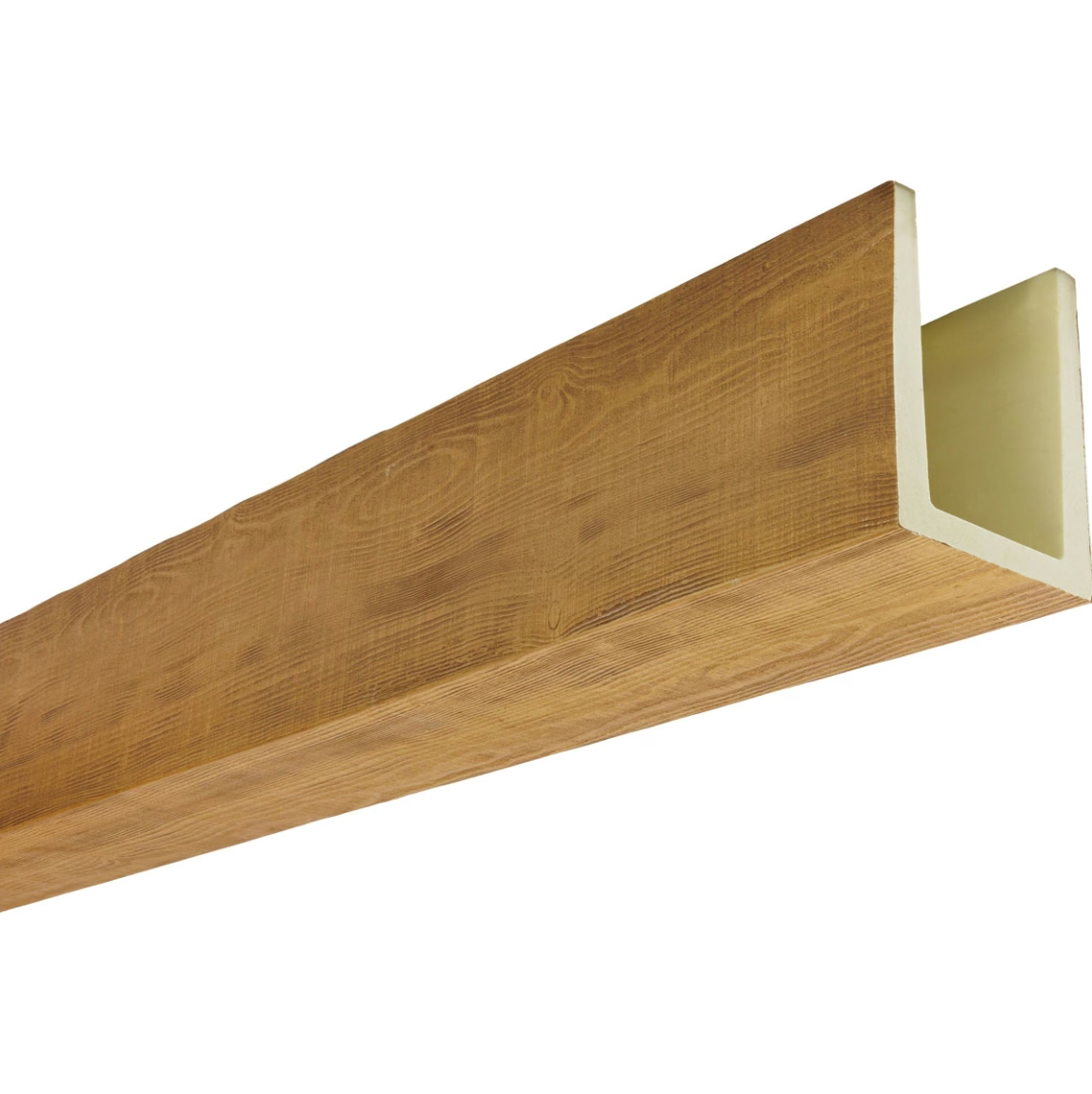
Beams work exceptionally well for this purpose. A pair of parallel beams spanning a breakfast nook's width creates an overhead framework that visually defines the space without enclosing it entirely. The beams draw the eye upward while simultaneously suggesting a boundary, creating the psychological comfort of contained space within an open plan.
Color and texture choices influence how beams interact with their surroundings. Darker beams recede visually, suggesting greater height and maintaining visual lightness. Lighter beams feel more present, adding warmth and coziness to the space below. The wood tones typically chosen for breakfast nook beams complement the eating occasions that happen there—warmth and welcome rather than dramatic statement.
Integrating Beams With Kitchen Lighting
Modern kitchens rely heavily on artificial lighting, and vaulted ceilings present particular challenges. Shadows can accumulate in corners and valleys, making spaces feel dim despite adequate overall illumination. Strategic beam placement can help manage these lighting challenges while creating opportunities for visual interest.
Beams provide natural mounting points for pendant fixtures above islands and breakfast tables. The beam itself becomes part of the lighting composition, grounding pendants visually and providing necessary support. Multiple pendants hung from a single beam create focused task lighting while adding decorative interest to the ceiling plane.
Recessed lighting placement interacts with beams as well. Beams can conceal the positioning of recessed fixtures, hiding the fixtures while allowing light to wash down from the ceiling plane. This approach maintains clean ceiling appearance while providing ambient illumination throughout the kitchen space. The interplay of beam shadows and lighting creates visual depth that flat ceilings simply cannot achieve.
Style Coordination With Kitchen Design
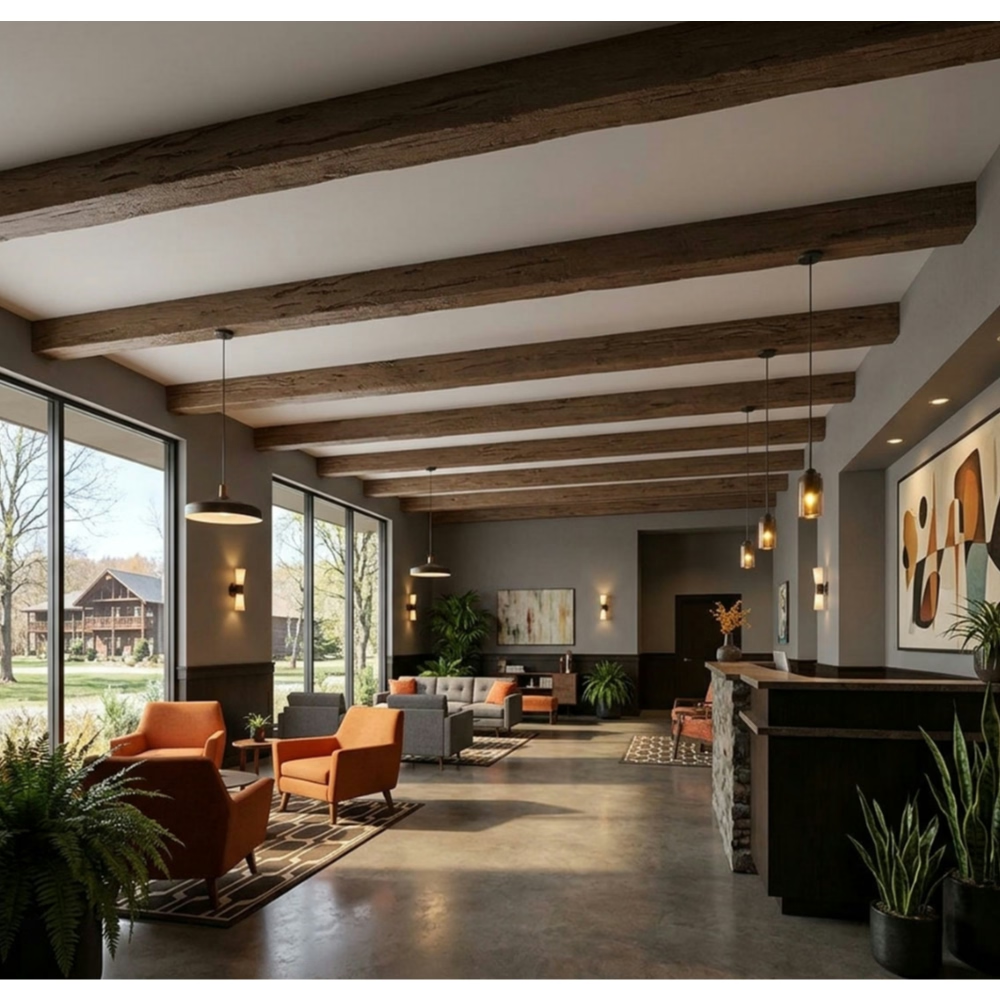
PU faux beams accommodate virtually any kitchen aesthetic through careful selection of profiles, colors, and textures. The manufacturing process enables precise matching to existing design elements, ensuring cohesive appearance throughout the space. Whatever the kitchen's style vocabulary, beams can be selected or specified to reinforce rather than clash with it.
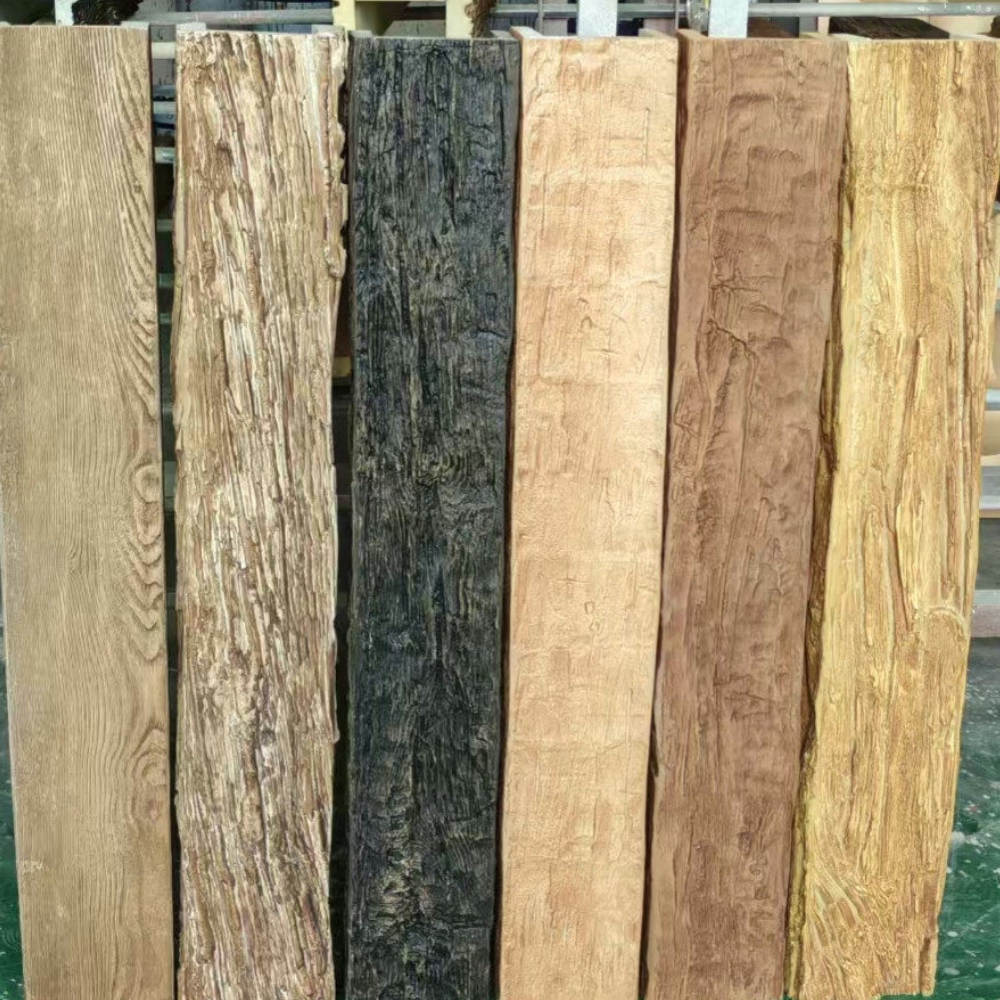
Rustic and farmhouse kitchens pair naturally with reclaimed wood textures and natural finish tones. The beams suggest salvaged timber without the complications of sourcing genuine reclaimed materials. Knots, grain patterns, and weathering effects can be specified precisely, achieving authentic rustic character that complements farmhouse appliances, apron-front sinks, and open shelving.
Contemporary and modern kitchens benefit from cleaner beam profiles and more refined finishes. Minimalist beam designs with crisp edges and uniform surfaces add warmth without compromising contemporary aesthetic principles. Lighter finishes or even painted beams work well in these contexts, providing subtle texture rather than dominant visual presence.
Transitional kitchens—designs that blend traditional and contemporary elements—can use beams as bridging elements. A beam profile that echoes traditional styling while maintaining clean lines serves both aesthetic directions simultaneously. Neutral finish tones that work with various color schemes provide flexibility for evolving kitchen designs.
Installation Considerations for Kitchen Vaulted Ceilings
Vaulted ceiling installations present unique challenges that affect beam placement and mounting. The angle of ceiling planes influences how beams should be oriented and positioned. Sloped surfaces may require custom mounting approaches that differ from standard flat ceiling installations.
The height of vaulted ceilings also affects installation planning. Standard ladders may not reach safely to working positions; scaffolding or lifts may be necessary for very high ceilings. Lightweight PU beams reduce these equipment requirements compared to timber, but planning for safe access remains essential.
Coordinate beam installation with other ceiling work—lighting, wiring, HVAC—that typically runs through vaulted spaces. Beams may need to accommodate junction boxes, can lights, or vent registers. Careful planning ensures beams enhance rather than complicate these necessary ceiling elements.
Maintaining Beauty in Kitchen Environments
Kitchen ceiling beams face unique environmental challenges that affect material selection. Cooking generates grease vapor that settles on surfaces. Steam creates humidity fluctuations. Cleaning products may contact beam surfaces during ceiling cleaning. Materials that tolerate these conditions without damage serve homeowners better than those requiring careful protection.
PU faux beams handle kitchen environments gracefully. Grease and cooking residue wipe clean from the smooth surface without requiring harsh chemicals or abrasive scrubbing. Humidity variations cause no swelling, warping, or surface degradation. Regular cleaning maintains appearance without special treatments or periodic refinishing.
The practical benefits translate to real-world convenience. Kitchen surfaces accumulate grease over time; beams that clean easily maintain their appearance indefinitely. Spaces that require frequent cleaning benefit from materials designed to tolerate it. The low-maintenance nature of PU beams proves especially valuable in the demanding kitchen environment.
Kitchen vaulted ceilings around islands and breakfast nooks represent opportunities for architectural enhancement that too often go unrealized. The space above these important zones calls for treatment that adds warmth, defines the area, and creates visual interest. PU faux beams fulfill these requirements while tolerating kitchen conditions that would challenge natural materials.
Whether renovating an existing kitchen or designing a new one, consider how beam installations might transform vaulted ceiling spaces from missed opportunities into signature design elements. The investment in quality beams pays dividends in daily enjoyment of spaces that feel complete, intentional, and welcoming.
Technical References
ASTM standards cited in every specification
Test Data
Lab results from internal testing program
Updated 2026
Reviewed against current product specs