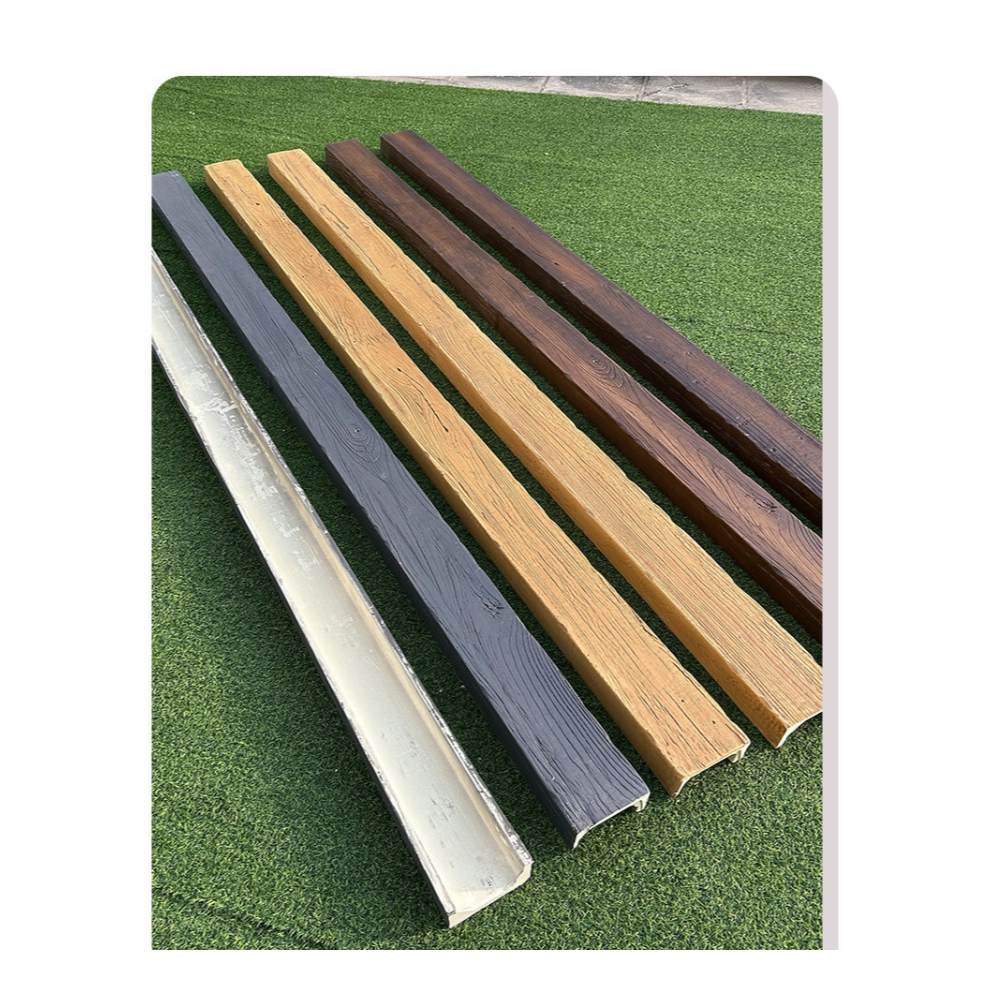
Every contractor knows that labor costs often exceed material costs in construction projects. The same principle applies to homeowner renovation projects, where time invested represents real value. When it comes to ceiling beams, material choice significantly affects how much labor installation requires. Polyurethane faux wood ceiling beams have emerged as the clear choice for anyone wanting to minimize labor demands without sacrificing visual quality.
The labor-saving characteristics of these beams begin before installation even starts and continue through finishing touches and beyond. Understanding where these efficiencies occur helps contractors plan projects more accurately and helps homeowners set realistic expectations for their renovation timelines.
Streamlined Receiving and Handling
Traditional beam materials arrive requiring significant handling before installation can begin. Timber beams may need acclimation to local humidity levels—a process requiring weeks in some cases. Any surface finishing must be completed before installation, adding days to project timelines. The materials essentially demand labor before labor can begin.
Polyurethane faux wood beams arrive ready to install. No acclimation period, no advance finishing, no special preparation requirements. The beams come from the manufacturer ready for immediate use. This immediacy means installation can begin as soon as materials reach the site, eliminating the waiting periods that extend project timelines with traditional materials.
The physical handling of these beams further reduces labor demands. Individual beams that might weigh sixty pounds in timber version weigh perhaps eight pounds in polyurethane. Workers handle more beams per trip, navigate tighter spaces more easily, and experience less physical fatigue throughout the workday. These seemingly small advantages accumulate into substantial time savings over the course of a project.
Simplified Measurement and Fitting
Accurate measurement becomes more critical with ceiling installations, where errors are difficult and expensive to correct. Timber beams may require specialized cutting equipment—miter saws, table saws, or beam-cutting machinery depending on profile complexity. Setting up this equipment, making precise cuts, and managing offcuts all require time and attention.

Polyurethane beams cut using standard carpentry tools. Circular saws, miter saws, and hand saws all cut cleanly through the material. No specialized equipment means faster setup and more flexible working conditions. Cuts happen quickly with minimal dust compared to timber sawing operations.
The fitting process also simplifies with lightweight materials. Timber beams may require test fitting to confirm dimensions, with adjustments taking considerable time. The consistent dimensions of manufactured polyurethane beams mean fewer fitting challenges. When custom cutting is needed, the material's uniformity ensures predictable results.

Mounting Systems That Save Time
How beams attach to ceilings significantly affects installation labor. Timber beams often require substantial mounting hardware—heavy steel brackets, through-bolts, structural screws—that demands careful installation. Each mounting point requires multiple fastening operations and verification of adequate strength.
Polyurethane beam mounting systems leverage the material's lightweight nature for simpler approaches. Adhesive mounting works for many applications, with construction-grade adhesive applied and beams simply pressed into position. Supplemental mechanical fastening with screws or nails provides additional security without the extensive hardware required for timber.
The mounting phase for polyurethane beams can proceed faster because the work is simply easier. Workers don't need to handle heavy brackets, confirm structural ratings, or use specialized fasteners. The whole process becomes more straightforward, requiring less expertise and less time per connection point.
Single-Worker Viability
Traditional beam installation typically requires multiple workers for safe, effective execution. Beams must be held in position while being aligned, supported while fasteners are driven, and adjusted for fit—all activities that benefit from multiple hands. This requirement creates scheduling complexity and labor cost premiums.
The lightweight nature of polyurethane beams changes this equation. A single worker can manage beam installation independently. Holding the beam in position, checking alignment, and securing fasteners all proceed without assistance. This single-worker capability transforms what's possible for project scheduling.
DIY homeowners particularly benefit from this characteristic. Projects that previously required recruiting helpers can proceed whenever the homeowner has time available. The psychological barrier of needing assistance disappears, enabling more projects to happen and more design visions to be realized. Weekend beam installations become realistic rather than major undertakings requiring advance planning.
Elimination of Finishing Labor
Timber beams often require finishing work after installation. Even pre-finished materials may show gaps, nail holes, or inconsistencies that need attention. Staining, sealing, or painting to achieve final appearance adds substantial labor beyond basic installation.
The finishing labor for timber installations extends project timelines considerably. Stain application requires drying intervals between coats. Sealers need cure time before handling. Paint finishing involves multiple steps with drying periods at each stage. A timber beam project might require several additional days beyond installation for finishing work to reach completion.
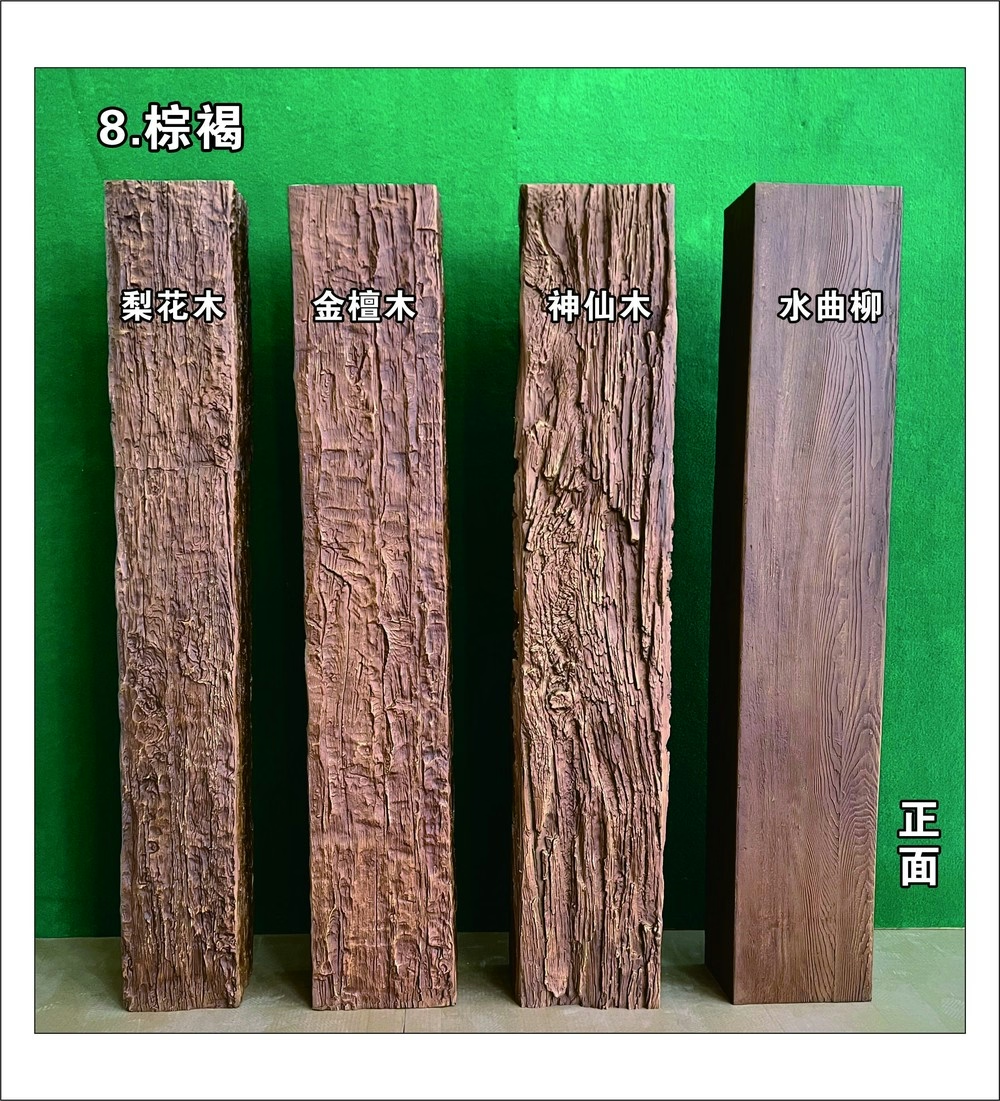
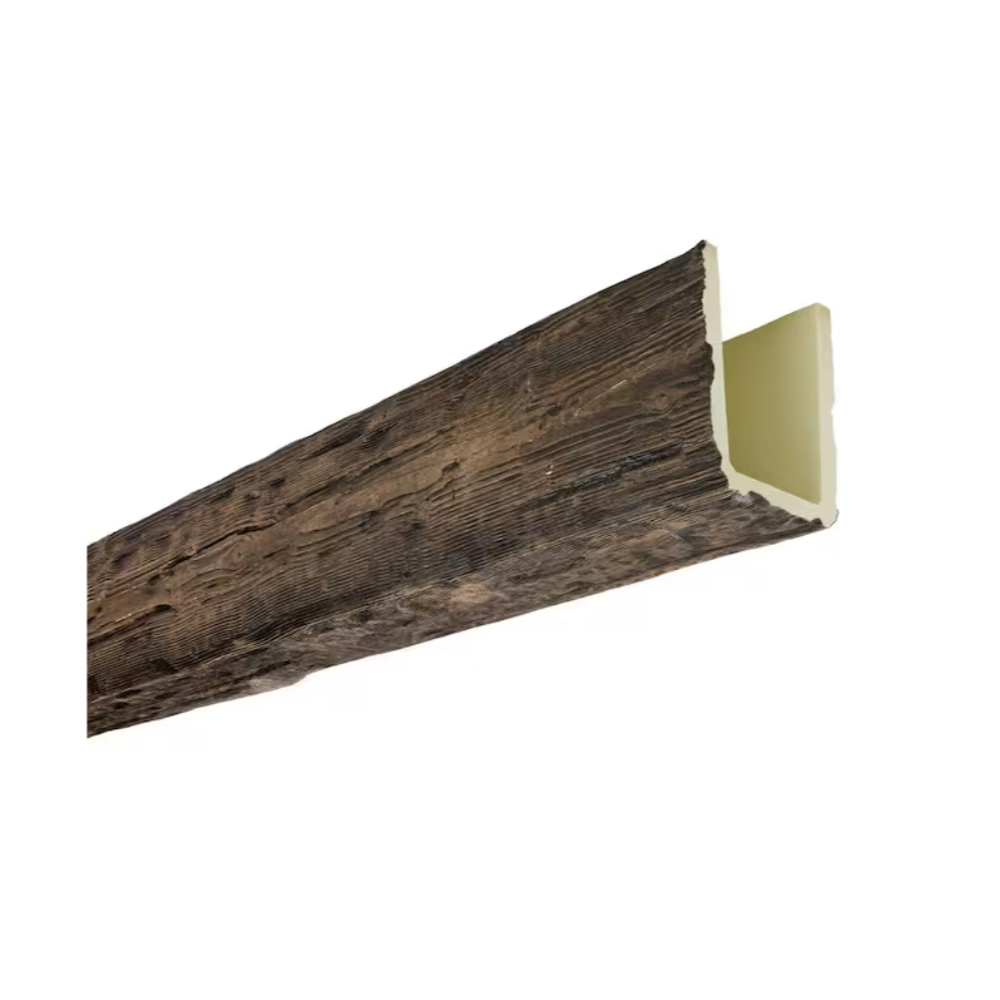
Polyurethane beams arrive pre-finished from the manufacturer. Color is consistent throughout the material, not merely surface-applied. Texture is uniform and authentic-looking. The installation phase is truly complete when the last beam is secured—no touch-up painting, no gap filling, no staining. This immediacy allows projects to finish faster and allows spaces to return to normal use sooner.
Fewer Callbacks and Warranty Issues
Contractors understand that callbacks damage profitability and reputation. Any labor required after initial installation represents pure cost with no additional revenue. Fixing problems on previously completed work takes longer than doing the work correctly the first time and often requires returning to a finished job site.
Timber beams create several callback risks. Moisture absorption can cause swelling and warping after installation. Joint separations occur as wood expands and contracts seasonally. Surface finish deterioration requires attention over time. These potential issues represent ongoing liability that extends beyond the initial project.
Polyurethane's dimensional stability eliminates the primary callback risks associated with timber. No swelling, no warping, no seasonal movement creating gaps. The material maintains its dimensions and appearance indefinitely under normal conditions. This reliability translates to fewer callbacks, happier clients, and better business outcomes for contractors.
Cleanup and Project Completion
Every construction project generates cleanup demands, and these demands consume labor that often goes unestimated. Timber installations create more waste material—cutoffs, damaged pieces, packaging from finishing products. Disposing of heavy timber debris costs more than lightweight material waste.
The lightweight nature of polyurethane beams reduces waste volume and disposal cost. Minimal cutoffs result from the consistency of manufactured dimensions. The material itself is easier to handle during cleanup. Disposal is simpler and less expensive. These seemingly minor considerations affect the final phases of project completion more than many planners realize.
Getting to project completion faster has value beyond the labor saved. Spaces can return to normal function sooner. Other trades can proceed without waiting. Client satisfaction improves when promised timelines are met or beaten. The speed advantages of polyurethane beams contribute to these outcomes throughout the project lifecycle.
Long-Term Labor Savings
The labor benefits of polyurethane beams extend well beyond initial installation. Throughout a building's operational life, maintenance labor continues to accrue. Timber beams require periodic inspection, cleaning, and potential refinishing. Issues with moisture, insects, or structural integrity demand attention.
Polyurethane beams require minimal ongoing labor investment. Occasional cleaning with mild soap and water maintains appearance. No periodic refinishing, no sealing, no treatment applications. The maintenance labor that timber beams demand simply doesn't exist with polyurethane alternatives.
These long-term savings compound over the life of an installation. A beam that serves thirty years with minimal maintenance versus timber requiring attention every few years represents dramatically different labor demands. Building owners who understand this difference recognize that polyurethane beams provide labor savings that extend far beyond the installation phase.
Labor-saving easy-install polyurethane faux wood ceiling beams deliver value across every phase of the ownership experience. From the moment materials arrive until decades of service are complete, these beams minimize the labor demands that characterize traditional alternatives.
Contractors who recognize these advantages incorporate them into project planning and client communication. Homeowners who understand what easy installation means set realistic expectations and appreciate the efficiency they receive. The labor savings are real, measurable, and available to anyone who chooses wisely.
Technical References
ASTM standards cited in every specification
Test Data
Lab results from internal testing program
Updated 2026
Reviewed against current product specs