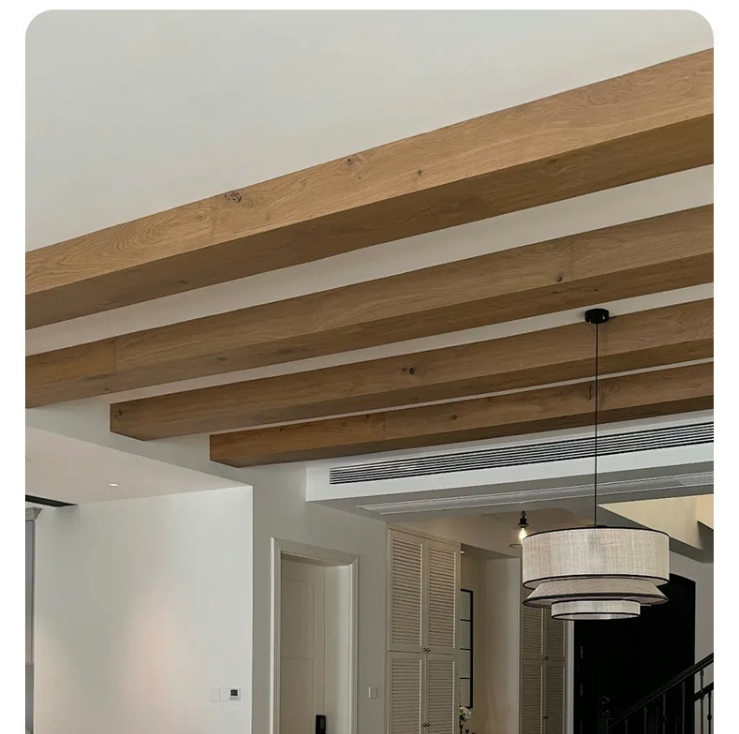
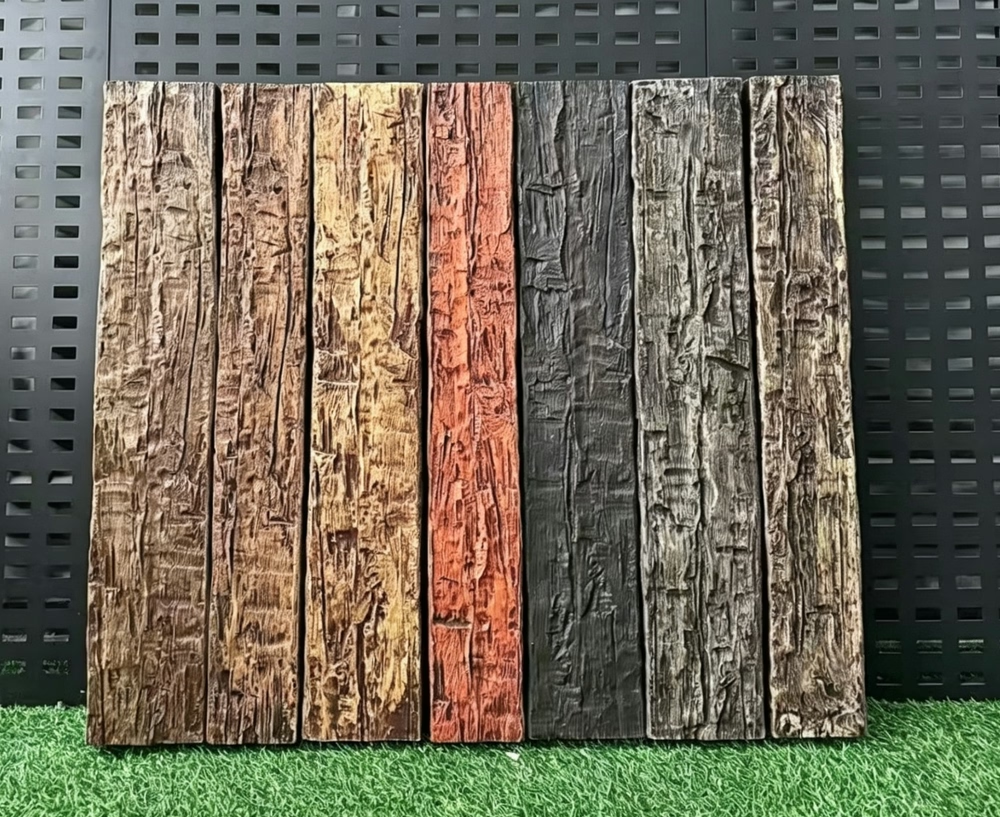
LED Strip Lighting Integration: Architectural Illumination and Ambient Effects
Contemporary faux beams incorporate LED strip lighting creating architectural illumination and dramatic ambient effects. Strategic lighting integration transforms beams into functional light sources supporting layered lighting design, mood creation, and contemporary aesthetic requirements.
Recessed Channel Design
Select or modify beams incorporating recessed channels concealing LED strips from direct view. Hidden light sources create glowing effects without visible technology hardware.
Indirect Uplighting Applications
Position LED strips producing indirect ceiling uplighting creating ambient illumination and spatial expansion. Upward light bounces off ceilings providing soft general illumination.
Color Temperature Selection
Specify appropriate color temperatures matching room function and aesthetic goals. Warm whites suit residential comfort while cooler temperatures support task-oriented spaces.
Dimming Capability Integration
Install dimmable LED systems with smart controls enabling mood adjustment and scene programming. Controllable lighting supports diverse activities and time-of-day lighting needs.
RGB Color Changing Options
Consider color-changing LEDs for entertainment spaces enabling dynamic lighting effects and party atmospheres. Programmable color supports special occasions while maintaining neutral daily appearance.
Power Supply Concealment
Hide LED drivers, transformers, and power supplies within beam cavities or adjacent spaces. Technology concealment maintains clean appearance supporting architectural purity.
Heat Dissipation Consideration
Ensure adequate ventilation preventing LED heat accumulation damaging components or beam materials. Thermal management extends equipment life and prevents premature failure.
Energy Efficiency Benefits
Leverage LED efficiency reducing lighting energy consumption and operating costs. Low-wattage operation provides substantial illumination with minimal electrical demand.
Conclusion
LED strip lighting beam integration requires recessed channel design, indirect uplighting applications, color temperature selection, and dimming capability. Strategic illuminated installations transform beams into functional light sources supporting layered lighting design, architectural effects, and energy-efficient ambient illumination with smart control and contemporary aesthetic integration.
Technical References
ASTM standards cited in every specification
Test Data
Lab results from internal testing program
Updated 2026
Reviewed against current product specs