
The search for authentic warmth in interior design often collides with practical realities. Traditional timber carries substantial weight, demands specialized installation, and requires ongoing maintenance to preserve its appearance. Polyurethane artificial timber beams solve these challenges while delivering the visual impact designers and homeowners seek. These manufactured products replicate the natural beauty of wood grain with remarkable precision, opening possibilities that genuine lumber simply cannot accommodate.
Understanding Polyurethane Artificial Timber Technology
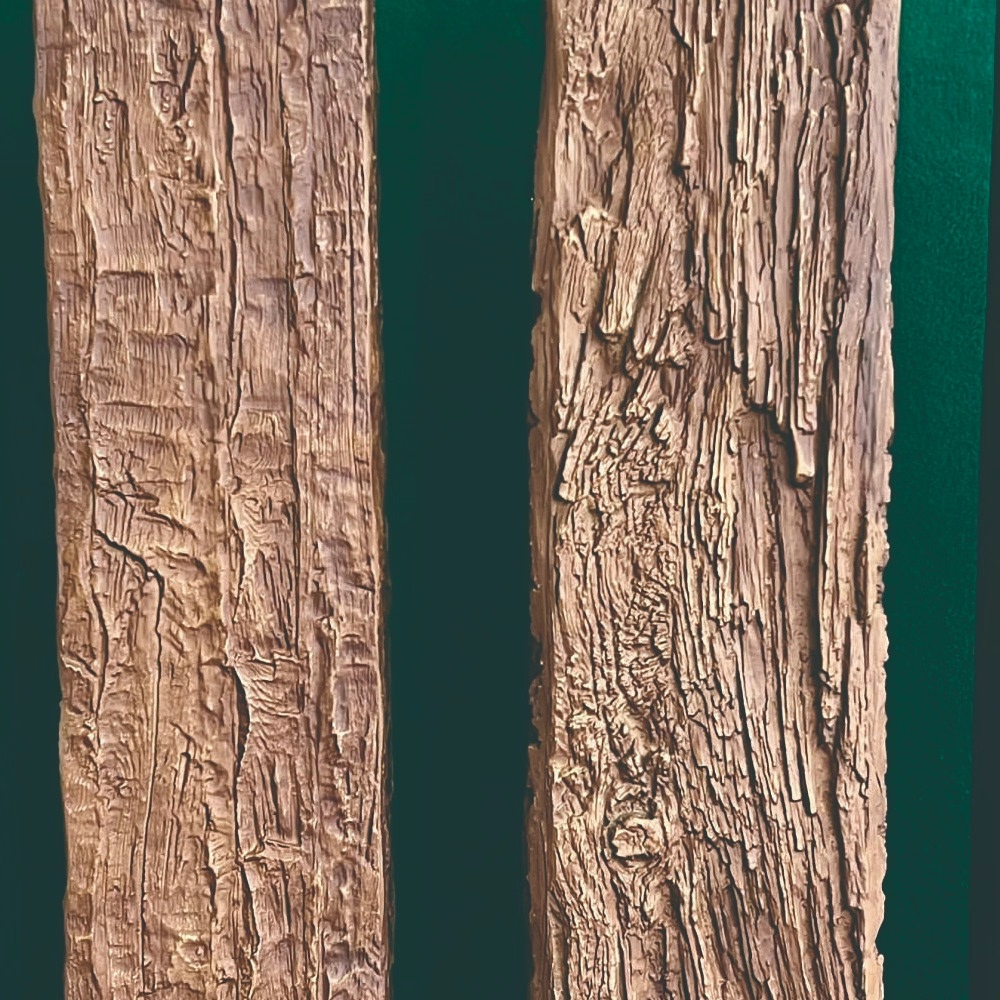
Modern manufacturing processes have transformed polyurethane into a material capable of capturing the subtlest details of natural wood. Manufacturers begin with high-density foam that receives texturing through specialized molds taken from genuine timber samples. This casting process preserves knots, grain patterns, and natural variations that make each piece unique. The resulting products display the organic character that distinguishes real wood from flat, artificial alternatives.
The polyurethane composition itself provides significant advantages beyond aesthetics. At a fraction of wood's density, these beams install without requiring structural reinforcement in most applications. A single installer can handle pieces that would otherwise need two or three people when working with solid timber. This weight reduction also decreases shipping costs and simplifies storage for retailers and contractors maintaining inventory.
Surface finishing techniques complete the illusion. Manufacturers apply layered coatings that simulate natural wood tones while providing UV resistance and moisture protection. Some products incorporate texture variations across their length, preventing the repetitive pattern that would betray their manufactured origin. The most sophisticated offerings include hand-finishing details that even experienced observers struggle to distinguish from genuine timber at a glance.

Residential Applications Across Interior Styles
Homeowners discover polyurethane beams serving remarkably diverse roles within residential settings. Kitchen renovations benefit from the addition of beams above islands or breakfast bars, creating visual separation between cooking and dining zones. The material's resistance to moisture absorption makes it suitable for these environments where steam and humidity fluctuate daily. Unlike natural wood, polyurethane won't swell, warp, or develop mold issues when exposed to kitchen conditions.
Living rooms and great rooms accommodate larger beam installations that establish architectural character. Exposed beam ceilings using polyurethane products achieve the rustic charm of mountain lodges or farmhouse aesthetics without requiring ceiling joists capable of supporting genuine timber's weight. Designers specify these elements to frame vaulted ceilings, define conversation areas, and draw attention upward in spaces where blank overhead surfaces feel incomplete.
Bedroom applications focus on creating intimate environments through strategic beam placement. A beam positioned above the bed anchors the sleeping area while introducing textural interest that soft paint colors or wallpaper alone cannot provide. The visual weight of these elements grounds spaces that might otherwise feel cavernous, particularly in master suites with soaring ceilings.
Bathrooms present unique opportunities for decorative beams in modern spa-inspired designs. Faux timber framing around soaking tubs or defining shower zones introduces organic warmth that complements stone and tile surfaces. The material handles the moisture-rich environment without deterioration, and its lightweight nature simplifies installation around plumbing fixtures that might complicate traditional timber framing.
Commercial Environments and Hospitality Design
Restaurants and hospitality venues specify polyurethane beams to establish distinctive atmospheres that encourage customer engagement. The material's fire-retardant options meet commercial building codes while maintaining the aesthetic qualities that interior designers value. Establishments seeking rustic cabin atmospheres, Tuscan villa warmth, or contemporary industrial character find suitable beam profiles within manufacturer catalogs.
Retail spaces utilize beams for visual merchandising zones and display area definitions. A beam spanning above a product showcase draws customer attention while reinforcing brand character. The material accepts paint and stain if clients wish to customize colors post-installation, enabling seasonal updates or brand evolution without replacing structural elements.
Office environments incorporate beams for wayfinding and spatial organization in open-plan layouts. Beams defining work zones provide acoustic benefits alongside visual separation, helping employees navigate large floor plates while creating visual interest that improves workspace aesthetics. The installation simplicity reduces business disruption during renovation projects.
Installation Methods and Technical Considerations
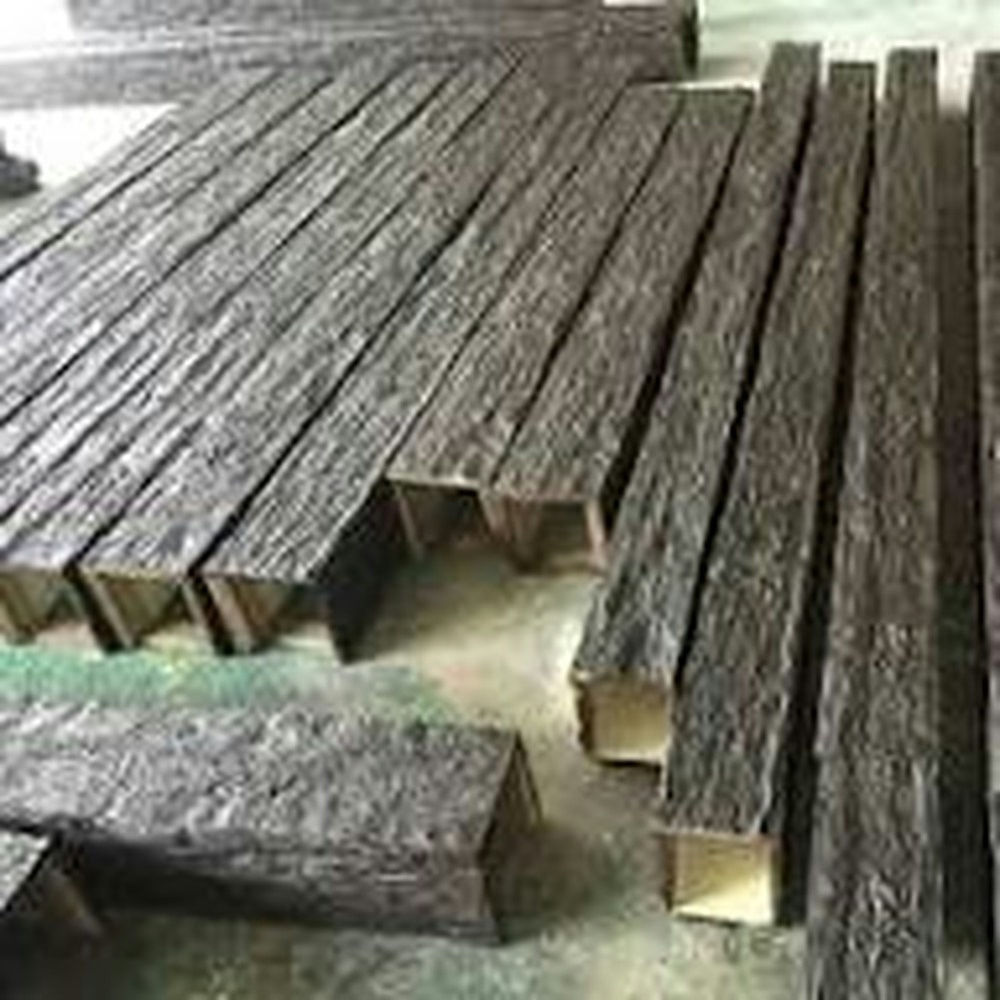
Professional installation of polyurethane beams follows predictable sequences that experienced contractors master quickly. Standard applications begin with mounting blocks or furring strips secured to existing ceiling surfaces. The beams themselves feature hollow cavities that slip over these supports, creating clean transitions between beam and ceiling. This approach accommodates both new construction and retrofit projects where removing existing ceilings would prove impractical.
Seams between beam sections receive treatment with color-matched caulk or putty, becoming invisible once finished. Corner joints use mitered cuts or specially designed return pieces that maintain continuous grain patterns around turns. Manufacturers provide detailed instructions for these connections, and many offer pre-cut options that reduce field modification requirements.
Structural attachment methods depend on the specific application and local building codes. Exposed applications use concealed brackets and screws that remain hidden within the beam profile. Suspended installations employ aircraft cables or steel rods that pass through mounting points within the beam cavity, creating floating effects that add visual interest while meeting safety requirements.
Cost Comparison and Value Analysis
Initial pricing for quality polyurethane beams exceeds commodity lumber in most scenarios. However, total project costs often favor these manufactured products when accounting for installation requirements. Solid timber of equivalent visual impact might require structural engineering, specialized handling equipment, and extended labor hours. Polyurethane beams install directly to existing surfaces without reinforcement in most residential applications.
Maintenance expenses over the product lifespan further improve cost comparisons. Natural wood demands periodic refinishing, pest treatment, and moisture management. Polyurethane maintains its appearance with basic cleaning, resisting the moisture-related issues that degrade genuine timber in challenging environments. This durability translates to lower lifetime ownership costs that many property owners find compelling.
The absence of ongoing finishing requirements provides additional value. Natural wood in high-humidity environments may require annual attention to prevent cracking or checking. Polyurethane UV-stabilized finishes resist sun damage without reapplication, maintaining consistent appearance despite years of exposure in sunlit spaces.
Selecting Appropriate Beam Styles
Manufacturer catalogs typically categorize beams by profile type, ranging from simple rectangular forms to complex hand-hewn designs. Simple profiles suit contemporary and minimalist interiors where clean lines take precedence over rustic character. More textured options with saw marks, weathering effects, and irregular surfaces complement traditional, farmhouse, and cabin aesthetics.
Scale requires careful consideration during selection. A beam that appears substantial in a catalog photograph may feel underwhelming in a room with twelve-foot ceilings, while the same product dominates a modest eight-foot space. Designers recommend obtaining samples or templates to evaluate proportions within the actual installation environment before committing to specific selections.
Color families range from pale honey tones through rich walnut browns to dramatic ebony finishes. Some manufacturers offer stainable surfaces that accept custom coloring after installation. Natural weathering effects, whitewash treatments, and painted finishes all prove achievable depending on the specific product line and desired final appearance.
Environmental Considerations and Sustainability
The environmental profile of polyurethane beams presents a nuanced picture that merits consideration. These products derive from petroleum-based raw materials, placing them among less sustainable options compared to rapidly renewable natural wood. However, the manufacturing process generates minimal waste, and products often incorporate recycled materials in their core composition.
Transportation impacts favor polyurethane for distant installations. The lightweight nature reduces fuel consumption during shipping compared to equivalent solid wood products. This advantage becomes significant for projects sourcing materials internationally, as the weight savings compound across container shipments.
End-of-life considerations remain challenging for polyurethane products. Unlike natural wood, these materials don't decompose readily and resist conventional recycling streams. Some manufacturers offer take-back programs or specify recyclable components, but these options remain limited across the industry. Projects prioritizing environmental performance should investigate specific manufacturer practices before purchase.
Making the Final Decision
Choosing between polyurethane and natural timber ultimately depends on project-specific priorities and constraints. Budget-conscious projects with complex installation requirements often find manufactured beams provide the best value proposition. Environments with moisture challenges or pest concerns favor the resistance characteristics of polyurethane. Projects requiring rapid completion benefit from the straightforward installation process.
Designers seeking specific wood species that prove scarce or expensive in solid form find manufactured beams provide accessible alternatives. Reclaimed barn wood aesthetics, exotic species, and vintage timber looks all appear in polyurethane catalogs at price points that genuine materials cannot match. This accessibility enables design visions that would otherwise remain impractical.
The universal styling potential of contemporary polyurethane beams deserves recognition. These products transcend simple imitation to deliver genuine design value. When specified thoughtfully and installed properly, artificial timber beams create spaces that feel warm, authentic, and architecturally coherent without the limitations that genuine timber imposes.
Technical References
ASTM standards cited in every specification
Test Data
Lab results from internal testing program
Updated 2026
Reviewed against current product specs


