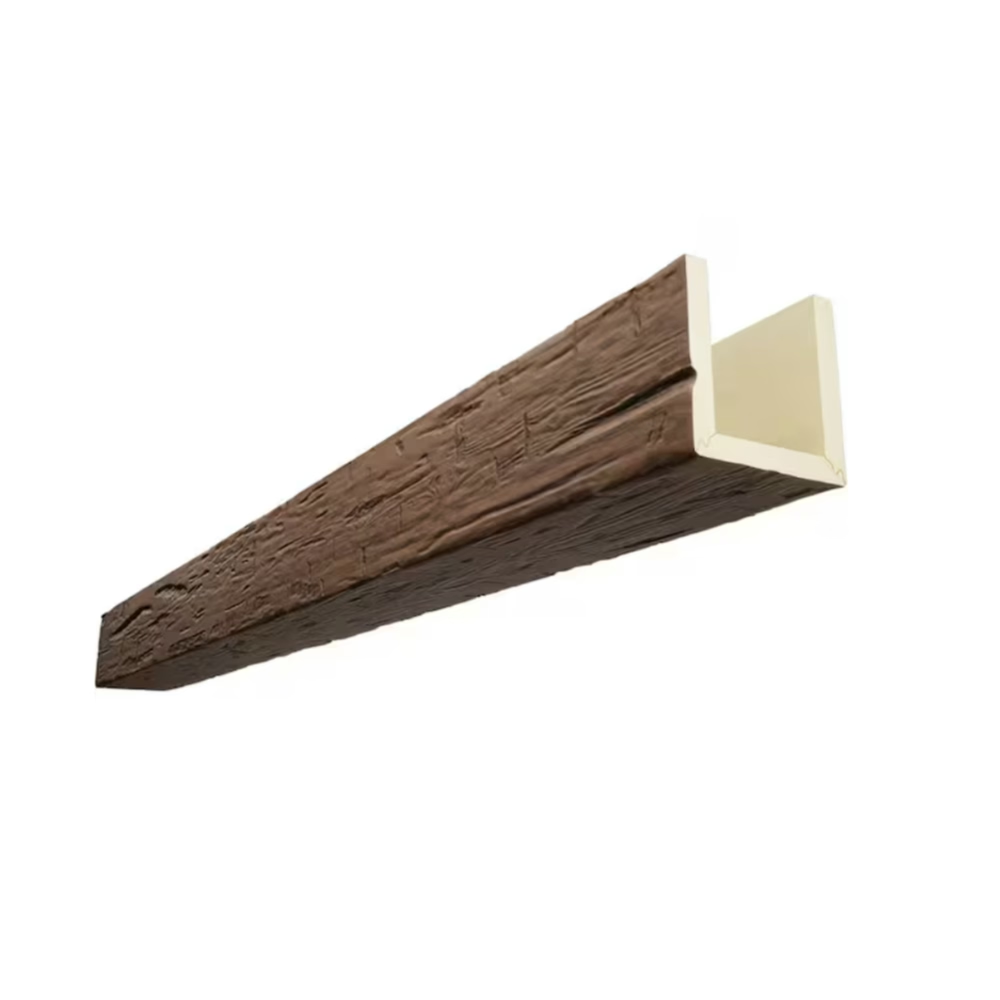
Interior designers face constant pressure to create spaces that photograph well, satisfy clients with diverse tastes, and remain functional for daily living. Timber elements consistently deliver the warmth and character these requirements demand, yet genuine wood presents complications that modern projects rarely accommodate. Polyurethane simulation beams resolve this tension by providing natural wood aesthetics through practical modern materials that serve decorators and their clients equally well.
The Science Behind Convincing Wood Simulation
Achieving realistic wood appearance requires more than surface coloring. The human eye perceives authenticity through multiple sensory channels simultaneously, and manufactured products must satisfy each of these criteria to create convincing illusions. Modern polyurethane beams address texture, weight, color variation, and structural appearance in coordinated ways that earlier synthetic alternatives never achieved.
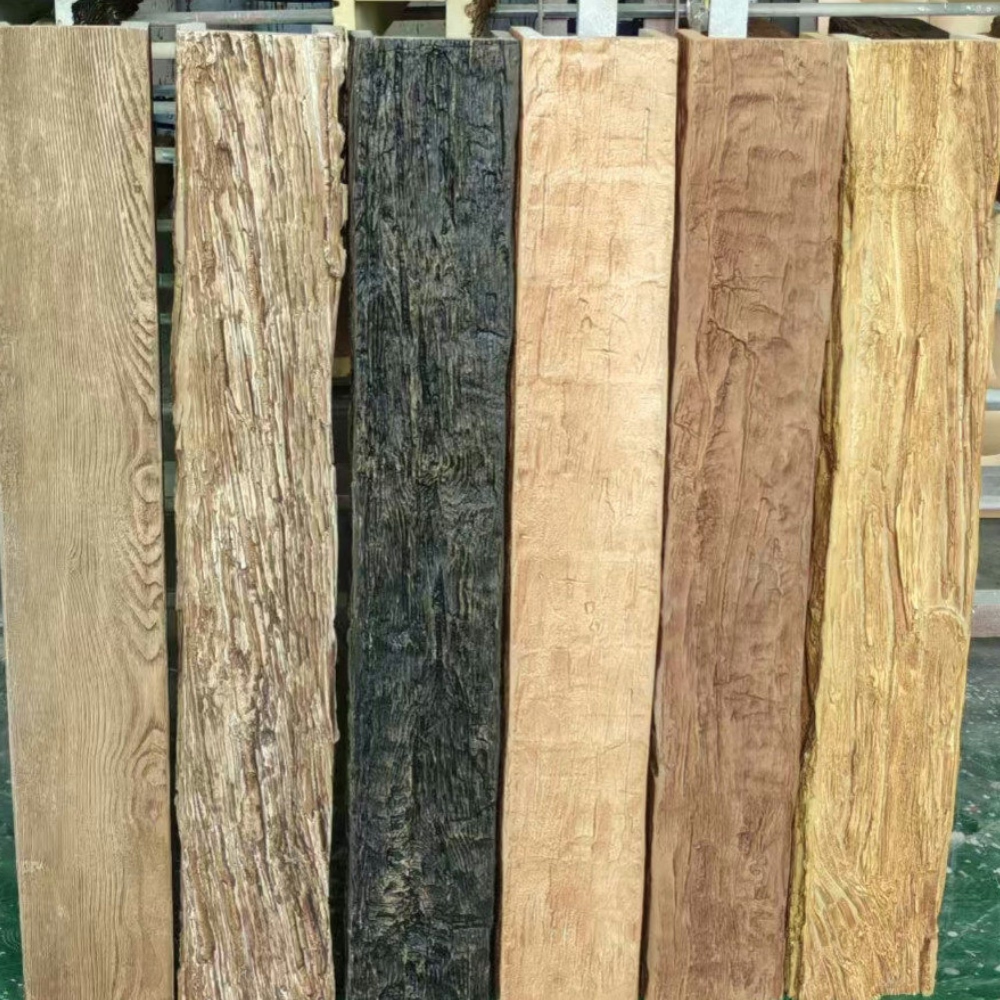
The foundation of convincing simulation begins with mold selection. Manufacturers source timber samples displaying the specific characteristics that define each wood species or style. Oak grain patterns differ fundamentally from pine, which differs from reclaimed barn wood or weathered cedar. Capturing these species-specific characteristics in mold surfaces transfers directly to the final product's appearance. Premium manufacturers maintain extensive libraries of timber samples to ensure appropriate options exist for every aesthetic requirement.
Surface texture extends beyond simple embossing of grain lines. Real wood presents varied textures across its surface, with smoother areas adjacent to pronounced grain patterns. Knots create concentrated zones of visual complexity. Handling marks, weathering effects, and natural checking appear at scales from visible to subtle. Quality faux beams replicate this multi-scale texture complexity through manufacturing processes that layer multiple texture types across their surfaces.
Design Styles Where Simulation Excels
Farmhouse and country interiors have embraced timber elements as defining characteristics for generations. The relaxed authenticity that rustic aesthetics require aligns perfectly with what polyurethane beams provide. Weathered finishes, irregular surfaces, and natural variation create interiors that feel genuinely inhabited rather than artificially assembled. Homeowners seeking farmhouse character find simulation beams deliver required aesthetics without the pest, moisture, and maintenance concerns that complicate genuine reclaimed timber use.
Coastal and beach-inspired interiors benefit from timber warmth that complements water-adjacent design elements. Sand-bleached finishes, driftwood tones, and weathered gray patinas appear across manufacturer catalogs for exactly these applications. The material's resistance to salt air corrosion proves particularly valuable in marine environments where genuine wood deteriorates rapidly. Beams installed in beach houses, coastal restaurants, or waterfront offices maintain appearance despite conditions that would quickly degrade natural alternatives.
Industrial and urban loft aesthetics incorporate timber beams as contrasts to concrete and steel surfaces. The organic warmth of wood grain balances the harshness of industrial materials, creating environments that feel productive without becoming cold or unwelcoming. Polyurethane beams provide the substantial visual weight these designs require at weight points that existing ceiling structures accommodate readily.

Color and Finish Selection Strategies
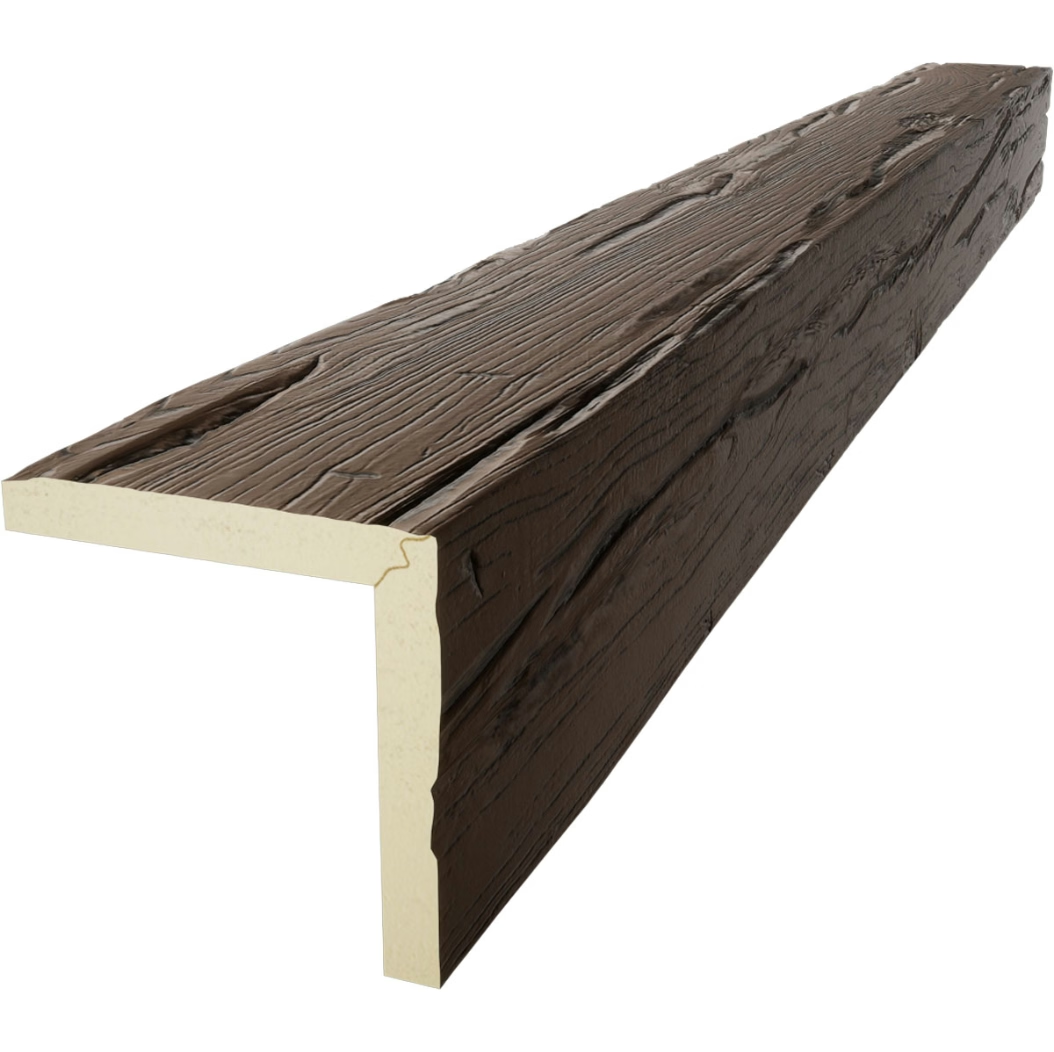
Achieving convincing decor integration requires thoughtful finish selection that considers surrounding materials and lighting conditions. Natural wood tones should complement rather than compete with existing woodwork, flooring, or furniture. Designer consultations before purchase help identify finish options most likely to achieve project goals.
Lighting dramatically affects how wood finishes appear throughout the day. Morning light, afternoon sun, and evening illumination create substantially different appearances from identical surfaces. Obtaining finish samples and observing them across daily light cycles reveals potential issues before commitment. This investment of time prevents disappointment when installed beams appear different than showroom expectations suggested.
Custom finish options extend possibilities beyond standard catalog offerings. Some manufacturers provide paintable or stainable surfaces that accept site-applied treatments matching specific design requirements. This flexibility proves valuable when matching proprietary wood species or achieving color coordination with materials unavailable from standard finish options.
Room-by-Room Application Considerations
Kitchen installations work exceptionally well above cooking and food preparation zones. The visual separation beams provide helps define kitchen boundaries in open-plan layouts while introducing warmth that balances stainless steel appliances and stone countertops. Polyurethane's moisture resistance handles steam and humidity fluctuations without the dimensional instability that damages natural wood in these environments.
Living room applications benefit from larger-scale installations that draw attention upward and create architectural interest. Vaulted ceilings, cathedral configurations, and exposed structure all accommodate beam installation that transforms ordinary rooms into distinguished spaces. The investment required for quality beams pays dividends in room character that simple paint or wallpaper cannot achieve.
Bedroom installations create intimate retreats through strategic beam placement. Beams framing the bed area establish sleeping zone boundaries while providing the natural warmth that promotes rest. The acoustic properties of hollow polyurethane beams help dampen sound transmission between floors, adding functional value alongside aesthetic contribution.
Integration With Other Design Elements
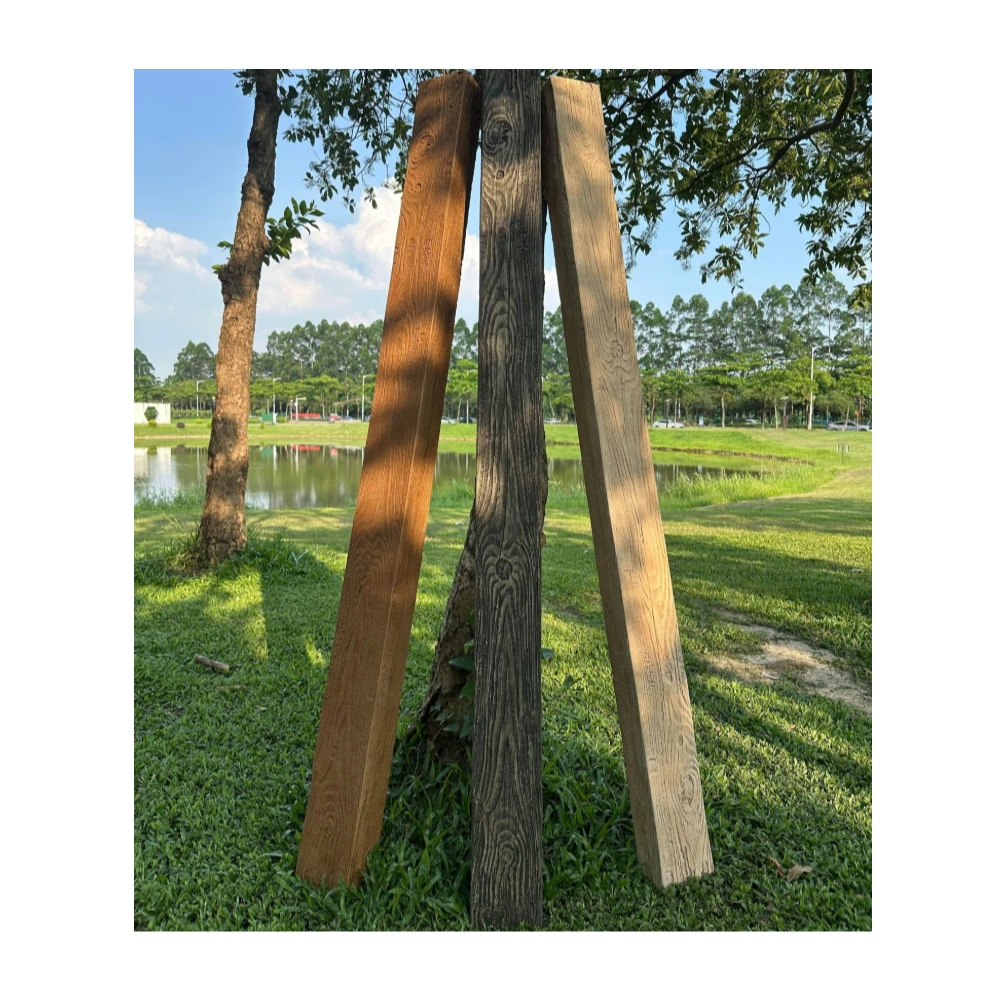
Successful decor integration requires beams that participate in overall design composition rather than existing as isolated features. Color relationships between beams and adjacent materials determine whether installations feel cohesive or jarring. Warm wood tones echo floor colors and furniture finishes, while cooler gray or weathered tones complement modern interiors with neutral palettes.
Scale relationships with other elements matter significantly. Large furniture pieces, substantial area rugs, and prominent window treatments all provide reference points that beam sizing should complement. Disproportionate beams create uncomfortable visual tension, while appropriately scaled elements reinforce design balance throughout the space.
Architectural features beyond beams require consideration as well. Fireplace mantels, built-in shelving, and exposed structural elements all contribute to overall aesthetic. Beams should enhance rather than compete with these features, either by matching their material character or by providing deliberate contrast that adds visual interest through juxtaposition.
Maintenance and Long-Term Appearance
The maintenance simplicity of polyurethane beams provides significant advantages over natural wood alternatives. Regular cleaning requires only dusting or occasional wiping with damp cloth. Stubborn marks yield to mild soap solutions without risk of moisture damage or finish deterioration. This accessibility enables consistent appearance maintenance that busy households can realistically sustain.
The absence of periodic refinishing requirements eliminates a major maintenance commitment that natural wood demands. Genuine timber in challenging environments may require annual attention to maintain appearance. Polyurethane beams continue looking their best without such interventions, freeing homeowners from maintenance schedules that complicate household management.
Scratch and dent resistance varies across product quality levels. Premium beams incorporate impact-resistant formulations that maintain surface integrity despite reasonable use. Budget products may show damage more readily, undermining the authentic appearance they attempt to achieve. Quality investments prove economical through extended service life and sustained appearance quality.
Seasonal and Environmental Stability
Natural wood responds visibly to humidity changes, expanding in moist conditions and contracting during dry periods. This dimensional behavior creates gaps, checks, and surface distortions that compromise appearance over time. Polyurethane beams resist these environmental influences, maintaining consistent dimensions and appearance across seasonal variations that would significantly affect natural wood.
Temperature fluctuations produce similar concerns with natural timber, particularly in spaces lacking climate control. Unheated seasonal properties experience temperature ranges that accelerate wood deterioration. Polyurethane tolerates these conditions without the checking, splitting, or warping that damages genuine timber in challenging environments.
UV exposure presents another stability advantage for polyurethane beams. Natural wood gradually grays and fades when exposed to sunlight, requiring refinishing to restore original appearance. UV-stabilized polyurethane finishes resist this degradation, maintaining color consistency despite years of exposure to natural or artificial light.
Professional Installation Benefits
While some homeowners attempt faux beam installation as DIY projects, professional installation typically produces superior results. Experienced installers understand how to address challenging junctions, maintain consistent alignment across extended runs, and achieve seamless connections between beam segments. Their expertise prevents issues that reduce appearance quality or structural integrity.
Professional installation also proceeds more efficiently than amateur attempts, reducing project disruption and accelerating completion. Contractors arrive prepared with appropriate tools and mounting hardware, proceeding systematically through installation sequences. This preparation contrasts with DIY efforts that may require multiple trips for materials or tools, extending projects indefinitely.
Warranty considerations also favor professional installation. Some manufacturers void warranties for installations that deviate from specified methods or fail to use recommended hardware. Professional installers understand these requirements and implement installations that preserve warranty coverage.
Realistic Expectations for Simulation Products
Understanding what polyurethane beams can and cannot achieve helps set appropriate expectations for decor projects. These products convincingly replicate wood appearance while providing performance characteristics that genuine timber cannot match. The combination of authentic aesthetics and practical advantages makes them excellent choices for most applications.
At extremely close inspection distances, subtle differences from natural wood may become apparent to trained observers. However, normal viewing conditions throughout daily life never produce such close scrutiny. The appearance benefits beams provide remain fully accessible despite any theoretical differences that would never manifest in practical use.
The key consideration involves selecting quality products that fulfill the aesthetic promises their appearance suggests. Premium manufacturers invest in mold quality, surface finishing, and color technology that produce genuinely convincing results. Budget alternatives may compromise these details sufficiently to undermine authenticity. Investing in quality ensures satisfaction with finished installations.
Technical References
ASTM standards cited in every specification
Test Data
Lab results from internal testing program
Updated 2026
Reviewed against current product specs