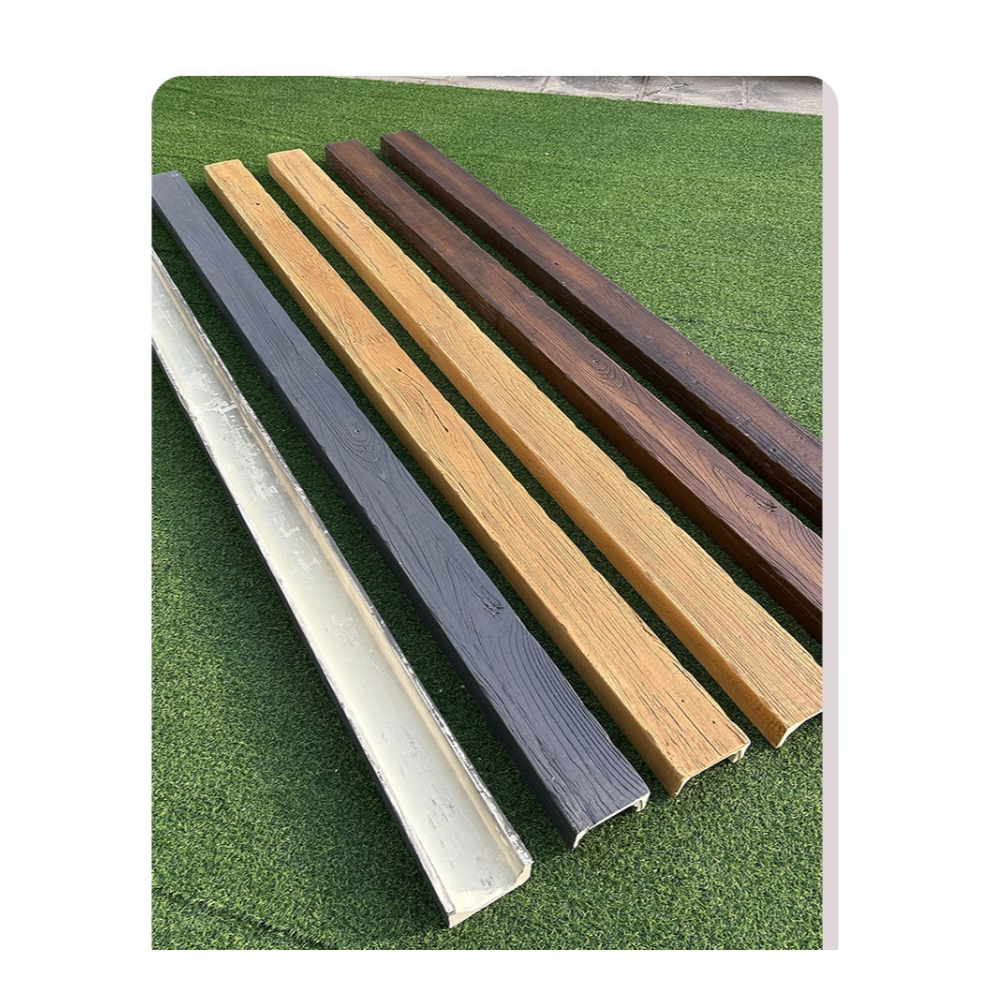
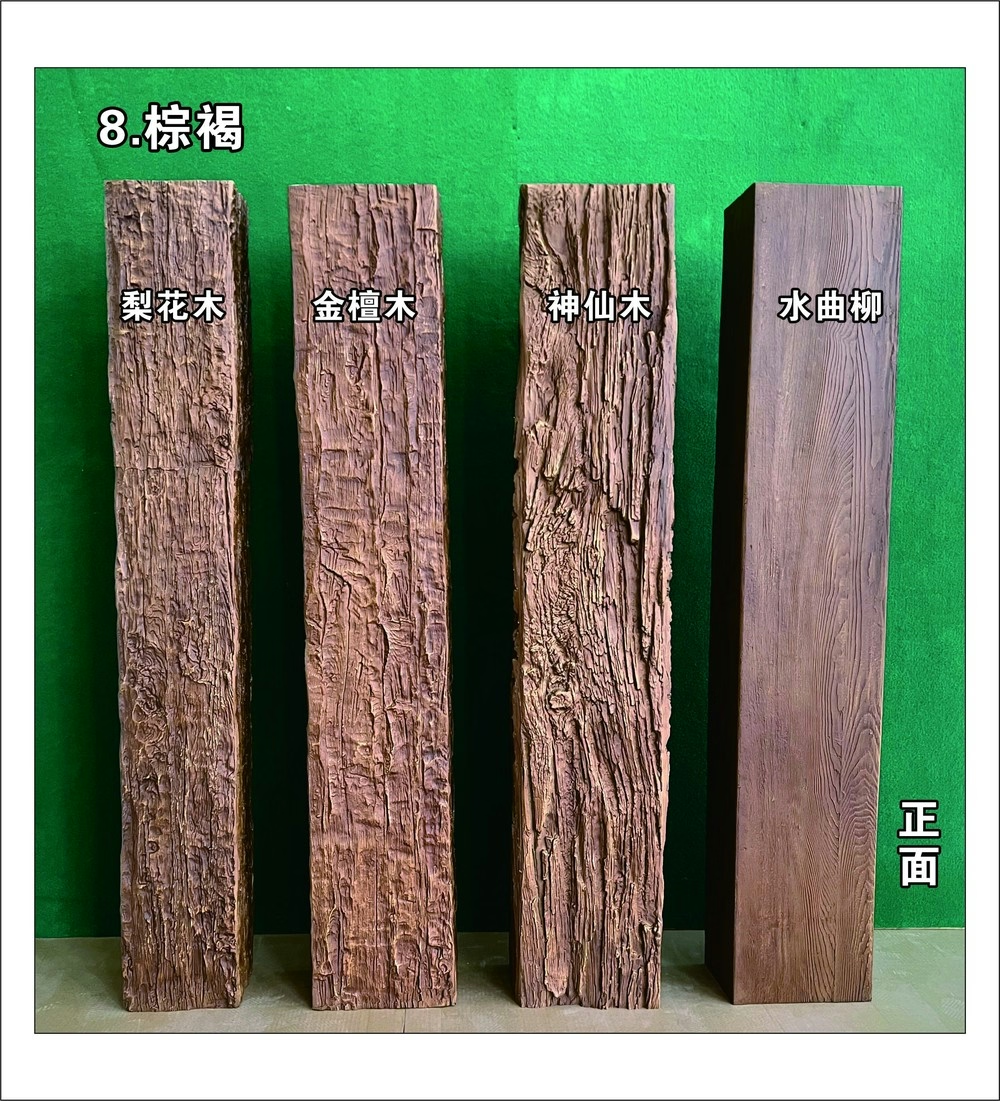
Ceiling surfaces occupy significant visual real estate in every room yet receive design attention far less frequently than walls, floors, and furnishings. Dated ceiling treatments persist for decades simply because renovation options seem limited or impractical. Polyurethane replica timber beams offer compelling solutions that transform unremarkable ceilings into architectural features worthy of the spaces they crown.
Why Ceilings Deserve Design Attention
Rooms without ceiling interest can feel incomplete despite excellent wall treatments and furniture selections. Flat, uninterrupted ceiling planes create visual emptiness that emphasizes room dimensions without providing character. This emptiness becomes particularly noticeable in open-plan layouts where ceiling surfaces dominate the visual field. Addressing ceiling design elevates entire room compositions from adequate to impressive.
Authentic timber elements introduce warmth that ceiling-only treatments cannot achieve. The organic texture and natural color variation of wood grain creates visual interest that paint or texture alone cannot match. These qualities make timber ceilings consistently popular across design styles, from rustic farmhouse to contemporary minimalism. The challenge lies in achieving timber aesthetics through practical means compatible with existing construction.
Renovation budgets often deplete before reaching ceiling treatments, leaving these surfaces as overlooked afterthoughts. The perceived cost and complexity of traditional timber ceiling installation discourages pursuit of ceiling enhancements. Replica timber beams provide accessible alternatives that deliver design impact without requiring the resources that structural timber installation demands.
The Renovation Advantage of Replica Beams
Weight limitations frequently prevent genuine timber installation in renovated spaces. Original ceiling structures were designed for minimal loads, typically no more than light fixtures and ceiling-mounted HVAC components. Adding substantial timber beams exceeds these design parameters, requiring structural modifications that substantially increase project complexity and cost. Replica beams avoid this constraint entirely through lightweight construction that existing structures accommodate readily.
Moisture concerns present another renovation challenge that replica beams address effectively. Older homes frequently feature ceiling construction sensitive to moisture exposure. Natural timber introduces additional moisture management requirements that complicate renovation in bathrooms, kitchens, and basements. Polyurethane replica beams tolerate these conditions without the dimensional changes or decay risks that plague genuine wood.
Installation access in renovated spaces may prove challenging for traditional timber. Stairways, doorways, and room dimensions that seemed appropriate for furniture delivery become obstacles when moving long timber pieces. Replica beams often ship in sections that reassemble on-site, navigating access limitations that would prevent solid timber delivery. This accessibility advantage simplifies logistics considerably.
Planning Ceiling Beam Layouts
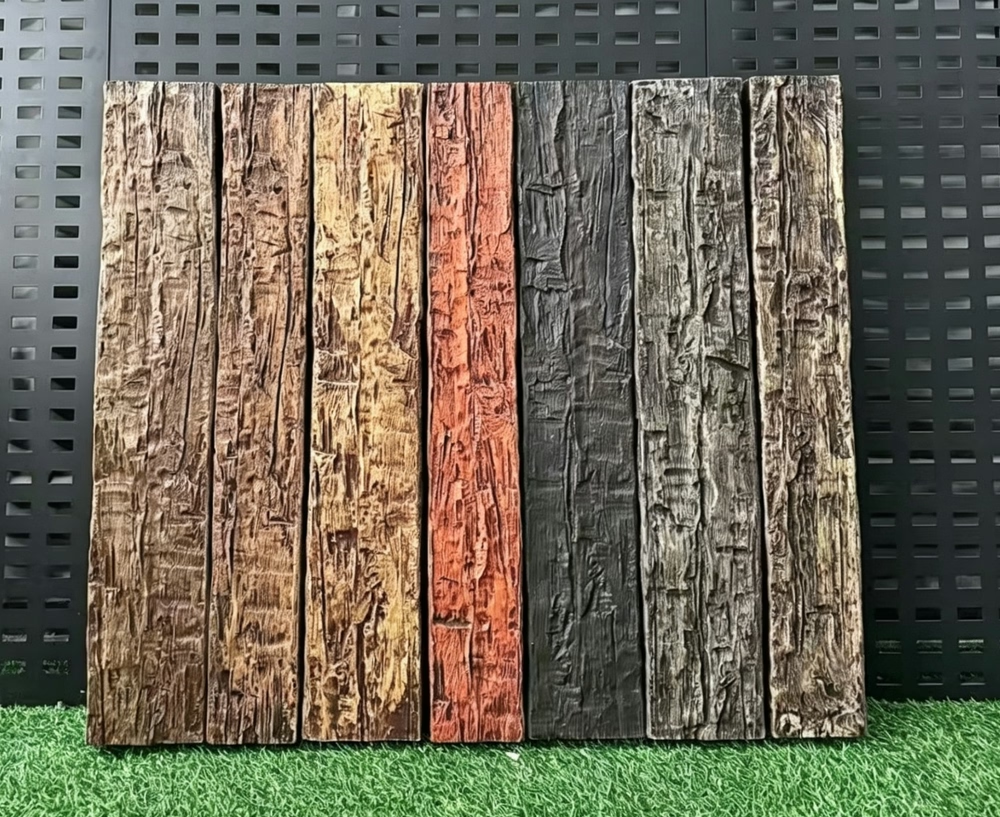
Regular spacing patterns create formal arrangements suited to contemporary interiors. Equal distances between parallel beams establish visual rhythm that complements modern design sensibilities. This approach works particularly well in rectangular rooms where beam directions can follow or cross the room's natural axes. The resulting grid or parallel pattern provides architectural structure without appearing rustic or country-inspired.

Asymmetric arrangements suit spaces seeking more relaxed or collected aesthetics. Beams placed at varied intervals create the visual interest that genuine timber installations display in historic structures. This approach requires careful attention to overall balance, ensuring that varied spacing produces harmonious rather than random appearance. The technique works best when deliberate rather than accidental asymmetry guides placement decisions.
Feature beam installations concentrate impact in specific zones rather than distributing it across entire ceilings. A single beam crossing above a dining table or kitchen island draws attention to that activity area without committing entire ceiling surfaces to the treatment. This targeted approach delivers substantial visual impact while requiring minimal material investment.
Technical Requirements for Ceiling Applications
Load calculations remain relevant even for lightweight replica beams. While these products impose far less load than genuine timber, building codes may still require verification that ceiling structures accommodate additional weight. Standard mounting methods typically add minimal load that standard ceiling constructions handle without concern, but unusual situations warrant professional evaluation.
Fire rating requirements affect product selection for some commercial applications. Building codes may specify flame spread ratings for ceiling materials in certain occupancy types. Polyurethane beams incorporating fire retardant formulations meet these requirements where standard products might not. Specifying appropriate products from the outset prevents inspection failures that require expensive remediation.
Acoustic performance benefits sometimes accompany replica beam installation. Hollow beam construction creates resonance that affects room acoustics, potentially beneficial or problematic depending on room use. Solid-core formulations reduce this resonance effect while maintaining realistic appearance. Room acoustics merit consideration during product selection for home theater, music practice, or other sound-sensitive applications.
Complementing Existing Architectural Features
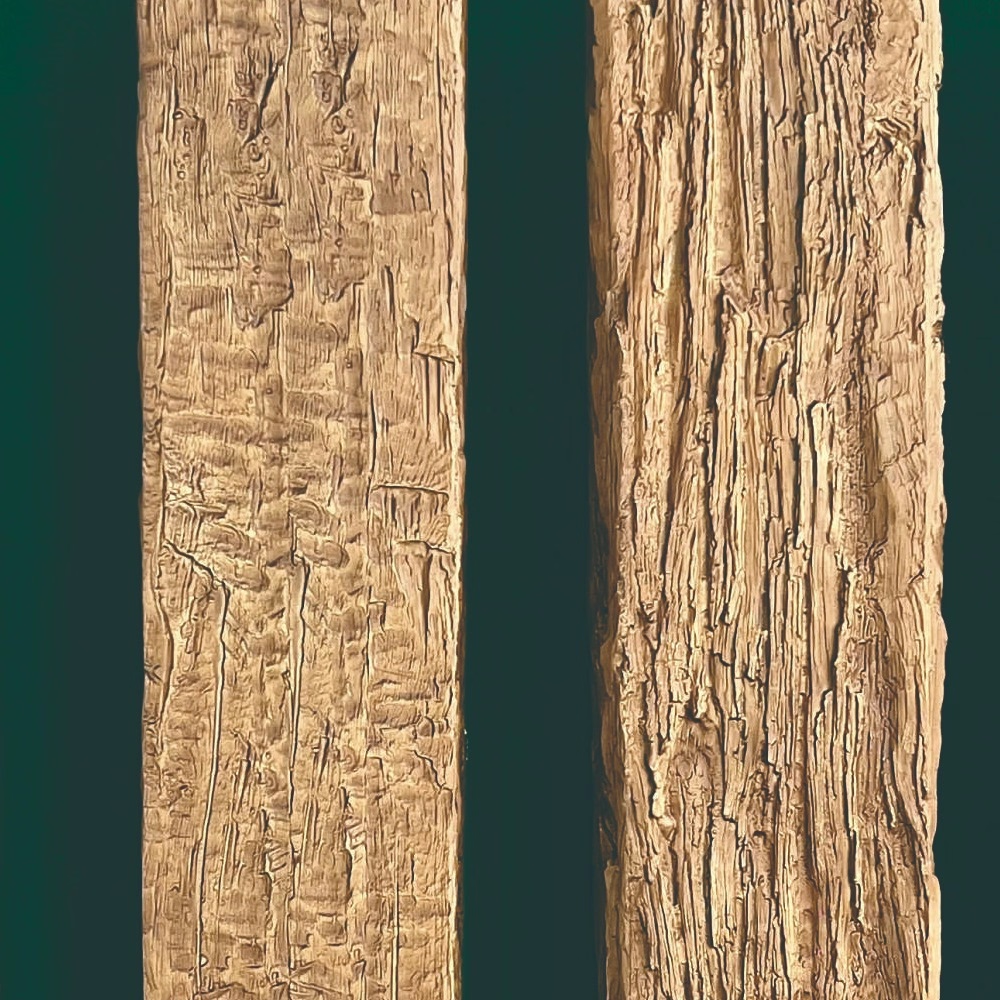
Ceiling beams should integrate with rather than compete against other significant elements. Window placement, fireplace locations, and built-in features all influence optimal beam orientation and placement. Careful coordination ensures that beam installations enhance these existing features rather than creating visual conflicts that diminish overall room quality.
Proportion relationships between beams and other elements determine whether installations achieve professional or amateur appearance. Massive beams in modest rooms overwhelm surrounding elements, while undersized beams disappear against larger spaces. Evaluating available scale options against room dimensions and adjacent elements prevents disappointing results.
Color coordination extends beyond beam selection to include surrounding ceiling surfaces. Beams that contrast with adjacent ceilings create definition that enhances architectural interest. Alternatively, beams colored to blend with ceiling surfaces provide subtler enhancement that integrates more quietly into room designs. Both approaches have appropriate applications depending on desired visual effects.
Common Renovation Applications
Kitchen ceiling enhancements rank among the most popular replica beam applications. The warmth that timber provides balances stainless steel appliances, stone countertops, and ceramic surfaces common in contemporary kitchens. Beams above kitchen islands define food preparation zones while introducing the organic texture that lengthy food preparation sessions benefit from psychologically.
Living room and great room renovations frequently incorporate replica beams to address ceiling平淡 that otherwise characterizes these large spaces. Vaulted ceilings particularly benefit from beam treatment, with installations that follow or accentuate roofline angles. The resulting architectural enhancement transforms volume spaces from cavernous to inviting.
Bedroom ceiling applications create intimate retreat environments. Beam placement above bed positions establishes sleeping zone boundaries while providing the natural warmth that promotes restful sleep. The ceiling treatment adds perceived intimacy to large master suites that might otherwise feel hotel-like or institutional.
Installation Process Overview
Surface-mount installation provides the most common approach for ceiling renovation applications. This method involves attaching mounting strips or furring directly to existing ceiling surfaces, then securing beams over these supports. The technique accommodates various ceiling compositions including plaster, drywall, and older lath-and-plaster construction.
Seam treatment requires attention during multi-piece installations. Where beams meet at joints or corners, color-matched caulk or putty conceals transitions. Premium products include alignment features that maintain pattern continuity across joints, producing seamless appearance that lesser products cannot achieve. This attention to detail distinguishes quality installations from budget approaches.
Height adjustment and leveling merit careful attention throughout installation. Ceiling surfaces frequently deviate from perfect level, and mounting methods must accommodate these variations. Shimming and adjustment during installation ensure that completed beams present consistent height relationships throughout their runs.
Achieving Professional-Quality Results
Proper preparation distinguishes professional installations from amateur attempts. Cleaning ceiling surfaces, marking layout lines accurately, and organizing materials before beginning all contribute to smooth execution. Rushing preparation to begin installation visible work often produces problems that require remediation.
Patience during installation prevents mistakes that compromise appearance. Taking time to ensure each beam aligns properly before securing permanently produces better results than rushing to complete visible progress. Adjustment becomes difficult once adhesive sets or fasteners engage, making initial accuracy essential.
Post-installation detailing completes professional-quality work. Touch-up of any minor damage, caulk seam finishing, and cleanup of installation debris all merit attention. These final steps distinguish finished installations that look professionally completed from projects that appear self-installed despite competent technical execution.
Long-Term Performance Considerations
Quality replica beams maintain appearance throughout extended service lives when properly installed. UV-stable finishes resist the yellowing and fading that lesser products experience in sunlit locations. Impact-resistant formulations tolerate reasonable use without visible damage. These durability characteristics ensure that ceiling investments continue providing returns throughout their service.
Periodic inspection identifies any issues requiring attention before they develop into significant problems. Checking fastener security, examining finish condition, and verifying no water intrusion has occurred all contribute to sustained performance. This maintenance investment proves minimal compared to the disruption of repairing neglected installations.
Environmental stability distinguishes quality replica beams from alternatives. Temperature and humidity fluctuations that would cause natural timber to move and adjust produce no such effects in stable polyurethane products. This dimensional reliability ensures that joint treatments and alignments remain intact despite environmental challenges.
Technical References
ASTM standards cited in every specification
Test Data
Lab results from internal testing program
Updated 2026
Reviewed against current product specs