
Modern architectural design prizes clarity, honesty, and the purposeful expression of materials. Contemporary interiors often emphasize smooth surfaces, geometric precision, and restrained color palettes that create serene environments. The challenge lies in introducing warmth and organic texture without compromising the clean aesthetics that define modern style. Simulated timber polyurethane beams meet this challenge through design-specific approaches that honor contemporary principles while addressing the human need for natural material connection.
Reconciling Timber Aesthetics With Modern Principles
Traditional timber beams arrive from rustic traditions that modern design philosophy questions. Ornate corbels, heavy distressing, and obviously aged surfaces may feel inconsistent with minimalist surroundings. Modern interiors benefit from timber treatments that provide warmth through subtler means, achieving organic character through refined presentation rather than obvious rustic affectation.
The manufactured nature of polyurethane beams actually aligns well with modern sensibilities. These products express their materials honestly rather than pretending to be something they're not. Clean production techniques, precise dimensions, and consistent quality reflect industrial manufacturing competence that modernist aesthetics often celebrate. This authenticity provides permission for timber aesthetics in spaces where genuine rustic beams might feel dishonest.
Scale relationships receive particular attention in contemporary applications. Modern interiors featuring generous ceiling heights and open floor plans accommodate substantial beam elements without crowding. The visual weight appropriate for these spaces often differs substantially from rustic farmhouse applications where modest scales prevail. Product selection should respond to these dimensional realities rather than defaulting to traditional sizing conventions.
Clean-Line Aesthetic Approaches
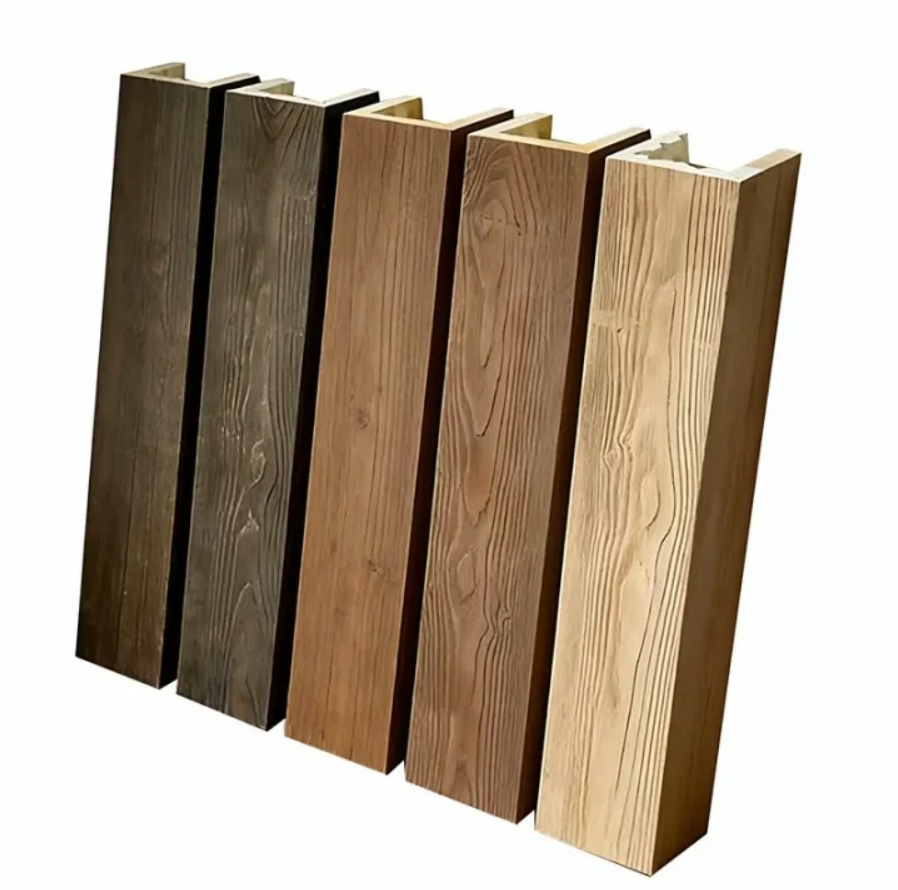
Minimalist beam designs feature smooth surfaces with subtle wood grain texture. These treatments provide visual interest through restraint rather than abundance, introducing natural character through suggestion rather than statement. The approach works particularly well in contemporary spaces with extensive white or neutral surfaces where heavier rustic treatments would compete for attention.
Geometric precision distinguishes modern beam installations from traditional applications. Joints align with architectural precision, spacing maintains consistent intervals, and beam profiles exhibit machine-produced regularity. This exactness creates calm visual environments that complement rather than contradict the geometric order modern design often pursues.
Monochromatic finishes extend clean-line principles to color. While natural wood tones remain available, modern applications frequently specify beams in colors that match or complement ceiling surfaces. This color integration emphasizes form and proportion while de-emphasizing material character. The resulting installations read as architectural elements rather than material statements.
Space-Defining Strategies for Open Plans
Open floor plans divide functionally without physical walls, using ceiling elements to suggest zone boundaries and guide movement patterns. Simulated timber beams provide this spatial guidance through overhead definition that maintains the visual continuity open plans require. Zone-defining beam arrangements create distinct areas within undivided space.
Dining areas benefit from beam treatments that establish eating zones within larger living spaces. A beam positioned above the dining table defines this function without enclosing it, maintaining visual connection to surrounding areas while providing gravitational focus that draws diners together. This architectural solution works better than rugs or furniture arrangements that cannot address the overhead emptiness open plans create.
Kitchen zones within open layouts gain definition through ceiling beam treatment above islands or cooktop areas. The beam provides visual anchor for food preparation activities while introducing warmth that balances stainless steel appliances and hard surface countertops. This integration creates kitchen identity within spaces that might otherwise feel like furniture arrangements rather than architectural zones.
Material Coordination in Contemporary Contexts
Glass and steel surfaces common in modern interiors respond well to wood beam contrast. The warmth of timber grain softens industrial materials without overwhelming their essential character. This balance produces interiors that feel sophisticated without becoming cold or unwelcoming. The combination has proven so effective that it appears consistently across contemporary residential and commercial design.
Concrete ceilings and floors gain organic counterpoint through beam installation. Polished concrete provides sleek, modern surfaces that benefit from natural texture introduction. Timber beams on concrete ceilings create visual warmth that improves livability while respecting the honest material expression that concrete architecture typically values.
White surfaces throughout modern interiors create blank canvases that beams enhance effectively. The contrast between white ceilings and timber beams produces dramatic visual impact with minimal material complexity. This simplicity aligns with modern design philosophy that achieves complexity through arrangement rather than material accumulation.

Profile Selection for Contemporary Applications
Rectangular cross-sections with minimal complexity suit modern applications most effectively. Simple profiles with clean edges read better in contemporary contexts than ornate moldings or complex profiles. The essential timber character comes through grain and color rather than architectural profile detail.
Scale should match contemporary expectations for substantial elements. Modest beams that might satisfy traditional interiors appear trivial in spaces with ten-foot ceilings. Contemporary applications often specify larger beams than traditional installations would suggest, with visual mass appropriate to generous interior volumes.
Finish selection ranges from natural wood tones to painted surfaces that integrate with surrounding materials. The most dramatic contemporary installations often feature beams finished to match ceiling colors, emphasizing architectural form while minimizing material statement. This approach works best when design quality within the beams themselves rewards close attention.
Integration With Lighting Design
Recessed lighting placement within beam installations provides clean illumination without visible fixture clutter. Fixtures positioned between beams maintain ceiling surface continuity while achieving lighting goals. This integration proves particularly valuable in contemporary interiors where visible fixtures might compromise the serene aesthetic designers pursue.
Linear LED systems concealed within beam profiles create ambient illumination that highlights architectural forms. These systems wash beam surfaces with soft light that emphasizes texture while providing general room lighting. The effect proves particularly dramatic in evening hours when natural light diminishes and artificial illumination establishes room character.
Track lighting mounted to beam surfaces serves task and accent requirements without ceiling surface modification. This approach maintains ceiling integrity while providing the flexibility that track systems offer. Beam attachment provides convenient mounting that simplifies installation while adding to the overall visual composition.
Color Strategy for Modern Applications
Neutral beam finishes that match or complement ceiling colors create unified architectural planes. This approach de-emphasizes beam presence while allowing other room elements to command attention. The strategy works particularly well when beams serve space-defining rather than decorative purposes.
Natural wood tones in contemporary applications provide warmth that white or gray palettes lack. The organic color variation inherent in wood grain introduces life into potentially sterile environments. This warmth introduction often represents the primary design rationale for beam installation in minimalist spaces.
Bold color accents occasionally appear in contemporary applications seeking dramatic effect. Deep brown, almost black beams against white ceilings create graphic contrast that emphasizes architectural intervention. These statement applications work best in spaces where such drama complements rather than overwhelms overall design intentions.
Acoustic Considerations
Modern construction techniques often produce reflective surfaces that generate acoustic challenges. Hard floor finishes, smooth walls, and expansive glass areas create reverberation that complicates conversation and audio listening. Beam installations help address these issues by introducing varied surface geometry that breaks up problematic reflection patterns.
Hollow polyurethane beams provide acoustic absorption that solid timber cannot match. This mass-air-mass construction naturally dampens sound transmission, improving acoustic comfort while maintaining visual appearance. Spaces with beam installations often feel noticeably quieter than similar spaces without overhead treatment.
Fabric-wrapped acoustic panels concealed within beam arrangements address more challenging acoustic requirements. This integration maintains clean architectural appearance while achieving acoustic performance that exposed treatment would compromise. Home theaters, music rooms, and multi-purpose entertainment spaces benefit particularly from this integrated approach.
Maintaining Modern Aesthetic Integrity
Successful contemporary beam applications respect rather than contradict surrounding design. Beam selection should align with overall design language rather than introducing contradictory elements. Rustic distress, traditional moldings, and obviously aged surfaces may undermine the refined aesthetic modern interiors pursue.
Installation precision matters more in contemporary applications than in traditional settings. Clean lines and exact spacing that might go unnoticed in rustic installations become obvious in modern contexts. Premium installation quality ensures that contemporary intentions translate into satisfying visual results.
Ongoing maintenance should preserve the clean appearance contemporary design requires. Dust, marks, and damage that might seem minor in rustic settings become significant in refined environments. Quality materials and careful handling maintain appearance that justifies the investment contemporary beam installations represent.
Professional Design Consultation
Complex modern applications often benefit from professional design guidance. The subtleties that distinguish successful contemporary installations from disappointing ones may not be obvious to untrained observation. Design professionals bring experience that helps navigate these nuances toward satisfying outcomes.
Coordination with other design elements requires attention that DIY approaches may overlook. Furniture selections, lighting design, and material palettes all interact with beam installations in ways that benefit from systematic consideration. This coordination produces cohesive results that arbitrary selections cannot match.
Implementation quality ultimately determines whether design intentions translate into satisfying reality. Professional installation ensures that specification quality receives execution quality that matches it. The investment in professional guidance pays returns through results that reward the attention design deserves.
Technical References
ASTM standards cited in every specification
Test Data
Lab results from internal testing program
Updated 2026
Reviewed against current product specs


