
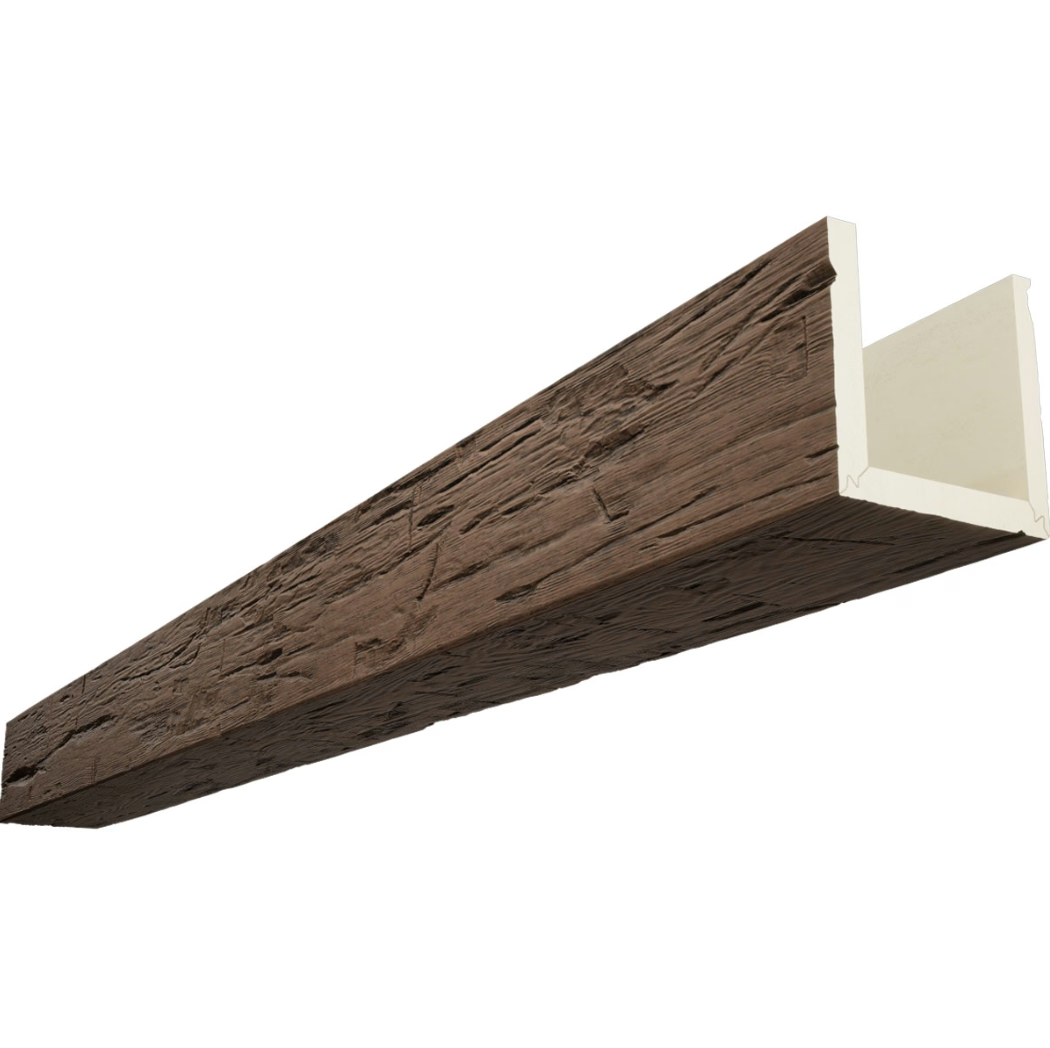
Interior design trends arrive and depart with remarkable speed in the contemporary information environment. Styles that seemed essential a decade ago now appear dated, while forgotten approaches resurface with fresh relevance. Homeowners investing in permanent improvements face the challenge of creating spaces that feel current without quickly becoming obsolete. Timber look decorative beams address this challenge through design principles rooted in enduring human preferences rather than temporary fashion.
The Psychology of Timeless Design
Natural materials have maintained human appeal throughout recorded history, a preference that likely predates civilization itself. Wood surfaces trigger responses shaped by millennia of human evolution in natural environments. This deep-seated attraction makes timber aesthetics inherently timeless in ways that synthetic materials cannot replicate, regardless of how convincingly they simulate natural surfaces.
Simplicity contributes to longevity in interior design. Spaces decorated with basic, well-proportioned elements weather stylistic changes more gracefully than those following complex trend prescriptions. Beams that provide warm character through straightforward timber appearance avoid the stylistic specificity that dates quickly. Their contribution remains valuable even as surrounding furnishings evolve with fashion.
Quality construction signals permanence that trend-driven decoration cannot match. Built-in elements like ceiling beams suggest investment in lasting quality rather than disposable decoration. This perception influences how spaces feel, with permanent installations creating environments that feel established and trustworthy compared to rooms decorated with easily changed accessories.
Beams That Support Enduring Interiors
Traditional beam profiles draw from architectural history spanning centuries. These established forms carry cultural associations with stability, craftsmanship, and residential comfort that newer design approaches cannot claim. Selecting beams modeled on historically proven profiles provides connection to design traditions that remain relevant regardless of contemporary trend cycles.
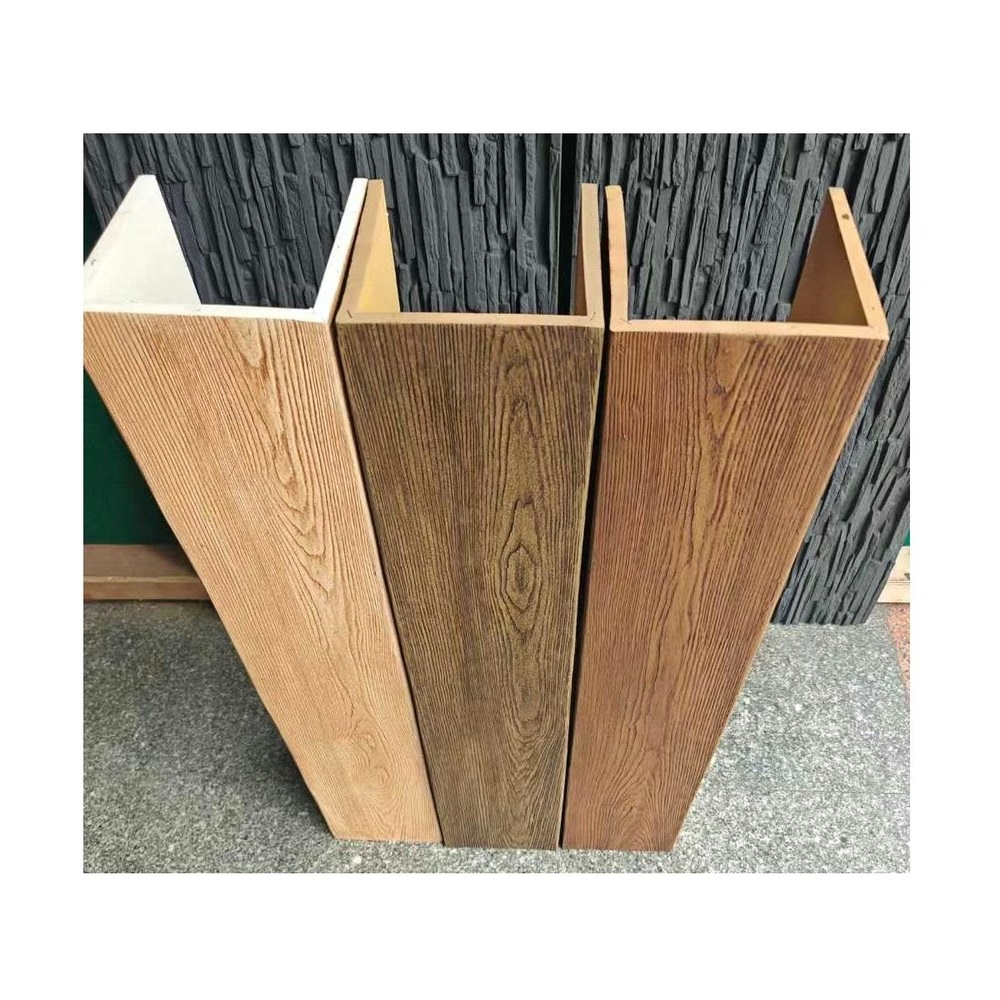
Natural wood tones in warm color ranges avoid the extremes that quickly appear dated. Pale washed finishes and dramatic dark stains both date quickly as fashion shifts. Mid-range honey and amber tones maintain relevance across color trend evolution, providing warmth that fashion changes cannot diminish. This color stability makes warm natural tones the safest choice for permanent installations.
Quality finishing contributes to timelessness through sustained appearance. Beams that maintain their character over years and decades support the established quality that timeless interiors project. Products that yellow, fade, or deteriorate quickly undermine the permanence that permanent installations should establish.
Coordinating Beams With Lasting Color Schemes
Neutral wall colors provide backdrops that accommodate beam installation without creating trendy combinations. Warm whites, greige tones, and light grays establish environments where timber beams feel appropriate without committing to specific color fashion. These versatile backgrounds support beam warmth while remaining flexible enough to accommodate furniture and accessory changes.
Floor color relationships deserve consideration during beam specification. Floors represent substantial investments that homeowners expect to maintain for decades. Beam selection should complement rather than compete with floor finishes, ensuring that neither element appears dated when paired with the other. Harmonious relationships between beams and floors create unified environments that age gracefully.
Window treatment coordination completes timeless room compositions. Treatment colors should neither clash with beam warmth nor compete for attention with timber elements. Neutral fabrics in complementary tones allow beam character to establish room personality while maintaining flexibility for future changes.
Traditional Room Applications
Formal living rooms benefit from beam installations that establish traditional character. The grandeur that these spaces traditionally project requires architectural features that match their purpose. Timber beams introduce warmth and scale appropriate to formal entertaining while maintaining the dignity these rooms should project.
Dining rooms gain lasting character through beam treatment that elevates everyday meals into occasions. The ritual of gathering for dinner deserves spatial treatment that acknowledges its importance. Beams overhead create canopy-like enclosure that makes dining feel intentional rather than merely functional.
Library and study rooms align naturally with timber aesthetic that supports focused intellectual activity. The warmth timber provides creates environments conducive to concentration and contemplation. Beams overhead complete architectural compositions that these serious spaces deserve.
Balancing Classic and Contemporary Elements
Mixing traditional beams with contemporary furniture creates rooms that feel current yet rooted. This combination acknowledges design history while avoiding slavish adherence to period authenticity. The tension between classic architecture and modern furnishings generates visual interest that neither approach alone achieves.
Scale relationships matter when combining traditional and contemporary elements. Large traditional beams provide counterpoint to sleek contemporary furniture, while modest beams may disappear against substantial modern pieces. Achieving balance requires attention to how elements relate rather than focusing on individual component selection.
Material mixing extends beyond architectural and furniture coordination. Contemporary glass, metal, and synthetic surfaces gain warmth when adjacent to traditional timber beams. This material diversity prevents单调 that single-material environments might produce while maintaining design coherence through timber's grounding presence.
Maintenance for Long-Term Appearance
Protecting beam appearance ensures continued contribution to timeless room aesthetics. Regular dusting removes accumulated material that dulls finish luster. Occasional cleaning with appropriate products maintains appearance that casual maintenance cannot sustain. This modest investment preserves substantial aesthetic returns.
Inspection for damage or deterioration catches issues before they compromise appearance. UV exposure, moisture contact, and physical impact can affect beam surfaces over time. Addressing problems promptly prevents escalation that might require replacement rather than repair. Early intervention maintains appearance that justifies installation investment.
Finish refreshment becomes necessary eventually even in quality installations. Fading, wear patterns, or style evolution may prompt repainting or refinishing that updates appearance while maintaining architectural integrity. This flexibility allows beams to evolve with design preferences without requiring replacement.
Investment Value Considerations
Timber look beams contribute to property value through aesthetic enhancement and perceived quality. Homes featuring architectural detail command premium prices compared to featureless alternatives. This value contribution makes beam installation an investment that partially pays for itself through enhanced resale outcomes.
The durability of quality installations ensures that value contribution persists throughout ownership. Unlike trend-driven decorations that require periodic replacement, permanent beam installations continue providing aesthetic value year after year. This sustained contribution differentiates beam investment from consumable decoration spending.
Design flexibility maintained through timeless approach proves valuable as family needs evolve. Spaces designed with lasting principles accommodate changing requirements more gracefully than trend-specific treatments. Beams that remain relevant across design evolution support family life transitions without requiring renovation investment.
Avoiding Design Mistakes That Date Quickly
Trend saturation occurs when popular styles become so common that they feel clichéd rather than fresh. Beams specified in currently popular profiles may appear dated as the next trend emerges. Selecting established profiles that have proven enduring rather than currently fashionable options reduces this risk.
Over-commitment to single trends creates environments that feel frozen in specific moments. Rooms decorated to match specific style periods become historical artifacts rather than living spaces. Timeless approach involves restraint that allows future adaptation without requiring complete redecoration.
Quality over trendiness serves long-term satisfaction better than fashion-driven selection. Products selected for enduring appeal rather than current popularity maintain relevance longer. This patient approach requires resisting marketing pressure that promotes trend-following while promising lasting satisfaction.
Professional Guidance for Lasting Results
Design professionals bring perspective that helps distinguish lasting choices from temporary trends. Their experience across multiple projects and design cycles provides insight that homeowners making single decisions cannot access. This guidance helps navigate options toward selections that serve well across time.
Architectural coordination ensures that beam installations integrate properly with existing structure and design. Professional assessment identifies concerns that might not occur to homeowners, preventing problems that could compromise installation success or longevity. This expertise investment protects larger beam installation investments.
Execution quality ultimately determines whether specification quality translates into satisfying results. Professional installation ensures that design intentions receive technical execution that matches them. The investment in professional installation protects design investment that would otherwise be compromised by amateur execution.
Technical References
ASTM standards cited in every specification
Test Data
Lab results from internal testing program
Updated 2026
Reviewed against current product specs


