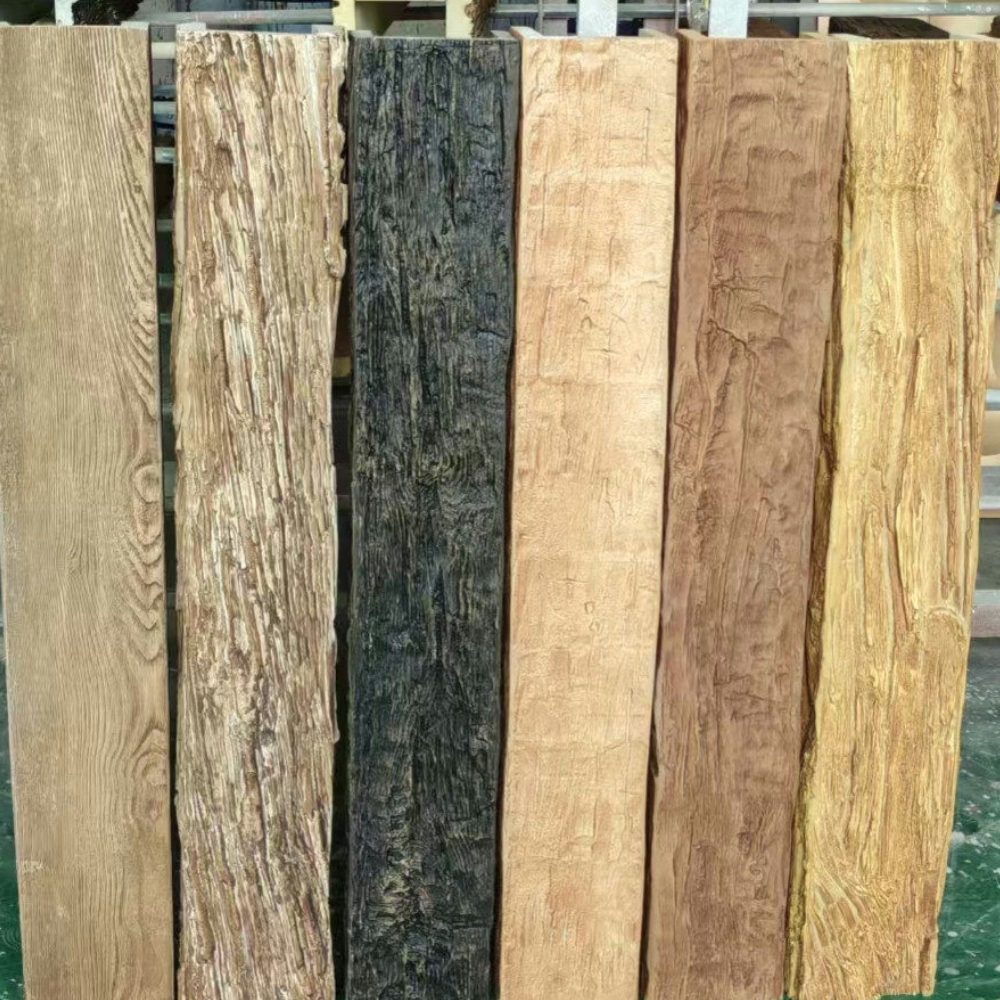
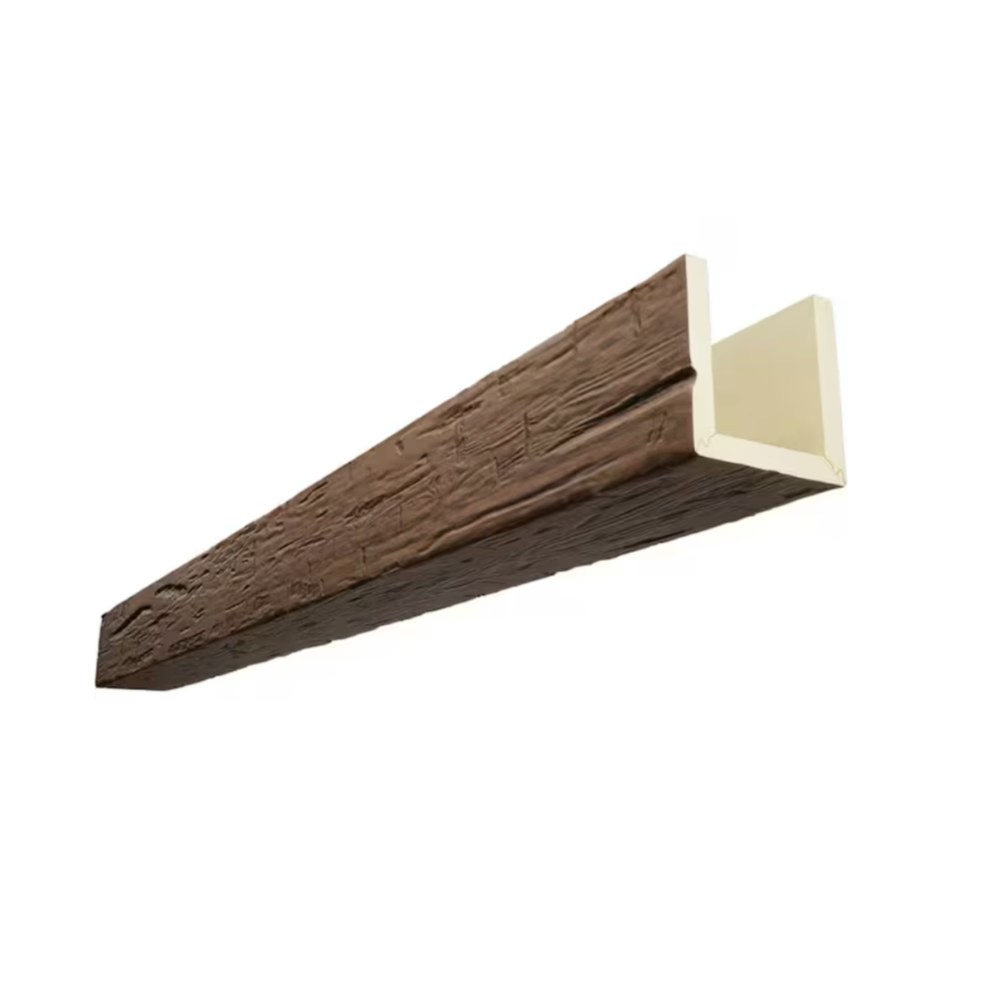
There's something undeniably special about walking into a beach house that feels both sophisticated and effortlessly relaxed. The salt-tinged breeze, the soft natural light streaming through oversized windows, the seamless flow between indoor and outdoor spaces. These are the elements that make coastal living so appealing, and they're what designers work so hard to capture when decorating seaside properties.
Light coastal style faux wood beams have emerged as one of the most effective ways to achieve that coveted beach house aesthetic. Unlike their traditional timber counterparts, these polyurethane beams deliver the warm, organic beauty of natural wood while offering remarkable resilience against the unique challenges of coastal environments.

Understanding the Coastal Design Aesthetic
Coastal design is often misunderstood as merely a collection of nautical motifs and navy-and-white color schemes. True coastal style goes far deeper, embracing the fundamental qualities that make beach living distinctive: an abundance of natural light, a connection to the surrounding landscape, and an overall sense of spaciousness and calm.
The color palette in authentic coastal interiors draws directly from the environment itself. Think of sun-bleached driftwood, the pale sand of a quiet beach at low tide, weathered sea shells, and the soft grey-green of coastal vegetation. Light wood tones fit naturally into this spectrum, providing warmth without overwhelming the bright, airy atmosphere that defines successful beach house design.
Faux wood beams in light coastal finishes serve multiple purposes in this context. They add architectural interest to what might otherwise be flat, unremarkable ceilings. They introduce natural texture that prevents the sterile feeling that can result from too much white paint and smooth surfaces. And they do so in a way that feels genuinely connected to the coastal environment rather than artificially imposed upon it.
The scale of beams in coastal spaces often differs from what you'd see in mountain lodges or traditional farmhouses. Coastal architecture tends toward openness and volume, so beams that might feel appropriately substantial in a cozy mountain cabin could overwhelm a beach house with twelve-foot ceilings and expansive glass walls. Light coastal style beams address this by maintaining visual warmth while allowing the architectural bones of the space to breathe.
Why Polyurethane Faux Beams Excel in Beach Environments
Beach houses face environmental challenges that would quickly compromise natural wood and many composite alternatives. Salt air penetrates almost everything over time, and the high humidity typical of coastal regions creates conditions that encourage warping, rotting, and deterioration in organic materials. The intense UV exposure from all those sunny days accelerates fading and degradation. Add in the occasional sand drift and the general salt spray that comes with ocean proximity, and you've got an environment that's genuinely hostile to traditional building materials.
Polyurethane faux wood beams are engineered to withstand exactly these conditions. The closed-cell structure of high-quality PU means that moisture cannot penetrate the material, eliminating the swelling, warping, and rot that plague natural wood in humid environments. Salt air has no mechanism to attack the material, and UV-resistant coatings prevent the fading that would quickly diminish the appearance of natural wood beams exposed to constant sunshine.
For homeowners and designers, this durability translates into genuine peace of mind. You can install light coastal faux wood beams in a beach house bathroom, near a pool area, or in any space where humidity and salt exposure are concerns, knowing that the beams will maintain their appearance for years with minimal maintenance. A quick occasional cleaning is all that's required, compared to the regular sealing, staining, and potential replacement that natural wood demands in these environments.
The lightweight nature of PU beams also simplifies installation in beach houses, many of which feature vaulted or cathedral ceilings that would make handling heavy timber beams a logistical challenge. A single installer can often manage beams that would require multiple people or mechanical equipment if they were solid wood, making the installation process faster, safer, and more cost-effective.
Design Applications Throughout the Beach House
A beach house isn't just a single room to decorate—it's typically a series of interconnected spaces, each with its own character and function. Light coastal faux wood beams offer design flexibility that allows them to enhance virtually every area of the home while maintaining visual coherence.
In the main living area, exposed beam ceilings create a natural focal point that draws the eye upward and emphasizes the volume and openness that beach architecture typically emphasizes. The beams can run perpendicular to the ridge line in vaulted spaces, or span the width of the room in spaces with flat or shed ceilings. Either approach adds architectural interest without competing with the views or the casual furnishings that characterize comfortable beach house living.
Kitchens in beach houses often benefit from the warmth that light wood beams provide. These spaces can feel clinical when filled only with white cabinets and stainless appliances, but the addition of warm-toned beams overhead creates visual grounding and prevents the kitchen from feeling disconnected from the rest of the home's relaxed aesthetic. Beams above kitchen islands or peninsulas can also define these work zones within open floor plans, providing subtle spatial separation without walls or other divisive elements.
Bedrooms in beach houses should feel like serene retreats, places to escape the sun and recover from a day at the beach. Light coastal faux wood beams contribute to this atmosphere by adding organic warmth without darkness or heaviness. The beams can be left natural in their light finish, or they can be combined with soft, gauzy fabrics and white linens to create a fresh, clean sleeping environment.
Outdoor living spaces deserve attention in beach house design, and this is another area where faux wood beams prove invaluable. Covered porches, outdoor kitchens, and poolside pavilions all benefit from the warmth that beams provide, but natural wood in these exposed locations would deteriorate rapidly. PU beams withstand the elements while maintaining their appearance, allowing designers to extend the warm, coastal aesthetic to spaces that would otherwise require different materials.
Selecting the Right Beam Style for Your Coastal Space
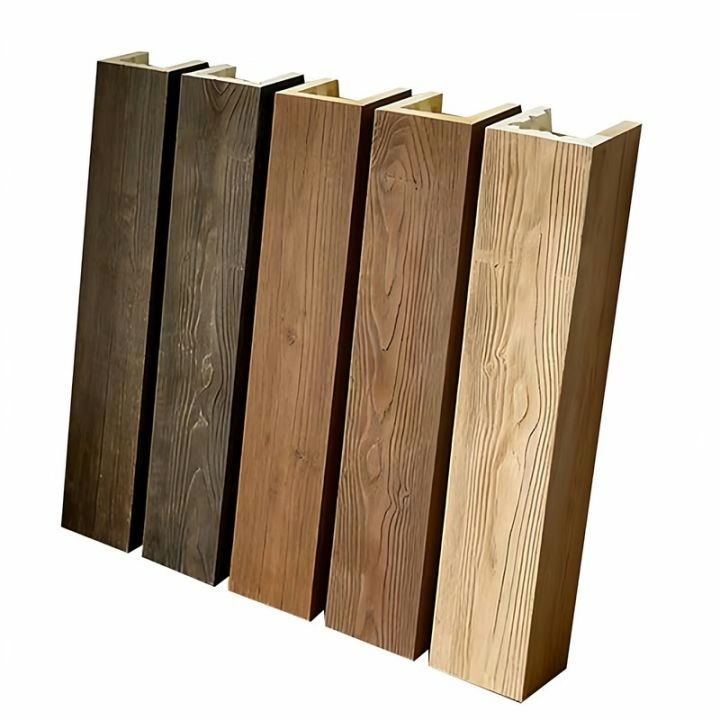
Not all light coastal beams are created equal, and selecting the right style for your specific space requires attention to several factors. The grain pattern and color of the beam finish should complement rather than compete with your overall design scheme. Some designers prefer beams with prominent grain patterns that read clearly from a distance, while others favor more subtle textures that contribute warmth without becoming a dominant visual element.
Beam proportions matter significantly in coastal contexts. Lighter, thinner beams often work better in spaces with contemporary coastal architecture, while more substantial beams with deeper profiles may be appropriate for beach houses with more traditional or transitional styling. The key is achieving visual balance with the room's other elements—furniture scale, window proportions, and ceiling height all influence what beam dimensions will feel most appropriate.
Consider too the overall composition of your ceiling treatment. Single beams running across a ceiling create a different effect than crossed beams forming a grid pattern. Some installations feature beams that extend beyond the wall line, creating an exposed end effect that adds authenticity. Others wrap beams around corners to create the impression that they're supporting the structure. Each approach has its merits, and the right choice depends on your architectural context and aesthetic preferences.
The finish on your light coastal beams should be evaluated in actual lighting conditions whenever possible. What looks perfect in a catalog photo may appear different under the specific light conditions in your beach house. Natural daylight, which varies throughout the day and across seasons, interacts with the beam finish differently than artificial lighting. Request samples and observe them in your space before committing to a specific product.
Installation Considerations for Coastal Applications
While professional installation is always recommended for structural elements, decorative faux wood beams offer flexibility that allows for various installation approaches depending on your project scope and budget. Understanding these options helps you plan effectively and communicate with contractors or installers.
For vaulted ceilings common in beach houses, beams are typically installed following the roof rafters or joists. This alignment creates an authentic appearance while simplifying the installation process. In spaces with flat ceilings, beams can be installed perpendicular to the ceiling joists, perpendicular to exposed structure, or in decorative patterns that don't necessarily align with the underlying structure.
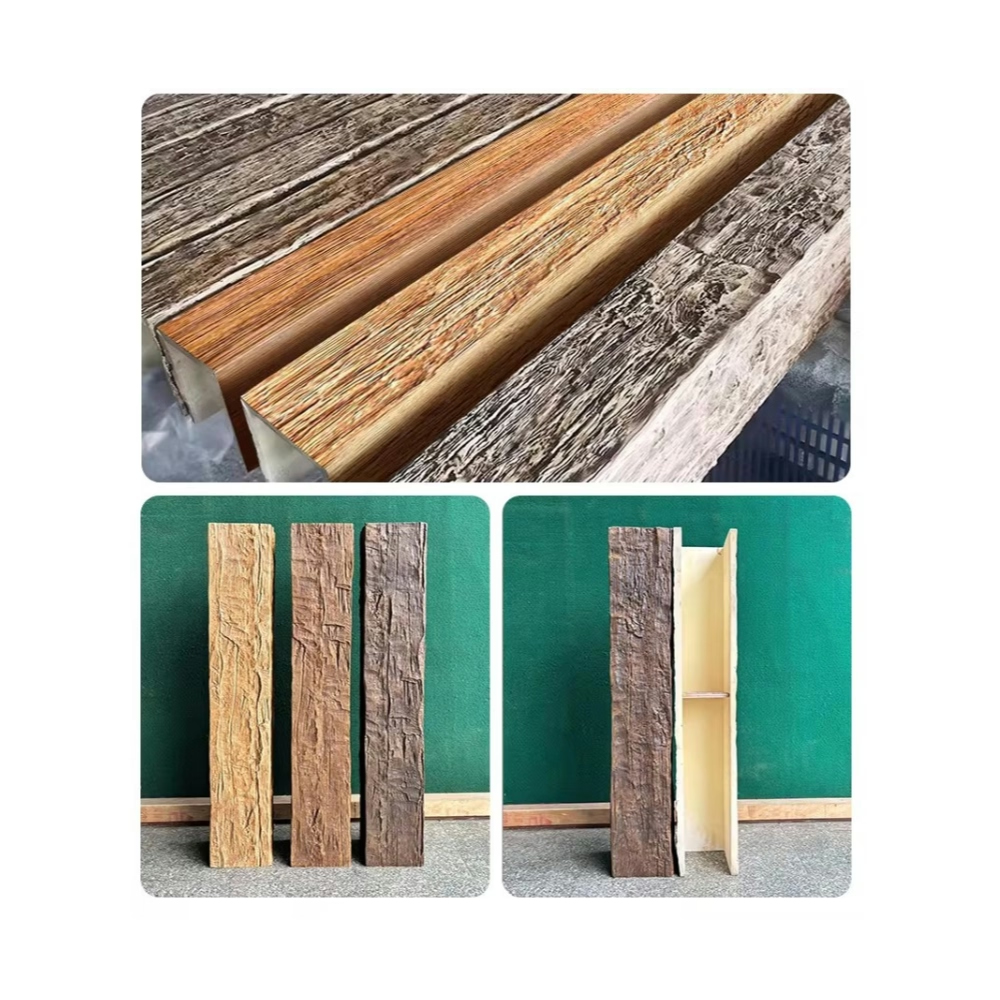
The hollow construction of many faux wood beams offers practical advantages beyond weight reduction. This hollow core allows beams to be installed over existing wiring, plumbing, or HVAC components without the structural complications that solid beams would present. For beach houses with exposed mechanical systems—a common feature in coastal architecture—faux beams can conceal these functional elements while adding visual interest.
Mounting systems for faux wood beams typically involve cleats, brackets, or adhesive applications depending on the beam weight and ceiling structure. Quality manufacturers provide detailed installation guidelines, and these should be followed carefully to ensure secure, long-lasting results. Even decorative beams can pose safety risks if they fall, so proper installation is essential.
Maintaining Your Coastal Beam Installation
One of the significant advantages of polyurethane faux wood beams in beach environments is their minimal maintenance requirements. Unlike natural wood, which may require regular sealing, staining, or refinishing to maintain its appearance and structural integrity, quality PU beams need only occasional cleaning to look their best.
In coastal settings, this cleaning typically involves removing salt deposits, sand dust, and any organic materials that may accumulate over time. A soft brush or cloth combined with mild soap and water is usually sufficient for routine cleaning. Pressure washing should be avoided, as the high-pressure water can damage the beam surface or force water into seams and joints where it could cause problems.
Periodic inspection of the installation is recommended, particularly after major storms or periods of extreme weather. While the beams themselves are highly durable, the mounting hardware and any sealants used during installation may require attention over time. Catching and addressing any issues early prevents more significant problems from developing.
For beams installed in covered outdoor spaces, the maintenance routine is similar but may need to be more frequent depending on exposure. Poolside installations, in particular, may accumulate more frequent deposits from splash-out and airborne moisture. Establishing a regular cleaning schedule based on your specific environment helps maintain the beams' appearance year after year.
Bringing Your Coastal Vision to Life
Light coastal style faux wood beams represent a thoughtful intersection of aesthetic appeal and practical performance. They offer beach house designers and homeowners a way to achieve the warm, natural character of timber without accepting the maintenance burden and environmental vulnerabilities that natural wood entails.
Whether you're designing a new coastal property from scratch or refreshing an existing beach house, these beams can serve as a foundational design element around which the rest of your interior scheme develops. Their warmth anchors bright, airy spaces without diminishing the openness that coastal architecture celebrates. Their texture adds visual interest without creating clutter. Their durability ensures that your investment maintains its value over time.
The best coastal interiors feel like natural extensions of their surroundings, bringing the beach environment inside while providing comfortable shelter from the elements. Light coastal faux wood beams contribute to this atmosphere in ways both obvious and subtle, creating spaces that invite relaxation and celebrate the simple pleasures of seaside living. Consider how they might transform your beach house, and take the first step toward creating the coastal retreat you've always imagined.
Technical References
ASTM standards cited in every specification
Test Data
Lab results from internal testing program
Updated 2026
Reviewed against current product specs