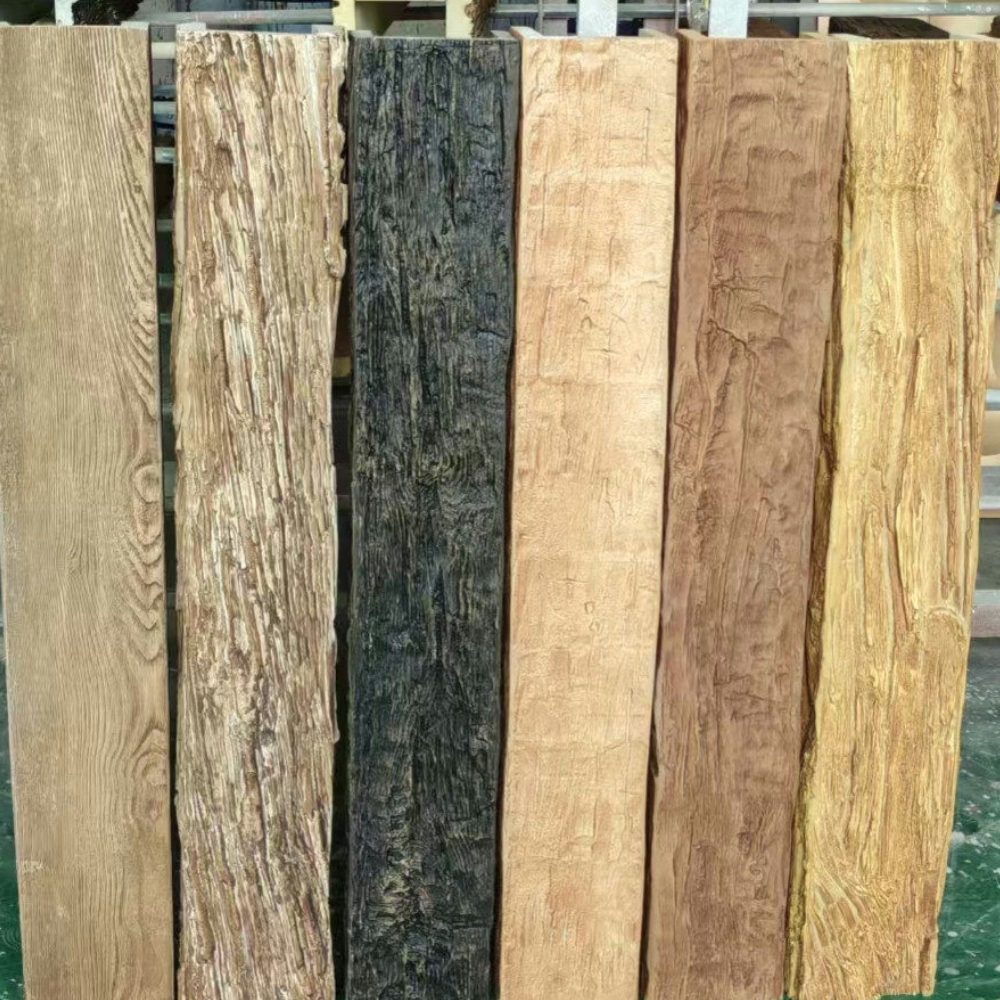
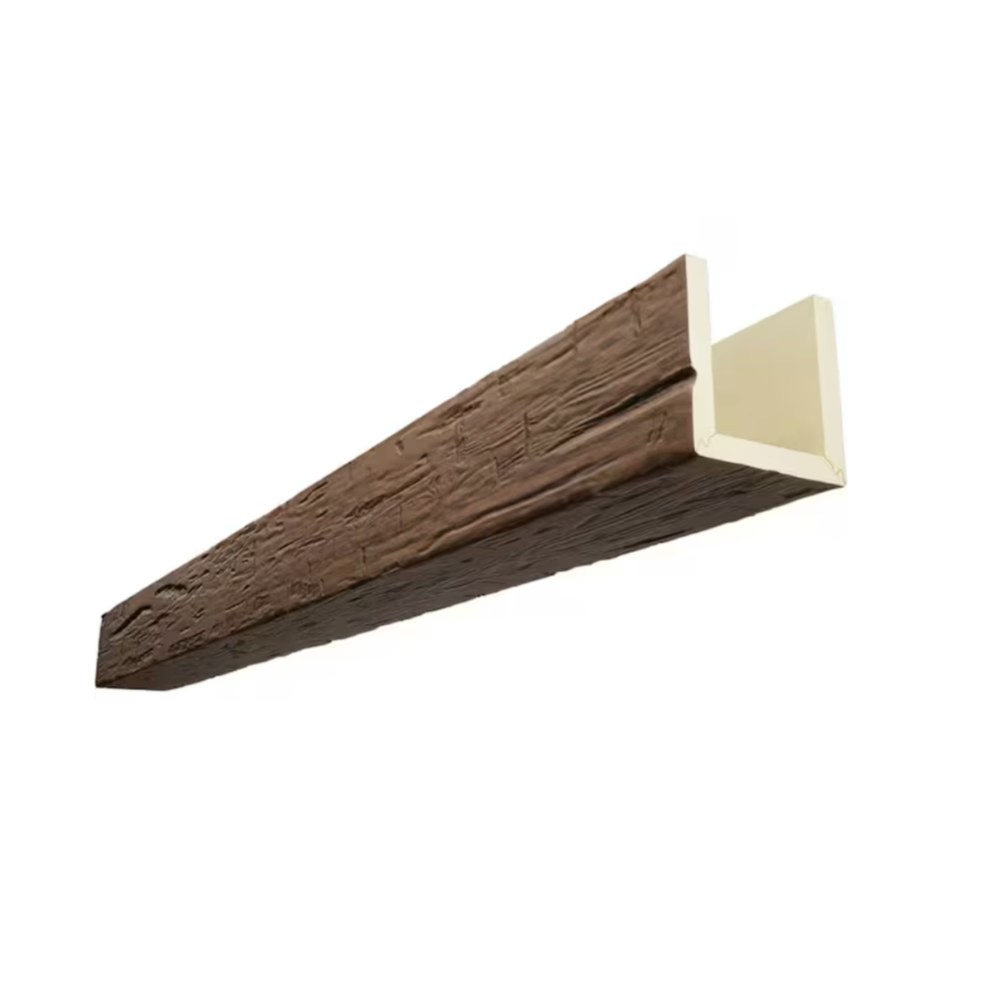
Minimalism in interior design has evolved far beyond empty rooms and bare walls. Today's minimalist spaces embrace warmth, texture, and livability while maintaining the clean aesthetic that makes contemporary interiors so appealing. The challenge lies in introducing these elements without compromising the visual clarity that defines the style. Light natural wood tone faux beams offer a sophisticated solution to this design equation.
The minimalist movement emerged partly as a reaction against visual clutter and excess. Early iterations often prioritized stark whites, geometric forms, and the absence of ornamentation. While these principles remain relevant, contemporary designers have recognized that truly livable spaces require organic touches—materials that engage the senses and create emotional resonance without introducing chaos or disorder.
Light natural wood tone beams occupy an ideal position in this evolved minimalist vocabulary. They provide visual warmth and natural texture while respecting the clean lines and restrained palette that minimalist design requires. Unlike darker wood tones that can feel heavy or rustic in contemporary settings, light natural finishes complement rather than compete with the bright, airy atmosphere that modern minimalism celebrates.

The Psychology of Warmth in Contemporary Spaces
Research in environmental psychology consistently demonstrates that natural materials affect human wellbeing in measurable ways. Wood, in particular, creates psychological associations with comfort, safety, and connection to nature that artificial materials cannot replicate. In contemporary interiors dominated by glass, steel, and synthetic surfaces, these natural associations become even more valuable as psychological counterweights.
Light natural wood tones amplify this effect while maintaining the visual lightness that minimalist spaces require. The warmth is present but subtle, creating a sense of welcome and comfort without overwhelming the spatial clarity that contemporary design values. Visitors to these spaces often describe feeling simultaneously energized by the bright, open environment and soothed by the organic warmth that the beams provide.
The grain patterns in natural wood tone beams also contribute to spatial perception. Subtle grain variations add visual interest at the ceiling level, drawing the eye upward and emphasizing the volume of contemporary spaces. This upward focus creates a sense of expansiveness that enhances the feeling of openness while the organic texture of the wood prevents the space from feeling cold or sterile.
Technical Advantages of Polyurethane in Minimalist Applications
Beyond aesthetics, polyurethane faux beams offer practical advantages that align perfectly with minimalist principles. The material's consistency and workability allow manufacturers to create beams with precise dimensions and uniform surfaces that complement contemporary architecture's emphasis on exactness and precision.
The lightweight nature of PU beams simplifies installation in ways that matter in modern construction. Contemporary homes often feature vaulted ceilings, exposed structure, and architectural details that would make handling heavy timber beams impractical or impossible. Polyurethane beams can be installed by single individuals in many cases, and the mounting systems can accommodate the various ceiling configurations that contemporary architecture presents.
Durability represents another significant advantage. Minimalist interiors, with their clean surfaces and visible details, leave little room for maintenance activities or repairs. A beam that requires regular sealing, staining, or other upkeep would quickly become a burden in these spaces. PU faux beams maintain their appearance indefinitely with only occasional cleaning, freeing homeowners from maintenance concerns while preserving the aesthetic they initially chose.
The material's resistance to moisture and humidity extends its potential applications within minimalist homes. Bathrooms, kitchens, and other spaces where moisture might concern natural wood or wood-composite alternatives can incorporate faux beams without concern. This flexibility allows designers to maintain visual consistency throughout a home rather than having to specify different materials for different rooms.
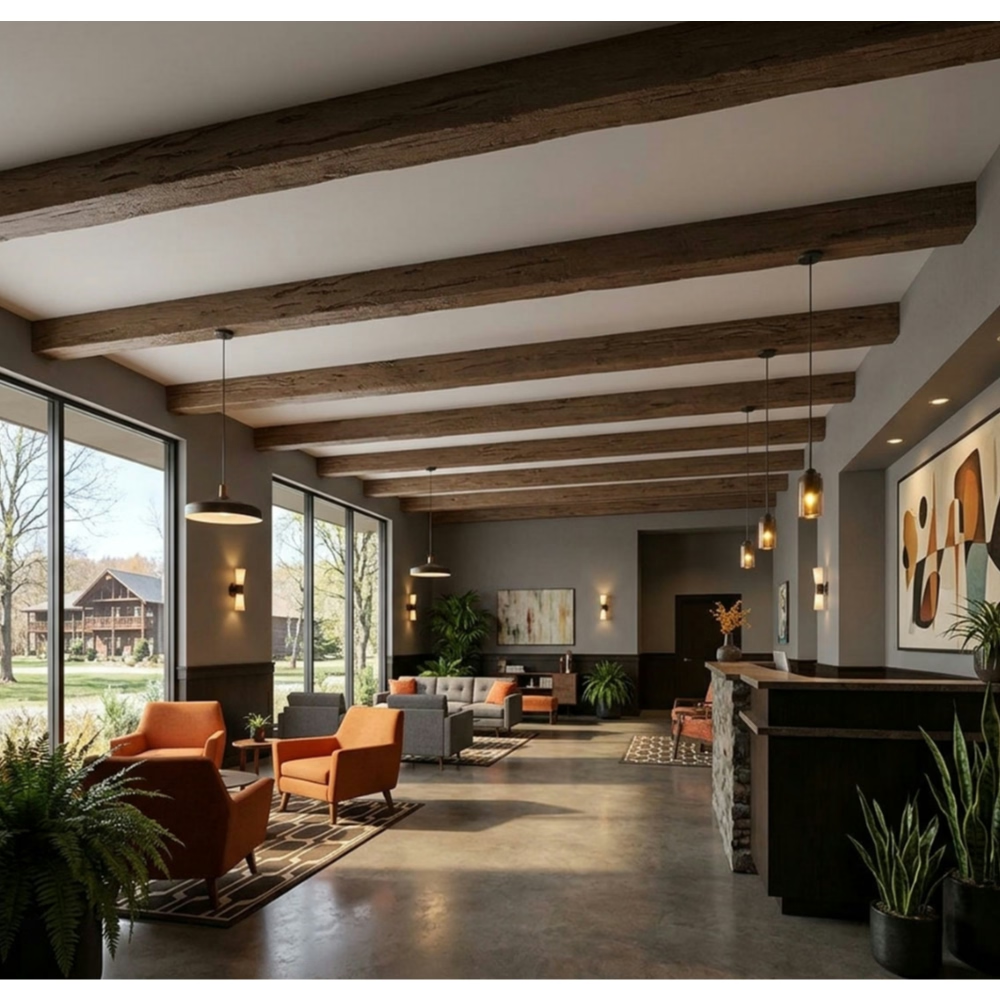
Integrating Light Wood Beams into Various Minimalist Styles
Not all minimalist interiors are created equal, and the specific style of minimalism in your home influences how light natural wood tone beams should be applied. Understanding these variations helps ensure that your beam installation enhances rather than disrupts your overall design scheme.
Japanese minimalist aesthetics, with their emphasis on natural materials, negative space, and quiet contemplation, respond particularly well to light wood beams. The beams can echo the wooden elements common in Japanese-influenced interiors while adding the ceiling detail that many Japanese spaces lack. Subtle beam profiles work better in these contexts than bold, heavy options, allowing the beams to contribute warmth without dominating the composition.
Scandinavian minimalism, which prioritizes functionality, simplicity, and the connection to nature, also embraces light wood materials readily. The beams can align with the pale woods typical of Scandinavian furniture and flooring, creating visual continuity throughout the space. Unlike the stark minimalism sometimes associated with other traditions, Scandinavian minimalism welcomes the warmth and texture that wood beams provide.
Contemporary minimalist architecture, with its emphasis on clean lines, geometric forms, and technological integration, may call for sleeker beam profiles. The beams can provide organic contrast to the otherwise precise and manufactured elements in these spaces, but the beam style should generally respect the contemporary aesthetic. Simpler profiles with clean edges and minimal detailing typically work better than more traditional beam styles in these contexts.
Industrial minimalism, blending minimalist principles with industrial materials and aesthetics, presents unique opportunities for light wood beams. The beams can soften industrial elements like exposed concrete, steel, and ductwork while maintaining the raw, honest character that industrial design values. The contrast between natural wood warmth and industrial coolness creates visual tension that can be quite compelling.
Practical Considerations for Beam Selection
Choosing the right light natural wood tone beams for your minimalist interior requires attention to several practical factors. The beam dimensions should relate appropriately to your ceiling height and room proportions—beams that are too thin may disappear visually, while beams that are too thick can overwhelm the space and disrupt the visual balance that minimalist design seeks.
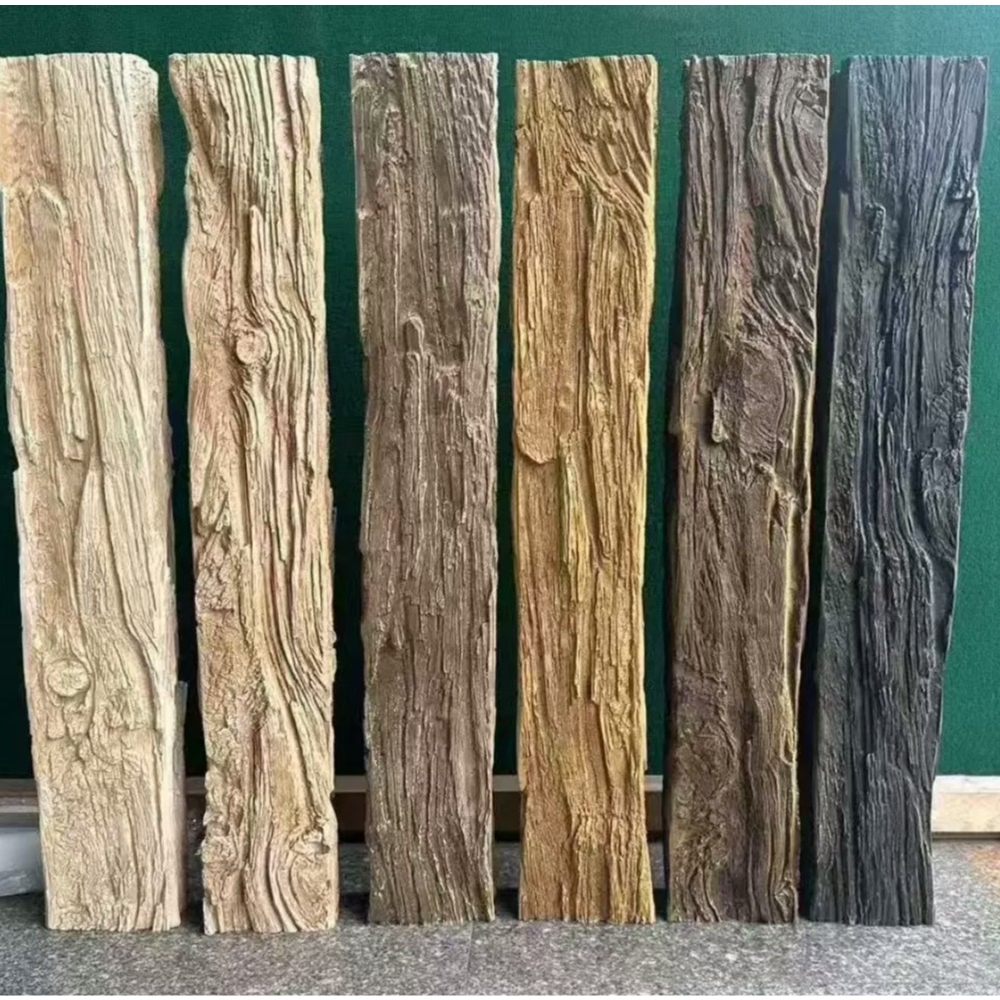
The specific wood tone matters more than some designers initially realize. Natural wood tones range from nearly white birch to warm honey oaks, and each point on this spectrum creates a different effect in the space. Cool-toned light woods complement spaces with blue-grey undertones, while warmer options pair better with cream or yellow undertones. Request samples and observe them in your actual space before making a final decision.
Beam texture also influences the overall effect. Some light wood tone beams feature prominent grain patterns that add visual interest but may feel too busy for some minimalist contexts. Others have subtler textures that contribute warmth without creating visual complexity. Consider the other textures present in your space—furniture, textiles, wall finishes—and choose beam textures that complement rather than compete with these elements.
The finish on your beams affects both appearance and maintenance requirements. Some finishes are more resistant to scratches and impacts than others, which matters in high-traffic areas or homes with children. Matte or satin finishes typically align better with minimalist aesthetics than high-gloss options, which can look out of place in contemporary settings.
Installation Approaches for Minimalist Spaces
The installation method for faux beams in minimalist spaces should be as clean and unobtrusive as possible. The goal is to create the appearance that beams belong naturally in the space, not that they've been added as an afterthought or decoration. Careful attention to installation details helps achieve this seamless integration.
In spaces with exposed ceiling structure, aligning beams with the existing structure creates logical connections that feel intentional rather than arbitrary. The beams appear to be part of the architectural system rather than decorative elements applied to the ceiling, which reinforces the honesty and authenticity that minimalist design values.
For flat ceilings, beams can be installed perpendicular to the ceiling plane, creating a floating effect that emphasizes their decorative nature. In these applications, the mounting system should be as invisible as possible, with no visible brackets or hardware that would clutter the clean aesthetic. Quality manufacturers typically offer installation systems designed for these invisible mounting requirements.
Cross-beam patterns work well in some minimalist spaces, particularly larger rooms where the ceiling needs additional visual interest. The geometric pattern created by crossing beams can echo other geometric elements in the space while adding warmth and texture that plain ceilings lack. These installations require careful planning to ensure the pattern relates appropriately to the room's proportions and other design elements.
Long-Term Value and Design Flexibility
Investing in quality light natural wood tone faux beams for your minimalist interior offers benefits that extend beyond initial appearance. The durability of polyurethane means that your beams will continue looking fresh and well-maintained for years, even in challenging environments or high-traffic areas.
The timeless quality of natural wood tones ensures that your beams won't feel dated as design trends evolve. While minimalist aesthetics may shift in their specific expressions, the fundamental appeal of organic warmth in contemporary spaces remains constant. Quality beams represent a long-term design investment rather than a trend-driven choice.
These beams also offer flexibility for future changes. If you later decide to modify your interior color scheme or shift from minimalist to another aesthetic, the beams can often adapt to the new context. Their neutral warmth makes them compatible with a range of design styles, reducing the pressure to make permanent decisions about your interior design.
Creating Balance in Contemporary Living
Light natural wood tone PU faux beams help solve one of the fundamental challenges in contemporary interior design: creating spaces that feel both sophisticated and genuinely livable. They add the warmth and texture that humans psychologically need while maintaining the visual clarity and openness that modern architecture provides.
The best minimalist interiors achieve a balance between these competing values, and beams can help strike this equilibrium in your home. They draw the eye upward, emphasizing volume and light. They add organic warmth that prevents contemporary spaces from feeling cold or sterile. They introduce natural texture that engages the senses without creating visual clutter.
Consider how light natural wood tone beams might transform your minimalist space, bringing balance and warmth to your contemporary interior without compromising the clean aesthetic you value.
Technical References
ASTM standards cited in every specification
Test Data
Lab results from internal testing program
Updated 2026
Reviewed against current product specs