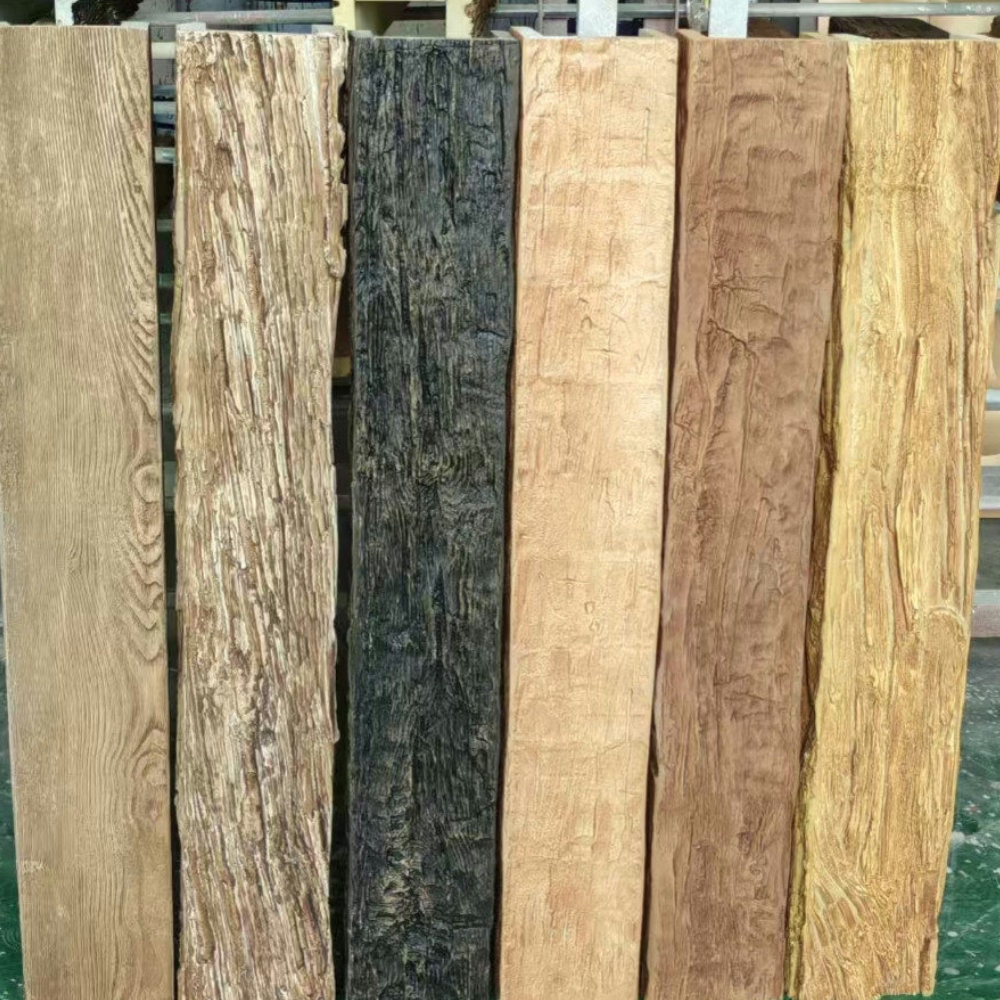
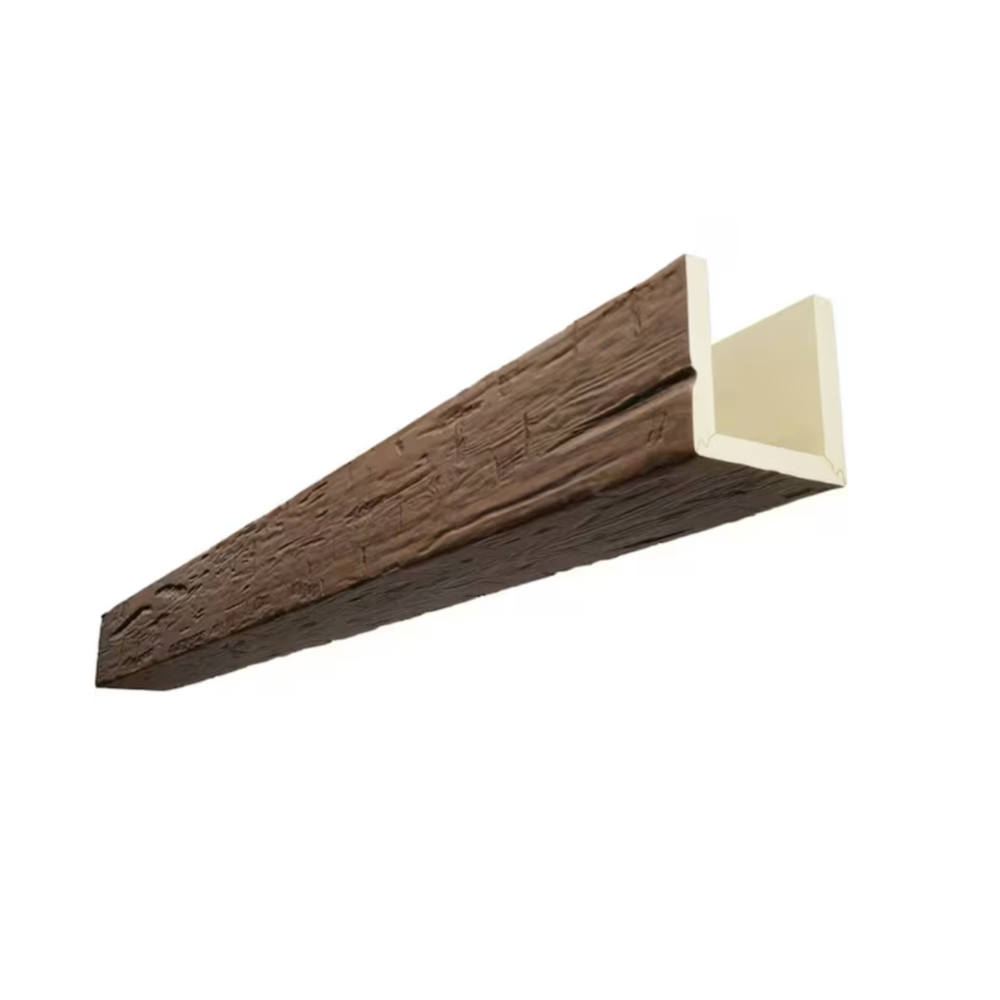
Interior design rarely follows rigid stylistic boundaries. Homeowners and designers increasingly blend elements from different traditions, creating spaces that feel both curated and deeply personal. When Scandinavian simplicity meets French country warmth, the result can be unexpectedly harmonious—a marriage of clean lines and rustic charm, of pale woods and soft florals, of functional minimalism and welcoming comfort. Light oak grain PU faux wood beams serve as ideal connective elements in these hybrid interiors, providing the organic warmth that both styles value while maintaining the visual lightness that contemporary interpretations of both traditions embrace.
The dialogue between Scandinavian and French country aesthetics isn't as unusual as it might first appear. Both traditions prioritize quality craftsmanship and natural materials, though they express these values differently. Scandinavian design tends toward restraint, functionality, and democratic access to good design. French country style celebrates artisanal character, layered history, and the romantic imperfections of rural living. Light oak grain beams speak to both vocabularies, offering the pale, clean wood tones that Scandinavians prefer while embracing the grain patterns and organic character that French country interiors treasure.
Understanding the Design Vocabulary of Each Style
Scandinavian design emerged in the early twentieth century as Nordic designers sought to create beautiful, functional objects and spaces accessible to everyone. The harsh northern climate shaped this evolution profoundly—long, dark winters demanded bright interiors, while limited natural resources encouraged efficiency and multi-purpose design. The characteristic pale woods, clean lines, and unpretentious beauty of Scandinavian interiors reflect these environmental and cultural realities.
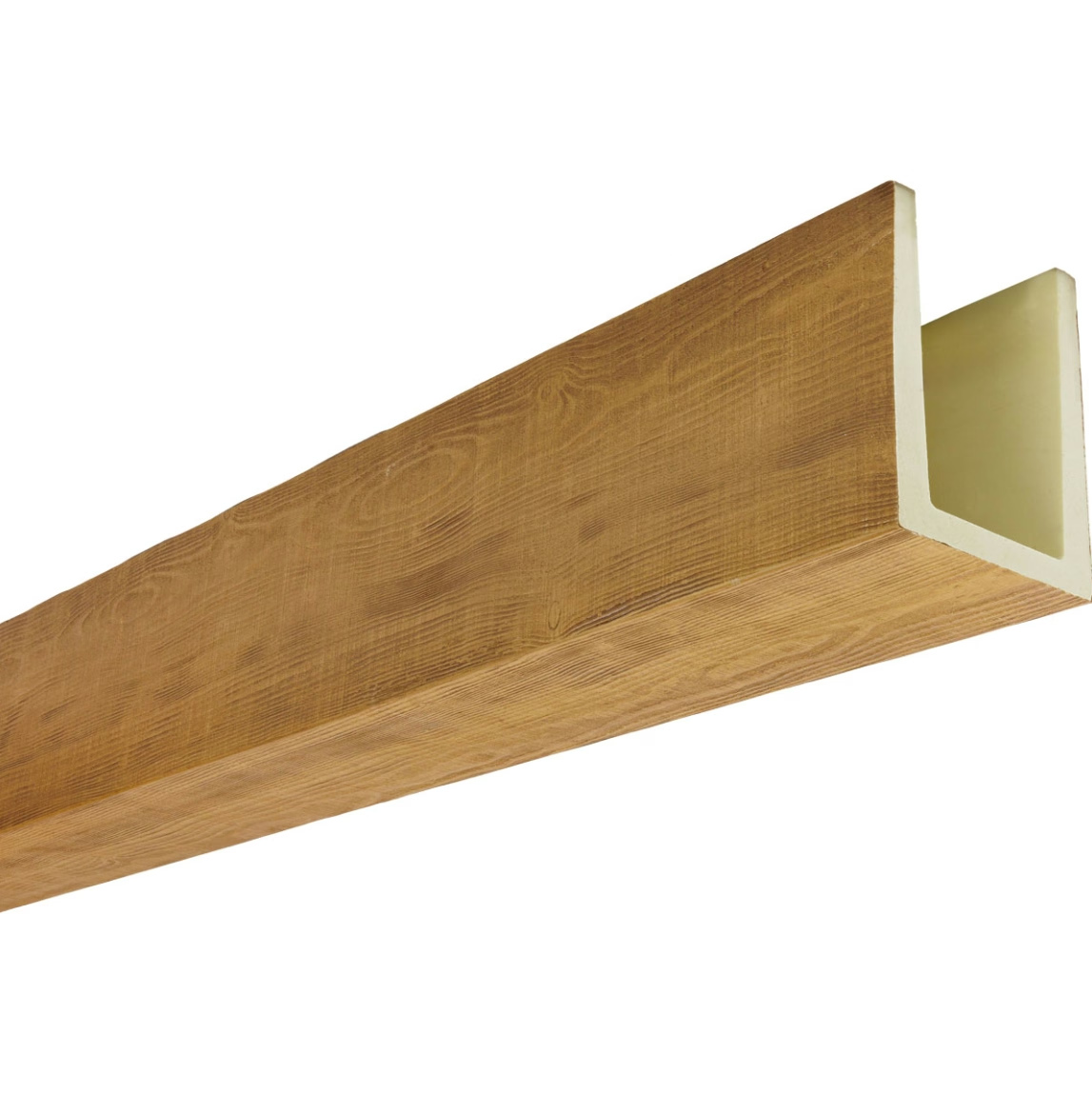
Light oak has become something of a signature material in contemporary Scandinavian interiors. Unlike the honey-toned woods that dominate American farmhouse aesthetics, Scandinavian pale oak presents a cooler, more neutral warmth that pairs beautifully with the whites, grays, and soft pastels typical of the style. The grain is present but refined, adding subtle visual interest without creating the rustic character that would feel out of place in more minimalist Scandinavian contexts.
French country design, by contrast, draws from centuries of rural French living. Farmhouses and village homes across different regions developed distinct characteristics—the heavy beams of Burgundy farmhouses, the painted furniture of Provence, the faded elegance of Normandy manoirs. What unites these regional variations is an embracing of imperfect beauty and the comfortable layering of different periods and materials. Wood beams in authentic French country homes were typically structural elements that accumulated character over generations of use.
Light oak grain beams in French country contexts must balance this heritage of rustic authenticity with the practical requirements of modern construction. The oak grain provides the visual authenticity that the style demands, but the polyurethane construction ensures consistent quality and easy maintenance that natural timber cannot offer.

Where These Styles Converge and Complement
Several key principles unite Scandinavian and French country aesthetics, creating the foundation for successful hybrid designs. Recognizing these commonalities helps homeowners and designers blend elements intentionally rather than accidentally.
Natural materials rank high in both traditions. Where Scandinavians might specify pale oak furniture and clean stone surfaces, French country designers embrace weathered limestone, aged terracotta, and reclaimed wood. Light oak grain beams speak to both preferences—they're made from natural materials (even when crafted from polyurethane) and present the wood grain that both styles value. The oak finish specifically bridges the cooler Scandinavian palette and the warmer tones often found in French country spaces.
Generous natural light matters in both traditions. Scandinavian interiors maximize whatever daylight northern winters provide through strategic window placement, light-reflecting surfaces, and minimal obstruction of light paths. French country homes, historically centered around agricultural life, oriented rooms to capture optimal natural light for working and living. Light oak beams complement these light-focused designs without dimming the brightness that both styles prioritize.
Functionality and livability underpin both aesthetics. Scandinavian design explicitly prioritizes practical beauty—every element should serve a purpose while looking good. French country style, though more ornamental in some expressions, ultimately values comfort and usability above theoretical elegance. Light oak grain beams contribute to both values: they're visually appealing while remaining practical, durable, and easy to maintain.
Selecting Light Oak Grain Beams for Hybrid Spaces
The specific characteristics of your light oak grain beams significantly influence how successfully they'll bridge Scandinavian and French country elements in your hybrid interior. Several selection criteria warrant careful attention.
Grain intensity represents a crucial variable. For more Scandinavian-leaning spaces, beams with subtle, refined grain patterns work best—they add organic character without introducing the rustic heaviness that authentic French country beams sometimes display. For French country-dominant interiors, more pronounced grain patterns can provide the artisanal authenticity that the style values. In truly balanced hybrid spaces, medium-intensity grain often works best, supporting both aesthetic vocabularies without privileging either.
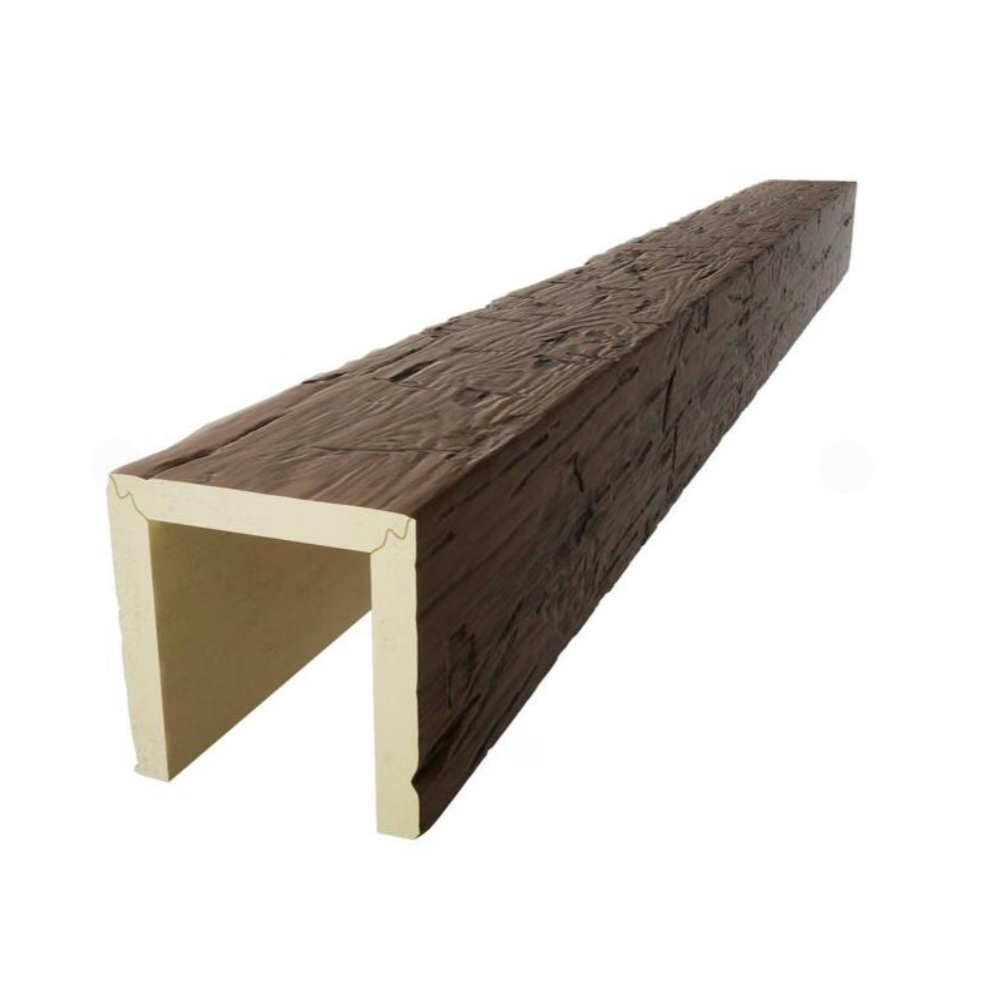
Beam profile and scale relate to the architectural context and overall design balance. Traditional French country homes often featured heavy, substantial timber beams that spoke to the structural nature of wood in pre-industrial construction. Scandinavian architecture, particularly in its contemporary expressions, tends toward lighter, more refined structural elements. Your beam selection should acknowledge the architectural context while maintaining visual harmony with both stylistic elements in your interior.
The finish treatment affects both appearance and performance. Matte or satin finishes generally align better with Scandinavian preferences, while slightly glossier treatments might suit French country applications. Quality polyurethane beams are available in various finish levels, allowing precise matching to your specific aesthetic requirements. Consider too how the finish will age and whether it will develop the patina that French country style often embraces.
Practical Applications Throughout the Home
Light oak grain faux beams can enhance virtually every room in a hybrid Scandinavian-French country home, though the specific application should respond to each space's function and character.
Living areas in these hybrid homes benefit from beams that establish the overall design tone. Ceiling beams in light oak provide visual warmth that prevents Scandinavian-styled living rooms from feeling too stark, while bringing refined elegance to French country spaces that might otherwise feel overly rustic. The beams can define seating areas, frame windows, or create visual zones within open-plan spaces.
Kitchens present particularly interesting opportunities in hybrid interiors. Scandinavian kitchen design emphasizes clean surfaces, functional organization, and light, bright environments. French country kitchens traditionally featured heavy wood cabinets, farmhouse sinks, and the warm clutter of active cooking spaces. Light oak beams can bridge these approaches, providing the warmth that makes kitchens inviting while maintaining the clean aesthetic that contemporary living requires.
Bedrooms in these homes should prioritize comfort and restful atmosphere. Beams overhead create a sense of enclosure and security that promotes sleep, while the light oak finish keeps the space feeling bright and airy rather than heavy or claustrophobic. Consider how the beams interact with other wood elements in the bedroom—flooring, furniture, window treatments—to ensure cohesive visual effect.
Bathrooms require special attention due to the moisture exposure these spaces entail. Polyurethane beams offer significant advantages here, as they resist moisture damage that would compromise natural wood or wood-composite alternatives. The light oak finish adds warmth to what might otherwise be purely functional spaces, creating spa-like environments that feel connected to the home's overall design scheme.
Maintenance and Long-Term Considerations
One of the practical advantages of polyurethane faux wood beams is their minimal maintenance requirements compared to natural timber. In both Scandinavian and French country contexts, where quality and longevity are valued, this durability represents genuine value.
Scandinavian design philosophy embraces functional beauty and objects designed to last. Polyurethane beams align with this ethos: they're designed for long-term performance rather than disposable aesthetics. A one-time installation provides years of beautiful service without the ongoing maintenance that natural wood requires.
French country style traditionally valued pieces that accumulated character and history over generations. While polyurethane beams won't develop the same patina as natural timber, their consistent appearance offers a different kind of permanence—the assurance that your beams will look as good in ten years as they do today, without the unpredictability of natural wood aging.
Regular cleaning for polyurethane beams involves nothing more than dusting or occasional wiping with a damp cloth. Unlike natural wood, there's no need for periodic sealing, staining, or refinishing. This simplicity appeals to homeowners who want beautiful interiors without accepting the maintenance burden that natural materials sometimes demand.
Creating Your Personal Hybrid Aesthetic
Blending Scandinavian and French country elements ultimately serves the goal of creating a home that reflects your personal preferences rather than adhering rigidly to any single tradition. Light oak grain beams provide versatile support for this individualistic approach to interior design.
Consider which elements from each tradition matter most to you. If you love the clean organization and democratic design ethos of Scandinavian style but crave the warmth and romantic layering of French country, your beam selection might lean toward more refined Scandinavian aesthetics while the rest of your interior embraces more French country elements. Or you might prefer more substantial beams that honor French country heritage while the rest of your space adopts Scandinavian simplicity.
The specific oak tone you select also influences this balance. Cooler, more neutral oak finishes tend toward Scandinavian aesthetics, while warmer tones evoke French country traditions. Sample several options in your actual space before committing, as the lighting conditions and surrounding materials will affect how the beams ultimately appear.
Think too about how the beams interact with other design elements. Textiles, artwork, lighting fixtures, and decorative objects all contribute to the overall aesthetic. Beams provide a unifying framework that helps these diverse elements feel cohesive rather than randomly assembled.
A Timeless Approach to European Warmth
Light oak grain PU faux wood beams offer a sophisticated solution for homeowners seeking to blend Scandinavian and French country design traditions. They capture the authentic wood character that both styles value while providing the durability and easy maintenance that modern life demands.
Whether your aesthetic leans more toward Nordic simplicity or Mediterranean warmth, these beams help create spaces that feel genuinely livable and inviting. They bridge cultural traditions while honoring the universal human desire for warm, beautiful, functional homes. In that sense, they embody something essential about what design at its best can accomplish—creating environments that support and enrich daily life.
Technical References
ASTM standards cited in every specification
Test Data
Lab results from internal testing program
Updated 2026
Reviewed against current product specs