The global appeal of Scandinavian design is no accident. Born from the practical necessities of Nordic life—long winters, limited daylight, and a cultural emphasis on community and equality—Scandinavian aesthetics offer genuine wisdom for creating comfortable, beautiful homes regardless of climate or location. At its heart, the style prioritizes livability, natural materials, and the kind of quiet beauty that rewards daily attention rather than demanding dramatic statement. Light Scandinavian style faux wood beams embody these principles in a single architectural element.
Understanding why Scandinavian design has become so influential requires looking beyond its visual characteristics to the philosophy underlying it. The Danish concept of hygge, often translated as coziness but encompassing much more—the creation of warm, intimate atmospheres that nurture connection and wellbeing—shapes Scandinavian interiors profoundly. Every material choice, every spatial arrangement, every detail serves the goal of creating spaces where people genuinely want to spend time.
Light plays a crucial role in this philosophy. The scarcity of natural light during Nordic winters makes its careful management essential, and Scandinavian interiors typically maximize whatever light is available through strategic window placement, light-reflecting surfaces, and restrained color palettes. Wooden elements contribute warmth that prevents these bright spaces from feeling cold or clinical, creating the balance between light and comfort that defines successful Scandinavian interiors.

The Essential Elements of Scandinavian Aesthetic
Several core principles define Scandinavian design and distinguish it from other minimalist approaches. Understanding these principles helps explain why certain material and stylistic choices feel authentically Nordic rather than merely inspired by Nordic aesthetics.
Simplicity serves function above all else in Scandinavian design. Every element should earn its place by serving a purpose—either practical utility or genuine visual pleasure. This principle manifests in clean-lined furniture, unadorned surfaces, and interiors that resist visual clutter. Light wood beams align perfectly with this ethos: they contribute warmth and texture while maintaining the clean aesthetic that the style prioritizes.
Natural materials occupy a position of honor in Scandinavian interiors. Wood, wool, linen, leather, and stone appear throughout authentic Nordic spaces, providing tactile variety and organic warmth. The pale woods characteristic of Scandinavian design—birch, ash, pine, and now light-toned oak and maple—bring nature indoors in ways that feel appropriate rather than ostentatious. Beams in these light wood tones connect to this material tradition directly.
Quality craftsmanship matters more than quantity or novelty. Scandinavian design tradition values well-made objects that will last, favoring investment in fewer, better pieces rather than accumulation of disposable goods. This philosophy extends to interior architecture: a beam installation should be executed carefully, with attention to joints, alignments, and finishing details. The care visible in these details communicates respect for both the space and its inhabitants.
The democratization of good design represents a crucial Scandinavian value. Unlike design traditions that emphasized exclusivity and luxury, Scandinavian aesthetics developed with an eye toward making beautiful, functional objects accessible to everyone. This egalitarian impulse shows in the straightforward, unpretentious character of authentic Scandinavian spaces—they don't rely on expensive materials or exotic finishes to achieve their beauty.
How Light Beams Transform Scandinavian Spaces
Ceiling beams serve multiple functions in Scandinavian interior architecture. Beyond their obvious aesthetic contribution, they address practical considerations specific to Nordic building traditions while creating visual interest that prevents minimalist spaces from feeling flat or unfinished.
In homes with vaulted or sloped ceilings—a common feature in Scandinavian architecture inspired by traditional building forms—exposed beams often follow the roof structure, creating a logical connection between form and function. The beams appear to be doing structural work, even when their primary role is decorative. This honesty about materials and function aligns with Scandinavian values that reject purely ornamental elements.
For flat ceilings common in more contemporary Scandinavian homes, beams can be added as decorative elements that introduce warmth and texture. The light wood tones typical of Scandinavian beams prevent these installations from feeling heavy or rustic, maintaining the visual lightness that minimalist Scandinavian interiors require. Strategic beam placement can also define zones within open-plan spaces, providing subtle spatial separation without walls or barriers.
The vertical emphasis created by ceiling beams draws the eye upward in Scandinavian spaces. This upward focus accomplishes several design goals: it emphasizes ceiling height and spatial volume, it creates visual interest that prevents flat surfaces from feeling boring, and it introduces the organic texture of wood at a level where it can contribute to the overall atmosphere without interfering with daily activities or furniture arrangement.
Light beams also provide an anchor point for other design elements. Pendant lights can be hung from beams, creating focused illumination zones. The beams themselves can support floating shelves or other suspended storage. This functional versatility aligns with Scandinavian values that demand practicality from every design element.
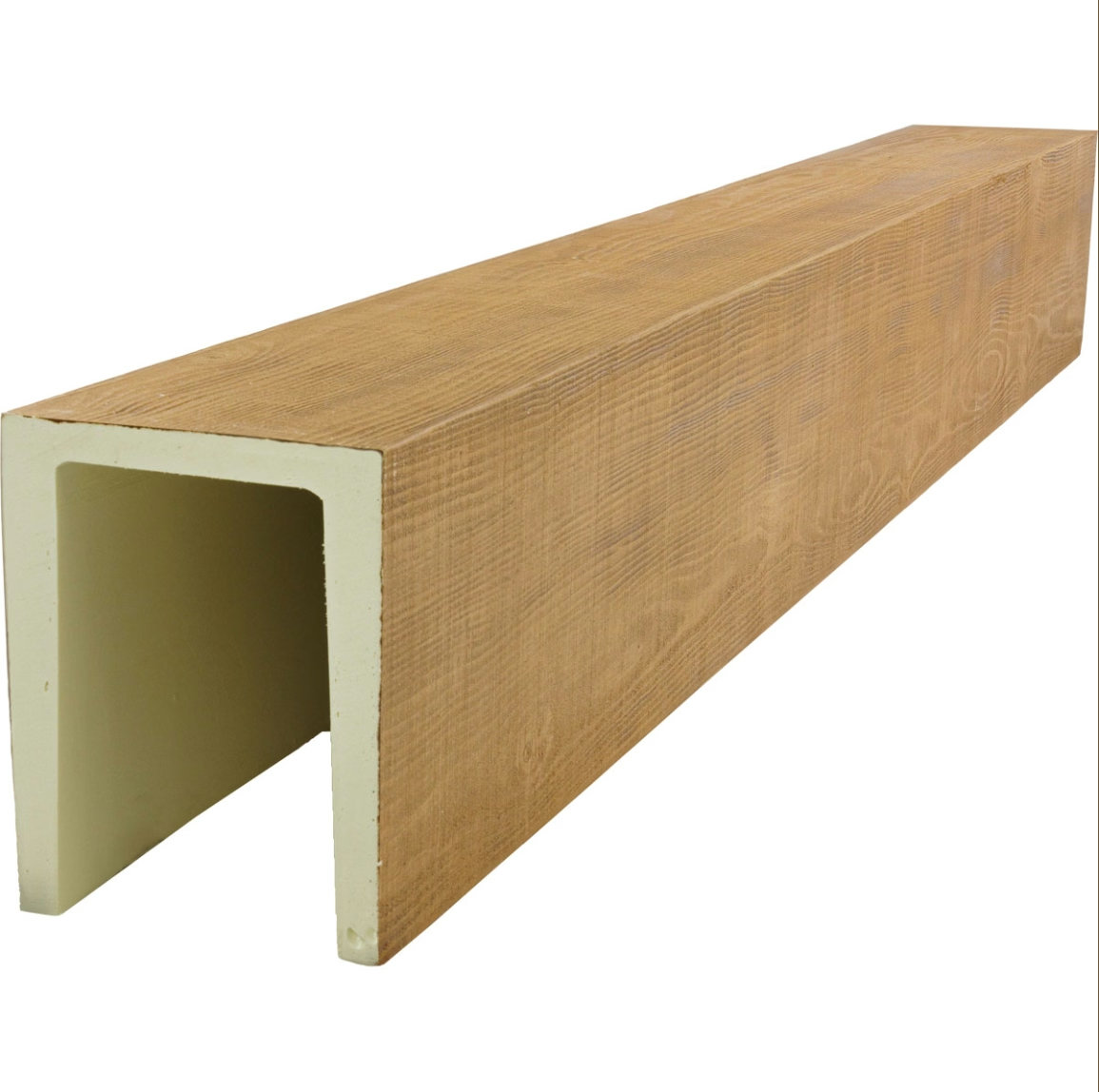
The Polyurethane Advantage in Nordic Contexts
Scandinavian homes, with their emphasis on clean surfaces and unpretentious beauty, create demanding conditions for any material choice. The characteristic white or pale walls leave no place for imperfections to hide, and the minimalist aesthetic reveals every detail—both positive and negative. Polyurethane faux beams meet these challenges in ways that natural materials sometimes cannot.
Consistency of appearance ranks among the most significant advantages. Natural wood varies from piece to piece, with grain patterns, color gradients, and surface characteristics that differ even within a single species. While this variation contributes to the character of natural timber, it can create visual complications in spaces where perfect consistency is valued. PU beams offer the warm wood aesthetic while maintaining the uniformity that Scandinavian minimalism often prefers.
The dimensional stability of polyurethane matters in environments where humidity fluctuates seasonally. Nordic climates present dramatic swings in temperature and humidity between summer and winter, and these changes affect building materials significantly. Natural wood expands and contracts with these variations, potentially creating gaps, warping, or other problems. Polyurethane's dimensional stability ensures consistent appearance regardless of environmental conditions.
Installation precision also favors polyurethane for Scandinavian applications. The material machines cleanly and consistently, allowing for exact fit and alignment. In spaces where every detail matters and visual imperfections stand out clearly, the precision that PU allows contributes to the overall quality of the installation.
Maintenance simplicity aligns perfectly with Scandinavian values of practical living. The time and energy that would otherwise go toward maintaining natural wood—sealing, staining, repairs—can be redirected toward other aspects of home enjoyment. Beams that simply look beautiful without demanding ongoing attention embody the Scandinavian preference for design that supports rather than complicates daily life.
Creating Hygge Atmosphere with Light Beams
The Danish concept of hygge has become something of a design buzzword, but understanding its true meaning helps explain how light beams contribute to Scandinavian interior atmosphere. Hygge encompasses much more than cozy textiles and candlelight—it describes an approach to daily life that prioritizes presence, connection, and the appreciation of simple pleasures.
Warmth, in all its dimensions, is central to hygge. Physical warmth from candles, fireplaces, and heated spaces matters, but visual and emotional warmth contribute equally. Light wood beams add thermal-visual warmth that helps create the inviting atmosphere hygge requires. The organic character of wood, with its subtle grain patterns and natural variations, provides visual warmth that cooler materials cannot match.
The quality of light in Scandinavian spaces affects hygge profoundly. The pale tones of Scandinavian beams reflect and soften available light rather than absorbing it, contributing to the bright but gentle illumination that creates comfortable, welcoming environments. This light management role extends beyond simple reflection—the beam surfaces diffuse light in ways that reduce harsh contrasts and create the even, cozy illumination that hygge demands.
Texture contributes to the tactile dimension of hygge. Spaces that engage multiple senses feel more complete and satisfying than those relying solely on visual appeal. The subtle texture of wood grain, felt rather than just seen, adds dimension to minimalist Scandinavian interiors. Beams positioned at eye level or reachable height can even be touched, creating a physical connection to the natural material that purely visual elements cannot provide.
Design Applications Across the Scandinavian Home
Light Scandinavian beams enhance every room in a Nordic-inspired home, though the specific application should respond to each space's function and character.
Living rooms in Scandinavian homes often feature the most substantial beam installations, as these social spaces benefit from the warmth and visual anchoring that beams provide. The beams can frame seating areas, define entertainment zones, or create visual connections between different functional areas within open-plan spaces. Consider how the beam placement relates to other design elements—windows, furniture groupings, light fixtures—to ensure coherent visual composition.
Kitchens in Scandinavian design tradition prioritize functionality and clean organization. Beams in these spaces can provide structural visual interest without interfering with the practical organization that kitchen work requires. Consider how beams might integrate with pendant lighting over islands or breakfast bars, or how they might frame windows that bring light into the cooking space.
Bedrooms should prioritize rest and relaxation in Scandinavian tradition. Beams overhead create a sense of enclosure and security that promotes sleep, while the light wood finish maintains the bright, airy atmosphere that makes these spaces feel open rather than cramped. The organic warmth of wood contributes to the comforting atmosphere that hygge卧室embodies.
Home offices and workspaces, increasingly important in contemporary life, benefit from Scandinavian beam installations that add warmth without compromising the focused clarity these rooms require. The natural texture of wood provides visual interest that prevents stark minimalism from becoming sterile, while the light tone keeps spaces feeling energized rather than heavy.
Long-Term Design Considerations
Investing in light Scandinavian style beams represents a commitment to a particular approach to home design. Understanding how these beams will age and evolve helps ensure satisfaction over the long term.
The timeless quality of Scandinavian design suggests that beam installations should remain aesthetically relevant for years to come. Unlike trend-driven design choices that may feel dated within a decade, the principles underlying Scandinavian aesthetics—simplicity, natural materials, functional beauty—maintain their relevance across changing trends. Quality beams represent a long-term investment in your home's visual character.
Polyurethane's durability ensures that this investment maintains its appearance over time. Unlike natural wood that may require refinishing or replacement as it ages, quality PU beams continue looking fresh with minimal maintenance. This longevity aligns with Scandinavian values of thoughtful consumption and investment in lasting quality.
The flexibility of beam installations allows for adaptation as needs change. Unlike structural elements that resist modification, decorative beams can be repainted, repositioned, or removed if design preferences evolve. This adaptability provides insurance against future changes while maintaining the option for permanent installation when that's preferred.
Embracing Nordic Warmth in Contemporary Living
Light Scandinavian style PU faux wood beams offer a pathway to authentic Nordic warmth for homeowners worldwide. They embody the essential principles that make Scandinavian design so appealing: simplicity, natural materials, functional beauty, and the creation of genuinely livable spaces.
Whether you're fully committed to Scandinavian principles or simply seeking to incorporate Nordic warmth into your existing aesthetic, these beams provide versatile support for your design goals. They add organic character that prevents contemporary spaces from feeling cold while respecting the visual lightness that modern interiors often prioritize.
The result is spaces that feel genuinely welcoming—homes where people want to gather, relax, and enjoy daily life. In that sense, light Scandinavian beams accomplish something more important than visual transformation: they contribute to the creation of environments that nurture wellbeing and connection.
Technical References
ASTM standards cited in every specification
Test Data
Lab results from internal testing program
Updated 2026
Reviewed against current product specs


