Bright, airy interiors have become synonymous with contemporary residential design, reflecting both aesthetic preferences and practical considerations around natural light utilization. Yet these luminous spaces can sometimes feel incomplete, lacking the warmth and textural depth that makes interiors truly inviting. Light-tone Scandinavian faux wood ceiling beams address this challenge elegantly, providing the organic warmth that comfortable living requires while maintaining the visual lightness that bright home spaces demand.
The Scandinavian design tradition offers particular wisdom for this balance between brightness and warmth. Born from northern European climates characterized by long, dark winters, Nordic design philosophy emphasizes making the most of available light while creating interiors that feel genuinely welcoming. Light-tone wood has become a signature element in this tradition, providing warmth without the darkness that heavier wood tones introduce.
Understanding why light-tone Scandinavian beams have become so valued in contemporary interior design requires examining both their visual characteristics and their functional contributions to bright living spaces. The result is a design element that serves multiple purposes while maintaining a unified aesthetic vision.
The Scandinavian Approach to Light and Warmth
Scandinavian design philosophy evolved in response to specific environmental and cultural conditions that continue influencing how Nordic designers approach interior spaces. Understanding these foundational principles helps explain why light-tone wood beams hold such a valued position in the tradition.
Limited daylight during Nordic winters shaped Scandinavian interiors profoundly. The scarcity of natural light made its careful management essential, leading to design strategies that maximize light penetration and distribution. White walls, light-colored floors, and minimal obstruction of windows all serve this light-management goal. Light-tone wood beams complement these strategies, reflecting rather than absorbing available light.
The psychological dimension of light and warmth in Scandinavian thought connects to the broader concept of hygge. This Danish idea encompasses the creation of comfortable, nurturing atmospheres that support wellbeing and social connection. Light plays a crucial role in hygge, but it's light softened by warmth—not the harsh, clinical brightness that sometimes characterizes modern interiors. Light-tone wood contributes to this softened illumination, creating warm glow rather than flat brightness.
Functional beauty represents another core Scandinavian value. Every element in authentic Scandinavian design should serve practical purposes while maintaining aesthetic appeal. Ceiling beams contribute functionally by defining spaces, supporting the roof structure (in authentic applications), and creating visual anchoring that prevents large, bright rooms from feeling cavernous. The aesthetic contribution—the warmth and texture they add—enhances rather than replaces these functional roles.
Characteristics of Light-Tone Scandinavian Beams
The specific visual qualities of light-tone Scandinavian beams distinguish them from other wood beam options and determine their effectiveness in bright interior applications.
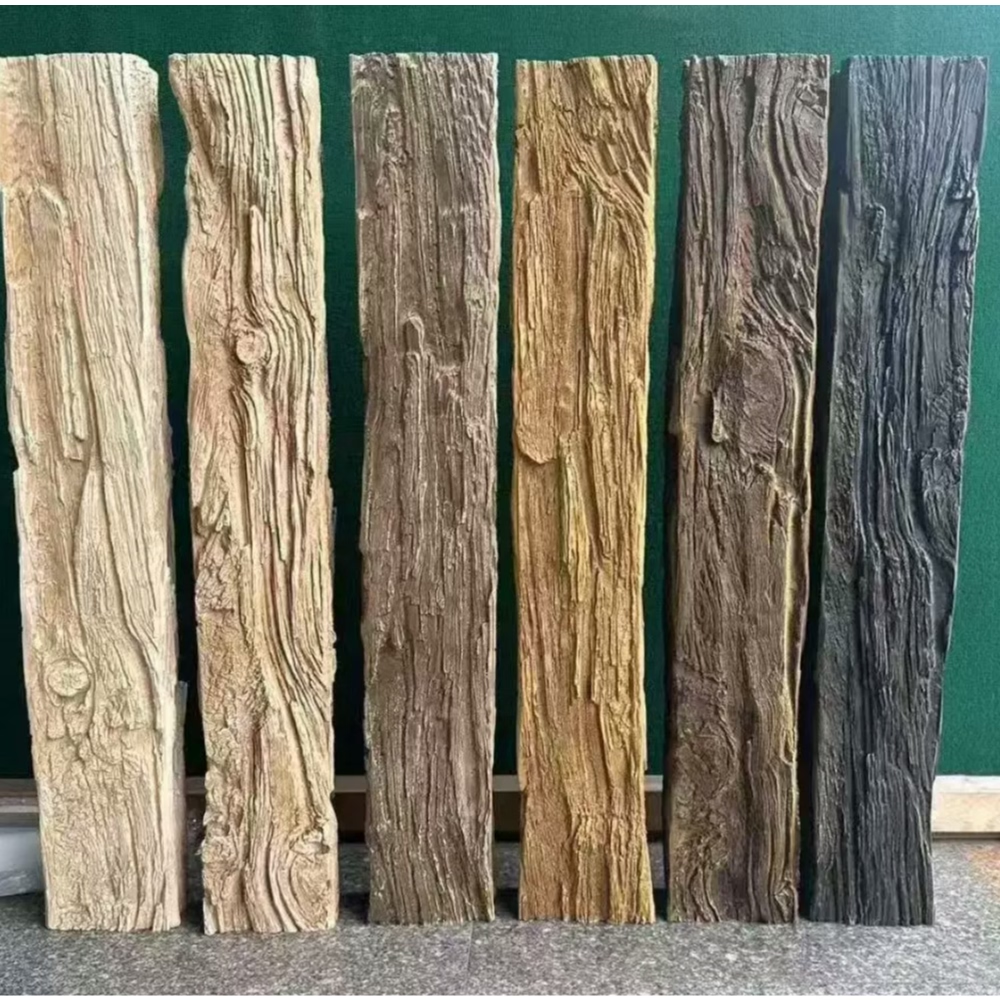
Wood species selection influences tone significantly. Scandinavian design tradition favors pale woods—birch, ash, pine, and maple in their natural states. These species naturally present lighter, cooler tones than oaks or other darker hardwoods. Modern manufacturing extends this palette to include light-finished options in other species, but the underlying principle remains: Scandinavian beams should present pale, luminous character.
Grain patterns in Scandinavian beams typically remain subtle rather than dramatic. The refined grain of birch or the gentle figure of pale oak complements rather than competes with the clean aesthetic that Scandinavian interiors require. More dramatic grain patterns that might be valued in rustic or traditional contexts can overwhelm the restrained palette typical of Scandinavian spaces.
Surface treatments for light-tone Scandinavian beams emphasize the natural wood appearance rather than heavy staining or dramatic color application. The goal is authentic wood character with pale, luminous quality. Quality faux beams achieve this through careful color matching to natural wood tones and finish treatments that enhance rather than mask wood grain.
Proportions in Scandinavian beam design tend toward refinement rather than massiveness. While traditional timber beams in northern European farmhouses were often substantial, contemporary Scandinavian aesthetics favor lighter, more delicate profiles. These refined proportions align better with minimalist Scandinavian interiors while still providing the visual interest and warmth that beams offer.
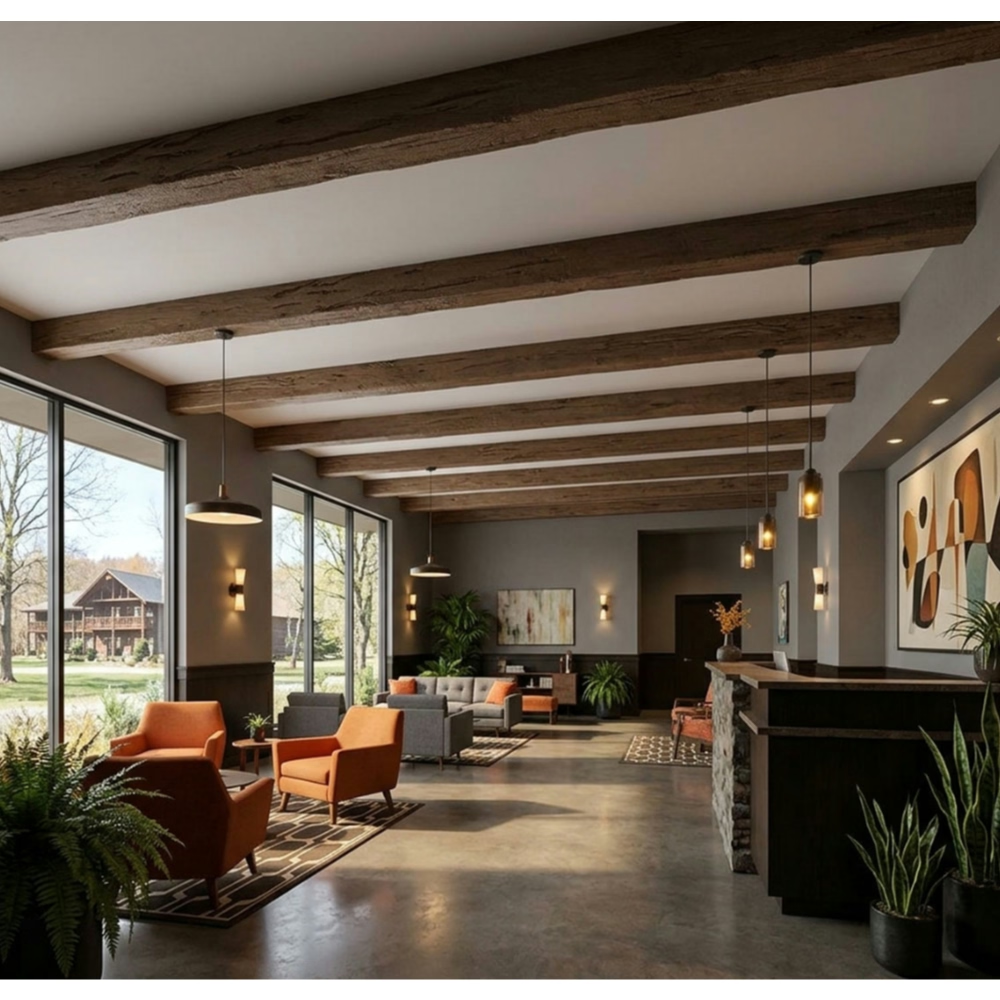
Benefits for Bright Home Spaces
Light-tone Scandinavian beams offer specific advantages for bright interior spaces that darker wood alternatives cannot provide.
Maintaining luminosity represents the primary benefit. Dark wood beams absorb light and can make bright rooms feel darker than they actually are. Light-tone beams reflect available illumination, contributing to rather than detracting from the overall brightness of the space. This contribution becomes particularly valuable in rooms with limited natural light, where every reflective surface matters.
Preventing visual heaviness concerns many homeowners considering ceiling beams for contemporary spaces. Modern architecture typically emphasizes lightness and openness; heavy, dark beams can feel contradictory to these architectural goals. Light-tone beams provide the character and texture that prevent contemporary interiors from feeling sterile without introducing visual weight that conflicts with modern sensibilities.
Creating warmth without darkness solves a fundamental challenge in bright interior design. Spaces flooded with natural light can feel cold or clinical, lacking the cozy atmosphere that makes homes genuinely comfortable. The organic warmth of wood, even in pale tones, provides psychological comfort that cooler materials cannot match. Light-tone beams add this warmth while maintaining the brightness that makes the space feel open and energizing.
Versatility across room types makes light-tone Scandinavian beams valuable for whole-home applications. The same beam style can work in living rooms, bedrooms, kitchens, and bathrooms without adjustment, creating visual continuity throughout the home. This consistency simplifies design decisions while ensuring cohesive results.

Applications Throughout the Home
Light-tone Scandinavian beams enhance virtually every room in contemporary homes, though specific applications should respond to each space's function and character.
Living rooms benefit substantially from beam installations that add visual interest without darkening the social spaces where families gather. The beams can define seating arrangements, frame entertainment areas, or simply add the warmth and texture that prevents living rooms from feeling stark. Parallel beams work well in rectangular living spaces; cross-grid patterns may suit larger, more square rooms.
Kitchens often represent challenging applications for wood elements due to moisture, temperature variations, and the practical demands of cooking spaces. Polyurethane light-tone beams handle these conditions well, maintaining appearance despite kitchen humidity and temperature fluctuations. The warmth that beams add to kitchens—traditionally some of the hardest surfaces in homes—creates inviting spaces for cooking and gathering.
Bedrooms require the kind of soft, nurturing atmosphere that Scandinavian design philosophy emphasizes. Light-tone beams overhead create a sense of enclosure and security that promotes rest while maintaining the bright, airy feeling that makes bedrooms feel spacious rather than cramped. The organic warmth of wood contributes to comfortable sleeping environments.
Home offices and study spaces increasingly benefit from Scandinavian beam treatment as more people work from home. The warmth and texture that beams provide prevents home offices from feeling like purely functional spaces, while the bright quality maintains the focus and energy that productive work requires.
Bathrooms with vaulted or exposed ceiling structures provide excellent opportunities for light-tone beam installation. The moisture resistance of polyurethane beams handles bathroom humidity well, while the pale tones complement the clean, bright aesthetic typical of bathroom design.
Integration with Scandinavian Design Elements
Successfully incorporating light-tone beams into Scandinavian interiors requires understanding how they relate to other elements of this design vocabulary.
White and pale gray walls provide ideal backdrop for light-tone beams. These neutral surfaces allow the beams' warmth and texture to stand out without competition, while the beams prevent the walls from feeling flat or institutional. The combination of pale walls and light wood creates the luminous, welcoming atmosphere that defines successful Scandinavian interiors.
Natural textile elements—wool, linen, cotton in natural tones—complement light-tone beams beautifully. These materials share the organic, natural character of wood and create visual harmony that cooler materials cannot achieve. Rugs, throws, curtains, and upholstery in natural textiles enhance the warmth that beams provide.
Minimal furniture with clean lines works better with Scandinavian beams than heavily ornamented or traditional pieces. The refined aesthetic of Scandinavian interiors should extend to furniture selection, ensuring that beams don't appear incongruous among furnishings that contradict their contemporary sensibility.
Strategic use of black accents creates visual interest in all-Scandinavian spaces without introducing color that might clash. Black light fixtures, window frames, furniture hardware, and similar elements provide contrast that makes the light wood tones stand out more effectively.
Maintenance and Long-Term Appeal
The practical benefits of light-tone Scandinavian faux beams extend beyond initial installation to include maintenance requirements and long-term appearance retention.
Cleaning simplicity represents a significant advantage over natural wood. Dust accumulation that might show on pale wood surfaces wipes away easily with a damp cloth, maintaining clean appearance without special treatments. The finish on quality polyurethane beams resists staining and doesn't require periodic refinishing.
UV stability ensures that light-tone beams maintain their color despite exposure to natural light. Natural wood in bright rooms may yellow or darken over time; quality polyurethane resists this UV-induced change, maintaining the pale tone indefinitely. This stability aligns with the timeless quality that Scandinavian design aims for.
Durability in high-traffic or potentially impactful situations provides peace of mind that natural wood cannot match. The resilience of polyurethane resists dents, scratches, and other damage that might require repair or refinishing with natural materials.
Creating Cohesive Nordic Interiors
Light-tone Scandinavian faux wood ceiling beams serve as foundational elements in Nordic-inspired interior design, providing the warmth and texture that make bright spaces feel like home. Their pale, luminous quality maintains the visual lightness that contemporary interiors require while addressing the human need for organic materials and comfortable atmosphere.
The versatility of these beams allows application throughout the home, creating visual continuity that ties different spaces together while adapting to the specific requirements of each room. From bright living rooms to cozy bedrooms, from functional kitchens to productive home offices, light-tone Scandinavian beams contribute to interiors that feel both designed and genuinely livable.
Whether you're pursuing authentic Scandinavian design or simply seeking to incorporate Nordic warmth into your bright home spaces, these beams offer a thoughtful solution that balances aesthetic and practical considerations. The result is interiors that honor Scandinavian principles while serving contemporary needs—spaces that look beautiful and feel like home.
Technical References
ASTM standards cited in every specification
Test Data
Lab results from internal testing program
Updated 2026
Reviewed against current product specs


