Modern interior design has undergone a significant evolution over the past several decades. Where once the style was characterized by cold surfaces, industrial materials, and an almost aggressive rejection of ornament, contemporary modernism has embraced warmth, texture, and livability while maintaining its commitment to clean lines and functional beauty. This evolution has created new opportunities for design elements that bridge the gap between modernist aesthetics and human comfort needs.
Light wood faux beams occupy a unique position in this evolved modern vocabulary. They introduce the organic warmth that contemporary spaces often lack—the tactile appeal of natural materials, the visual texture that prevents stark surfaces from feeling clinical, the subtle complexity that engages attention without demanding it. Yet they do so in ways that respect modern design principles rather than contradicting them.
The challenge in combining beams with modern interiors lies in achieving balance. Too heavy a beam, too rustic a finish, and the modern aesthetic becomes overwhelmed. Too subtle a presence, too refined a texture, and the beams fail to make their intended impact. The key lies in selecting beams that speak the visual language of contemporary design while providing the warmth that comfortable modern living requires.

Understanding Modern Interior Design Principles
Modern design, sometimes called contemporary or mid-century influenced, encompasses a range of approaches united by certain core principles. Understanding these principles helps explain why some beam installations feel authentically modern while others seem out of place.
Clean lines define modern aesthetics above all else. Where traditional design might embrace ornate details, curved forms, and layered complexity, modern design favors straight edges, geometric shapes, and visual clarity. This doesn't mean modern spaces must be minimalist or sparse—quite the contrary—but the lines that are present should feel intentional and precise. Beam selections for modern spaces should reflect this precision, with clean profiles and well-defined edges.
Open floor plans characterize most modern residential architecture. The dissolution of traditional room divisions creates large, interconnected spaces that require careful treatment to avoid feeling cavernous or undifferentiated. Ceiling beams can help define zones within these open plans, creating visual separation between living areas, dining spaces, and kitchens without resorting to walls or other space-limiting dividers.
Natural light plays a central role in modern design philosophy. Large windows, skylights, and the strategic use of reflective surfaces maximize daylight penetration while maintaining visual connection to the outdoors. Materials in modern spaces should complement rather than compete with this light. Light wood beams contribute warmth without dimming the brightness that modern design prioritizes.
Functional beauty remains a guiding principle of modern design. Every element should earn its presence through utility, beauty, or both. Beams in modern contexts should not be purely decorative additions—their placement and style should feel logical, as if they belong to the architectural vocabulary of the space rather than having been stuck on as afterthoughts.
The Role of Warmth in Contemporary Spaces
The modern interiors of the mid-twentieth century often prioritized aesthetics over comfort, creating spaces that looked striking in photographs but proved challenging to live in daily. Contemporary modernism has largely corrected this imbalance, recognizing that truly successful design must serve human needs rather than merely satisfying theoretical principles.
Warmth in modern interiors operates on multiple levels. Visual warmth comes from color temperature, material selection, and the psychological associations that different materials carry. Wood, with its connections to nature and craft, provides strong visual warmth that cooler materials cannot match. Tactile warmth involves the physical sensation of materials—wood feels different from metal or glass, and this difference contributes to the overall sensory experience of a space.
Light wood tones amplify warmth without introducing the darkness that some homeowners find claustrophobic. The pale quality of light oak, birch, or maple beams reflects rather than absorbs available light, maintaining the brightness that modern design values while providing the warmth that comfortable living requires. This balance between light and warmth represents a central challenge in successful modern interior design.
Textural warmth involves the introduction of varied surface qualities that engage the senses. Modern design's historical emphasis on smooth, seamless surfaces created environments that felt sleek but ultimately sterile. Adding beams with visible grain introduces textural complexity that enriches the sensory experience without compromising the clean aesthetic that modern design maintains.
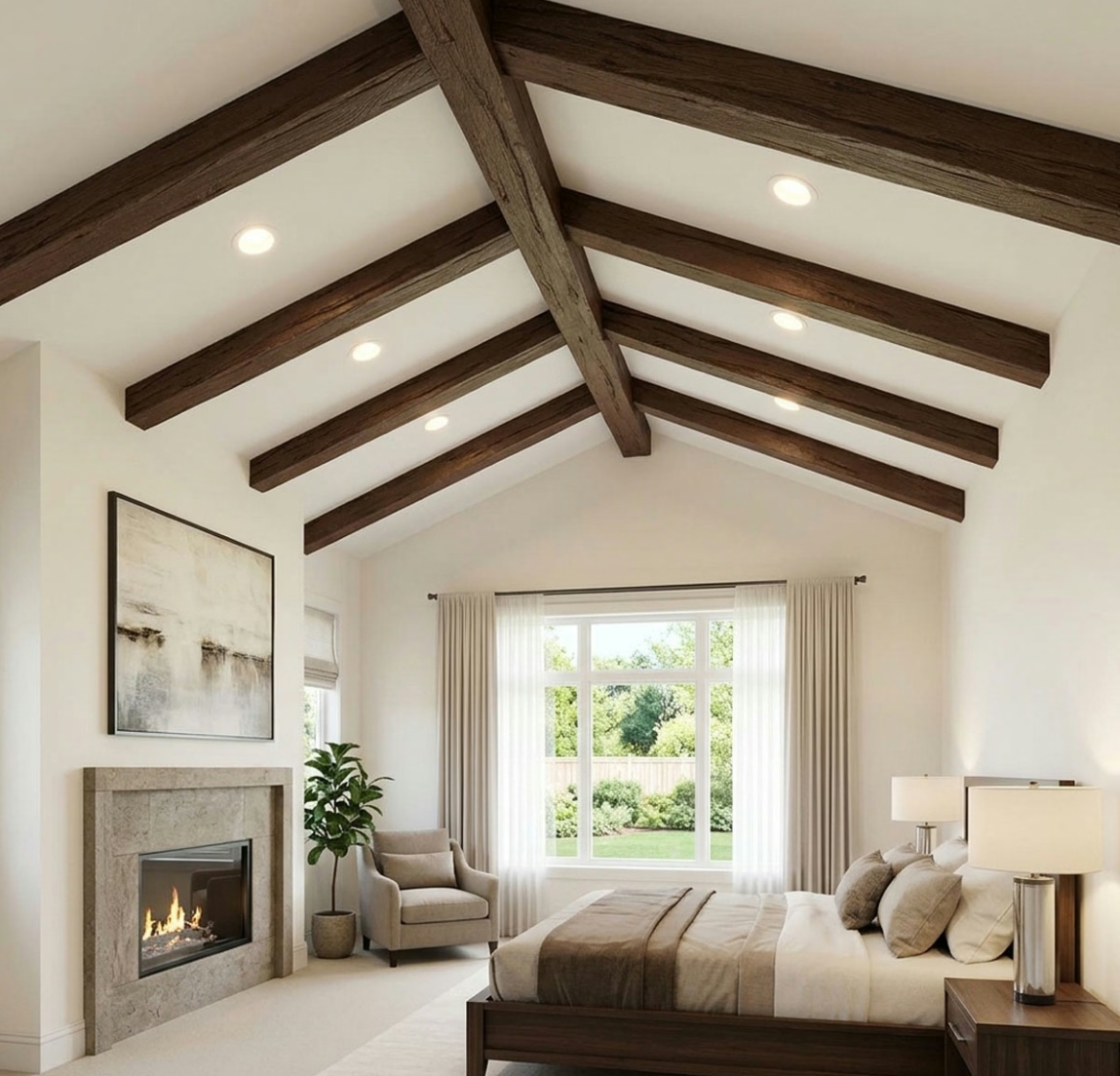
Selecting Light Wood Beams for Modern Contexts
The specific characteristics of beams in modern interiors should respond carefully to the existing design vocabulary. Several factors warrant attention during the selection process.
Profile simplicity matters significantly in modern applications. While traditional or rustic interiors might feature beams with complex profiles, chamfered edges, and decorative detailing, modern spaces generally favor simpler profiles with clean lines and minimal ornamentation. Rectangular beams with sharp edges often work better in contemporary contexts than more traditionally shaped options.
The wood tone should complement the existing color palette. Modern interiors typically feature neutral bases—whites, grays, blacks—with occasional accent colors used sparingly. Light wood beams should relate to these neutrals while providing the warmth that distinguishes livable modern spaces from stark ones. Cool-toned light woods work well with blue-gray undertones, while warmer options pair better with cream or yellow-based neutrals.
Scale relates to the overall proportions of the space and other design elements. Modern architecture often features generous ceiling heights and large-scale windows, which can make small beams disappear visually. Conversely, very large beams in modest spaces can overwhelm the architecture. The goal is achieving visual balance where beams feel appropriately scaled to their context without dominating or disappearing.
Surface treatment affects both appearance and practical performance. Matte finishes generally align better with modern aesthetics, which typically reject the high-gloss surfaces associated with earlier modernist phases. The finish should feel natural and understated rather than manufactured or processed.
Installation Approaches for Contemporary Spaces
How beams are installed significantly influences their success in modern interiors. Several installation approaches work particularly well in contemporary contexts.
Parallel installation following the room's major axis creates a sense of direction and can emphasize the length or width of a space. This approach works especially well in rectangular rooms where the beams can reinforce the architectural proportions. The spacing between beams should feel logical—too tight and the ceiling appears cluttered, too wide and the beams seem disconnected.
Cross-grid patterns create more complex visual interest for larger spaces that might feel underserved by simple parallel beams. The geometric pattern echoes other grid elements often present in modern design—windows, tile patterns, furniture arrangements—creating visual coherence across different scales. These installations require careful planning to ensure the grid relates appropriately to room proportions and architectural features.
Single accent beams can work in modern contexts where full ceiling treatment would feel excessive. A single beam crossing a living room, positioned to align with or complement other design elements, adds warmth and interest without the commitment of complete ceiling coverage. This approach works particularly well in transitional spaces or rooms with architectural features that benefit from framing.
Floating installations, where beams appear to hover without visible support, create visual interest through apparent contradiction. This approach aligns with modern design's interest in exploring how materials and structures can be presented in unconventional ways. The technical requirements of floating installations demand quality hardware and careful attention to mounting details.
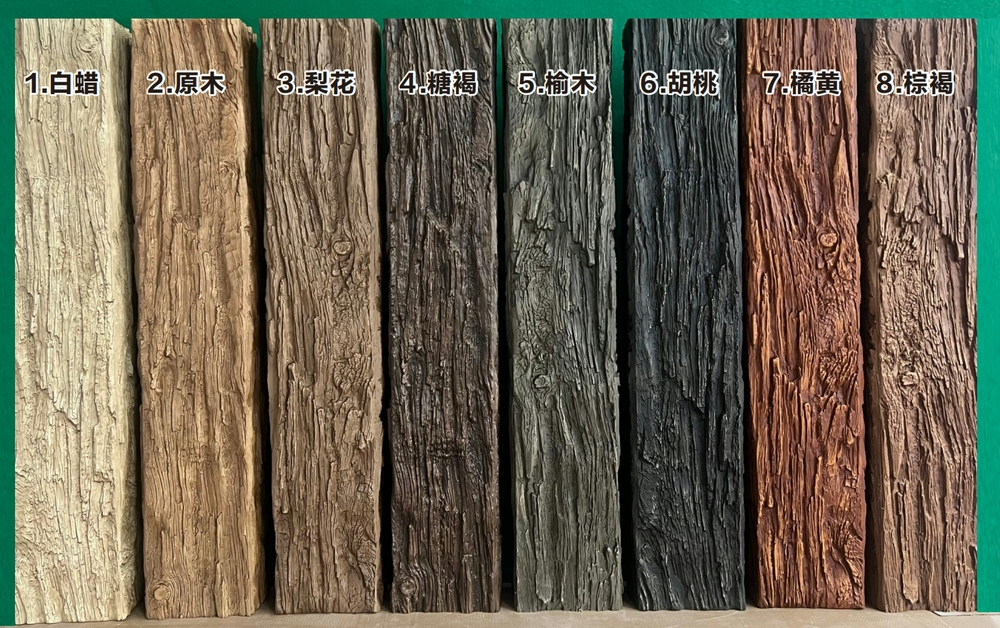
Balancing Organic and Architectural Elements
Modern interiors often feature an interesting tension between organic materials and architectural precision. Wood beams, with their natural grain and organic origins, provide counterpoint to the geometric precision that defines modern architecture. Successfully navigating this tension creates spaces that feel both sophisticated and genuinely comfortable.
The grain pattern of light wood beams contributes to this balance. Subtle, refined grain adds organic character without introducing visual noise that might compete with other design elements. More pronounced grain can work in modern contexts but generally requires restraint in other decorative elements to prevent visual overload.
Beam placement should feel intentional rather than arbitrary. Modern design values logic and clarity, and beam installations should reflect these values. Aligning beams with architectural features—windows, doorways, other structural elements—creates connections that feel logical. Beams that appear to float randomly undermine the design coherence that modern interiors typically seek.
Integration with other wood elements in the space requires thoughtful consideration. Modern interiors may feature wood flooring, furniture, or accent walls alongside ceiling beams. These elements should complement rather than compete with each other, creating a unified material vocabulary rather than a random collection of wood pieces.
Practical Benefits of Faux Beams in Modern Applications
Beyond aesthetics, polyurethane faux beams offer practical advantages that align well with modern construction and lifestyle requirements.
The lightweight nature of polyurethane simplifies installation in modern homes, which often feature vaulted ceilings, complex rooflines, or other architectural elements that would make handling heavy timber beams challenging. Single-person installation is often possible, reducing labor costs and installation complexity.
The consistency of manufactured faux beams ensures visual harmony across the ceiling. Modern design's emphasis on clean lines and visual precision is better served by beams that maintain exact dimensions and consistent appearance than by natural timber, which inevitably varies from piece to piece.
Durability and maintenance requirements favor busy modern lifestyles. The time and attention that natural wood maintenance demands can be difficult to accommodate in contemporary schedules. Faux beams that maintain their appearance indefinitely with minimal care align better with how people actually live today.
Moisture resistance extends the potential application of faux beams in modern homes. Open floor plans often integrate kitchens and bathrooms with living spaces, and beams installed in these locations need to withstand humidity and temperature variations. Polyurethane handles these conditions without the problems that affect natural wood in similar situations.
Creating Lasting Modern Warmth
Light wood faux beams help transform modern interiors from merely stylish to genuinely livable. They address the fundamental human need for organic warmth and tactile engagement while respecting the visual clarity and functional priorities that modern design maintains.
The best modern spaces achieve a balance that serves both aesthetic and human needs. They look beautiful in photographs while feeling comfortable in daily life. They express design principles while remaining flexible enough to accommodate how people actually live. Light wood beams contribute to this balance, adding warmth without compromising the clean aesthetic that defines contemporary modernism.
Whether you're designing a new modern home or refreshing an existing space, consider how light wood beams might enhance your interior. Their warmth, texture, and visual interest contribute to environments that feel both sophisticated and genuinely welcoming. In that sense, they embody what the best modern design aspires to: spaces that look remarkable and feel like home.
Technical References
ASTM standards cited in every specification
Test Data
Lab results from internal testing program
Updated 2026
Reviewed against current product specs


