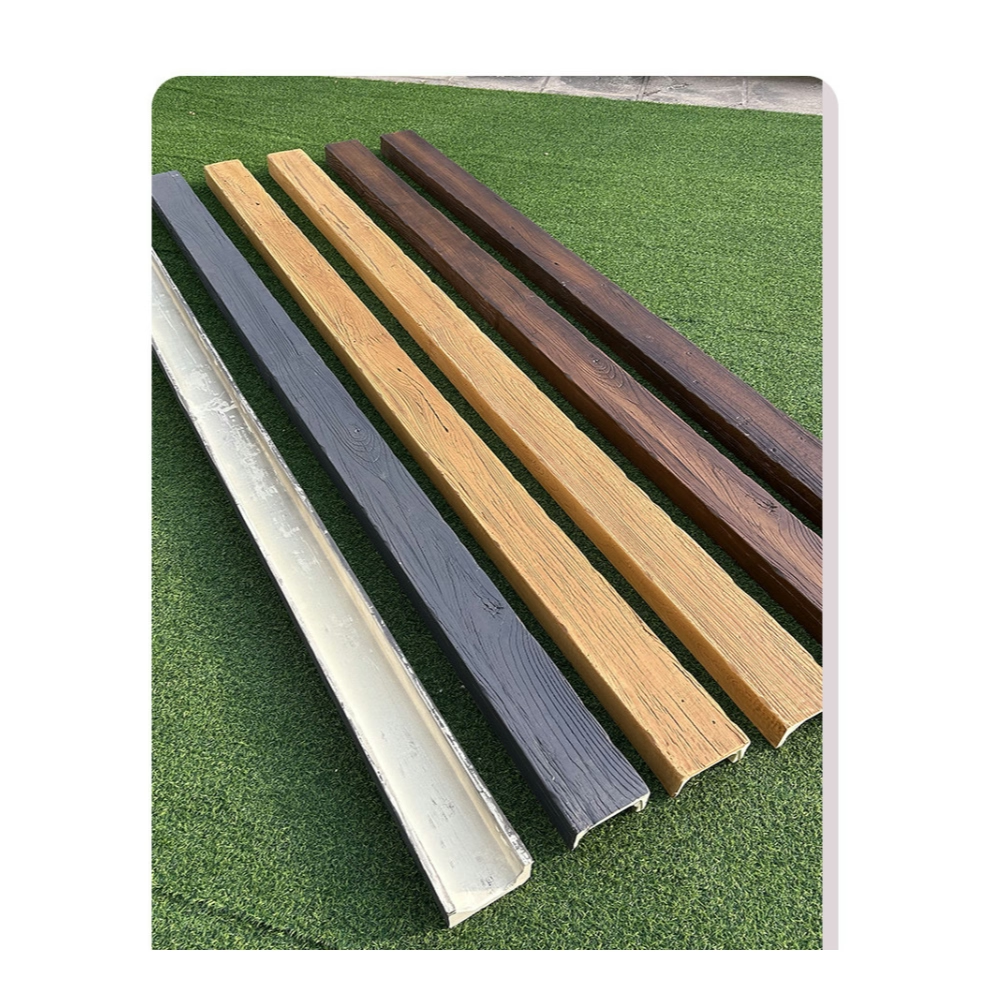
The integration of lighting with architectural elements represents one of the most satisfying aspects of interior design. When light sources are thoughtfully concealed within the building structure, they create atmosphere and functionality without visual clutter. Hollow faux wood beams offer unique opportunities for this kind of integrated lighting design, allowing recessed fixtures to be installed directly through the beam body for a clean, architectural result that would be impossible with solid structural beams.
This combination of hollow faux beams and integrated lighting addresses several design challenges simultaneously. It provides ambient illumination that enhances room atmosphere without the visual intrusion of surface-mounted fixtures. It creates focal points that draw attention to beams as design elements while demonstrating the sophisticated thinking behind the overall design. It offers practical advantages in terms of cable management and fixture placement that surface-mounted alternatives cannot match.
Understanding the possibilities and limitations of integrated beam lighting helps homeowners and designers make informed decisions about whether this approach suits their specific applications. The technical requirements, aesthetic considerations, and practical trade-offs all warrant careful attention.
The Advantages of Integrated Beam Lighting
Installing recessed lighting through hollow beams offers benefits that extend beyond simple aesthetics, though the visual results often provide the primary motivation for this approach.
Clean visual lines represent the most obvious advantage. Surface-mounted light fixtures, however well-designed, necessarily add visual elements to the ceiling plane. Recessed fixtures installed through beams disappear visually when unlit while providing illumination that seems to emerge from the architectural structure itself. This integration creates a more cohesive ceiling appearance than any surface-mounted alternative can achieve.
The hollow core of these beams provides natural housing for wiring, junction boxes, and other electrical components. This internal space allows cables to be routed cleanly without exposed conduit or visible runs across the ceiling. The result is an installation that maintains the clean aesthetic of the beam while providing the electrical infrastructure that modern lighting requires.
Beam visibility increases when beams incorporate integrated lighting. The illumination from recessed fixtures creates subtle shadows and highlights that emphasize the beam's form, texture, and profile. This lighting effect transforms beams from background architectural elements into focal points that actively contribute to the room's visual interest.
Flexibility in light placement results from the ability to position fixtures along the beam's length wherever needed. Highlighting specific areas, creating zones of varying illumination intensity, and directing light toward particular features or activities all become possible when fixtures can be placed precisely where needed.

Understanding Hollow Beam Construction
The successful integration of recessed lighting depends on understanding how hollow faux beams are constructed and what this means for lighting installation.
Quality hollow beams feature interior cavities specifically designed to accommodate wiring and sometimes mounting hardware for fixtures. These cavities are typically continuous along the beam's length, allowing cables to be routed from one end to another. The cavity dimensions must be sufficient to accommodate the planned wiring and any junction boxes or connectors involved.
The beam walls, while hollow inside, maintain sufficient thickness to provide the structural integrity needed for ceiling installation and any incidental contact. This wall thickness also determines how much material is available for recessed fixture installation—the fixture housing must fit within or through the beam wall while maintaining clean appearance from below.
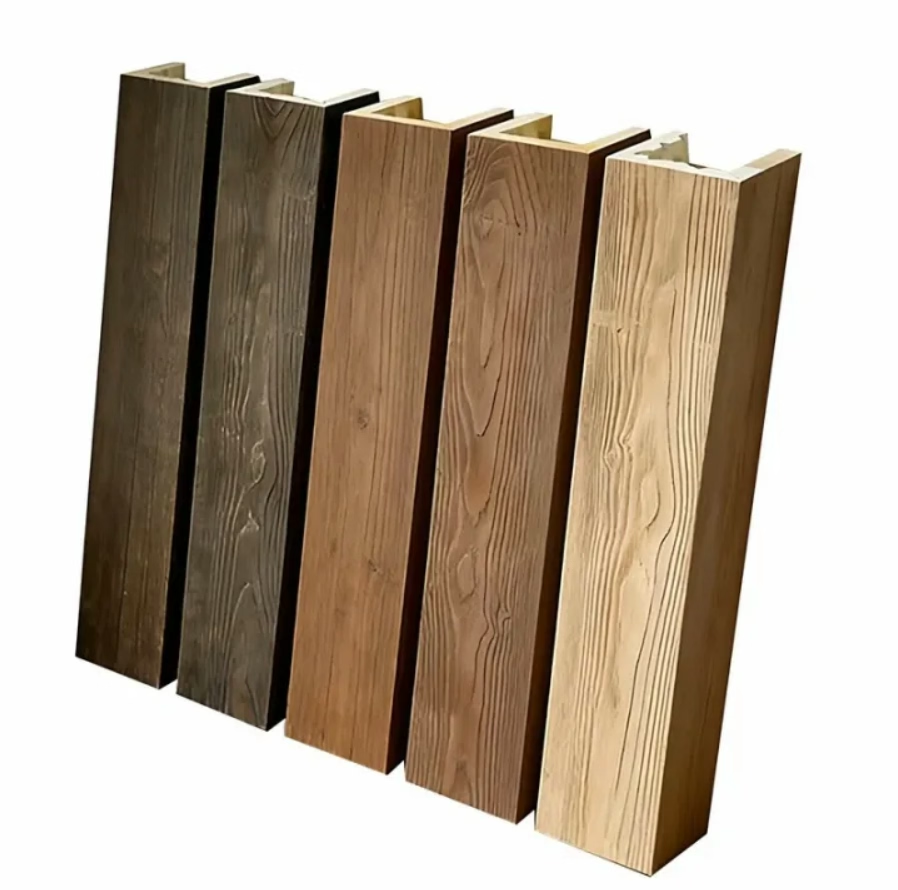
Three-sided beams, where the bottom face is open rather than enclosed, present particular opportunities for lighting integration. This construction style allows light to emanate from the beam's interior space, creating the effect of the beam itself glowing. This approach works especially well for ambient illumination but requires careful attention to the internal light source and diffuser materials.
Four-sided beams with hollow cores require recessed fixtures to penetrate the beam surface, typically from below. The fixture appears to emerge from the beam face, with the housing concealed above. This approach maintains the solid appearance of the beam from normal viewing angles while providing the desired illumination.
Planning Your Integrated Lighting System
Successful integrated beam lighting requires thoughtful planning that addresses both aesthetic and technical considerations before installation begins.
Light placement should relate to the room's functional zones and design composition. Consider what areas need illumination, what mood different lighting levels create, and how the beam lighting interacts with other light sources in the space. The goal is creating layered illumination that serves practical needs while establishing the desired atmosphere.
Fixture selection matters significantly for integrated applications. Not all recessed fixtures are suitable for installation through beam surfaces. Housing depth, trim style, and heat generation all require evaluation against the specific beam dimensions and installation context. IC-rated fixtures, which can contact insulation, offer greater flexibility in placement but may have deeper housings that require more interior space.
Lighting temperature and color quality affect the beam's appearance when illuminated. Warm white temperatures generally complement wood tones, creating the cozy atmosphere that beam installations typically aim for. Cooler temperatures can create more dramatic effects but may not harmonize with the organic warmth that makes wood beams appealing.
Dimming capability enhances the versatility of integrated beam lighting significantly. Being able to adjust light levels allows the same installation to serve multiple purposes—bright task illumination for activities, reduced levels for casual gathering, minimal output for ambiance. Ensure that selected fixtures and dimmers are compatible for smooth, flicker-free operation across the full dimming range.
Technical Considerations for Installation
The technical aspects of installing recessed lighting through hollow beams involve several considerations that differ from standard recessed fixture installation.
Structural integrity must be maintained throughout the installation process. Cutting openings in the beam for fixtures compromises the beam's structure to some degree, and this compromise must be managed carefully. Quality manufacturers provide guidance on appropriate opening sizes and placements, and these guidelines should be followed carefully to ensure safe, lasting installations.
Electrical code compliance applies to all wiring and fixture installations, including those involving decorative beams. Work should be performed by qualified electricians or under appropriate permits, ensuring that all connections are properly made, grounds are maintained, and junction boxes are appropriately installed. The hollow beam interior does not serve as a substitute for proper junction boxes.
Fixture mounting within or through beams requires hardware and techniques suited to the specific beam construction. Some installations use bracket systems that attach fixtures to internal beam structure; others may use adhesive or mechanical fasteners through the beam face. Manufacturer recommendations and local codes should guide these decisions.
Cable routing through beam interiors requires attention to protection and accessibility. Cables should be protected from sharp edges and movement, typically using appropriate bushings where cables enter or exit the beam. The routing should allow for future maintenance or modification without requiring beam removal.

Design Applications and Effects
Integrated beam lighting serves various design purposes, from practical illumination to atmospheric enhancement and dramatic focal point creation.
Ambient illumination represents the most common application for integrated beam lighting. Recessed fixtures washing light downward create general room illumination that supplements or replaces overhead fixtures. This approach eliminates the need for visible ceiling fixtures while maintaining adequate light levels for daily activities.
Task lighting zones can be created by positioning fixtures to illuminate specific areas—kitchen counters, reading nooks, work surfaces, or other task areas. The precision of placement that integrated lighting allows makes these targeted applications particularly effective.
Accent lighting focuses attention on particular features, whether architectural elements, artwork, or decorative objects. Positioning fixtures to highlight these elements creates visual hierarchy and draws the eye toward intended focal points. Integrated beam lighting works especially well for this application because the light source remains concealed.
Grazing and washing techniques involve positioning light to emphasize surface textures. For beams with visible grain or distressing, grazing light from a close angle creates dramatic shadowing that highlights these textural details. This technique transforms beams from simple architectural elements into showcases for material quality and craftsmanship.
Cove lighting effects emerge from three-sided hollow beams where light emanates from the beam's interior, creating a glowing effect. This approach works best for ambient or atmospheric illumination rather than task lighting, and it creates a distinctive visual effect that distinguishes these installations from more conventional approaches.
Maintenance and Long-Term Considerations
Integrated lighting systems in hollow beams require some ongoing attention to ensure continued performance and appearance.
Bulb replacement represents the most common maintenance requirement. Fixtures should be selected with replacement accessibility in mind—fixtures that require beam disassembly for bulb changes create unnecessary complications. Many modern integrated lighting systems use long-lived LED sources that rarely require replacement, reducing this concern significantly.
Fixture cleaning may be necessary in some installations, particularly in environments where dust or grease accumulates. The accessibility of fixtures for cleaning should be considered during planning, and the cleaning method should be appropriate for both the fixture and the beam surface.
System updates may become desirable as lighting technology evolves. LED lighting, in particular, continues advancing rapidly, and fixtures installed today may be superseded by more efficient or better-quality alternatives in coming years. Selecting fixtures that allow for straightforward replacement helps manage this consideration.
Beam inspection should periodically verify that the installation remains secure and that no structural compromise has occurred. While quality installations should remain stable indefinitely, checking mounting hardware and beam condition helps ensure ongoing safety and performance.
Professional Versus DIY Considerations
The complexity of integrated beam lighting installations often exceeds what typical DIY capability can safely address. Several factors influence whether professional installation is advisable.
Electrical work, by code requirements in most jurisdictions, must be performed by licensed electricians or under appropriate permits. Even if you have the skill to make electrical connections, permit requirements may mandate professional involvement. Budget for this cost when planning your project.
Beam modification requires tools and techniques that may not be readily available. Cutting openings in manufactured beams requires precision that affects both structural integrity and appearance. Mistakes during this process can damage beams beyond repair.
System integration—connecting beam lighting to switches, dimmers, and control systems—benefits from professional expertise that ensures proper operation and code compliance. The interaction between multiple fixtures, dimmers, and control systems can be complex.
The scale and complexity of your specific project should guide the DIY versus professional decision. Simple installations with minimal fixtures may be manageable for skilled DIYers, while extensive integrated lighting systems generally warrant professional design and installation.
Creating Integrated Lighting Success
Hollow faux wood beams with integrated recessed lighting represent sophisticated design thinking applied to practical challenges. These installations create ambient illumination, architectural interest, and visual cohesion that surface-mounted alternatives cannot match.
The key to success lies in thoughtful planning that addresses technical requirements, aesthetic goals, and practical considerations before installation begins. Taking time to understand the possibilities and limitations helps ensure results that meet expectations.
Whether you're undertaking a comprehensive renovation or adding to an existing installation, integrated beam lighting offers rewarding possibilities for homeowners seeking to elevate their interiors. The combination of hidden light sources and architectural beams creates spaces that feel both sophisticated and genuinely comfortable—exactly what the best interior design achieves.
Technical References
ASTM standards cited in every specification
Test Data
Lab results from internal testing program
Updated 2026
Reviewed against current product specs