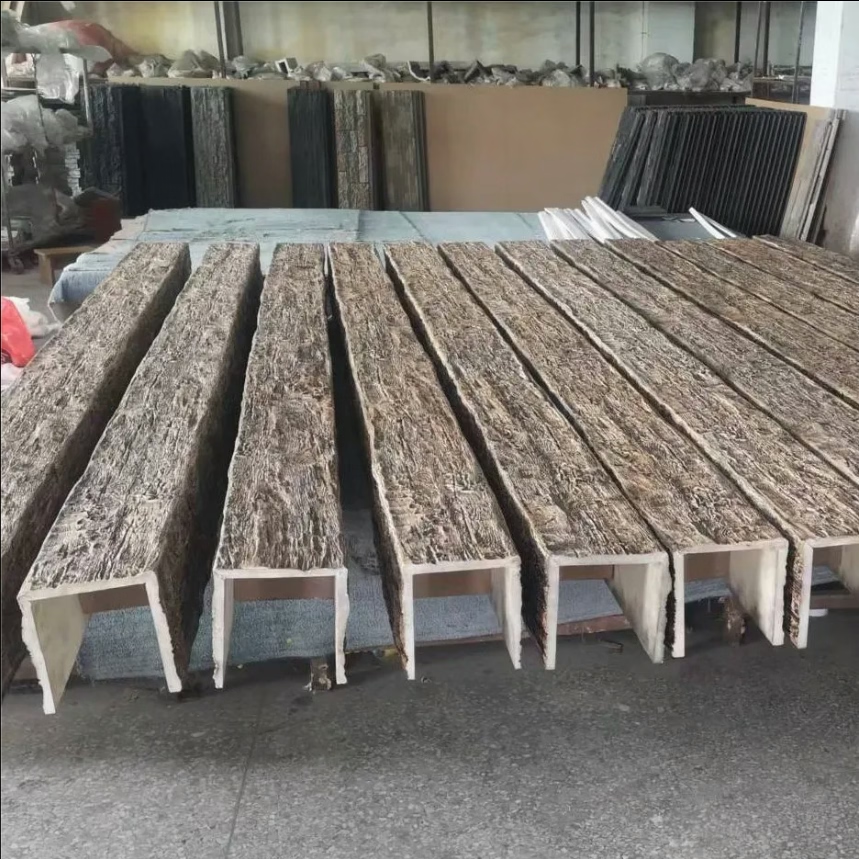
The appeal of aged materials in interior design runs deeper than simple fashion. There's something about surfaces that show evidence of time—subtle wear patterns, gentle weathering, the marks of use and exposure—that engages our appreciation for authenticity and history. These qualities create emotional resonance that perfectly smooth, manufactured surfaces cannot achieve. Yet genuine reclaimed materials present practical challenges that make them difficult to incorporate into many contemporary homes. Lightly distressed texture PU faux beams offer a thoughtful compromise, providing the character of aged timber with the practical benefits of modern manufacturing.
The key word in this context is "lightly." Full distress treatments that create dramatic weathering, deep scratches, and heavy aging can overwhelm contemporary interiors and clash with many design schemes. Subtle distressing, by contrast, adds just enough character to prevent beams from appearing too new or manufactured while maintaining the clean sensibility that most residential spaces require. This restraint distinguishes tasteful vintage styling from the heavy-handed approach that ages poorly and dates quickly.
Understanding how to incorporate lightly distressed beams successfully requires attention to both the nature of the distressing itself and how it relates to the broader design context. When done well, these beams feel like natural elements that have always been present rather than decorative additions attempting to simulate age.
The Art of Subtle Distressing
Authentic distressing on natural materials results from genuine wear over extended periods—foot traffic, sun exposure, moisture cycling, physical contact, and countless other factors that gradually alter surface appearance. Simulating this effect convincingly requires understanding what actually happens during genuine aging and reproducing those changes in ways that appear natural rather than forced.
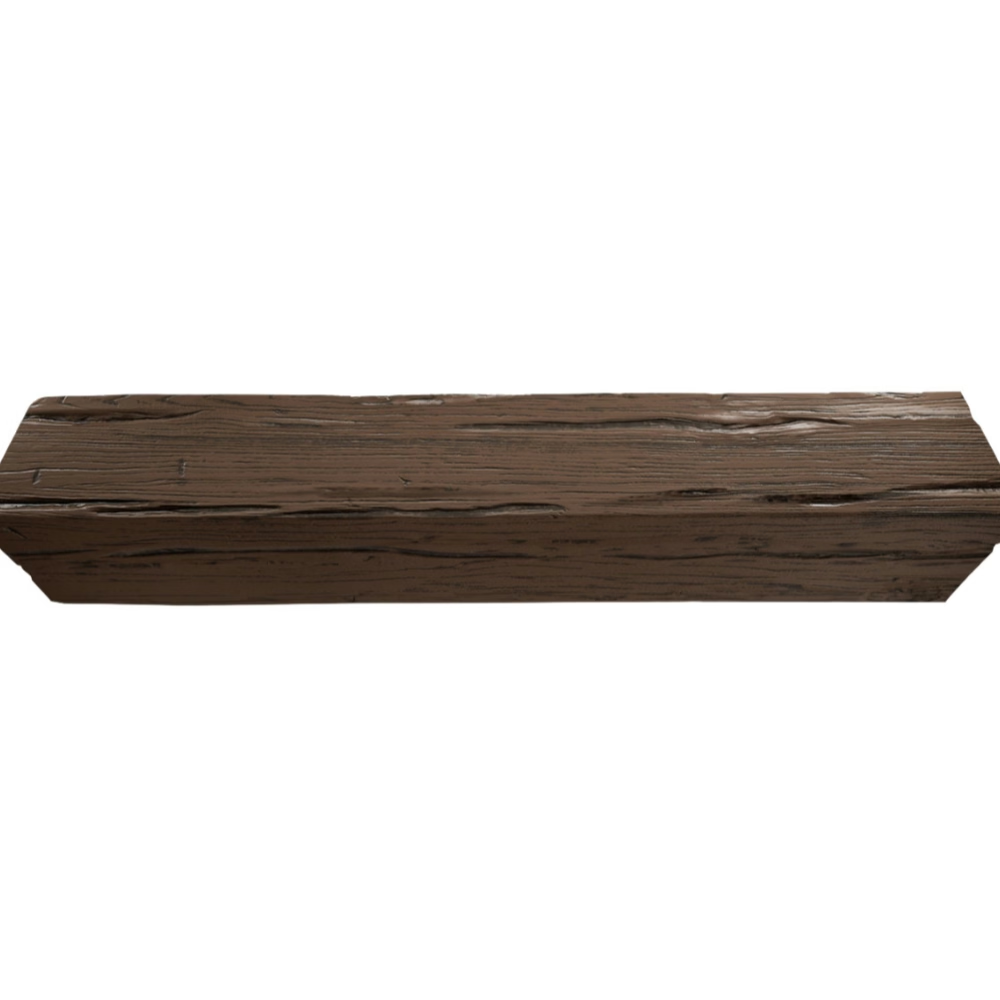
Light distressing typically involves subtle surface variations rather than deep penetration. The goal is suggesting the beginning of an aging process rather than decades of heavy use. This might include faint scratches that catch light at certain angles, slight color variations that hint at uneven exposure, or minor surface irregularities that break up the uniformity of manufactured materials.
The distribution of distressing matters significantly for authenticity. Random, organic distribution feels natural; regular, patterned distressing looks artificial. Quality distressing appears consistent with the way materials actually age—more wear in high-contact areas, more sun exposure on south-facing surfaces, moisture effects near ground level or in humid environments.
Color variations in lightly distressed beams typically remain subtle, involving tone shifts rather than dramatic contrast. A light oak beam might show slightly darker tones in crevices and corners where dust and use accumulate, while maintaining overall lightness across flat surfaces. These variations add depth without creating the busy appearance of heavily antiqued treatments.
The texture of distressing involves both visual and tactile qualities. The surface should feel slightly varied underhand, with subtle irregularities that become apparent only on close inspection. This tactile dimension distinguishes quality distressing from superficial treatments that look worn but feel smooth.

Why Polyurethane Excels at Distressed Textures
The engineering of polyurethane allows creation of distressing effects that would be difficult or impossible with natural materials. This manufacturing advantage translates into practical benefits for homeowners and designers.
Consistency of quality in polyurethane beams ensures that every piece in an installation displays consistent distressing characteristics. Natural timber varies significantly—some pieces show substantial aging while others appear relatively new. Polyurethane allows precise control over distressing intensity, ensuring that the overall installation achieves the intended effect.
The durability of polyurethane means that distressing effects remain stable over time. Genuine distressing on natural wood continues changing as aging progresses; the dramatic effect visible on newly installed reclaimed timber may evolve further in coming years. Polyurethane distressing maintains its appearance indefinitely, providing reliable character without ongoing change.
Color retention in quality polyurethane beams ensures that any stains, glazes, or other color treatments applied during distressing remain stable. Natural wood distressing often involves color loss as surface materials wear away; polyurethane distressing maintains its color regardless of handling or cleaning.
The lightweight nature of polyurethane simplifies distressing applications that would be structurally problematic with natural materials. Heavy distressing that removes substantial material might compromise the strength of natural timber; polyurethane can be textured without affecting structural integrity.
Design Contexts for Lightly Distressed Beams
Lightly distressed beams complement various interior styles, though the specific application should respond to the overall design vocabulary and the level of distressing appropriate to each context.
Farmhouse and country interiors naturally accommodate lightly distressed beams, where the rustic character aligns with the overall aesthetic. These spaces often feature weathered furniture, vintage accessories, and a color palette derived from natural materials. Distressed beams contribute to this atmosphere without introducing elements that feel out of place among existing furnishings and finishes.
Transitional interiors—those blending traditional and contemporary elements—benefit from lightly distressing that bridges these sometimes-contradictory aesthetics. The texture adds warmth and character that prevents contemporary elements from feeling cold, while the restraint of subtle distressing maintains the clean sensibility that transitional spaces typically require.
Industrial-influenced interiors can incorporate lightly distressed beams as natural material counterpoints to manufactured industrial elements. The organic texture of distressed wood provides visual relief from concrete, metal, and other industrial materials while complementing rather than competing with the raw, honest character of industrial design.
Coastal and beach-influenced interiors may incorporate light distressing that suggests the salt-weathered wood found in marine environments. This application requires careful tonal selection—driftwood greys and weathered bleached finishes rather than the warm tones appropriate to farmhouse applications.
Selecting the Right Distressing Level
The intensity of distressing significantly affects how beams will function within a design scheme. Several factors should guide this selection.
Existing material age in the space provides important context. A room featuring new construction with contemporary finishes can support lightly distressed beams as the primary aging element, but the same beams might feel underwhelming in a room already featuring reclaimed materials, vintage furniture, and evident wear throughout.
Overall design balance requires that beam distressing relate appropriately to other elements in the space. Heavy distressing on beams might compete with substantial vintage furnishings, while insufficient distressing could disappear against primarily contemporary pieces. The goal is achieving visual harmony where each element contributes appropriately without overwhelming or being overwhelmed.
Room function influences distressing intensity. High-traffic areas may warrant slightly heavier distressing that can accommodate ongoing wear without appearing damaged. Formal rooms might benefit from restraint that maintains elegance while providing the character that distressed beams offer.
Lighting conditions affect how distressing will appear. Natural light reveals surface variations most clearly; artificial light may soften some textural details. Consider how beams will be illuminated in your specific space when evaluating distressing options.
Practical Benefits of Distressed Polyurethane
Beyond aesthetic considerations, lightly distressed polyurethane beams offer practical advantages that influence long-term satisfaction.
Maintenance for distressed polyurethane beams is simpler than for natural distressed wood. The distressing is built into the material rather than representing vulnerable surface layers. Regular cleaning maintains appearance without concern for wear-through or appearance degradation.
Repair capability for polyurethane beams differs from natural wood. While natural distressed wood can often be touched up with additional distressing, this approach eventually compromises surface integrity. Polyurethane beams with damaged distressing cannot be repaired to original appearance, but the material's durability makes such damage unlikely under normal use.
Installation reliability improves with polyurethane beams. Natural distressed timber may have weak points from the genuine aging process—splits, checks, or rot-prone areas that complicate installation and long-term performance. Polyurethane distressing occurs in material with consistent, known properties.
Environmental resistance makes polyurethane suitable for applications where natural distressed wood might deteriorate. Humidity variations, temperature changes, and other environmental factors that affect natural wood differently do not impact polyurethane distress consistency.
Integration with Other Design Elements
Successfully incorporating lightly distressed beams requires attention to how they relate to other materials and finishes in the space.
Flooring materials should complement beam distressing without creating visual competition. Hardwood floors in similar tones create cohesive material continuity; contrasting flooring materials might emphasize the beams but require careful tonal balance to avoid clashing.
Wall treatments interact significantly with beam appearance. Shiplap or other wood wall treatments in tones similar to beams create layered wood interest that can become busy if not managed carefully. Solid-color walls often provide better backdrop for distressed beams, allowing their texture to stand out without competing elements.
Furniture selection should acknowledge beam character without overwhelming the space with too many vintage elements. A few key vintage pieces complement distressed beams; a room full of heavily distressed furniture may compete with rather than support the beam installation.
Textiles and soft goods offer opportunity to bridge the gap between distressed beams and more refined elements. The texture of linen, the softness of wool, and the organic character of natural fibers create harmony with distressed wood that smoother materials cannot achieve.
Achieving Timeless Rather Than Dated Results
The goal with distressed beams should be creating timeless character rather than simulating a particular era or style. This distinction matters for long-term satisfaction.
Truly timeless distressing suggests age without specifying a particular period. The marks of gentle use rather than dramatic historical events create this timelessness—subtle scratches rather than deep gouges, gentle tonal variation rather than dramatic patina.
The quantity of distressing affects whether results feel timeless or dated. Light application that adds character without demanding attention creates subtle enhancement; heavy application creates a statement that may feel contrived or appropriate only to specific aesthetic contexts.
Context appropriateness determines whether distressing succeeds or fails. Distressed beams in an authentically vintage home feel right; the same beams in a brand-new construction with contemporary everything might feel incongruous. Consider whether distressing contributes genuinely to your space or merely attempts to create an effect that isn't supported by other elements.
Quality of execution separates convincing distressing from obvious simulation. Subtle variations, organic distribution, and refined technique create results that feel authentic; crude attempts at distressing create appearance of lower quality that undermines rather than enhances the overall design.
Embracing Authentic Character
Lightly distressed texture PU faux beams offer a pathway to vintage rustic style that works in contemporary contexts. They provide the character and warmth that make spaces feel established and loved while maintaining the practical qualities that modern life demands.
The key lies in restraint—selecting distressing levels that add rather than overwhelm, and integrating beams thoughtfully with other design elements. When done well, these beams feel like natural presences in the home, elements that have contributed to the space's character for years rather than decorative additions seeking to simulate age.
Consider how lightly distressed beams might serve your design goals, bringing subtle vintage warmth to your contemporary spaces.
Technical References
ASTM standards cited in every specification
Test Data
Lab results from internal testing program
Updated 2026
Reviewed against current product specs


