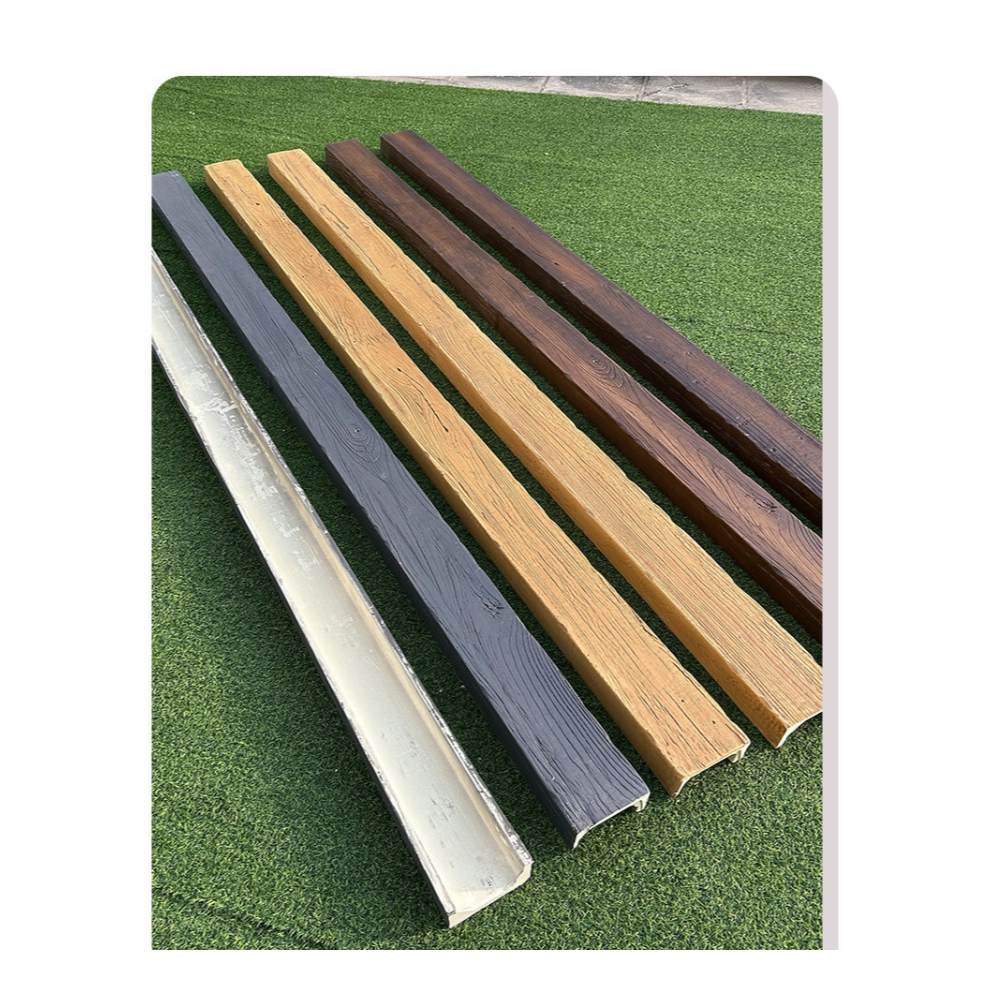
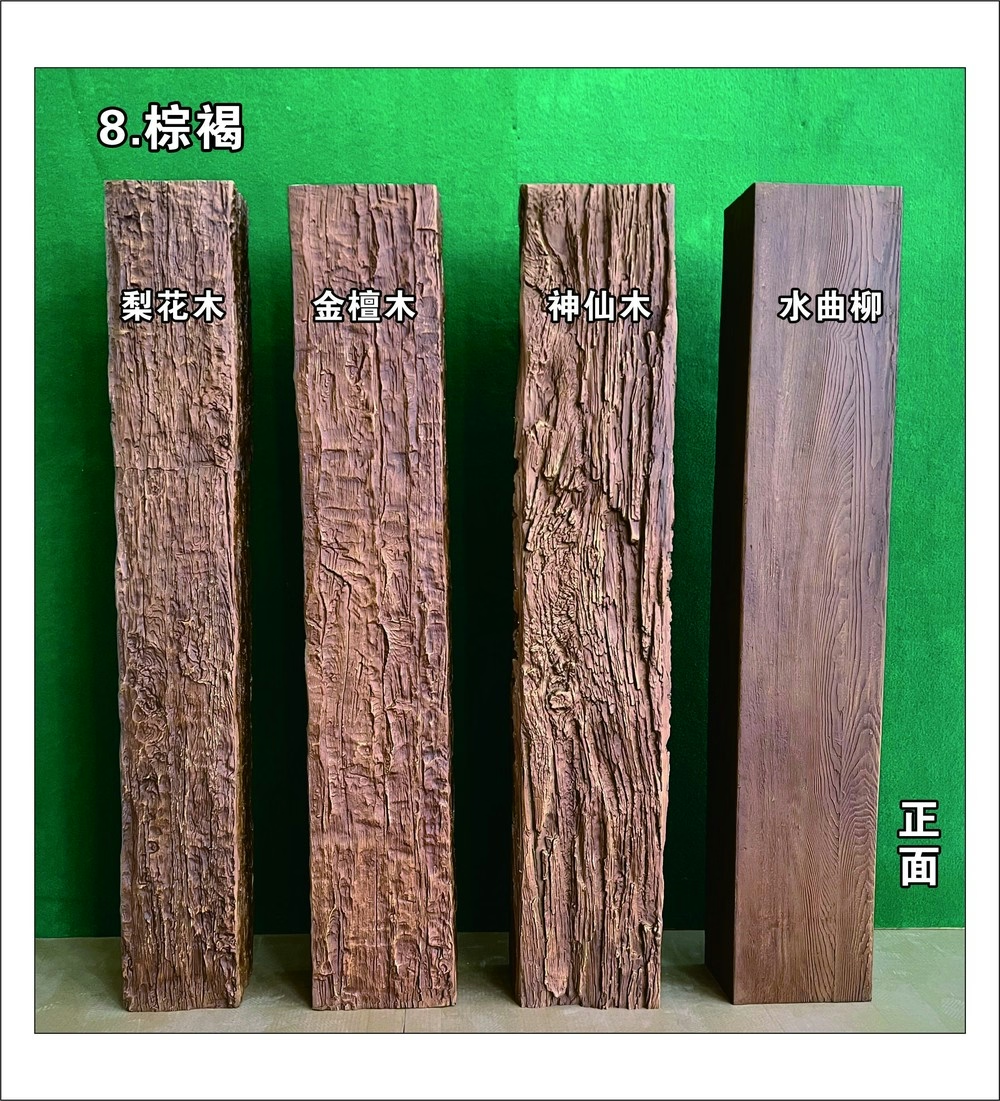
Homeowners undertaking renovation projects frequently encounter situations where existing ceiling structure doesn't match their aesthetic preferences. Structural beams that serve necessary functions may appear too industrial, too weathered, or simply incompatible with desired interior styles. Covering these beams with decorative faux beams offers an attractive solution, but traditional approaches often present practical challenges. Lightweight 3-sided hollow PU faux wood beams address these challenges directly, providing an accessible path to achieving the wood beam aesthetic without the complications that other approaches entail.
The 3-sided design represents a thoughtful engineering solution to the beam wrapping problem. By leaving one face of the beam open, this construction style allows installation over existing structural elements without requiring complete beam encapsulation. The open back accommodates pipes, conduits, and other utilities that may run along structural beams. Most importantly, the hollow construction dramatically reduces weight compared to solid alternatives, transforming what might otherwise be a two-person installation into a manageable project.
Understanding the specific advantages and appropriate applications of 3-sided hollow beams helps homeowners and designers determine when this approach serves their needs best. The goal is matching practical solutions to actual requirements rather than applying one-size-fits-all thinking to situations that may demand different approaches.
Understanding 3-Sided Hollow Beam Construction
The engineering behind 3-sided hollow beams reflects careful consideration of both aesthetic and practical requirements. This construction style has evolved to address common challenges in beam wrapping applications.
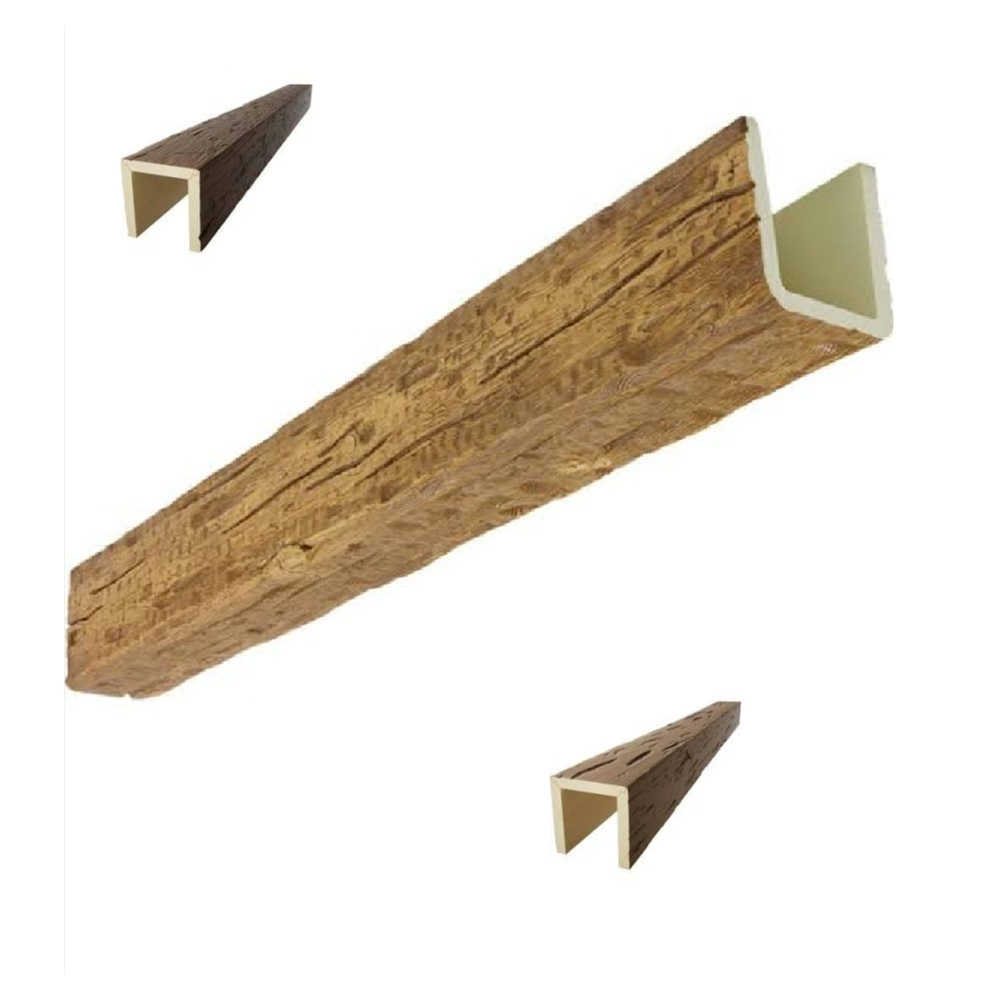
The open-back design distinguishes 3-sided beams from their 4-sided counterparts. While four-sided beams enclose completely, creating a solid appearance from all angles, 3-sided beams leave one face accessible. This opening faces upward when installed, allowing the beam to slip over existing structural elements like a sleeve. The result is complete visual coverage of the underlying structure while maintaining the practical advantages of hollow construction.
Hollow construction in 3-sided beams serves multiple purposes beyond weight reduction. The internal space accommodates wiring, small pipes, and other utilities that may run along structural beams. This cable management capability simplifies installation by eliminating the need to relocate utilities before beam installation. The hollow core also allows for internal LED strip lighting in applications where integrated illumination is desired.
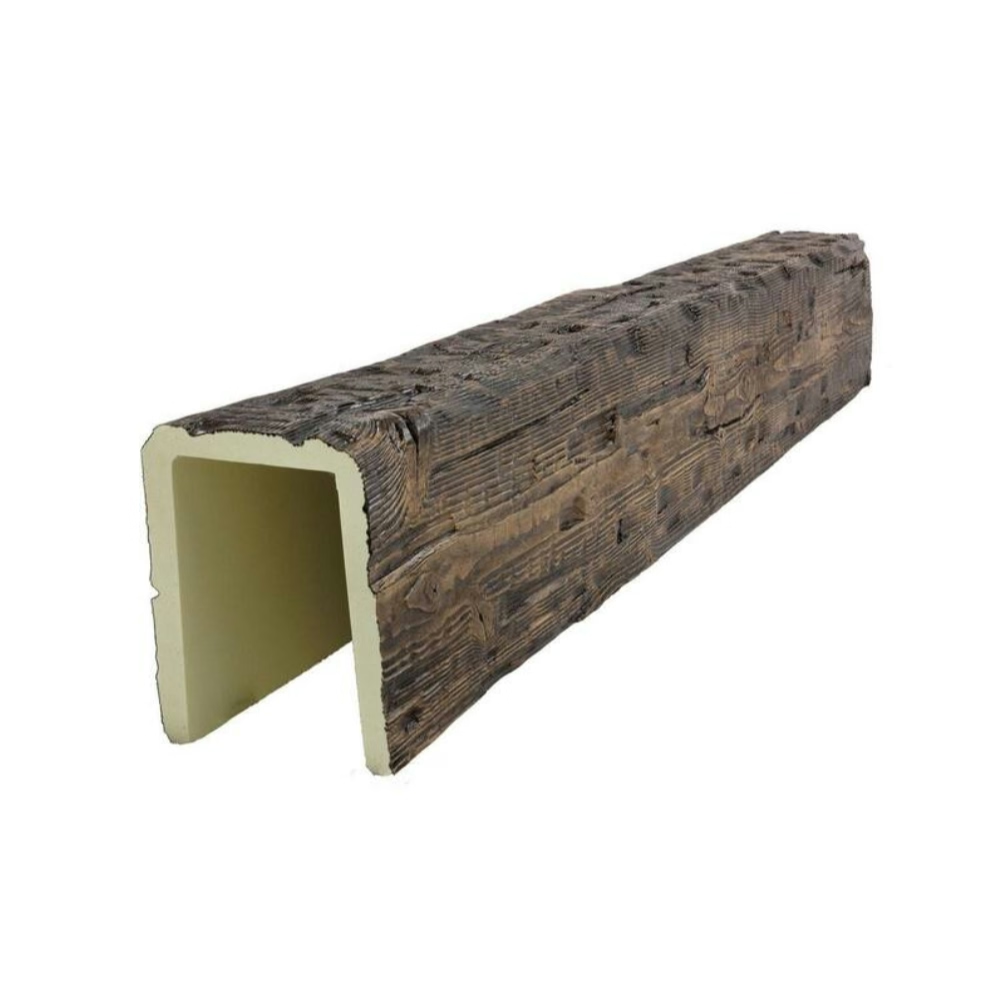
The three visible faces of these beams receive full finish treatment, with grain patterns, color, and texture matching quality standards applied consistently. From normal viewing angles, 3-sided beams appear identical to solid beams of the same profile. The open back becomes visible only from unusual perspectives—typically when standing directly beneath and looking straight up, or when accessing the space above the ceiling for maintenance.
Wall thickness in 3-sided beams balances structural requirements with weight considerations. The visible faces must provide sufficient thickness to convincingly replicate solid timber appearance, while the overall construction remains light enough for practical handling. Quality manufacturers achieve this balance through careful material selection and engineering.
Practical Advantages of Hollow 3-Sided Design
The 3-sided hollow approach offers specific advantages that make it the preferred choice for many beam wrapping applications.
Weight reduction represents the most immediately apparent benefit. Hollow construction can reduce beam weight by fifty percent or more compared to solid alternatives of equivalent dimensions. This weight savings translates directly into easier handling, simpler installation, and reduced requirements for mounting hardware. A beam that would require two or three people to lift as a solid piece might be manageable by a single installer in hollow form.
Installation speed improves substantially with lighter weight and simpler handling. Projects that might take multiple days with heavy solid beams can often be completed in a single day with hollow alternatives. This efficiency benefits both professional contractors, who can complete more installations in a given time, and DIY homeowners, who can manage projects that might otherwise exceed their capabilities.
The open-back design simplifies alignment during installation. Rather than needing to fit beams precisely around existing structure, installers can slide 3-sided beams over structural elements from below, making adjustments as needed until proper positioning is achieved. This approach accommodates the minor variations that often exist in real-world construction where nothing is ever perfectly straight or precisely positioned.
Access preservation for future maintenance distinguishes 3-sided beams from solid wrapping alternatives. Utilities running along structural beams remain accessible from above—the hollow space within the beam provides pathways for inspection and modification without beam removal. This accessibility proves valuable in commercial applications and anywhere that mechanical systems may require future attention.
Ideal Applications for Beam Wrapping
3-sided hollow beams serve various applications where covering existing structural elements is desired, though certain situations particularly benefit from this approach.
Over exposed ceiling joists represents the most common application. Many homes, particularly those with vaulted ceilings or exposed architectural structure, feature ceiling joists that may be visually unappearing or inconsistent with desired interior style. 3-sided beams can cover these joists while maintaining the architectural interest that exposed structure provides—transforming industrial-looking joists into warm wood beams.
Wrapping steel beams addresses a frequent design challenge in both residential and commercial construction. Steel beams, often required for structural support in open floor plans, typically present industrial aesthetics that clash with warm interior styles. Covering steel beams with 3-sided faux wood beams allows the structural function to continue while achieving the wood beam appearance that interior design requires.
Column wrapping extends the beam wrapping concept to vertical elements. While technically different from ceiling beams, wrapped columns often use similar construction techniques and achieve comparable aesthetic results. 3-sided hollow beams can be arranged around structural columns, providing wood column appearance while accommodating any utilities that may run along the column.
Tray ceiling construction benefits from 3-sided beam elements that define the tray profile while maintaining the hollow construction appropriate for these architectural features. The beams can create the characteristic stepped profile of tray ceilings while providing cable management channels and potentially integrated lighting.
Arched and curved applications present interesting possibilities with flexible 3-sided hollow beam products. While traditional wood cannot easily accommodate curved forms, some polyurethane beam products offer sufficient flexibility for gentle curves. This capability opens design possibilities that would be impractical or impossible with solid timber alternatives.
Installation Approaches and Considerations
Successful installation of 3-sided hollow beams requires attention to several factors that affect both immediate results and long-term performance.
Structural assessment should precede any beam wrapping project. The existing structural elements must be sound and properly sized for their load-bearing function. Beam wrapping adds negligible weight, but the installation process and any attachments should not compromise structural integrity. When in doubt, consultation with a structural engineer provides reassurance and may identify issues requiring attention before installation proceeds.
Mounting methods for 3-sided beams typically involve cleats, brackets, or direct attachment to existing structure. The specific approach depends on beam dimensions, ceiling construction, and manufacturer recommendations. Quality manufacturers provide detailed installation guidelines that should be followed carefully to ensure secure, lasting results.
Alignment and leveling deserve careful attention during installation. While minor variations in existing structure are normal, the installed beams should appear level and properly positioned. Temporary bracing during installation helps maintain alignment until mounting hardware is fully secured. Taking time to achieve proper alignment prevents problems that would be difficult to address after installation is complete.
Joint treatment between beam ends and at corners requires attention to achieve clean, professional results. Gaps, misalignment, or inconsistent joint treatment can undermine otherwise successful installations. Manufacturer recommendations for joint treatment should be followed, and testing joint appearance before final installation helps ensure satisfying results.
Selection Criteria for 3-Sided Hollow Beams
Choosing appropriate 3-sided hollow beams requires evaluation of several characteristics that influence both appearance and performance.
Profile selection should respond to architectural context and design intent. Traditional profiles with multiple chamfers and decorative details suit period-appropriate or transitional interiors; simpler rectangular profiles work better in contemporary contexts. The selected profile should feel appropriate to the space without overwhelming other design elements.
Finish quality determines how convincingly beams replicate natural wood appearance. High-quality finishes display realistic grain patterns, appropriate color variation, and surface textures that feel authentic. Inferior finishes may appear obviously artificial, undermining the design intent. Requesting samples and examining them in your actual space before purchasing provides valuable evaluation opportunity.
Dimensional accuracy affects installation ease and final appearance. Beams should maintain consistent dimensions throughout their length, with profiles that match manufacturer specifications precisely. Variations can complicate installation and create visible problems in the finished result.
Hardware quality for mounting affects long-term security of the installation. Quality mounting systems provide sufficient strength to maintain beam position indefinitely while allowing adjustment during installation. The hardware should be concealed in the finished installation, contributing to clean appearance.
Maintenance and Durability Considerations
One of the significant advantages of polyurethane 3-sided beams is their minimal maintenance requirements compared to natural wood or other materials.
Cleaning procedures for polyurethane beams involve nothing more than occasional dusting or wiping with a damp cloth. The sealed surface resists staining and doesn't absorb moisture, simplifying maintenance significantly. Unlike natural wood, there's no need for periodic sealing, staining, or refinishing to maintain appearance.
Durability against impacts and wear varies with beam quality but generally exceeds natural wood performance. Quality polyurethane resists dents, scratches, and other damage that would require repair on natural timber. This resilience proves particularly valuable in high-traffic areas or homes with children and pets.
UV resistance ensures that indoor installations maintain their appearance despite exposure to natural light through windows and skylights. Quality polyurethane resists the yellowing and fading that can affect natural wood and some synthetic alternatives when exposed to UV radiation over extended periods.
Temperature and humidity stability eliminates the expansion, contraction, and warping that natural wood experiences with environmental changes. This stability is particularly valuable in spaces with significant temperature variations or in regions with dramatic seasonal humidity changes.
Cost Considerations and Value
Evaluating the cost-effectiveness of 3-sided hollow beams requires understanding both initial investment and long-term value.
Material costs for 3-sided hollow beams typically fall below solid timber alternatives of equivalent dimensions. The reduced material requirements for hollow construction translate directly into material cost savings. Premium products with exceptional finish quality may approach solid wood pricing, but standard offerings generally provide cost advantages.
Installation savings compared to solid beams or traditional timber wrapping can be substantial. The lighter weight reduces labor requirements and installation time, potentially cutting installation costs in half or more for professional installations. DIY homeowners may find projects feasible with 3-sided hollow beams that would be impractical with heavier alternatives.
Long-term value considers maintenance costs, durability, and longevity. The minimal maintenance requirements of quality polyurethane beams eliminate ongoing costs that natural wood demands. The durability of the material reduces repair and replacement probability. When these factors are included, the total cost of ownership for hollow beams often compares favorably to alternatives despite potentially higher initial costs.
Return on investment for beam wrapping projects can be significant. The aesthetic transformation that successful beam wrapping achieves adds tangible value to homes, particularly in markets where wood beam ceilings are valued features. The relatively modest cost of hollow beam installation compared to the value it adds makes this one of the more cost-effective home improvement options available.
Making Your Beam Wrapping Decision
Lightweight 3-sided hollow PU faux wood beams offer practical advantages that make beam wrapping projects accessible to a broader range of homeowners and applications. Their combination of authentic appearance, light weight, hollow construction, and easy installation addresses the challenges that have historically complicated beam wrapping projects.
Whether you're covering industrial steel beams, transforming exposed joists, creating architectural tray ceilings, or wrapping structural columns, 3-sided hollow beams provide a solution that balances aesthetic goals with practical considerations. The result is beam wrapping projects that achieve satisfying results without requiring the expertise, equipment, or expense that alternatives might demand.
Consider your specific situation—the existing structure, desired aesthetic, budget constraints, and project scope—when evaluating whether 3-sided hollow beams serve your needs. The advantages these beams offer make them worth serious consideration for virtually any beam wrapping application.
Technical References
ASTM standards cited in every specification
Test Data
Lab results from internal testing program
Updated 2026
Reviewed against current product specs