
The appeal of rustic timber in interior design is enduring and nearly universal. There is something fundamentally reassuring about the look of old wood — the grain patterns that tell stories of growth rings and seasonal variation, the surface texture that speaks to years of use and weathering, the warmth of tones that synthetic materials historically could not replicate convincingly. For generations of homeowners and designers, achieving this look meant using actual reclaimed timber or new wood deliberately distressed to simulate age. Both approaches carried substantial weight penalties, both literally and in terms of structural engineering requirements. Polyurethane faux wood beams have changed that calculus without sacrificing the visual qualities that make rustic timber so appealing.
The Authentic Look of Weathered Timber in a Lightweight Package
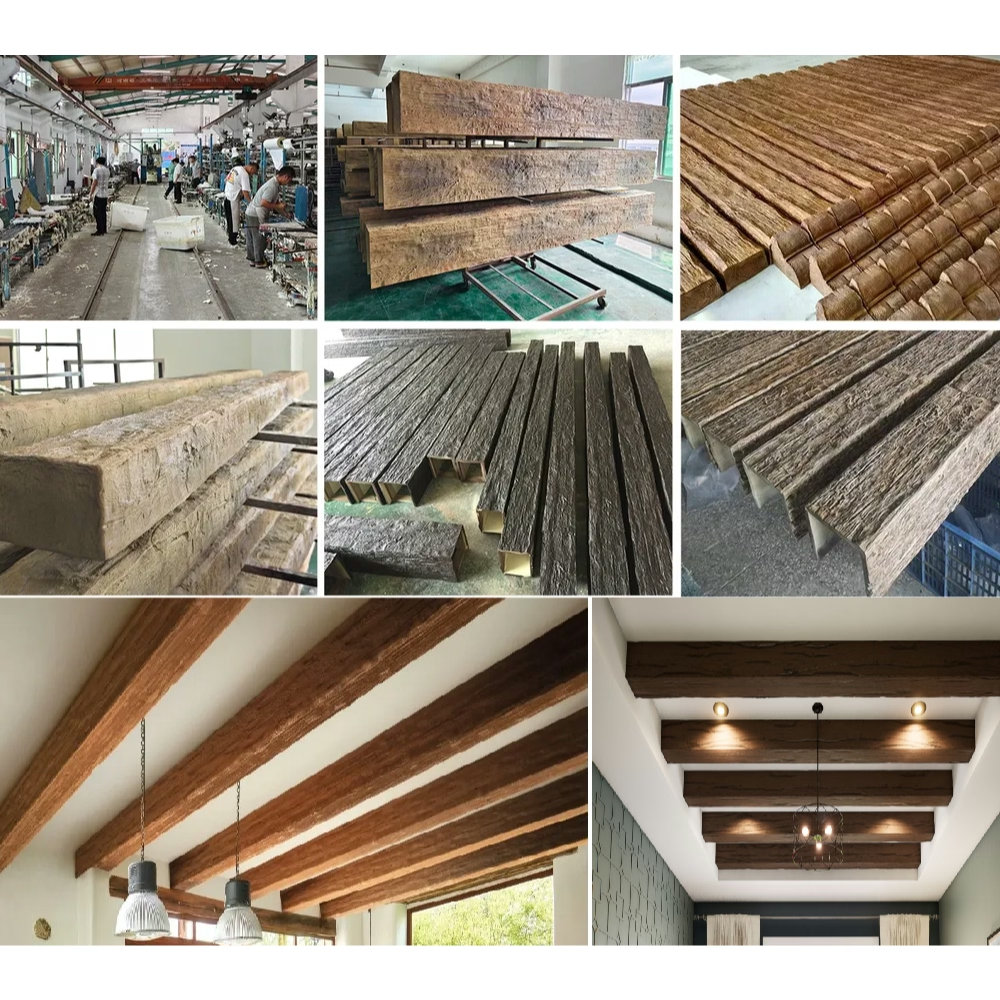
Modern finishing techniques applied to polyurethane cores produce textures and colorations that rival natural wood in their authenticity. Deep grain embossing with relief depths of 3 to 5 millimeters catches directional light in ways that flatter surfaces look dimensional and alive. Multi-layer color application — base coats, toner layers, and glaze washes applied in sequence — builds up the subtle tonal variation that characterizes aged wood without the expense of sourcing genuine reclaimed material.
The variety of rustic finishes available in the polyurethane beam market covers the full spectrum of weathered wood aesthetics. Deep charcoal gray barn wood finishes suggest structures that have stood for a century in Pacific Northwest rain. Warm honey-toned oak textures evoke the golden tones of timber barns in afternoon sunlight. Pale weathered white finishes recall the sun-bleached boards of coastal farmhouses. Each finish category typically includes multiple variations in grain pattern, distress density, and color saturation, allowing designers to match specific design visions precisely.
The key differentiator between convincing and unconvincing rustic faux beams lies in the subtlety of the aging details. Overdone distressing looks theatrical — too many random dents, too uniform a weathering pattern, colors that don't integrate naturally. Quality manufacturers achieve authenticity by studying actual reclaimed wood specimens and replicating the specific combination of wear patterns, color migration, and texture that occurs in real aging rather than simulating it through exaggerated random effects.
Applying Rustic Beams Across Design Styles
The rustic beam aesthetic crosses multiple design categories with surprising versatility. In farmhouse interiors — a design category that has remained consistently popular for over a decade — timber beams anchor the kitchen, dining room, and living areas with a material that references agricultural heritage without literal farm equipment references. The most successful farmhouse beam installations use beams that are substantial enough to feel structural, with finishes that suggest genuine age rather than factory-applied character.
Cabin and lodge interiors respond particularly well to the darkest rustic finishes. Deep espresso, walnut, and aged oak tones complement stone fireplaces, leather furnishings, and warm-toned wood flooring in ways that lighter finishes cannot. Beams installed across vaulted or exposed rafter ceilings in mountain-style homes create the sense of shelter and enclosure that the best cabin designs achieve through mass and material rather than decoration.
Industrial loft conversions and urban modern spaces have adopted rustic beam aesthetics in a different register. Here, the beam's texture provides organic contrast against concrete, steel, and glass — a reminder of material warmth in spaces defined by manufactured surfaces. The juxtaposition of a heavily textured timber-look beam against a smooth concrete ceiling creates visual tension that feels intentional and designed rather than accidental.
Coastal and beach-style interiors use lighter rustic finishes — whitewashed oak, weathered gray, and driftwood tones — to introduce warmth without the heaviness that dark wood carries in sun-drenched spaces. The lightweight nature of polyurethane beams matters here too, since many coastal homes feature roof structures that were not designed to support the load of solid timber even in interior applications.

Pairing Rustic Beams with Other Design Elements
The visual impact of rustic beams depends significantly on the materials that surround them. Ceiling beams that float over smooth drywall without any transition look incomplete. The most satisfying installations create deliberate relationships between the beam and the wall surfaces it meets. This can be achieved through beam return details where the beam end wraps around to meet the wall, through decorative corbels or bracketry that visually supports the beam at its terminus, or through consistent finish coordination between the beam and adjacent millwork like window casings and door surrounds.
Lighting design interacts powerfully with rustic beam textures. Recessed fixtures aimed across the surface of deeply embossed beams create shadow patterns that emphasize texture. Cable-mounted industrial pendants hung from beam faces add function and visual weight. In vaulted ceiling applications, directional track lighting aimed along the beam runs creates a dramatic rhythm of light and shadow across the ceiling plane.
The relationship between ceiling beams and exposed flooring also deserves consideration. While the materials will not match exactly — the floor is likely a different species and age of real wood — maintaining a consistent color temperature and tonal warmth between the two creates the cohesive feel that makes rustic interiors feel complete. A room with warm honey-toned ceiling beams and cool gray-toned oak flooring will feel discordant even if both materials are individually attractive.
Long-Term Performance of Rustic Finish Polyurethane
One of the practical advantages that often goes unmentioned in design discussions is the long-term stability of finished polyurethane surfaces compared to natural wood. Real reclaimed timber, despite its authentic character, continues to age and change after installation. UV exposure through windows causes gradual fading on exposed surfaces. Humidity fluctuations lead to hairline checking and surface oxidation. Periodic refinishing is often necessary to maintain the appearance that made the material attractive at installation.
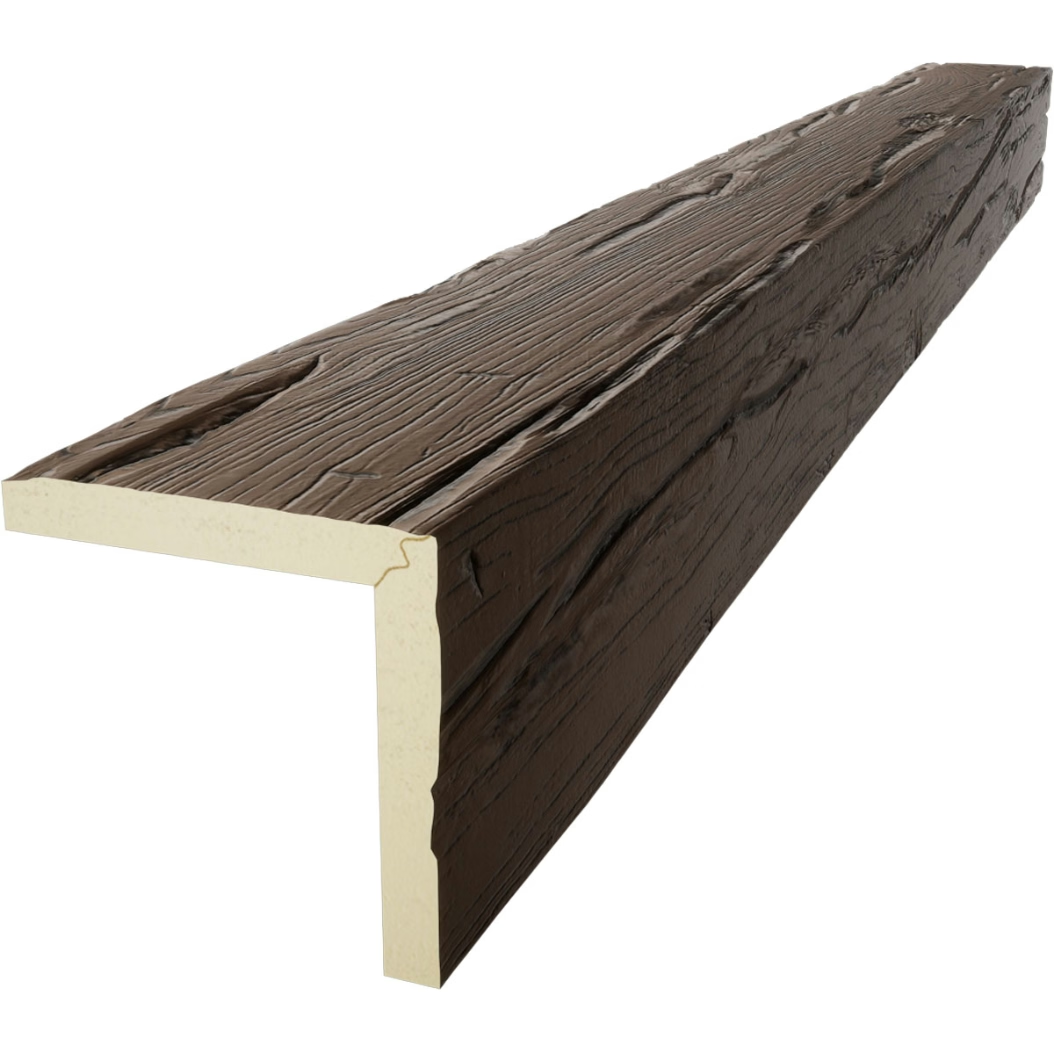
Polyurethane faux beams resist these degradation mechanisms at a fundamental level. The foam core does not absorb moisture, so humidity-related movement is eliminated. UV-stable topcoats resist the photochemical degradation that fades natural wood finishes. The embossed texture is molded into the surface rather than applied as a coating, so it cannot delaminate or wear away in the way that wood-grain vinyl wraps sometimes do.
This performance advantage translates into a lower total cost of ownership over the life of the installation. There is no need for periodic refinishing, no risk of unexpected surface deterioration, and no maintenance budgeting beyond occasional cleaning. For commercial installations in restaurants, hotels, and retail spaces where access for maintenance may be difficult and downtime is costly, this reliability profile is especially valuable.
Achieving Budget-Appropriate Rustic Character
The cost comparison between authentic reclaimed timber and quality polyurethane faux beams usually favors polyurethane significantly, but the degree of advantage depends on the specific alternatives being compared. Custom-milled new timber in unusual species or finishes can cost substantially more per linear foot than premium polyurethane alternatives. Even reclaimed timber, when available, often carries premium pricing for the material alone, plus additional costs for sorting, fumigation if required, and the specialized installation methods needed to handle the unpredictable characteristics of reclaimed material.
For projects where budget is a primary constraint, polyurethane beams allow the design intent to be achieved at a fraction of the cost of natural timber alternatives. The savings can be redirected toward other aspects of the project — higher quality lighting, more elaborate finish details on other surfaces, or simply a more generous budget contingency that provides flexibility as the project develops. This practical dimension of the polyurethane versus timber decision is not about compromising on quality; it is about achieving maximum design impact per dollar spent.
Technical References
ASTM standards cited in every specification
Test Data
Lab results from internal testing program
Updated 2026
Reviewed against current product specs


