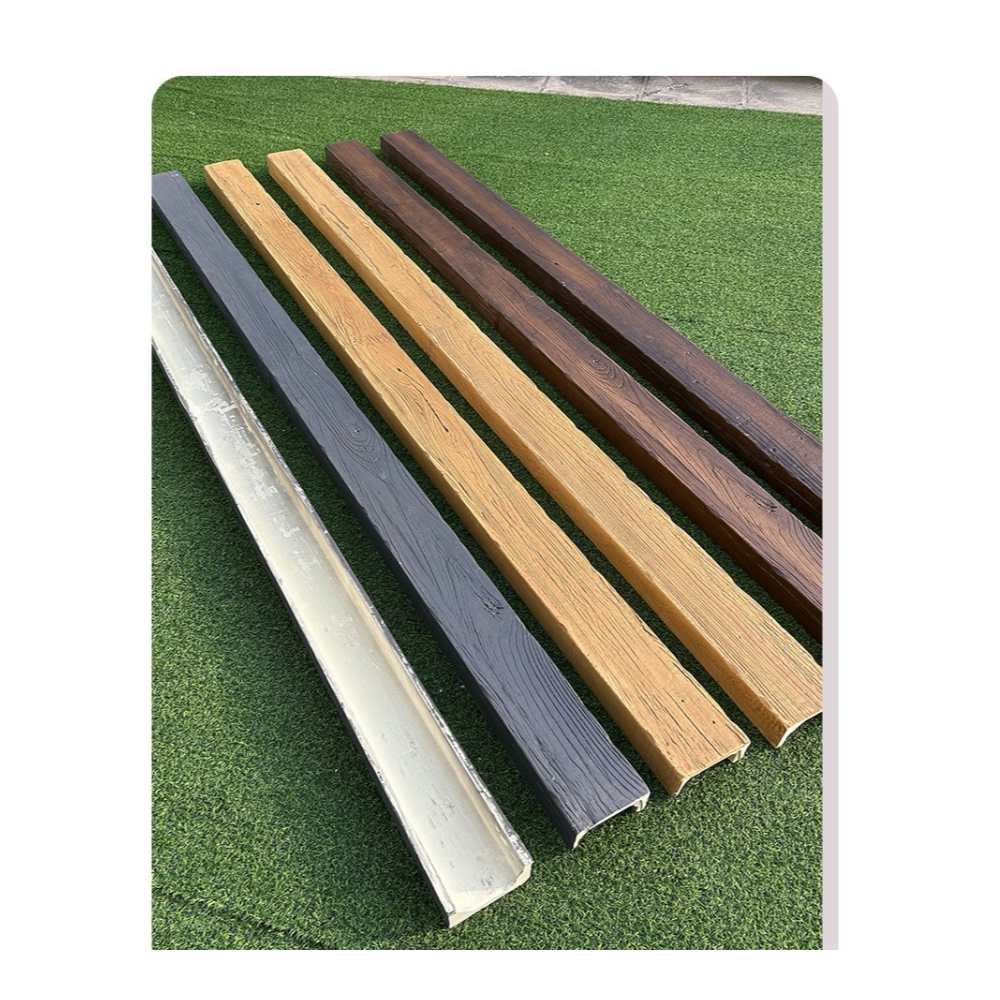
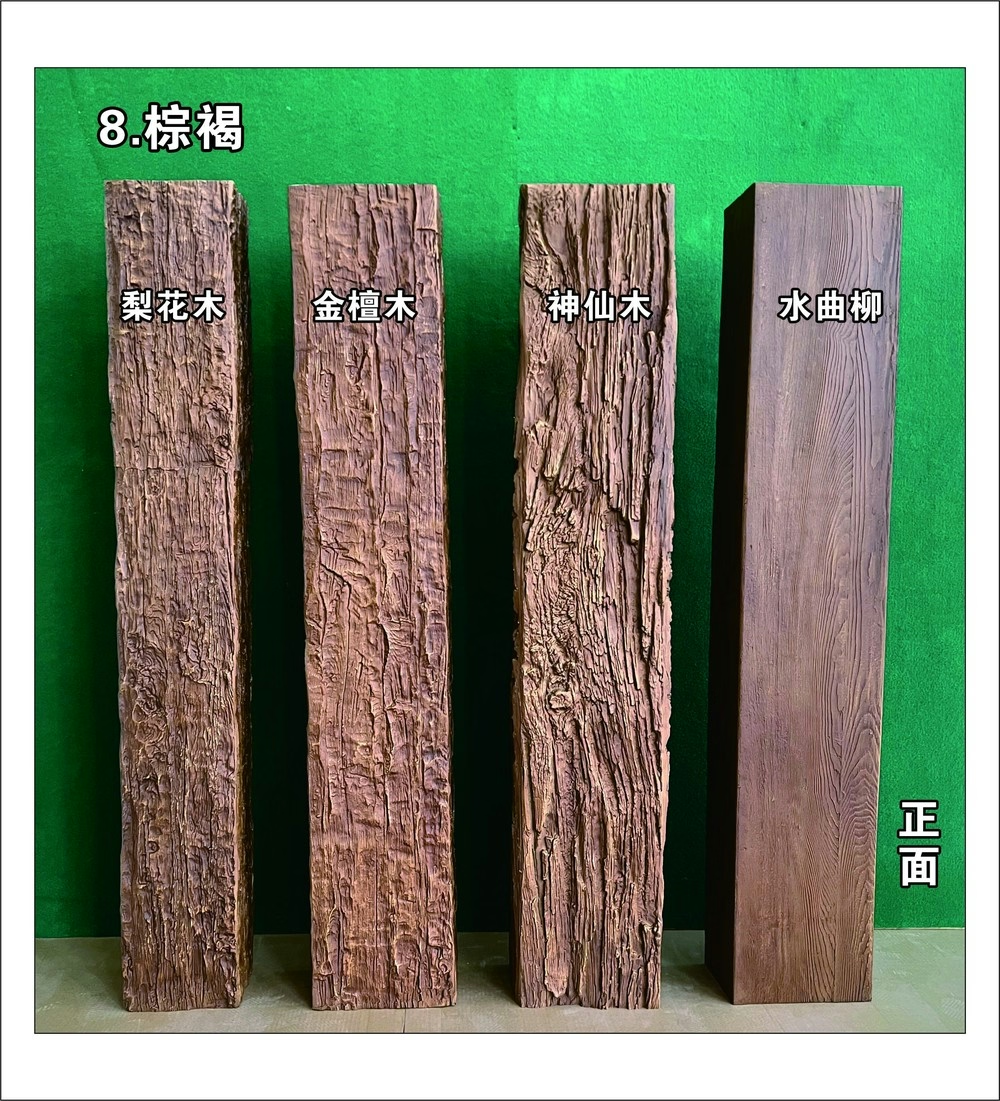
Construction projects involve countless decisions about materials, and increasingly, those decisions include a consideration that was once secondary: how much does this actually weigh? The weight of a building material has implications that cascade through logistics, labor planning, structural engineering, and installation methodology. For decorative timber beams, this weight consideration has traditionally been a significant constraint — one that limited design ambition, inflated budgets, and created installation challenges that only professional contractors could manage. Polyurethane faux timber beams have reframed this conversation entirely by delivering the visual weight and presence of real timber at a fraction of the physical weight.
Quantifying the Weight Difference
The numbers are worth examining directly because they reveal why the weight difference between polyurethane and natural timber matters so much in practice. Dense hardwoods like white oak can weigh 45 to 50 pounds per cubic foot when freshly milled. Even lighter softwoods like western red cedar and ponderosa pine typically weigh 22 to 30 pounds per cubic foot depending on moisture content. A solid 6-inch by 8-inch by 12-foot beam in Douglas fir — a common size for residential decorative applications — weighs approximately 165 to 185 pounds.
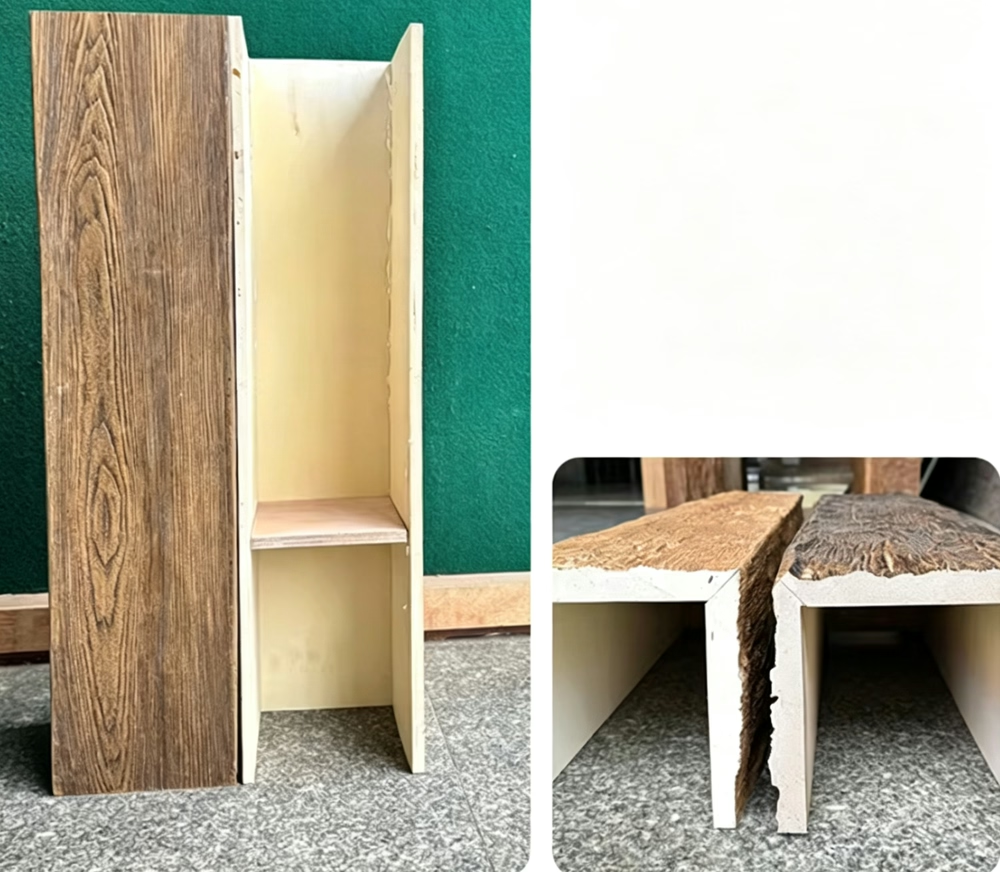
A hollow polyurethane beam with the same visual profile — 6-inch by 8-inch outer dimensions — typically weighs between 12 and 18 pounds for the same 12-foot length. That is roughly 10 percent of the weight of the timber equivalent. The reduction comes from the combination of a hollow interior that eliminates material from hidden surfaces and the intrinsically low density of closed-cell polyurethane foam. The foam used in quality faux beams has a density of 6 to 10 pounds per cubic foot, which is roughly one-quarter to one-third the density of the lightest common structural lumber species.
This weight difference is not merely a matter of convenience — it changes the entire installation methodology. A 185-pound timber beam requires at minimum two strong workers, possibly a third to handle positioning and alignment, and potentially a mechanical lifting device for beams longer than 10 feet or for any installation above a certain height. A 15-pound polyurethane beam requires one person and a ladder. That fundamental difference affects labor cost, scheduling flexibility, and the range of projects that can feasibly include decorative beam elements.
Lifting Dynamics and Single-Person Installation
The practical experience of lifting a lightweight polyurethane beam is qualitatively different from handling any comparable piece of dimensional lumber. The center of gravity for a hollow beam sits differently than for a solid piece of the same external dimensions, which affects how it balances when carried. Most people find that an 8 to 12-foot hollow polyurethane beam can be balanced on one shoulder, carried through doorways, and maneuvered up staircases with the same ease as moving a long piece of lumber of a fraction of the weight.
This single-person liftability has measurable effects on project economics. Labor cost estimates for timber beam installation must account for multiple workers and potentially equipment rental. Estimates for polyurethane beam installation can be based on single-worker productivity rates, which are typically higher per worker because the workflow is uninterrupted by coordination and communication between team members. A single installer can complete a multi-beam installation in less total time than a two-person team handling heavier timber pieces, despite the numerical difference in personnel.
The physical toll on workers is another consideration that is sometimes overlooked in cost calculations. Repeatedly lifting 150-pound timber beams is fatiguing and potentially injurious work, particularly in overhead positions that place stress on shoulders and lower backs. The lightweight nature of polyurethane beams reduces this ergonomic burden substantially, which may translate into fewer worker compensation claims and lower insurance costs for contractors who specify the material regularly.

Implications for Structural Planning and Engineering
In many renovation and remodeling projects, the existing structure was not designed with decorative ceiling beams in mind. Adding solid timber beams to a ceiling that was framed without accounting for that additional load creates a structural engineering problem that must be addressed before installation can proceed. The engineering review adds time and cost, and in some cases, the structural modifications required to support solid timber beams are invasive and expensive enough to effectively prohibit the installation.
Lightweight polyurethane beams sidestep this problem at its root. Because the beams weigh so little, the additional load imposed on the ceiling structure is negligible. A 12-foot polyurethane beam weighing 15 pounds imposes roughly the same load as a large potted plant or a ceiling-mounted flat-screen television — an incidental load that standard ceiling construction accommodates without modification.
This structural transparency also affects engineering requirements for the beams themselves. Hollow polyurethane beams are designed as non-structural cosmetic elements. They carry their own weight and any incidental loads such as light fixtures or ceiling fans when those are specified with their own independent mounting systems. They do not need to span between supports or carry any load other than their own mass. The mounting system, not the beam itself, bears the responsibility for maintaining position and alignment over the life of the installation.
Equipment and Tool Requirements for Lightweight Beam Installation
The shift from heavy timber to lightweight polyurethane affects tool and equipment requirements in ways that benefit both contractors and homeowners doing their own installations. The standard equipment list for polyurethane beam installation — tape measure, level, drill or driver, stud finder, screws, construction adhesive, step ladder — represents a minimal investment that most tradespeople and many homeowners already have on hand.
Contrast this with the equipment needed for solid timber beam installation, which may include a forklift or crane for long pieces, multiple ladders or scaffolding to position workers at the beam height, spreader bars or lifting slings to manage the weight safely, and possibly additional personnel for traffic control and site safety during the lifting operation. The equipment rental alone for these items can add hundreds or thousands of dollars to a project cost, on top of the labor costs for the additional personnel required.
The reduced equipment footprint also benefits projects in challenging access situations. Homes with narrow staircases, limited site access, or interior-only installation requirements where no exterior crane operation is possible can still accommodate decorative beams when those beams are lightweight enough to carry through the building. This expands the range of projects for which beam installations are practical, which benefits designers, contractors, and ultimately the end clients who have more options for achieving their aesthetic goals.
Safety Benefits of Reduced Beam Weight
Construction site safety is an area where the advantages of lightweight materials are unambiguously positive. Heavy material handling is consistently identified as a leading cause of workplace injuries in the construction industry. Strains, sprains, and back injuries resulting from improper lifting techniques affect thousands of workers annually and generate significant workers' compensation costs. Reducing the weight of materials that workers handle directly reduces the incidence and severity of these injuries.
For homeowners undertaking DIY installations, the safety benefit is equally meaningful but more personal in its impact. An inexperienced person attempting to handle a heavy timber beam is at significant risk of injury from the beam itself — either from losing control of the load or from the awkward postures required to maneuver a heavy, awkward piece in a confined space. The same person handling a lightweight polyurethane beam faces a dramatically lower injury risk, and the reduced physical demand of the work means that more attention can be directed toward accurate measurement and careful installation rather than simply managing the weight.
These safety considerations do not make dramatic headlines, but they affect the practical economics of beam installation in meaningful ways that compound over time. Contractors who consistently choose lightweight materials for their installation crews report lower injury rates and higher productivity, which contributes to competitive pricing and reliable project timelines. Homeowners who choose lightweight materials for their own installations return to their other activities without the physical exhaustion and minor injuries that often accompany heavy material handling.
Planning for Efficient Beam Installation
Achieving the full efficiency benefits of lightweight polyurethane beams requires planning that takes advantage of their handling characteristics. The sequence of work should be organized to minimize redundant movement — install all mounting hardware before bringing any beams to the ceiling, verify alignment of the full mounting system before placing any beam, and complete all cutting and drilling of beams before beginning installation.
This preparation-heavy approach is more efficient than the alternative of alternating between mounting and placing because it reduces the frequency of moving between floor and ceiling. For single-person installers, this is especially valuable because every trip up and down a ladder costs time and energy. Organizing the work to minimize these trips makes the installation proceed more quickly and with less fatigue than would otherwise be possible.
The lightweight nature of polyurethane beams also makes it practical to use temporary support systems that a single installer can set up and operate independently. Adjustable beam supports — essentially padded arms that temporarily hold the beam in position while permanent fasteners are driven — are inexpensive, widely available, and allow one person to achieve the alignment precision that would otherwise require a helper.
Technical References
ASTM standards cited in every specification
Test Data
Lab results from internal testing program
Updated 2026
Reviewed against current product specs