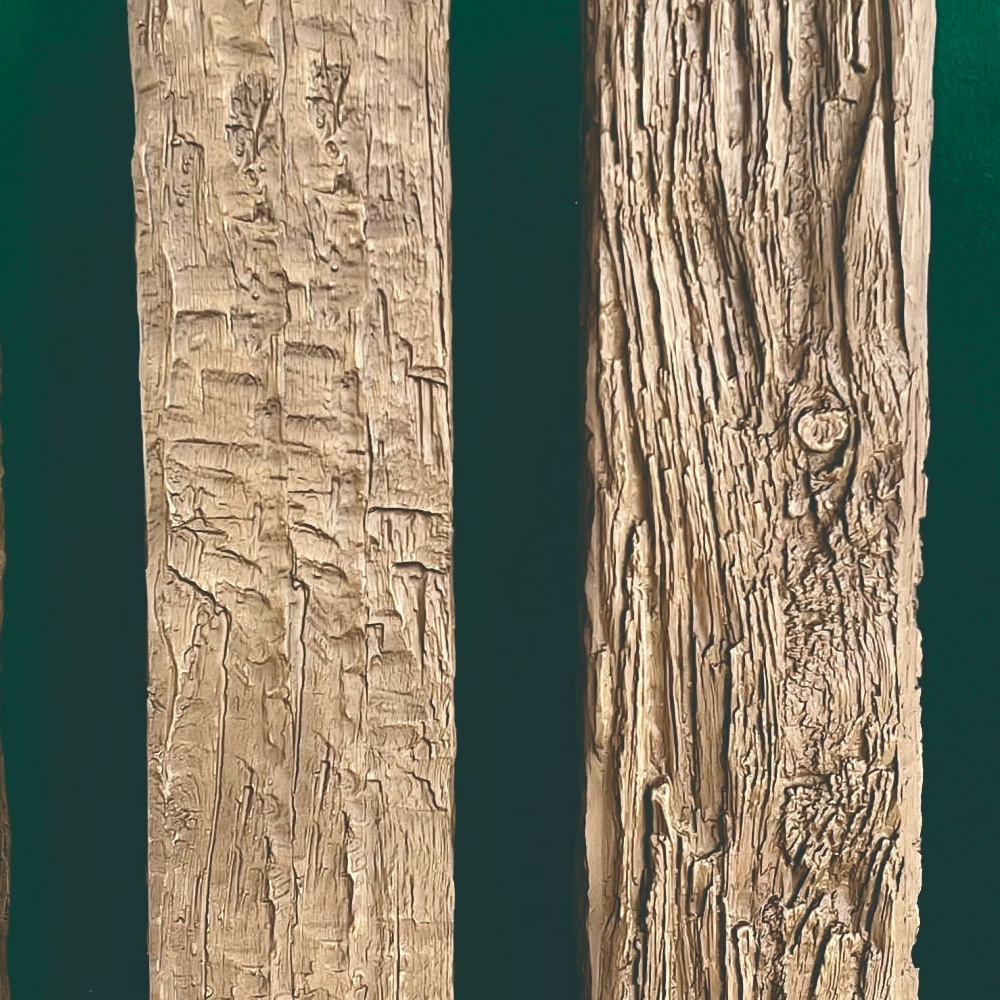
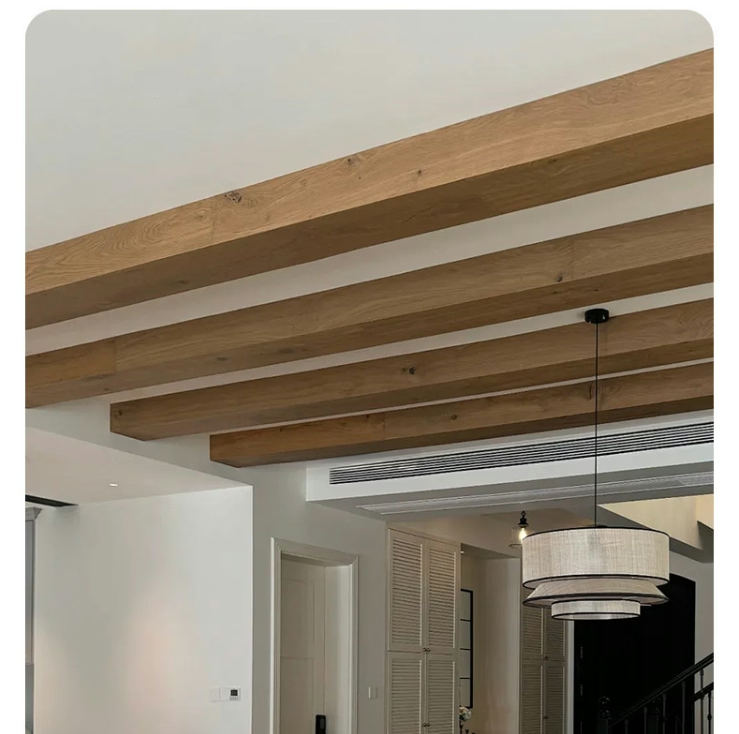
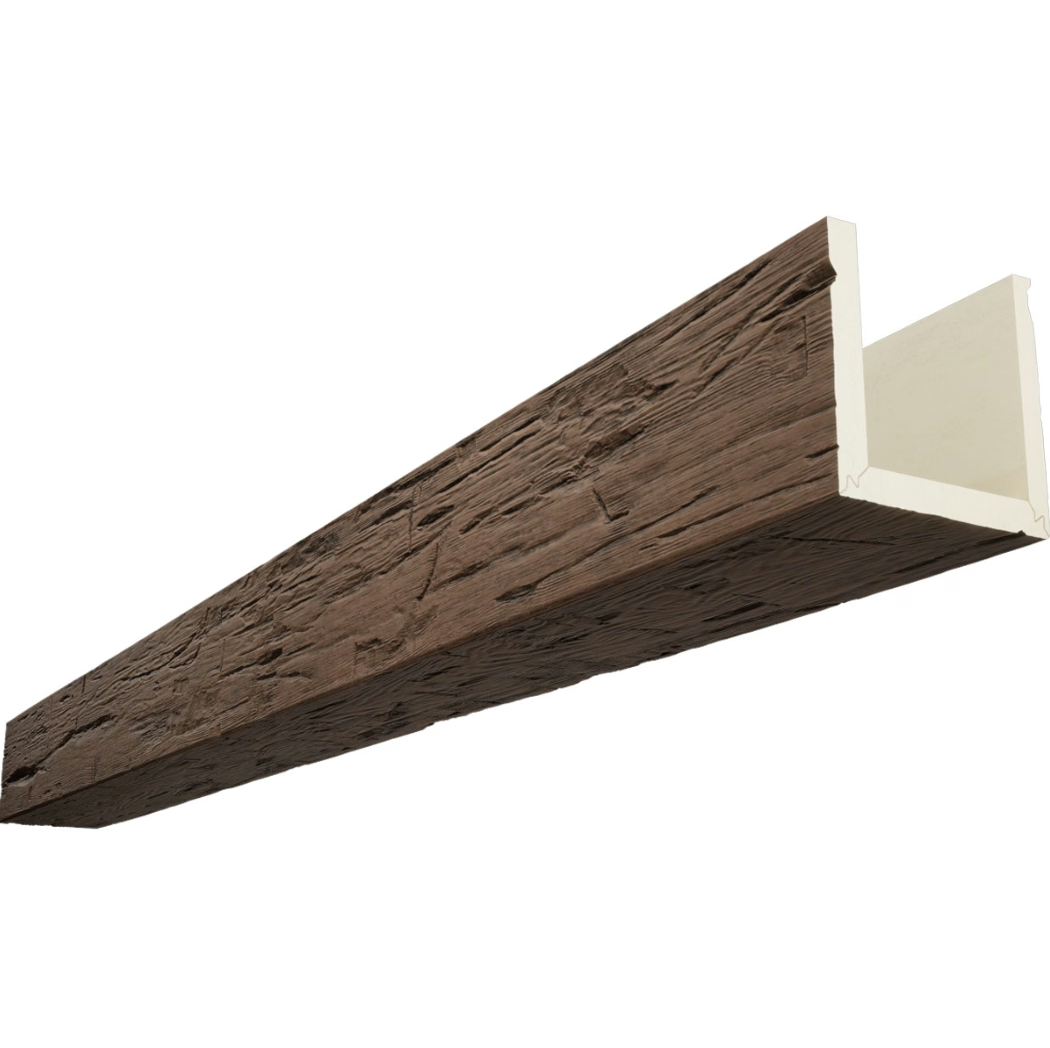
Trade show exhibition booths compete for attention in crowded convention halls where dozens of competitors display products within shouting distance. Standing out requires visual impact that draws attendees from across the exhibition floor. Ceiling treatments create dramatic overhead presence that draws the eye and invites exploration. Yet trade show booths face unique constraints: temporary installation, portable components, rapid setup and teardown, and shipping costs that multiply with weight. Lightweight polyurethane faux wood beams resolve these conflicts, enabling exhibition booth designs that achieve premium aesthetics within the practical realities of trade show logistics.
The exhibition and events industry has embraced engineered materials for good reason. Every dollar spent on shipping heavy materials to convention venues represents margin lost. Every hour spent on complex installation represents labor cost that could otherwise go toward better booth design. Lightweight alternatives that ship efficiently, install quickly, and look exceptional deliver competitive advantage that heavy materials cannot match.
Trade Show Logistics and Weight
Exhibition booth economics center heavily on logistics:
Shipping costs scale with weight. Carriers charge by the pound for ground freight and by dimensional weight for air shipments. Reducing package weight directly reduces shipping expenses that recur for every show.
Baggage fees affect air travelers carrying booth materials. Lightweight components fit within luggage allowances more easily; overweight charges accumulate quickly for heavy materials.
Drayage costs at convention venues charge per hundredweight for materials moved from freight dock to booth space. Lower weight means lower drayage invoices.
Material handling at venues requires workers to lift and position every component. Heavy pieces require more workers or equipment; lighter pieces one person can manage alone.
Portable Design Considerations
Trade show beams must accommodate portable requirements:
Modular assembly enables pieces that fit together efficiently. Beam segments that connect with simple hardware assemble quickly and disassemble for travel.
Protective packaging keeps lightweight materials safe during transport. Foam padding, corner protectors, and sturdy containers prevent shipping damage to beam surfaces.
Reusable systems serve multiple shows year after year. Quality materials that withstand repeated setup and teardown deliver better return on investment than disposable alternatives.
Compact storage minimizes warehouse space between shows. Beams that nest or pack efficiently require less storage area.
Installation Efficiency
Trade show schedules demand rapid installation:
Quick-connect hardware allows beams to be secured without specialized tools. Standard hex keys or simple hand tools handle most assembly operations.
Minimal cure time means adhesive systems that grab quickly rather than requiring hours to develop bond strength. Some applications use mechanical connections exclusively for immediate readiness.
Single-person handling eliminates coordination challenges. Installers don't need to wait for helpers to position heavy pieces; one person manages beam placement.
Standard safety practices suffice without special precautions. Heavy timber installation might require team lifting protocols; lightweight beams don't trigger these requirements.
Design Approaches for Exhibition Spaces
Trade show booth design differs from permanent installation:
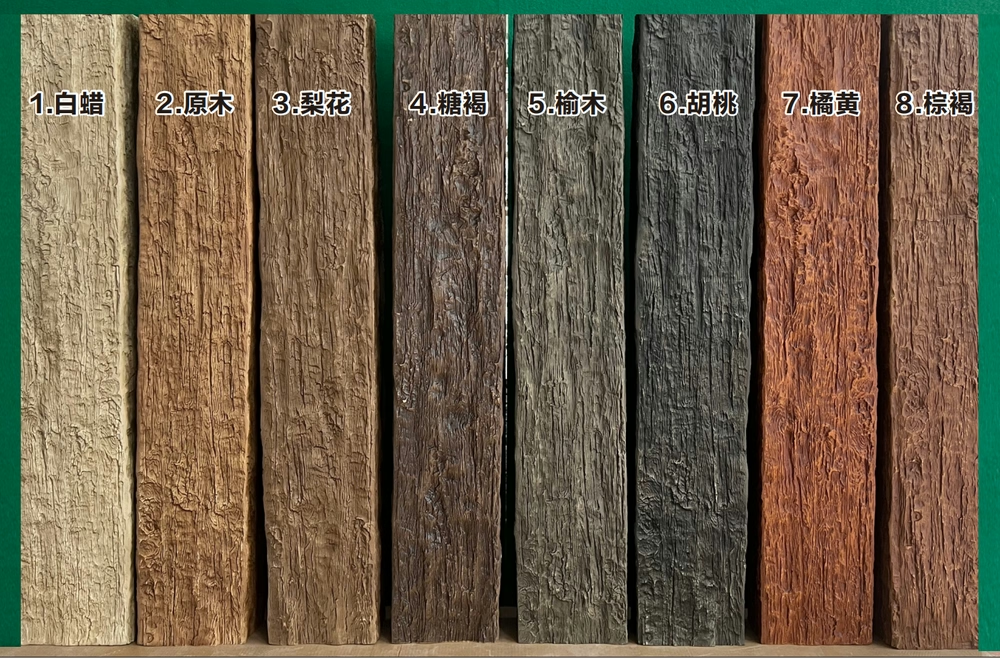
Brand reinforcement through beam finishes that match company color schemes or brand imagery. Custom staining or painted finishes create branded environments.
Product complement through aesthetic choices that harmonize with displayed merchandise. Rustic beams for farmhouse products; sleek beams for contemporary offerings; industrial beams for tools and equipment.
Traffic direction through beam placement that guides attendees through booth space. Strategic beam positioning creates natural flow patterns.
Photography optimization for event documentation. Booths designed with overhead presence photograph better for social media and press coverage.
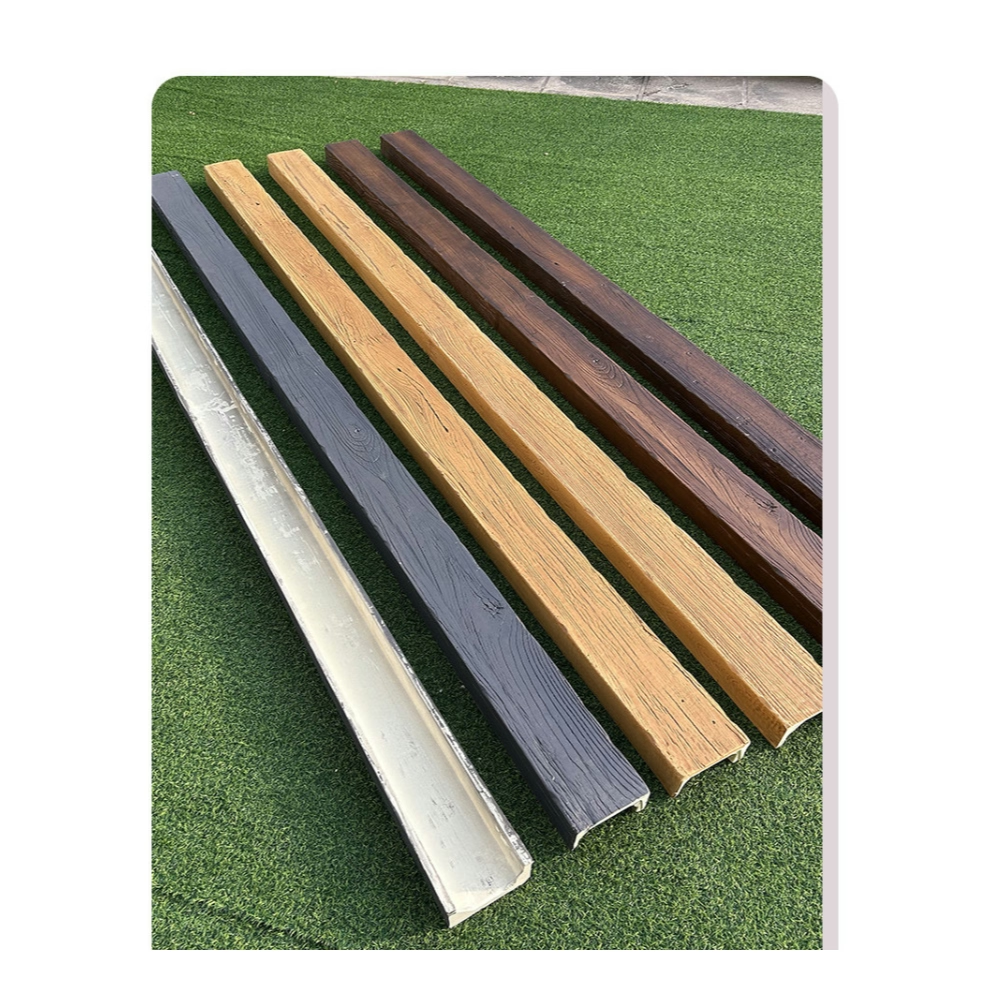
Visual Impact Strategies
Trade show beams must command attention:
Scale exaggeration creates dramatic presence. Beams sized larger than realistic structural requirements read as impressive overhead decoration rather than literal structure.
Lighting integration amplifies visual impact. Uplighting, spotlights, or integrated LEDs transform beam appearance after hall lighting dims.
Color contrast makes beams pop against booth backgrounds. Dark-stained beams against light booth walls create instant visual hierarchy.
Pattern repetition establishes rhythm that draws the eye across booth space. Consistent beam spacing creates movement and interest.
Durability for Repeated Use
Exhibition materials face more wear than permanent installations:
Surface hardness resists the scratches and scuffs of handling, setup, and teardown. Quality polyurethane accepts durable finishes that withstand repeated use.
Impact resistance prevents damage from accidental bumps during installation or booth operation. Quality materials flex slightly rather than cracking or denting easily.
Edge protection prevents the corner damage that lighter materials might experience. Molding or capping at beam ends protects vulnerable areas.
Finish renewal capability allows worn finishes to be touched up or refreshed between shows. Sanding and refinishing restores original appearance.

Storage and Maintenance Between Shows
Proper storage extends exhibition beam life:
Climate-controlled storage prevents temperature and humidity extremes that might affect materials. Consistent conditions maintain dimensional stability.
Vertical storage prevents warping or bending that horizontal stacking might cause. Dedicated beam racks keep pieces straight between uses.
Surface protection through wrapping or covering prevents dust accumulation and surface scratches. Clean beams install looking fresh.
Inspection routine identifies damage or wear between shows. Addressing issues during storage rather than at installation venues prevents last-minute problems.
Customization Options
Exhibition applications benefit from customization:
Custom lengths match specific booth dimensions precisely. Off-the-shelf lengths that require extensive cutting waste material and time.
Unique profiles create distinctive appearance that generic products cannot achieve. Custom-machined molds produce one-of-a-kind beam shapes.
Integrated features might include lighting channels, hanging points for signage, or structural connections for other booth elements.
Finish flexibility allows finishes that match temporary branding or event themes. Painted finishes change as brand needs evolve.
Industry Applications
Various industries benefit from exhibition beam treatments:
Home goods manufacturers create inviting vignettes that suggest residential settings. Warm wood ceilings invite attendees to imagine products in their homes.
Building material suppliers demonstrate product applications dramatically. Ceilings showing material possibilities inspire architectural choices.
Furniture retailers complete display settings with appropriate overhead treatments. Beam ceilings reinforce furniture aesthetics without shipping actual timber.
Food and beverage brands create comfortable hospitality spaces with wood warmth. Trade show booths that feel like actual rooms engage attendees longer.
Budget Considerations for Exhibitors
Trade show budgets require careful management:
Material investment in quality beams pays back across multiple shows. Dividing cost by number of uses reveals true per-show expense.
Shipping savings from lightweight materials accumulate with each shipment. Over years of exhibitions, these savings become substantial.
Labor efficiency from quick installation reduces setup crew time. Fewer labor hours per show means lower costs and faster turnaround.
Replacement costs for damaged or worn materials should factor into lifecycle calculations. Quality products that last longer cost less per show than budget alternatives that must be replaced frequently.
Sustainability in Exhibition Design
Environmental considerations affect exhibition choices:
Reusable materials reduce waste from single-use construction. Beams that serve multiple shows avoid the disposal burden of temporary alternatives.
Lightweight shipping reduces fuel consumption and emissions. Less weight means less environmental impact from transportation.
Durability extends product life, reducing cumulative material consumption. Products that last decades represent more efficient resource use than disposables.
Recyclability at end of service life keeps materials in productive use rather than landfills.
Professional Installation Services
Many exhibitors hire installation contractors:
Experienced crews navigate venue requirements and efficient setup practices. Professional installers know how to work within exhibition constraints.
Standard booth services at convention venues often include installation crews. These services understand booth construction generally but may lack specific beam expertise.
Specialty contractors focus exclusively on exhibition and event installation. These professionals bring experience with beam systems and quick-setup approaches.
Future Trends
Exhibition design continues evolving:
Sustainable materials gain preference as environmental awareness grows. Exhibitors increasingly choose options that reduce environmental impact.
Technology integration adds functionality to decorative elements. Embedded lighting, interactive displays, and digital elements integrate with beam aesthetics.
Modular systems enable booth designs that reconfigure for different shows or spaces. Standardized connection points allow components to serve multiple purposes.
Customization accessibility improves as manufacturing technologies become more flexible. Small runs and custom profiles become more economically viable.
The exhibition industry rewards efficient design. Lightweight polyurethane faux wood beams exemplify this principle, delivering premium aesthetics within practical constraints that heavy materials cannot satisfy. Booths featuring these treatments stand out in crowded halls while respecting the logistics economics that define trade show success.
Technical References
ASTM standards cited in every specification
Test Data
Lab results from internal testing program
Updated 2026
Reviewed against current product specs