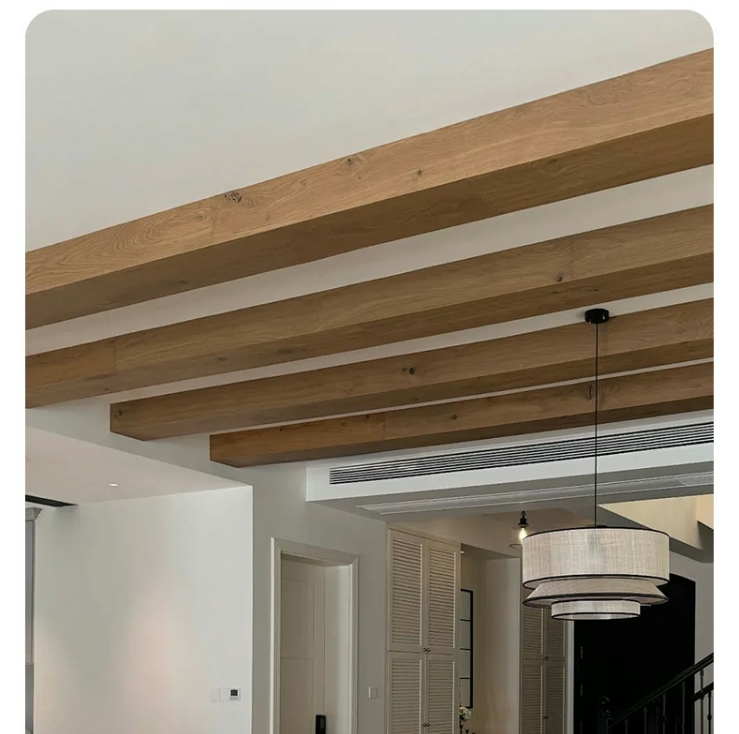
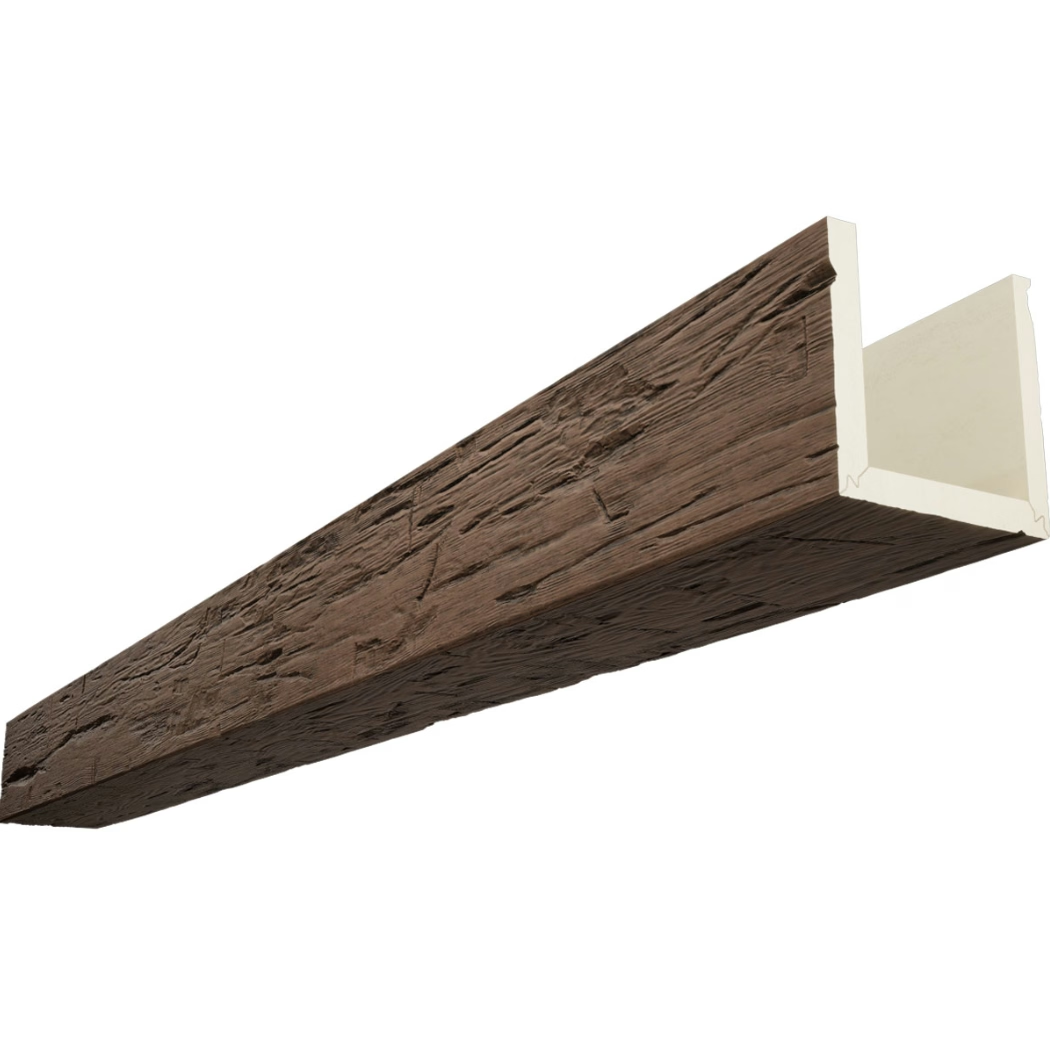
The film and television industry operates under constant pressure to create convincing environments while managing tight budgets and compressed production schedules. Set designers continuously seek materials that deliver visual authenticity without the practical complications of genuine construction elements. Lightweight polyurethane faux timber beams have emerged as a valuable resource in this search, offering the aesthetic qualities of real wood with operational advantages that production teams find invaluable.
When the art department for a recent streaming series needed to transform a modern warehouse space into an 1890s mining company headquarters, they faced a specific challenge: the ceiling needed to feature massive timber beams that would read clearly on camera while remaining compatible with the existing building structure and installation timeline. Real oak beams of the required dimensions would have overwhelmed the warehouse's roof structure and taken weeks to acquire and install. The production designer turned to PU faux alternatives and completed the entire ceiling installation in three days.
Weight Considerations for Production Environments
Studio and stage environments present unique structural constraints that differ from permanent buildings. Production facilities often feature suspended grid systems, temporary support structures, and ceiling rigging points designed for lighting and camera equipment rather than architectural loads. Adding genuine timber beams to such spaces requires careful engineering assessment and potentially expensive structural modifications.
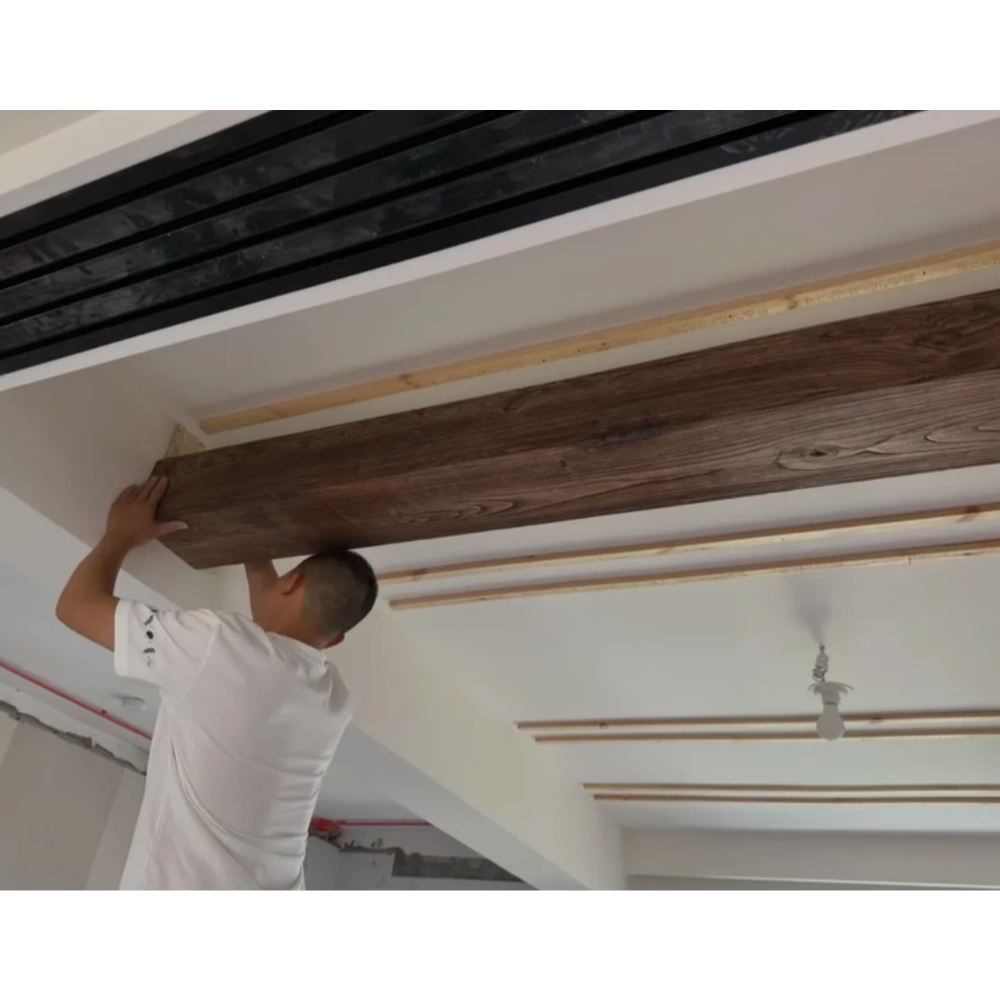
Polyurethane faux beams typically weigh 1 to 3 pounds per linear foot, compared to 15 to 50 pounds for comparably sized real timber. This dramatic weight reduction means that even extensive beam installations place minimal load on existing structures. A 20-foot faux beam might weigh 40 to 60 pounds; the same appearance in solid wood could exceed 800 pounds. For production spaces with uncertain structural capacity or temporary setups requiring frequent reconfiguration, this difference is transformative.
The handling implications extend beyond structural concerns. Film sets require flexibility—walls move, ceilings change, entire environments transform between shooting days. Heavy timber beams resist this kind of adaptation. Their weight makes repositioning dangerous and time-consuming, and repeated handling increases damage risk. Lightweight PU beams can be repositioned by two people without specialized equipment, enabling the rapid environment adjustments that modern production schedules demand.
Camera Testing and Visual Authenticity
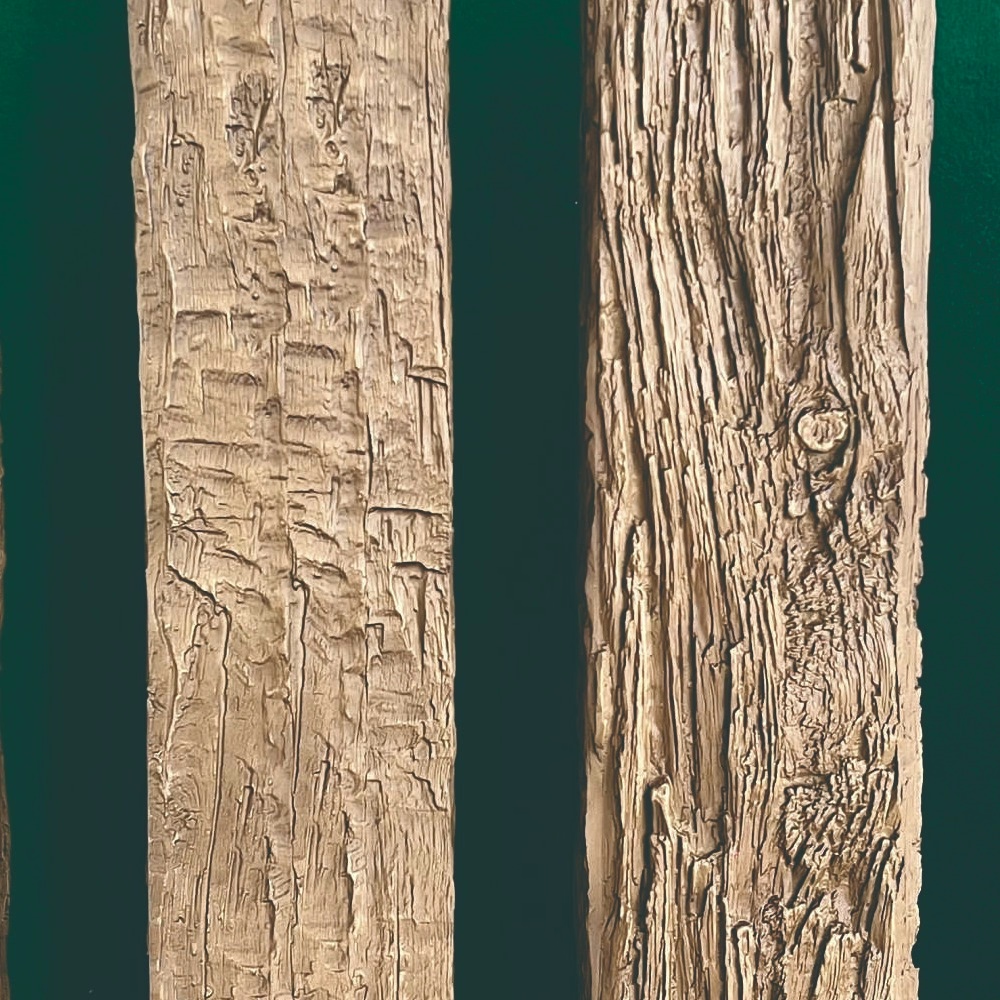
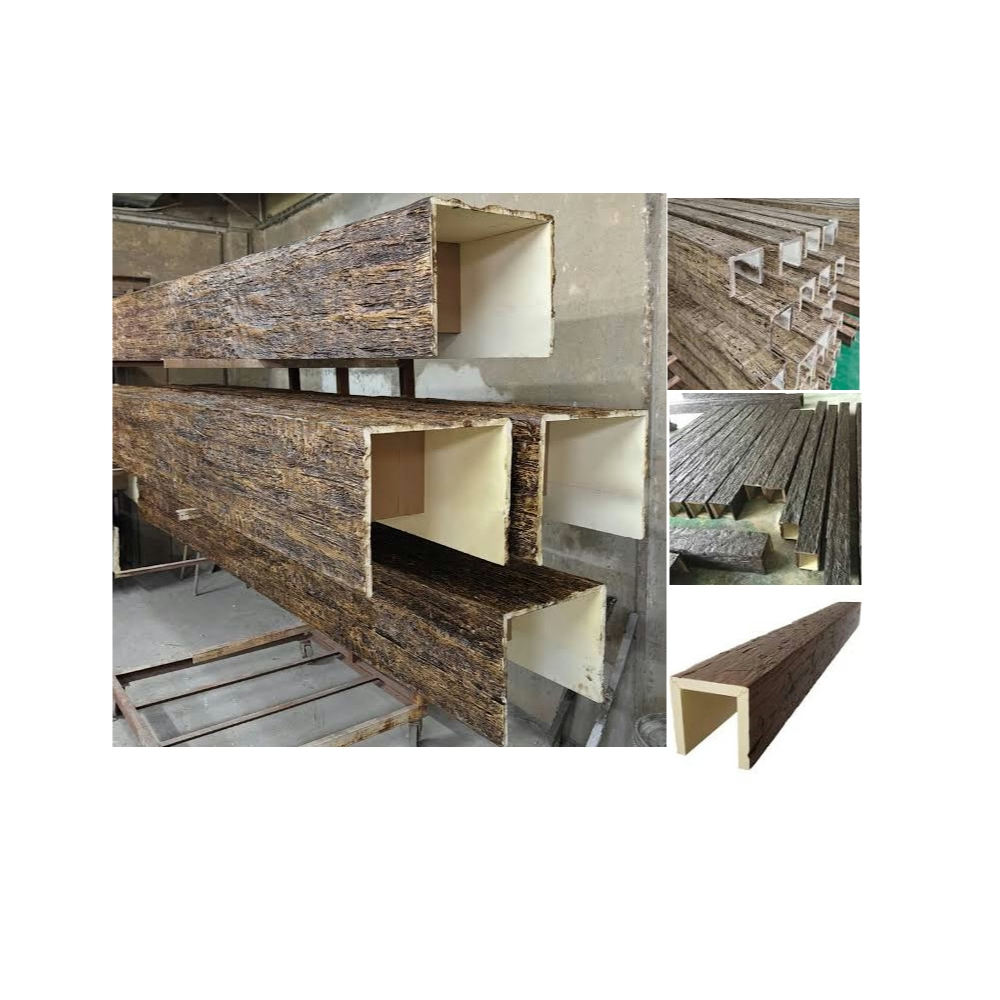
Modern polyurethane casting technology produces faux beams that withstand close scrutiny. High-definition cameras reveal details that would escape notice in person, yet current-generation PU products hold up remarkably well under professional lighting and lens scrutiny. The key lies in quality manufacturing—established producers use sophisticated molds taken from genuine timber samples, capturing subtle grain variations and natural imperfections that make wood look authentic.
Lighting professionals particularly appreciate the material's consistency. Real wood responds to lighting in specific ways based on its natural density and surface variations. PU material can be formulated to match these characteristics, ensuring that beams react convincingly to the three-point lighting setups common in production work. Color consistency across multiple beams eliminates the post-production headaches that can arise when natural wood pieces display unexpected tonal variations under different lighting conditions.
The surface durability of polyurethane also benefits production workflows. Beams may be handled frequently during installation, repositioning, and storage. Real wood can scratch, dent, or suffer moisture damage during this handling. PU surfaces resist these minor damages while maintaining their appearance through repeated use. For productions that store and reuse set pieces across multiple episodes or seasons, this durability translates to long-term cost savings.

Practical Applications Across Production Types
Theater productions benefit equally from PU faux beam technology, though the applications differ from film work. Permanent theater installations in Broadway houses and regional venues require elements that will endure thousands of performances while maintaining appearance. Temporary productions in rented spaces need beams that install quickly and remove cleanly without damaging host venues. Both scenarios favor polyurethane alternatives.
Broadway scenic designer Amanda Torres recently specified PU beams for a revival production requiring a tavern interior with exposed timber. The venue's grid system could not support real timber safely, yet the design demanded authentic appearance. The beams she selected featured detailed wood grain textures that read beautifully from the audience and survived the touring transportation that would follow the initial run. When the production travels to different theaters, the same beams accompany it, providing visual consistency across venues.
Touring production companies and event rental companies have discovered additional advantages. Real timber beams require specialized transport vehicles, significant labor for loading and unloading, and careful attention to moisture protection during travel. PU beams pack efficiently into standard trucks, handle with minimal labor, and tolerate the humidity variations that occur during transportation between climate zones. These practical benefits reduce logistics costs and enable smaller production companies to incorporate timber aesthetics into their designs.
Cost Efficiency for Production Budgets
Film and theater budgets operate under scrutiny that rivals any corporate expense review. Every dollar spent on set construction competes against other production needs, from talent compensation to visual effects to marketing. Material choices that deliver quality appearance at reasonable cost directly support the bottom line of production budgets.
A typical film or television production might spend $5,000 to $15,000 on a significant beam installation using authentic materials, accounting for material costs, specialized labor, and structural preparation. Comparable PU installations typically range from $1,500 to $5,000, representing savings that can fund other scenic elements or production necessities. For independent productions with constrained budgets, this difference can enable projects that would otherwise remain unproduced.
The reusability factor compounds these savings over time. Sets designed with rental and reuse potential generate ongoing value from material investments. A production company that purchases quality PU beams for one project possesses assets applicable to countless future productions. The material's durability and handling ease make it attractive to prop houses and rental inventories where pieces must survive constant use across diverse client needs.
Environmental and Safety Advantages
Production sets must meet increasingly stringent environmental and safety requirements. Real wood materials may carry certifications related to sustainable forestry, but they also present fire risks that polyurethane alternatives can address through flame-retardant formulations. Most professional-grade PU beam products are available with fire-retardant additives that meet industry testing standards.
Dust and particle generation also differs between materials. Real wood sheds fibers continuously, creating cleaning requirements and potential respiratory concerns in enclosed studio environments. PU material produces minimal particulates, contributing to healthier working conditions and reduced maintenance between shoots. This characteristic proves particularly valuable for productions shooting for extended periods in enclosed spaces.
The longevity of quality PU products also affects environmental calculations. While real timber eventually degrades and requires replacement, properly maintained polyurethane can provide decades of service across numerous productions. This extended lifespan reduces the environmental impact per use and supports sustainable production practices that increasingly influence industry decisions.
Industry Adoption and Future Directions
The entertainment industry's embrace of PU faux beams continues to grow as more production professionals discover their advantages. Major studios now routinely specify these materials for period pieces, contemporary settings, and fantasy environments alike. The technology has advanced to the point where many viewers encounter PU beams regularly without any awareness that the timbers above their favorite characters are not authentic.
Set design education programs increasingly include PU materials in their curricula, ensuring that emerging professionals understand both the capabilities and limitations of these products. This knowledge transfer will drive continued adoption as new generations of designers enter the industry with built-in familiarity with modern materials science.
The collaboration between manufacturers and entertainment industry professionals continues to push boundaries. Custom formulations, unique profiles, and specialized finishes emerge to meet specific production requirements. This partnership ensures that the entertainment industry will continue benefiting from materials innovations developed with their particular needs in mind.
Technical References
ASTM standards cited in every specification
Test Data
Lab results from internal testing program
Updated 2026
Reviewed against current product specs