
Interior design presents ongoing challenges as lifestyles evolve and aesthetic preferences shift. Rooms that felt perfect five years ago may seem dated or misaligned with current sensibilities. Homeowners face choices between expensive renovations, unfamiliar styling approaches, or accepting spaces that no longer satisfy. Lightweight polyurethane foam decorative beams offer a versatile solution that adapts to diverse design directions, enabling meaningful interior upgrades without committing to permanent construction changes.
The Kowalski family experienced this flexibility firsthand when they relocated from a suburban colonial home to a downtown loft. Their furniture and décor choices—carefully selected over fifteen years for their previous residence—seemed mismatched in the new industrial space. Rather than replacing everything, they invested in architectural elements, including PU foam decorative beams, that transformed their familiar furnishings into a cohesive loft aesthetic.
Styles That Transform with Beam Selection
Different beam profiles and finishes create dramatically different atmospheres, often within the same physical space. Understanding how these variations influence perception helps homeowners and designers select elements that support intended moods.
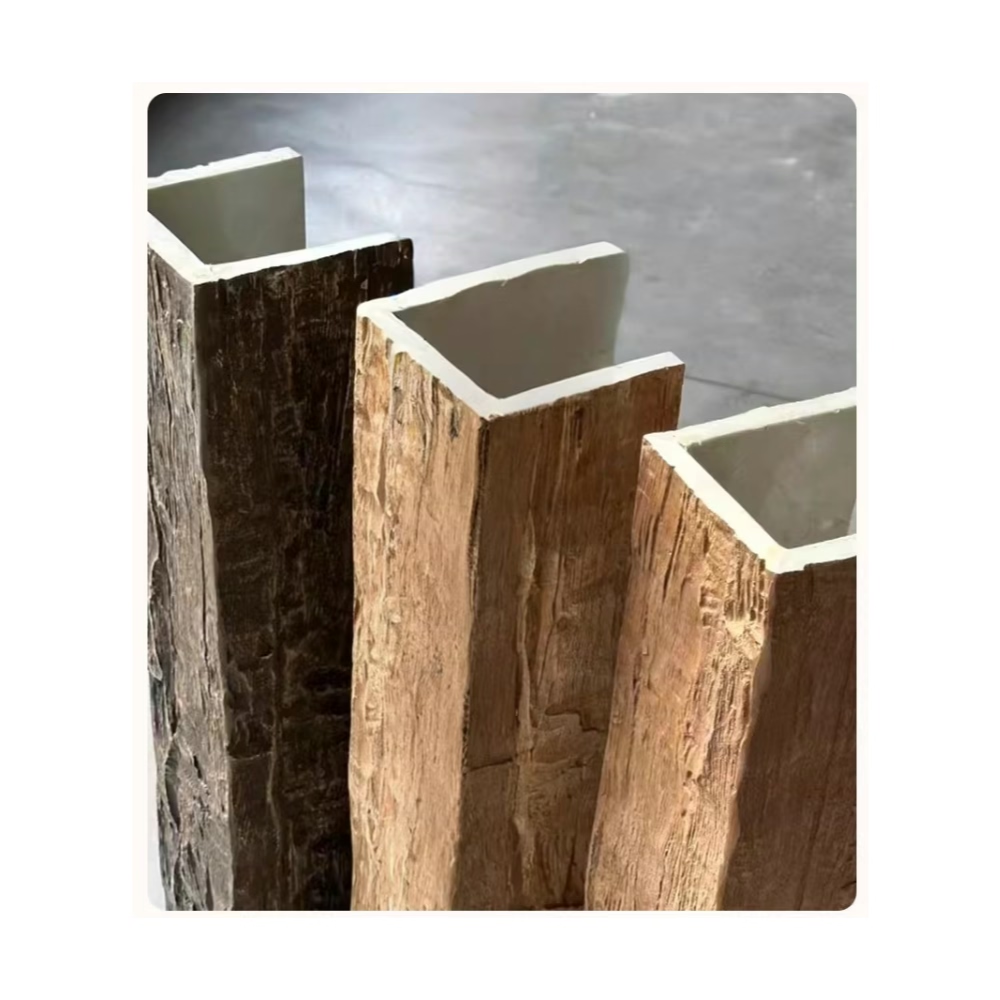
Farmhouse and country styles embrace rustic authenticity. Weathered wood finishes, pronounced grain patterns, and substantial profiles contribute to this aesthetic. Beams designed with saw marks, nail holes, and subtle color variations enhance authenticity. These elements pair naturally with shiplap walls, farmhouse sinks, and vintage accessories.
Modern and contemporary interiors prefer refined simplicity. Clean-lined beams with minimal texture and consistent finishes support uncluttered aesthetics. The architectural contribution emphasizes shape and proportion rather than surface detail. These beams often appear in neutral tones that complement current color trends without competing for attention.
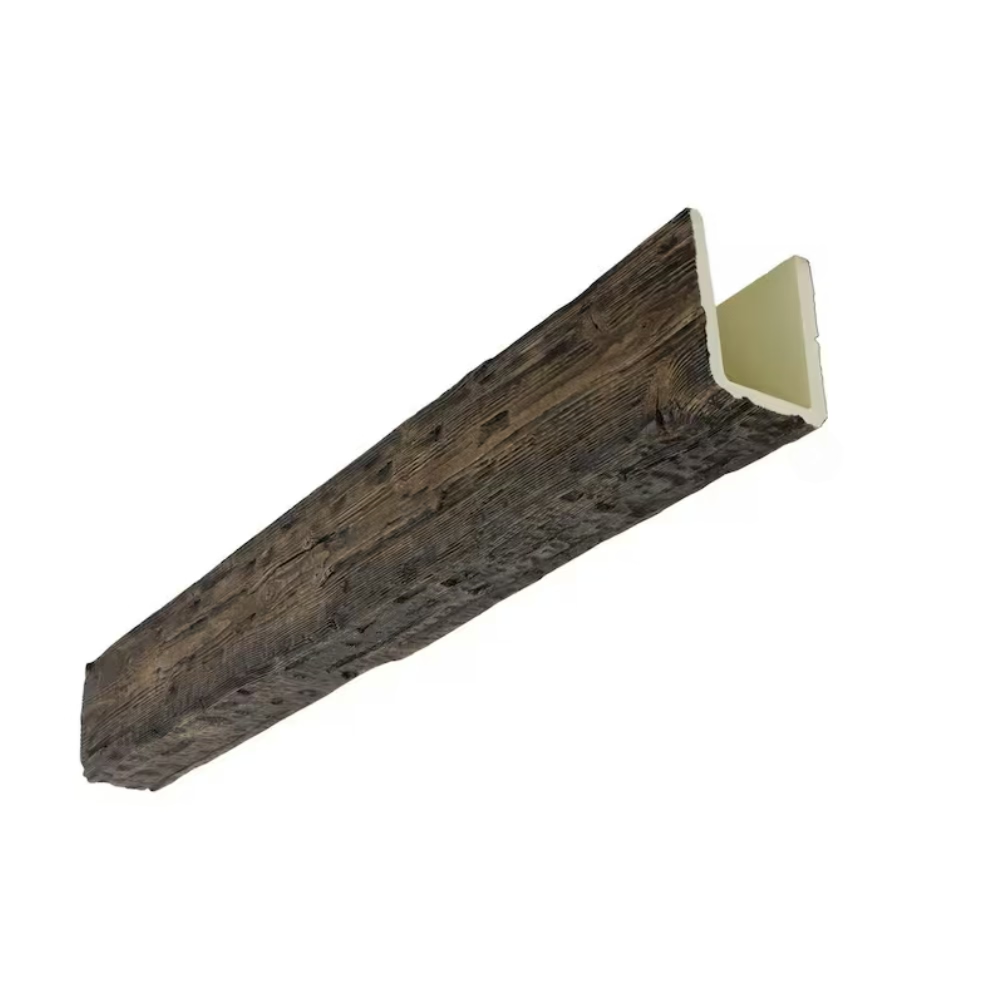
Industrial and loft spaces benefit from substantial timber appearances combined with urban material palettes. Dark finishes, heavy proportions, and exposed mounting hardware reinforce the warehouse conversion aesthetic. Beams in this style often feature metal-look accents or distressed metal band details that bridge wood and industrial elements.
Rustic mountain and cabin aesthetics embrace natural imperfection. Knots, checks, and color variations within the wood appearance contribute to authenticity. Heavier beam profiles with substantial visual weight anchor these high-ceiling spaces. The overall effect should suggest age, weathering, and organic beauty.

Strategic Beam Placement Ideas
Beyond style selection, beam placement significantly influences how spaces feel and function. Thoughtful positioning maximizes design impact while addressing practical considerations.
Single dominant beams create focal points that draw attention and establish visual hierarchy. A prominent beam crossing an otherwise plain ceiling immediately becomes the room's centerpiece. This approach works well in spaces with limited architectural interest, where the beam substitutes for missing detail.
Multiple parallel beams establish rhythm and structure. Regular spacing creates a sense of order and intentionality, as if the ceiling design follows a coherent plan rather than arbitrary decoration. This approach suits contemporary interiors that value precision and clean organization.
Crossing beam patterns add complexity and visual sophistication. Intersecting beams create secondary geometric shapes that enrich the ceiling plane. This technique works particularly well in larger rooms where simpler approaches might feel underwhelming.
Partial beams, covering only certain ceiling sections, define zones within open floor plans. A breakfast nook might feature beams above the table while adjacent living areas remain beam-free. This zoning approach creates visual separation without physical barriers.
Color Coordination Strategies
Beam color selection influences how these elements integrate with surrounding surfaces and furnishings. Several approaches offer different benefits depending on existing décor and design intentions.
Matching adjacent woodwork creates continuity and cohesion. If trim, flooring, or built-in furniture features specific wood tones, selecting beams in complementary finishes ties the ceiling to these established elements. This approach works particularly well in traditionally styled homes with extensive woodwork.
Deliberate contrast makes beams stand out as distinct design statements. White ceilings with dark timber beams create dramatic visual separation that emphasizes the architectural element. This high-contrast approach suits contemporary and industrial spaces that value bold design gestures.
Neutral earth tones provide flexibility for evolving color schemes. Beams in tan, gray, or natural wood colors adapt to various wall colors and furnishings without clashing. This approach benefits homeowners who change décor frequently or who cannot commit to specific color directions.
Budget-Friendly Transformation Approaches
Interior upgrades should deliver meaningful results proportional to their investment. PU foam decorative beams enable significant transformations at costs accessible to most budgets.
Selective application concentrates impact where it matters most. Installing beams in visible primary rooms while leaving secondary spaces unchanged stretches limited budgets while delivering the most satisfying results. The living room might receive full treatment while hallways and closets remain unmodified.
Staged implementation spreads costs over extended periods. Begin with the most impactful installation, then add secondary elements as budget allows. This approach enables homeowners to experience the transformation before committing to complete coverage.
Quality investment in fewer beams often outperforms quantity purchases of lesser materials. Well-crafted beams with authentic wood texture and durable finishes provide better long-term value than budget products that look obviously artificial or deteriorate quickly. Professional appearance and lasting performance justify the incremental cost difference.
The Kowalski Loft Transformation
Returning to their project, the Kowalski family selected industrial-style dark beams for their loft space, coordinates with exposed brick and metal ductwork already present. The substantial timber appearance provided visual weight that balanced the industrial elements, creating warmth that softened the space without contradicting its urban character.
Their familiar furniture—previously feeling out of place—now seemed deliberately chosen for the loft aesthetic. The beams created context that made existing pieces feel appropriate rather than misfit. Family photos on the walls, comfortable couches, and everyday accessories gained legitimacy through the architectural frame surrounding them.
The transformation cost a fraction of what furniture replacement would have required. More importantly, it preserved items with sentimental value while adapting them to new surroundings. The beams demonstrated how strategic architectural investment can reframe existing possessions rather than requiring their replacement.
Technical References
ASTM standards cited in every specification
Test Data
Lab results from internal testing program
Updated 2026
Reviewed against current product specs


