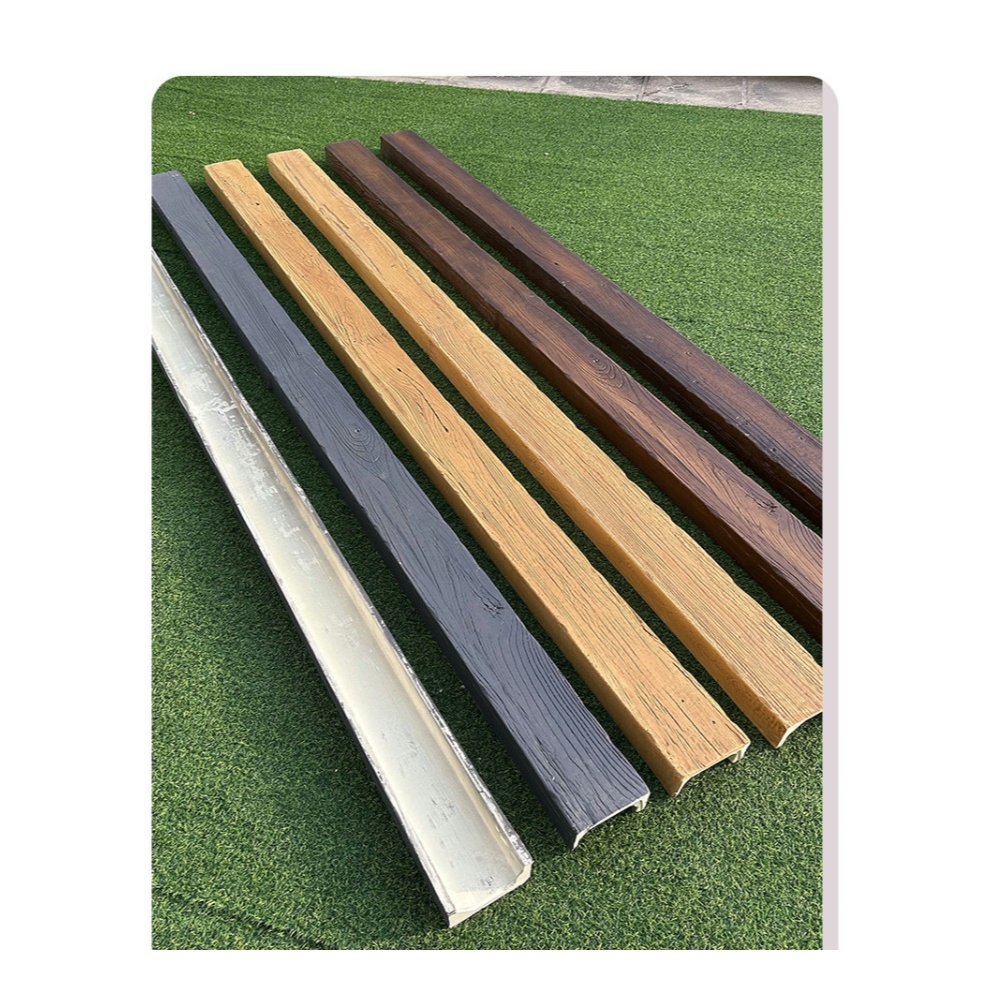
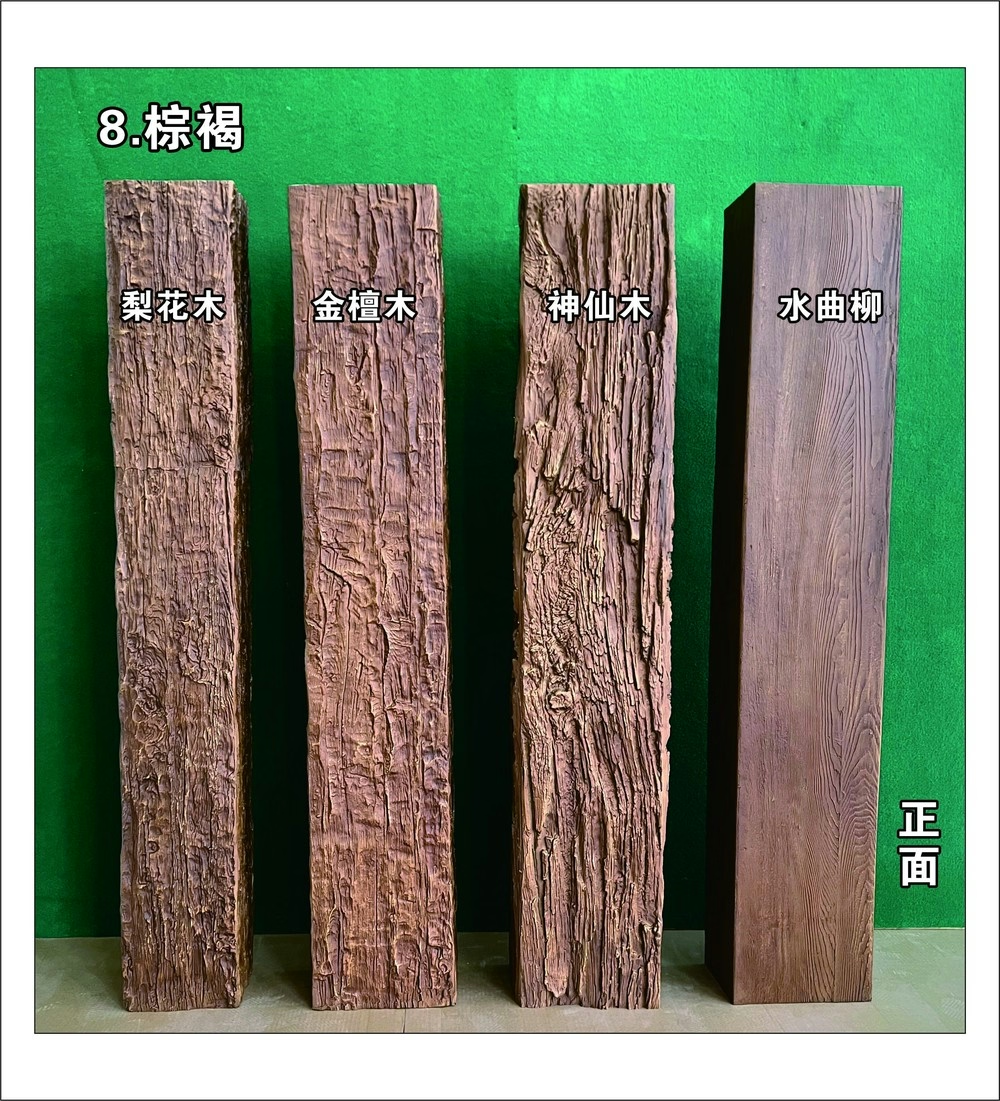
Home improvement projects frequently require multiple people for safe handling and accurate positioning. Heavy materials like solid timber beams practically demand contractor involvement or at least a capable assistant. These requirements create real barriers for homeowners who want to improve their spaces but lack willing helpers or budget for professional installation. Lightweight polyurethane faux beams fundamentally change this equation, enabling one person to accomplish what previously required teams.
Tom Brennan had wanted beams in his Minneapolis garage workshop for years. The 2,400-square-foot space featured bare trusses and plywood sheathing—the functional bones of a working space with zero aesthetic appeal. His original plan involved hiring contractors, but weekend availability conflicts and premium labor rates kept pushing the project back. When he discovered that lightweight PU beams weighed so little he could handle them alone, he ordered materials and completed the installation himself over three consecutive weekends.
Why Weight Determines Feasibility
The physics of overhead work create natural limitations on what one person can accomplish safely. Lifting and holding even moderate weights above head level quickly fatigues muscles and compromises control. Position accuracy suffers as fatigue increases, making proper beam alignment difficult. The risk of dropped materials creates safety concerns that compound with weight.
Timber beams weighing hundreds of pounds per linear foot absolutely require multiple people for safe handling. Professional installers work in teams specifically because weight makes solo work dangerous and impractical. No amount of technique or determination compensates for the physical reality that one person cannot safely control hundreds of pounds while positioning and securing overhead elements.
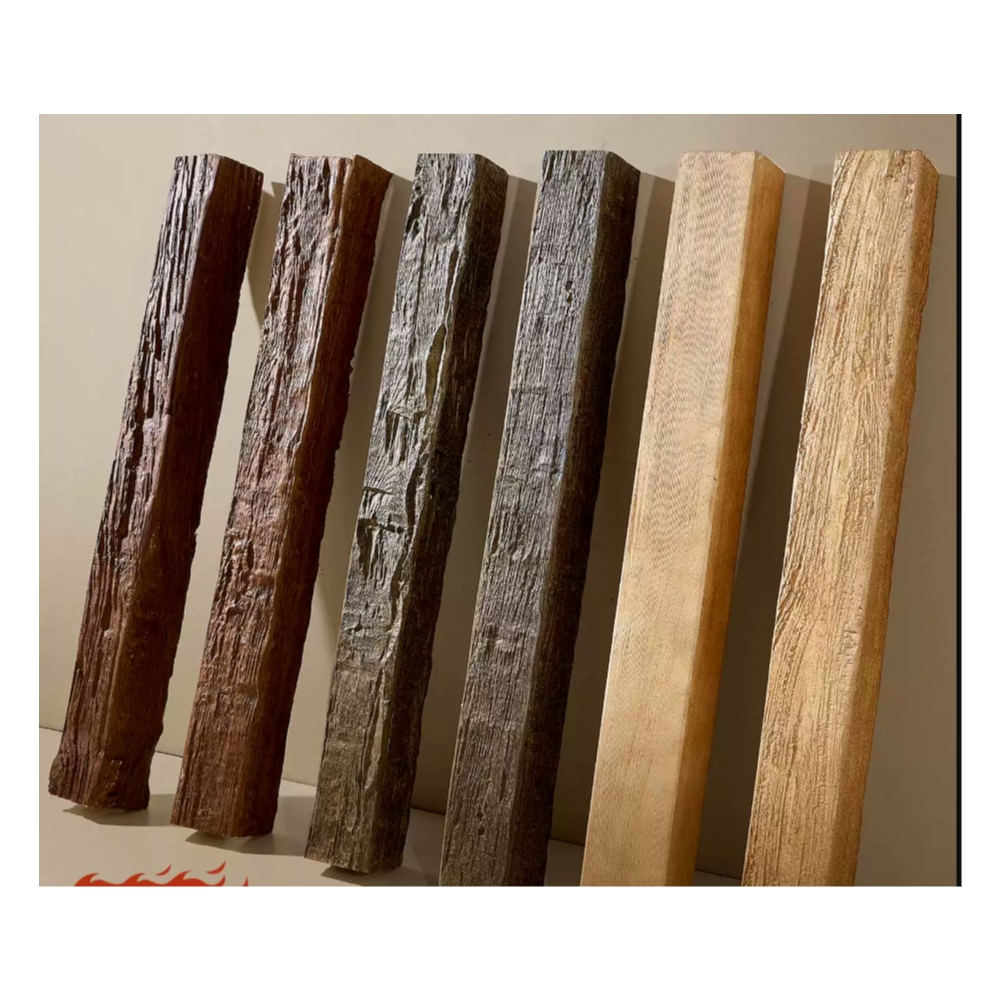
Lightweight PU faux beams change this physics fundamentally. A 12-foot beam weighing 15 to 20 pounds can be held overhead comfortably by one person for the 30 to 60 seconds required to position and secure it. Muscle fatigue remains manageable. Control remains precise. The risk profile resembles working with other manageable overhead materials like drywall sheets or plywood panels.
Practical Handling Techniques
Solo installation benefits from specific techniques that maximize safety and efficiency. Understanding these approaches helps single operators plan their projects effectively.
Temporary support systems eliminate the need for continuous manual support during fastening. Propping beams against walls at working height, using painter's poles with padded ends to push beams into position, or creating simple temporary support frames from lumber scraps all serve this purpose. The goal is freeing both hands for accurate fastening once the beam is positioned.
Working from a stable platform provides both safety and precision. Quality step ladders or platform scaffolds enable reaching ceiling height while maintaining balance and control. Extending reaching from floor level strains the back and provides poor positioning accuracy; working from height puts the operator at beam level for direct visual alignment.
Strategic sequencing ensures each beam is completely installed before moving to the next. This approach means completing all fastening and checking before releasing support, preventing the need to return to previously installed beams for adjustments. Marking locations and test-fitting before applying adhesive prevents rework that wastes time and material.

Tom's Step-by-Step Approach
Tom's Minneapolis project followed a logical sequence that maximized his solo effectiveness. His detailed approach demonstrates practical implementation of single-person beam installation.
First weekend involved preparation: measuring all ceiling spans, calculating beam requirements, ordering materials with appropriate delivery lead time, and organizing tools. He spent one full day cleaning the truss surfaces and marking centerlines where each beam would install. This preparation meant actual installation work would proceed quickly without interruption.
Second weekend focused on mounting support installation. Tom attached wooden furring strips along each beam's planned path, ensuring each strip aligned with ceiling trusses for secure fastening. He worked systematically from one end of the building to the other, completing all support preparation before moving to beam installation.
Third weekend comprised actual beam mounting. Working one beam at a time, Tom positioned each element against its corresponding supports, used a temporary prop to hold it in place, then secured the beam with screws driven through the mounting strips. After confirming each beam's alignment, he applied adhesive between the beam and supports for additional security. The entire beam installation completed in a single day.
Safety Considerations for Solo Work
Even with lightweight materials, solo overhead installation requires attention to safety. Understanding and managing risks prevents accidents and injuries that could turn a satisfying project into a negative experience.
Equipment inspection before starting prevents failures during critical moments. Checking ladder stability, verifying tool condition, and confirming that all mounting hardware is present eliminates surprises that might cause rushed or unsafe decisions. This preparation takes minimal time and provides substantial peace of mind.
Asking for help for specific moments—even if not for the entire project—reduces risk during particularly challenging operations. A neighbor or friend might be willing to assist for an hour to hold one particularly awkward beam while it's positioned. This minimal assistance eliminates the highest-risk moments without requiring sustained help.
Taking breaks prevents fatigue-related mistakes. Overhead work is physically demanding even with lightweight materials. Regular breaks for rest and hydration maintain alertness and control throughout the project. Rushing leads to errors; steady progress with adequate rest produces better results.
Project Outcomes and Satisfaction
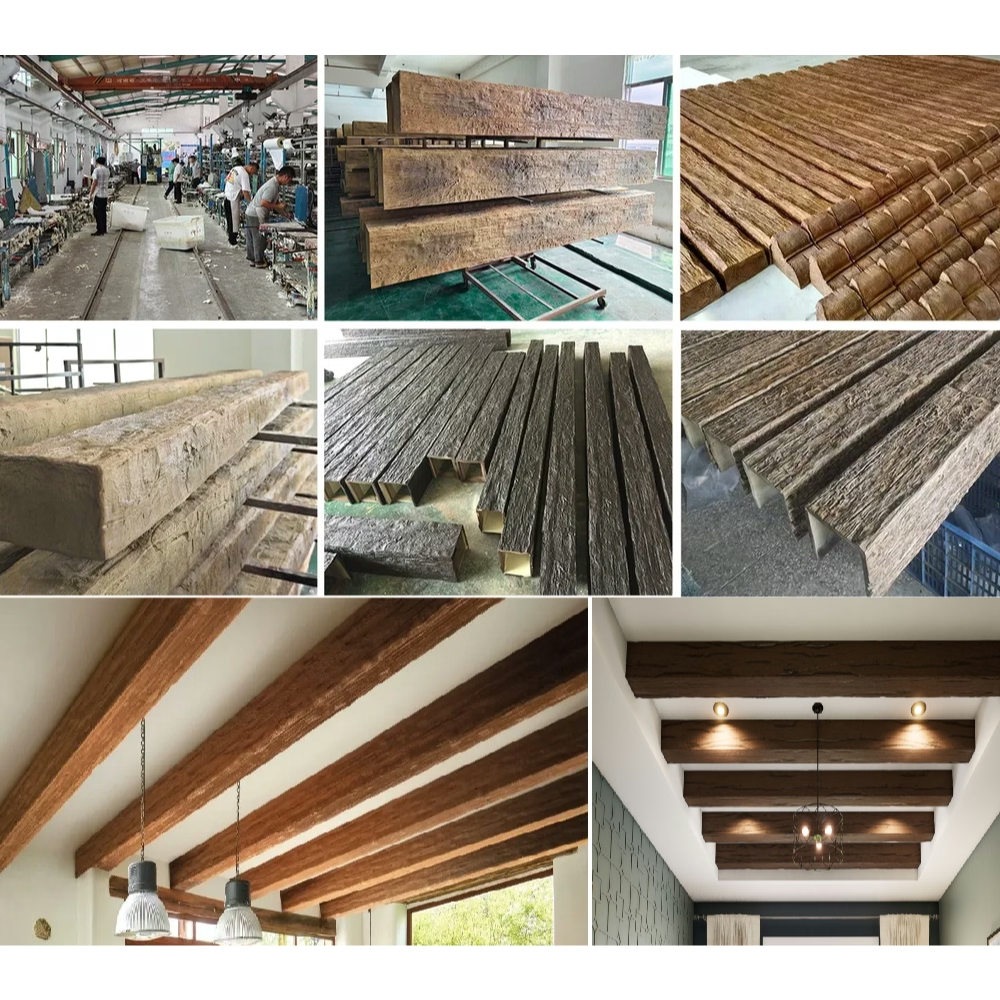
Tom's completed workshop transformation exceeded his expectations in every dimension. The beams he installed—spanning between every other truss—created an atmosphere that transformed the utilitarian space into something approaching a high-end man cave. Fellow enthusiasts who visited during and after construction consistently expressed admiration for both the result and the solo accomplishment.
The project cost Tom approximately $1,800 for materials, compared to estimates of $5,000 to $8,000 for professional installation of the same scope. Beyond the direct savings, he gained knowledge and confidence applicable to future projects. The satisfaction of completing substantial work independently proved valuable beyond financial considerations.
His experience illustrates a broader principle: accessible materials enable ambitious projects that previously required professional involvement. Lightweight PU faux beams represent this principle in architectural form—literally providing the means for homeowners to accomplish what might have seemed impossible.
Technical References
ASTM standards cited in every specification
Test Data
Lab results from internal testing program
Updated 2026
Reviewed against current product specs