
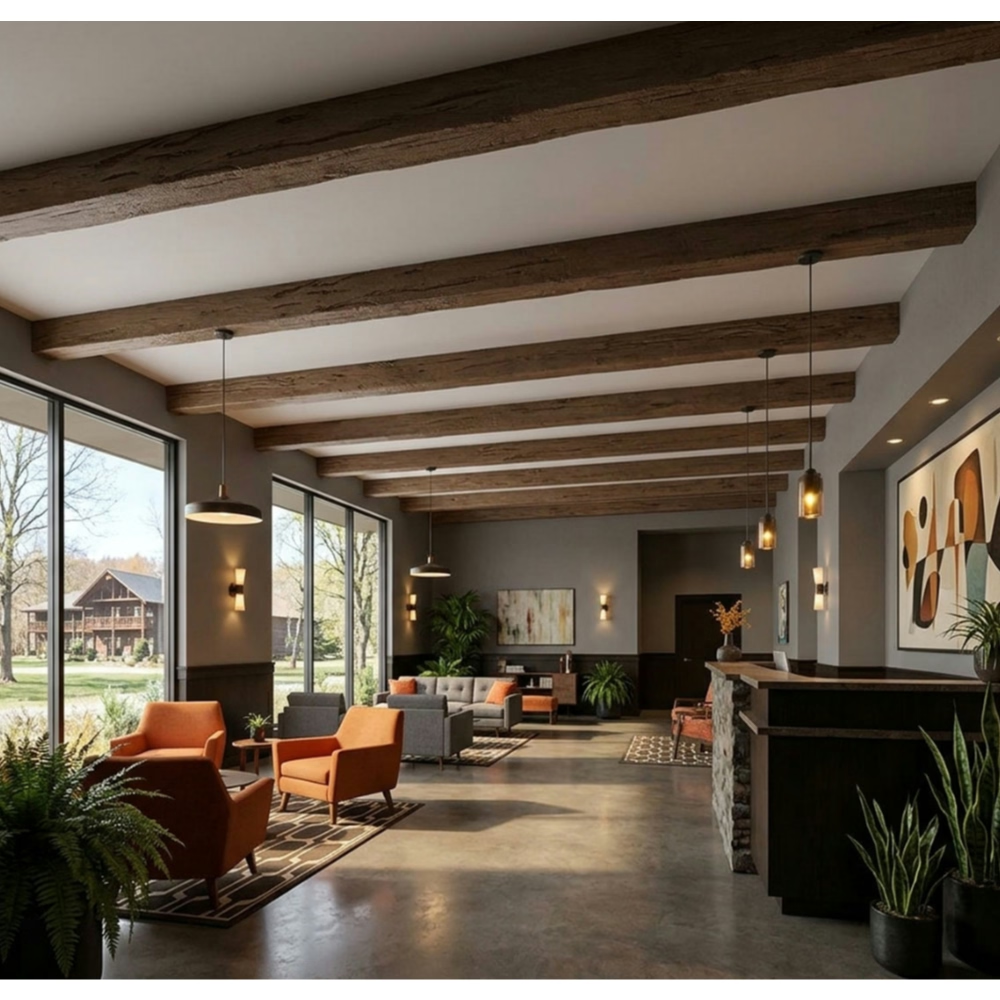
Contemporary interior design has embraced an interesting contradiction: rustic wood textures appearing in ultra-modern spaces. The juxtaposition of organic warmth against clean lines and minimal ornament creates visual tension that appeals to today's design sensibilities. Lightweight wood-look beams serve this aesthetic perfectly, offering the grain patterns and textural depth of timber while maintaining the sleek, refined appearance that modern interiors demand.
The shift toward wood-look beams in contemporary settings reflects broader changes in how we value authenticity. Traditional modern design often rejected natural materials as inconsistent with industrial aesthetics—plastic, steel, and glass dominated. Now, the pendulum has swung toward warmth and humanity in modern spaces, yet the practical constraints of contemporary construction remain. Lightweight wood-look beams resolve this tension elegantly, delivering tactile authenticity without the maintenance requirements or structural limitations of genuine timber.
Defining Modern Wood-Look Aesthetics
Modern applications of wood-look beams tend toward cleaner profiles than their rustic counterparts. Where farmhouse or cabin designs might specify beams with deep shadows, pronounced grain, and visible weathering, modern interpretations favor smoother surfaces, crisper edges, and more refined proportions. This doesn't mean boring—modern wood-look beams can feature elegant beveling, subtle texture variations, and sophisticated finish treatments that reward close inspection.
The scale of beams in modern contexts often differs from traditional applications. Rather than massive timbers dominating spaces, modern designs may employ slender beams that read as lines rather than volumes. A series of parallel beams can define ceiling zones without visually shrinking the room—particularly valuable in apartments and condos where ceiling height is limited.
Color treatments in modern applications tend toward the dramatic. Deep charcoal stains, cool gray washes, and even black finishes transform wood-look beams into graphic elements that anchor contemporary color schemes. These darker treatments also tend to hide the artificial origin of polyurethane materials more effectively than natural wood tones, an incidental benefit that designers appreciate.
Integrating Beams into Open Floor Plans
Open floor plans present both opportunities and challenges for ceiling decoration. The absence of walls defining separate rooms means ceiling treatments must work harder to create visual separation between functional zones. Wood-look beams can span the entire plane or cluster above specific areas—above kitchen islands, dining tables, or seating groupings—to define activity zones without physical barriers.
The intersection of beams with other ceiling elements requires thoughtful coordination. Recessed lighting placement, ceiling fans, and HVAC registers must coexist with beam installations without creating visual clutter. Planning these intersections early in the design process—ideally before ceiling construction—allows coordination that looks effortless when complete.
Varying beam direction creates visual interest in otherwise flat ceilings. A grid of beams at right angles to exposed joists or perpendicular to each other adds complexity and depth. This technique works particularly well in long, narrow spaces like hallways or great rooms, where a uniform ceiling might feel单调—literally meaning monotonous in Chinese, but applicable here for its repetitive pattern.
Material Selection for Contemporary Spaces
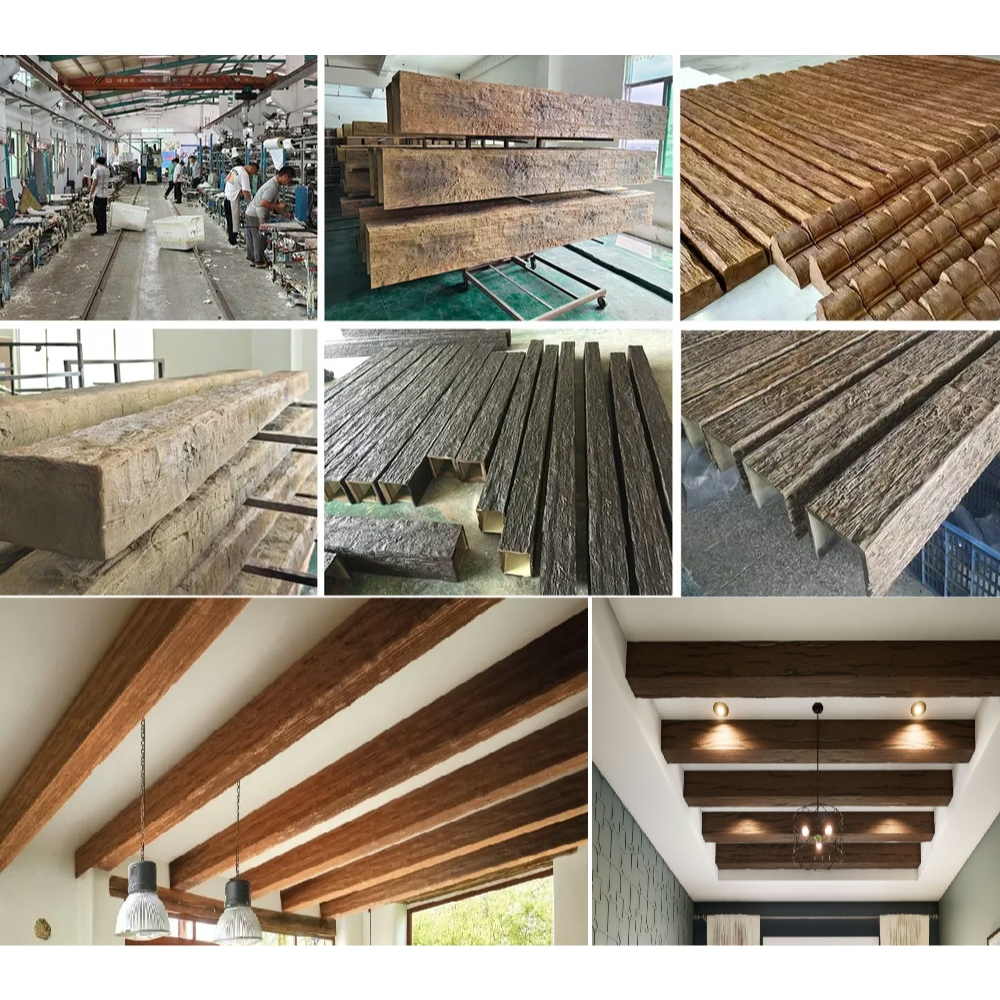
Not all wood-look beams serve modern applications equally well. Profile selection dramatically affects the final aesthetic. Modern spaces generally favor:
- Clean, geometric profiles without excessive ornamentation
- Consistent wall thickness without visible lamination layers
- Refined edges that maintain sharpness without visible processing marks
- Subtle textures that suggest hand-crafted quality without appearing rustic
Finish selection matters equally. High-gloss polyurethane coatings suit ultramodern spaces but look out of place in contemporary-traditional hybrids. Matte or satin finishes offer more versatility, mimicking natural wood's light-absorption characteristics while remaining appropriate across various modern substyles.
Joint treatment deserves attention in visible installations. Modern design values clean lines—mitered corners and butt joints should align precisely, with minimal visible gaps or misalignment. Some manufacturers offer modular systems with predesigned connectors that ensure perfect joint appearance; others provide corner pieces that simplify achieving professional results.
Lighting Integration Strategies
The interplay between wood-look beams and lighting creates dramatic possibilities. Uplighting—light sources hidden behind or above beams—washes the ceiling plane with warm illumination while casting subtle shadows that enhance beam depth. This technique works particularly well in media rooms, restaurants, and hospitality spaces where atmospheric lighting drives the design.
Recessed fixtures positioned between beams provide functional illumination without competing with beam aesthetics. The shadow lines created by beam depth add dimensionality to what might otherwise be flat ceiling treatments. Careful spacing between recessed fixtures and beam bottoms prevents awkward shadows or glare issues.
Pendant fixtures suspended from beams create another layer of visual interest. The combination of warm wood texture overhead and focused task lighting below satisfies both ambient and functional lighting needs while reinforcing the ceiling design as a cohesive element rather than an afterthought.

Color Coordination and Contrast
Wood-look beams interact with wall and floor colors in complex ways. Light-colored walls behind dark beams create dramatic contrast that makes the ceiling a focal point. Conversely, beams finished to match wall trim establish visual continuity that integrates ceiling treatment into the overall color scheme rather than creating a separate element.
The undertones in wood finishes deserve careful consideration. Beams with warm yellow or orange undertones clash with cool gray walls in ways that become tiresome over time. Selecting beam finishes that echo colors already present in the space—floor tones, furniture wood species, accent colors—creates harmony that feels intentional rather than arbitrary.
In monochromatic modern spaces, wood-look beams often provide the sole injection of natural warmth. A single material—white walls, gray floors, black fixtures—can incorporate one wood-toned element that prevents the space from feeling sterile. The beams need not be loud or rustic; even subtle grain suggestion provides the desired warmth without disrupting the minimalist aesthetic.
Commercial Modern Applications
Retail environments increasingly adopt wood-look beams for their ability to create inviting atmospheres within modern design frameworks. Clothing boutiques, home goods stores, and lifestyle shops use beams to add warmth to concrete and steel building shells, transforming industrial spaces into comfortable shopping destinations.
Hospitality design has embraced modern wood aesthetics particularly enthusiastically. Hotel lobbies featuring wood-look beams combine contemporary architecture with welcoming warmth that guests expect. The durability of polyurethane—resistance to moisture, insects, and daily wear—proves valuable in high-traffic commercial applications where maintenance budgets must cover extensive square footage.
Office environments incorporate wood-look beams to soften corporate aesthetics. Co-working spaces, creative agencies, and technology companies use ceiling beams as design statements that communicate brand values—warmth, authenticity, human-centeredness—without the maintenance concerns of genuine timber.
Sustainability Considerations in Contemporary Context
Modern design increasingly values environmental responsibility, and wood-look beams offer several sustainability advantages. The lightweight nature of polyurethane reduces transportation fuel consumption significantly compared to solid timber equivalents. A truckload of hollow shell beams delivers far more linear footage than the same payload capacity would accommodate in solid wood.
The longevity of polyurethane beams contributes to sustainability over building lifecycle. Unlike natural wood that may require refinishing, repair, or eventual replacement, quality faux wood beams maintain appearance and structural integrity for decades with minimal intervention. Buildings that achieve longevity through durable materials rather than frequent renovation consume fewer resources over time.
Some manufacturers incorporate recycled content into their polyurethane formulations, providing end-of-life considerations for discarded materials. While polyurethane recycling infrastructure remains limited compared to natural materials, the extended service life of quality products means replacement cycles are infrequent, reducing cumulative waste generation.
Future Directions in Modern Beam Design
Emerging production technologies continue improving wood-look beam aesthetics and performance. Higher-density formulations accept fine detail more accurately, capturing wood characteristics that earlier products approximated only roughly. Print technologies apply grain patterns with photographic realism, creating surfaces that reward close inspection.
Customization options expand as manufacturing becomes more flexible. Digital templating allows bespoke beam profiles matched to specific project requirements. Color matching services produce finishes calibrated to existing design elements. These capabilities enable architects and designers to specify truly custom ceiling treatments that read as intentional rather than selected from catalog options.
Integrated technology represents another development frontier. Some manufacturers explore embedding LED drivers, speaker components, or building automation sensors within beam hollows. These multifunctional elements simplify construction coordination while maintaining clean ceiling aesthetics—particularly valuable in modern spaces where visible technology is typically minimized.
Technical References
ASTM standards cited in every specification
Test Data
Lab results from internal testing program
Updated 2026
Reviewed against current product specs


