
The living room serves as the heart of home life—a space where families gather, friends connect, and daily moments unfold. Ceiling treatment significantly influences this room's atmosphere, yet many homeowners neglect overhead opportunities in favor of wall and floor investments. Decorative faux wood beams offer transformative potential that can elevate ordinary living rooms into spaces with genuine architectural character and visual warmth.
When the Nakamura family undertook their suburban home's long-deferred living room refresh, ceiling treatment became the project centerpiece. Years of staring at plain textured ceiling had diminished their enjoyment of the space despite quality furniture and thoughtful décor. The beam installation transformed not merely the ceiling but their entire relationship with the room—suddenly the space felt complete, considered, and genuinely welcoming.
Modern Minimalist Beam Approaches
Contemporary design philosophy often favors simplicity, clean lines, and restraint. Yet minimalist spaces can benefit from carefully selected architectural elements that provide visual interest without overwhelming understated aesthetics.
Sleek box beams in neutral finishes serve modern living rooms elegantly. Rather than rough-hewn textures or pronounced grain patterns, these contemporary profiles feature smooth surfaces, sharp edges, and consistent color application. The beams provide geometric interest and dimensional presence while maintaining visual compatibility with modern furniture and simplified color palettes.
Single prominent beams create focal points in minimalist spaces. A single substantial beam crossing an otherwise plain ceiling draws attention without cluttering the visual field. This approach works particularly well in living rooms with vaulted ceilings where the beam can span the full width, commanding attention from any seating arrangement.
Coordinate beam finishes with other room elements for cohesion. Modern living rooms featuring metal accents—steel-framed furniture, chrome lighting fixtures, or industrial shelving—can incorporate beams with subtle metallic undertones or metal-look end caps. This coordination reinforces design intentionality rather than appearing as arbitrary decoration.
Farmhouse and Rustic Interpretations
Farmhouse aesthetics have dominated residential design preferences for over a decade, valued for their warmth, approachability, and timeless appeal. Living rooms embracing these qualities find ideal partners in rustic-style faux wood beams.
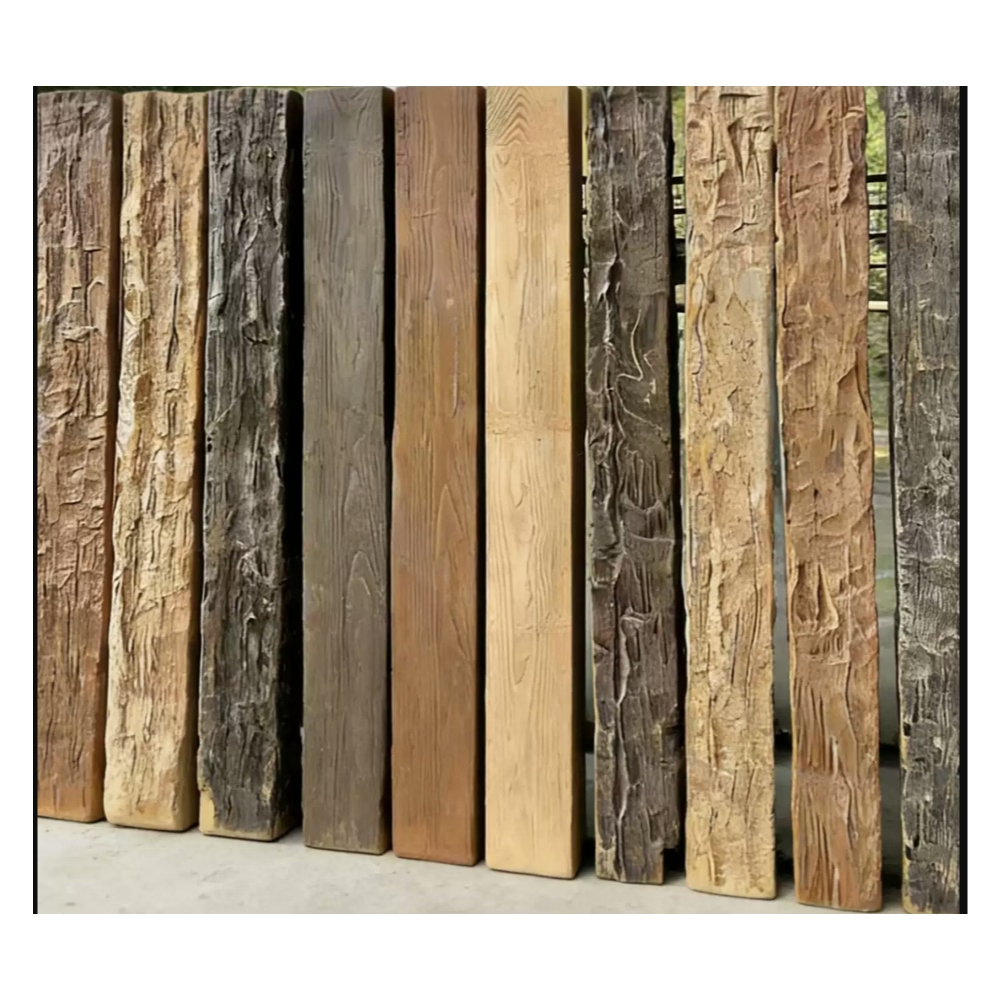
Weathered and distressed beam finishes complement farmhouse living rooms naturally. The subtle imperfections—faux nail holes, saw marks, color variations—suggest accumulated history and honest construction. These beams feel right at home beside shiplap walls, farmhouse tables, and vintage accessories that populate the style.
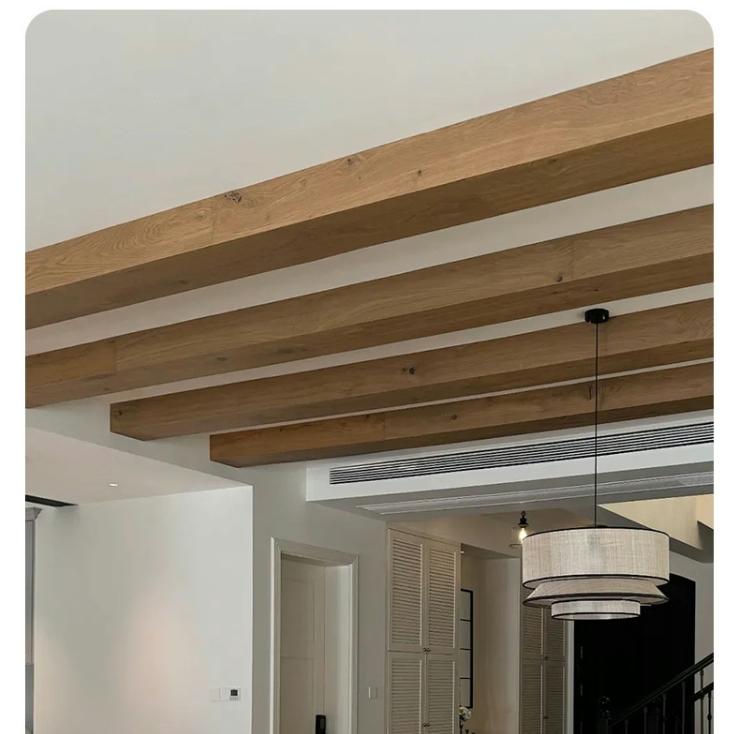
Multiple parallel beams establish the structural aesthetic that defines farmhouse ceilings. Regular spacing between beams creates rhythm that organizes the overhead plane while suggesting that the ceiling construction follows authentic timber principles. This approach satisfies both aesthetic desires and the authenticity expectations that farmhouse design values.
Crossing beam patterns elevate rustic treatments to architectural sophistication. Intersecting beams create secondary geometric shapes—squares or diamonds—that add complexity without sacrificing the rustic character. This treatment works particularly well in larger living rooms where simpler approaches might feel insufficient.
The Nakamura living room ultimately featured rustic farmhouse beams in a weathered oak finish. The choice complemented their existing furniture while introducing warmth that softened the room's contemporary architecture. The beams became the room's defining feature, establishing a design direction that organized subsequent furnishing and accessory decisions.

Coffered Ceiling Elegance
For living rooms seeking formal elegance rather than casual warmth, coffered ceiling treatments offer sophisticated options that elevate spaces into something approaching gallery quality.
Traditional coffered ceilings feature regularly spaced beams creating recessed geometric panels. The shadows within these coffers add depth and dimension that transforms flat ceiling planes into three-dimensional architectural features. Faux beams enable this treatment in structures where genuine timber coffering would be impractical or impossible.
Scale matters in coffered ceiling design. Proportions must relate appropriately to room dimensions, ceiling height, and furniture scale. Large rooms accommodate substantial coffers with significant beam dimensions. Smaller living rooms require more delicate treatments that maintain proportion without overwhelming limited spaces.
Finish selection for coffered ceilings often favors refined appearances over rustic charm. Lighter finishes—natural wood tones, painted whites, or subtle stains—create airy elegance appropriate for formal living spaces. Darker finishes introduce drama and formality that suits more traditional or transitional interiors.
Lighting Integration Strategies
Beam installations create opportunities for lighting integration that enhance both functional illumination and atmospheric contribution.
Hanging fixtures suspended from beams provide natural focal points. Pendants, chandeliers, and fan fixtures can mount directly to beam undersides, utilizing the beam as a natural mounting point while adding visual weight to the overall composition. Fixture selection should coordinate with beam style—rustic fixtures suit rustic beams, while sleek fixtures complement modern profiles.
Recessed lighting placement requires coordination with beam locations. Light fixtures should align with beam patterns for integrated appearance rather than appearing randomly distributed. This coordination requires planning during the measurement phase, identifying fixture locations before final beam positioning.
Light temperature affects how beams appear throughout the day. Warm lighting enhances wood tones and creates cozy atmosphere. Cool lighting emphasizes architectural precision and contemporary aesthetics. Consider how beam finishes will appear under various lighting scenarios when planning the overall design.
Personal Expression Through Beam Styling
Ultimately, living room ceiling styling should reflect personal preferences and lifestyle requirements rather than adhering strictly to design rules or trend prescriptions.
The most satisfying results emerge from understanding what specific living room requires. A family with young children might prioritize durable finishes and practical beam sizes that accommodate active household use. An empty-nester couple might invest in refined details and sophisticated styling that reflects their evolved tastes. Young professionals might favor contemporary approaches that establish design credibility among design-conscious peers.
The Nakamuras' success derived partly from understanding their specific requirements. With two teenagers and limited renovation budget, they needed durable products that would survive active household use while delivering the aesthetic transformation they craved. Faux beams addressed both requirements—attractive appearance and practical durability at accessible pricing.
Begin ceiling styling exploration by clarifying what your living room requires. Then investigate beam options that satisfy those requirements. The right combination awaits discovery.
Technical References
ASTM standards cited in every specification
Test Data
Lab results from internal testing program
Updated 2026
Reviewed against current product specs


