The hospitality industry operates in a world where first impressions determine whether guests book a room, return for future stays, and recommend the property to others. Every element of the guest experience—from the moment they pull up to the valet stand through their final checkout—contributes to these impressions. Architectural details like ceiling beams play an outsized role in this experience, creating the atmosphere that guests remember long after they've forgotten specific room features.
Commercial hospitality projects present unique challenges that residential design never encounters. Properties might open with hundreds of rooms and common areas all requiring consistent, flawless installation. Materials must perform reliably through years of heavy use while looking pristine for every arriving guest. The design language must work across diverse spaces—from intimate guest room alcoves to expansive ballroom ceilings—while maintaining coherence throughout the property.
Polyurethane resin faux wood beams have emerged as the material of choice for hospitality fit-outs where quality, consistency, and durability matter. Understanding how these products serve hospitality applications helps designers and developers make specifications that serve their projects well.

Hospitality Design Requirements
Hospitality design operates under constraints that differ fundamentally from residential work. Guest expectations are high and rising; properties must continually invest in their appearance just to maintain competitive position. Operational realities require materials that perform despite heavy use. Brand standards demand consistency across multiple properties or multiple areas within a single property.
These requirements cascade through every material decision. A beam that looks beautiful in a showroom but shows wear within months fails hospitality applications. A product that requires specialized maintenance creates operational complications that properties cannot accommodate. An option that varies significantly between pieces disrupts the visual consistency that hospitality brands require.
Beyond performance requirements, hospitality projects face economic realities that residential work rarely encounters. Large projects involve substantial material quantities where per-unit costs matter. Opening timelines create pressure to meet schedules without compromising quality. Ongoing operations prefer solutions that don't create maintenance burdens for already-stretched housekeeping and engineering teams.
Why PU Resin Excels in Hospitality Contexts
Polyurethane resin faux beams address hospitality requirements through a combination of performance characteristics that collectively make them ideal for commercial applications.
Consistency represents a primary advantage. Manufacturing processes for polyurethane products create uniform results that natural materials cannot match. Each beam from a production run matches the specifications exactly, with consistent color, texture, and dimensional accuracy. For projects requiring hundreds of matching beams across multiple floors and public areas, this consistency proves invaluable.
Durability ensures that initial installations remain beautiful through years of guest exposure. Hospitality properties simply cannot close for refinishing work as homeowners might; every day of degraded appearance affects guest experience and brand perception. PU resin beams resist the impact, abrasion, and environmental factors that would quickly diminish natural wood alternatives.
The lightweight nature of polyurethane simplifies logistics throughout the hospitality project lifecycle. Initial delivery to the job site, handling through corridors and elevators, and final installation all benefit from reduced weight. This advantage compounds across large projects where hundreds of beams move through potentially challenging building conditions.
Applications Across Hospitality Spaces
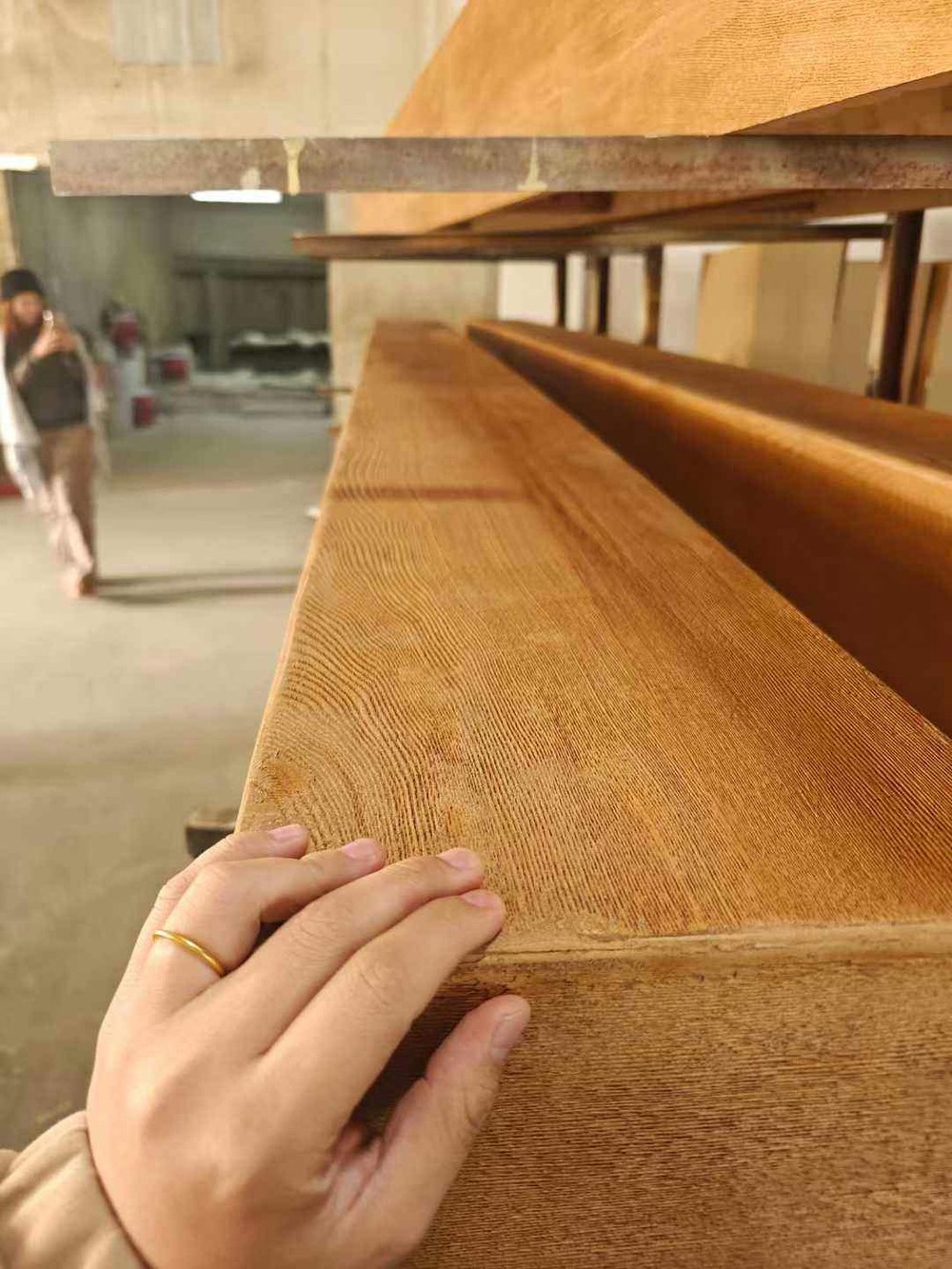
Hospitality properties incorporate beams in diverse applications throughout their spaces. Understanding these applications helps ensure appropriate specification for each context.
Lobby and arrival experiences set the tone for everything that follows. These high-visibility spaces typically feature dramatic beam installations that establish the property's design character. Whether the aesthetic is rustic lodge, contemporary minimalism, or classic elegance, beams contribute to the arrival moment that guests remember. These prominent installations warrant premium products that will maintain their appearance through years of constant observation.
Dining venues present specific challenges including proximity to food service, cleaning chemicals, and potential moisture exposure. Beams above restaurant ceilings catch rising grease vapor and require cleaning that would damage natural wood finishes. PU resin beams handle this environment while maintaining appearance, making them practical for both upscale dining rooms and high-volume food service areas.
Guest room corridors often feature repeating beam patterns that define the ceiling plane while adding visual interest to spaces that might otherwise feel institutional. These installations require consistency across many identical pieces while handling the traffic of guests, housekeeping, and maintenance. Commercial-grade products designed for high-traffic applications serve these spaces well.
Ballroom and event spaces demand beams that scale appropriately to large volumes while maintaining the intimacy that makes events successful. The challenge is creating impressive visual impact without overwhelming the space or competing with event installations. Larger-scale beams with appropriate profiles address these requirements.

Specifying for Brand Standards
Hospitality brands maintain standards that ensure consistent guest experience across their properties. These standards extend to architectural elements including beams, which must meet specific requirements for appearance, quality, and performance.
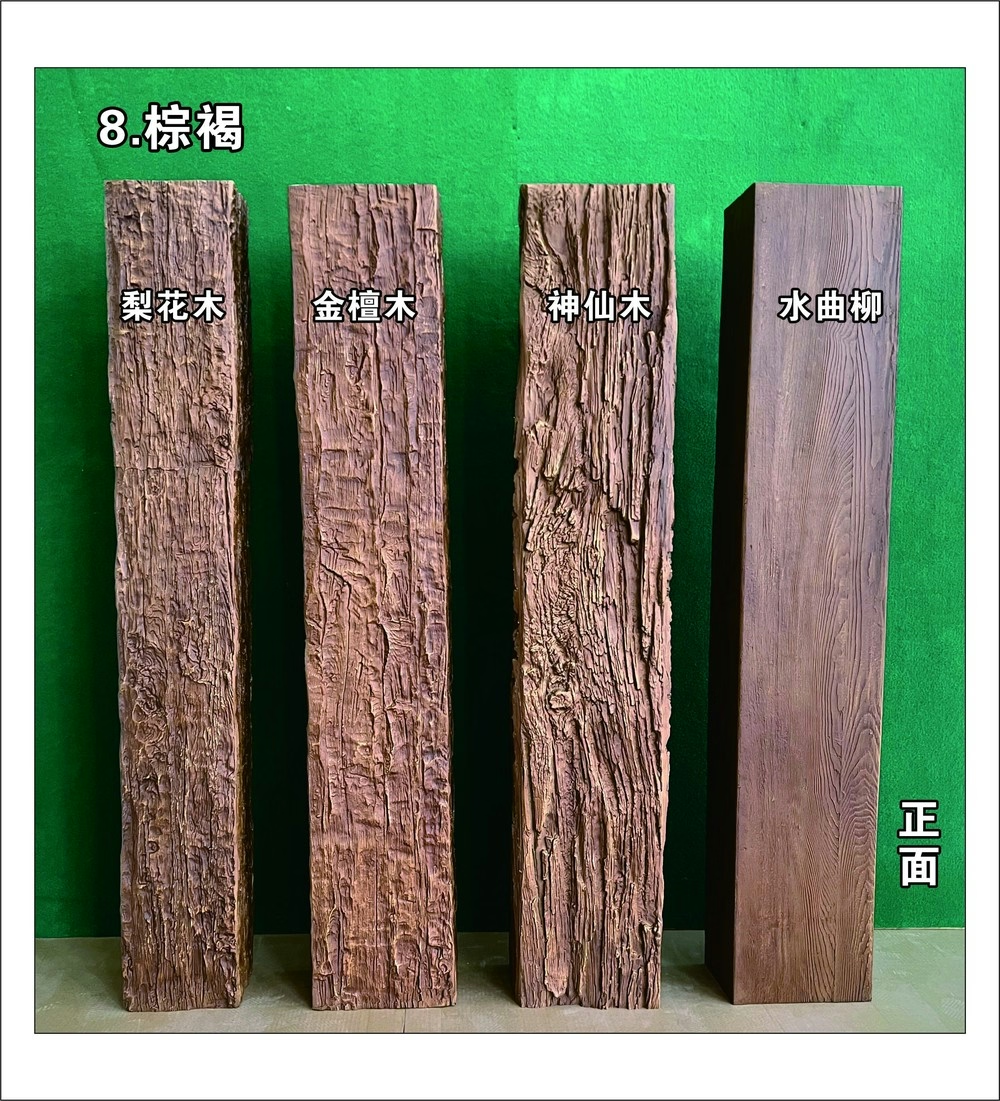
Color specifications ensure that beam installations match the brand's design language consistently. Whether the standard calls for specific wood species appearance, particular stain tones, or defined finish sheens, beams must achieve these targets precisely. Manufacturing processes for PU resin products can be controlled to maintain tight color tolerances that satisfy brand requirements.
Quality standards address both appearance and performance. Brand QA requirements might specify finish durability, impact resistance, or other characteristics that products must demonstrate. Documentation including test results, certifications, and sample approvals supports the verification process that brands require.
Availability and consistency requirements ensure that future projects or renovations can match existing installations. Brands that expand properties or refresh designs need confidence that matching products remain available. Selecting products from established manufacturers with track records of continuous production supports these long-term requirements.
Project Scale Considerations
Large hospitality projects present logistical challenges that smaller installations never encounter. Coordinating material deliveries, managing installation across multiple phases, and maintaining quality control at scale requires attention to factors that residential work ignores.
Production capacity matters for large orders. A boutique hotel might require a few dozen beams; a resort property might need hundreds or thousands. Manufacturer capacity to produce the required volume consistently becomes critical. Working with established manufacturers who have demonstrated ability to scale production helps avoid the quality variations that sometimes accompany rushed capacity expansion.
Lead time planning accommodates manufacturing, shipping, and potential delays. Hospitality projects often face deadlines that cannot slip—opening events are scheduled, marketing materials are distributed, reservations are confirmed. Building realistic lead time into project planning prevents the crises that arise when materials arrive late.
Staging and storage at the job site requires space that hospitality properties often lack. Finished properties have no staging areas; construction areas might be limited. Coordinating just-in-time delivery or arranging off-site storage protects materials during the installation period.
Installation Partner Selection
Successful hospitality beam installation requires partners who understand both the products and the operational context. General contractors with hospitality experience appreciate the unique requirements of these projects; specialized installers bring focused expertise that benefits quality and schedule.
Installation quality affects both immediate appearance and long-term performance. Beams that are improperly mounted might shift or fail over time, creating maintenance issues in operating properties. Professional installation ensures secure attachment, proper alignment, and clean transitions that contribute to the finished appearance.
Scheduling in hospitality contexts requires coordination with other trades and awareness of how installation activities affect adjacent work. Hospitality projects often proceed through multiple phases with different areas at different stages. Installers must adapt to changing conditions while maintaining quality and schedule.
Maintaining Brand Appearance
Once properties open, maintaining the installed appearance becomes an ongoing challenge. Housekeeping and engineering teams must care for beam installations without specialized training or equipment.
The low-maintenance nature of PU resin beams proves especially valuable in hospitality operations. Regular dusting with standard housekeeping practices keeps beams looking clean. Occasional deeper cleaning with mild soap solution addresses any accumulation without damaging finishes. No specialized treatments, refinishing, or periodic maintenance disrupts operations or requires contractor coordination.
Damage repair capability provides insurance against the incidents that occur in operating properties. Replacement pieces should remain available from original manufacturers or through architectural supply channels. Minor damage can often be repaired on-site using appropriate compounds and finishing materials.
Long-Term Value Analysis
Hospitality developers increasingly recognize the long-term value of quality material selections. While initial costs matter in project budgets, lifecycle cost analysis reveals the true economics of different options.
Maintenance costs for natural wood beams include periodic refinishing that requires scaffolding, displaced rooms or areas, and contractor coordination. These costs recur every few years throughout the property's operating life. PU resin beams eliminate these recurring costs entirely.
Replacement costs arise when materials fail prematurely or deteriorate beyond acceptable appearance. The guest experience impact of damaged or dated beams—visible during every walk through public areas—affects brand perception even if guests cannot identify the specific cause of their dissatisfaction.
The consistent appearance of quality beams contributes to brand positioning that justifies premium pricing. Properties that maintain their design integrity over years demonstrate attention to detail that guests appreciate. This attention translates into reviews, recommendations, and return visits that drive revenue.
Building Hospitality Excellence
Hospitality projects that achieve excellence do so through countless right decisions throughout the design, construction, and operating periods. Material selection represents one category of these decisions, and choosing PU resin beams for ceiling applications reflects thoughtful consideration of project requirements.
These beams serve hospitality spaces by providing the warmth and character that guests expect while delivering the performance that commercial operations require. The aesthetic flexibility to achieve any design intent, combined with the practical advantages of manufactured consistency and durability, makes PU resin the material of choice for discerning hospitality developers.
When you specify polyurethane resin faux wood beams for hospitality fit-outs, you're investing in solutions that serve your project through construction and into decades of operation. The properties you create will welcome guests beautifully while requiring minimal maintenance from the teams who keep them running.
Technical References
ASTM standards cited in every specification
Test Data
Lab results from internal testing program
Updated 2026
Reviewed against current product specs


