The appeal of weathered wood runs deep in human experience. We associate aged timber with authenticity, with stories of time passed, with the character that only comes through years of exposure and use. This appeal drives the popularity of reclaimed wood products across the building industry—but reclaimed wood comes with limitations. Finding consistent material, ensuring adequate quantity, addressing pest and moisture history, managing installation challenges—these practical realities can turn the romance of reclaimed wood into a logistical headache.
Weathered finish polyurethane beams offer a compelling alternative. They capture the visual character of aged timber—the subtle graying, the weathered texture, the evidence of time—while eliminating the practical complications that genuine reclaimed materials bring. The result is authentic-looking weathered wood that installs easily, performs reliably, and never requires the maintenance that real reclaimed timber demands.

The Character of Weathered Wood
Understanding what makes weathered wood visually appealing helps explain how polyurethane beams achieve convincing weathered finishes. Weathering affects wood through multiple processes that create the character people find attractive.
UV exposure breaks down lignin on the wood surface, causing the gray coloration associated with aged exterior timber. This process occurs unevenly, creating subtle variations in tone and texture that add visual interest. The surface becomes slightly rougher as softer wood fibers erode, leaving harder grain patterns more prominent.
Moisture cycling causes checking—small cracks that form as wood expands and contracts with wetting and drying. These checks follow grain patterns and create the fine detail that distinguishes genuinely aged wood from artificially treated material. Water staining from rain exposure adds additional character in some applications.
Insect activity, particularly from wood-boring beetles, creates small holes and tunnels that add to the aged appearance. These traces of previous inhabitation tell stories about the timber's history. In some wood, these marks have been filled or stabilized; in others, they remain as evidence of the timber's past life.
How Polyurethane Achieves Weathered Aesthetics
Modern manufacturing techniques allow polyurethane beams to convincingly replicate weathered wood appearance. The key is combining multiple visual elements that together create the impression of genuine age.
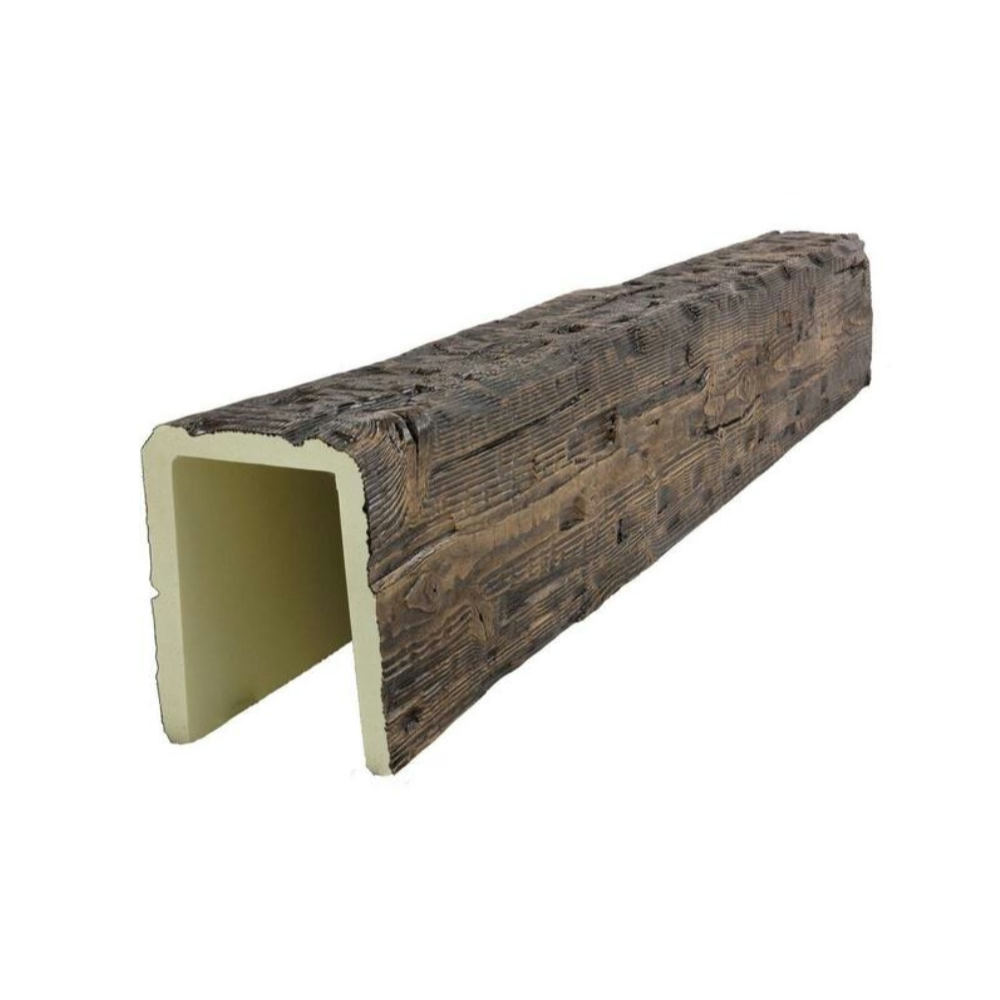
Surface texture forms the foundation of weathered appearance. Quality weathered beams feature textures that suggest natural erosion—the slight roughness of surface weathering, the definition of grain patterns left by softer wood removal. This texture must be consistent across the beam surface while maintaining subtle variation that suggests natural processes rather than mechanical reproduction.
Color treatment applies multiple tones that together create the gray and brown palette of weathered timber. Base colors provide underlying tone; weathering effects add surface coloration. The combination should feel natural and earned rather than painted on. Quality control ensures this appearance is consistent across all beams in an installation.
Detail elements including simulated checking, subtle surface irregularities, and optional features like simulated nail holes or bolt holes add authenticity. These details should read as evidence of natural processes, not manufactured decoration. The best weathered beams achieve this through careful attention to how genuine weathered timber actually appears.

Design Applications for Weathered Beams
Weathered beams suit design approaches that value authenticity, character, and connection to natural materials. Their use spans residential and commercial applications where these qualities matter.
Rustic and farmhouse design styles often feature weathered beams prominently. These aesthetics celebrate imperfection and age, making weathered beams natural fits. The beams contribute to the overall design narrative without requiring the compromises that genuine reclaimed materials might impose on these design approaches.
Industrial and urban modern styles use weathered wood as contrast against cleaner modern elements. A polished concrete floor and sleek furniture benefit from the warmth and texture that weathered beams provide. The contrast between modern and aged creates visual interest that neither element achieves alone.
Hospitality and retail environments increasingly use weathered beams to create atmosphere. Restaurants that evoke historic buildings, hotels that suggest frontier heritage, stores that celebrate artisan craftsmanship—all benefit from the authenticity that weathered beams contribute. The durability of polyurethane makes these appearances practical in high-traffic commercial contexts.
Advantages Over Genuine Reclaimed Material
The practical advantages of weathered polyurethane over genuine reclaimed timber are substantial. Understanding these advantages helps make informed decisions between authentic and synthetic options.
Consistency of appearance distinguishes polyurethane from reclaimed material. Genuine reclaimed wood varies dramatically between pieces—different sources, different weathering histories, different exposures create inconsistency that makes uniform installation challenging. Polyurethane weathered beams match precisely, enabling clean installations that look intentionally designed rather than patchworked from available materials.
Availability and quantity concerns disappear with manufactured products. Reclaimed material supply depends on what buildings have been demolished, what timber has become available. Getting adequate quantities of consistent material for large projects can prove difficult or impossible. Polyurethane production meets demand reliably, regardless of project size.
Pest and moisture concerns that accompany reclaimed material don't exist with polyurethane. Genuine reclaimed timber might harbor insects, fungal growth, or moisture damage that affects long-term performance. Polyurethane's synthetic composition eliminates these concerns entirely, providing peace of mind that genuine reclaimed material cannot offer.
Maintenance of Weathered Finishes
One of the most appealing aspects of weathered polyurethane beams is the maintenance they don't require. Genuine weathered wood needs protection from further weathering, periodic cleaning, and potential refinishing to maintain appearance. Weathered polyurethane maintains its appearance indefinitely without any of these interventions.
The weathered appearance is not a surface coating that might wear off but rather an integrated finish that maintains its character through the beam's service life. There's no finish to fail, no coating to touch up, no protection to reapply. The beam that looks weathered at installation looks identically weathered years later.
Cleaning when needed involves simple dusting or mild soap solution for accumulated dirt. Unlike genuine weathered wood, which might release surface material if cleaned aggressively, polyurethane weathered beams tolerate reasonable cleaning without affecting their appearance. This practical advantage makes them suitable for applications where cleanliness matters.
Coordinating Weathered Beams with Other Materials
Successful interior design integrates all elements cohesively. When using weathered beams, consideration of how they interact with other materials ensures harmonious results.
Wood flooring in similar tones creates visual connection between ceiling and floor. The beams appear to belong in the same design universe as the floor, even if the floor is new wood with intentional weathering treatment. Coordination of tone and texture between these elements produces spaces that feel complete rather than assembled from unrelated parts.
Metal elements in industrial-influenced spaces might contrast with or complement weathered beams depending on their character. Raw steel, copper, and brass in appropriate applications create interesting relationships with weathered wood. The warmth of aged timber and the patina of weathered metal often enhance each other.
Natural stone or concrete provides textural contrast that lets weathered beams stand out. The smooth surface of polished concrete or the crystalline texture of stone creates visual separation that makes beam character more apparent. This contrast works especially well in modern interpretations of rustic aesthetics.
Authentic Character Without Compromise
Weathered finish polyurethane beams represent an accommodation between aesthetic aspirations and practical realities. They acknowledge that what people love about weathered wood is its appearance—the character, the history, the texture—rather than the material itself. By focusing on achieving that appearance while eliminating the complications of genuine reclaimed material, these beams serve design goals effectively.
This approach represents a mature perspective on material selection. It prioritizes outcomes—beautiful, character-rich spaces—over material authenticity for its own sake. The spaces created with weathered polyurethane beams look exactly as intended; the only difference is that they achieve this appearance more practically than genuine reclaimed materials might allow.
For projects where weathered aesthetics matter but practical constraints limit reclaimed material use, weathered polyurethane provides the best of both worlds. The authentic appearance satisfies aesthetic requirements while the manufactured consistency, availability, and durability serve practical needs.
Making the Weathered Choice
Selecting weathered finish beams for a project reflects both aesthetic judgment and practical wisdom. The aesthetic choice honors the beauty of aged materials; the practical choice ensures those aesthetics can be achieved reliably.
Weathered beams work in spaces where their character contributes to overall design intent. They don't work in contexts where pristine, uniform surfaces are the goal. Understanding when weathered aesthetics serve the project, and when they don't, helps make appropriate selections.
When weathered is the right choice, weathered polyurethane beams deliver reliably. They provide the character that makes spaces feel established and authentic while maintaining that character indefinitely without maintenance intervention. For design professionals and property owners who value both aesthetics and practicality, this combination proves increasingly attractive.
Technical References
ASTM standards cited in every specification
Test Data
Lab results from internal testing program
Updated 2026
Reviewed against current product specs


