
Every renovation faces the tension between aspiration and budget. The design vision includes warm wood beams across the ceiling. The budget reality includes a price tag that makes that vision seem impossible. This frustration drives many projects toward compromise solutions that never quite deliver the desired aesthetic. But it doesn't have to be this way.
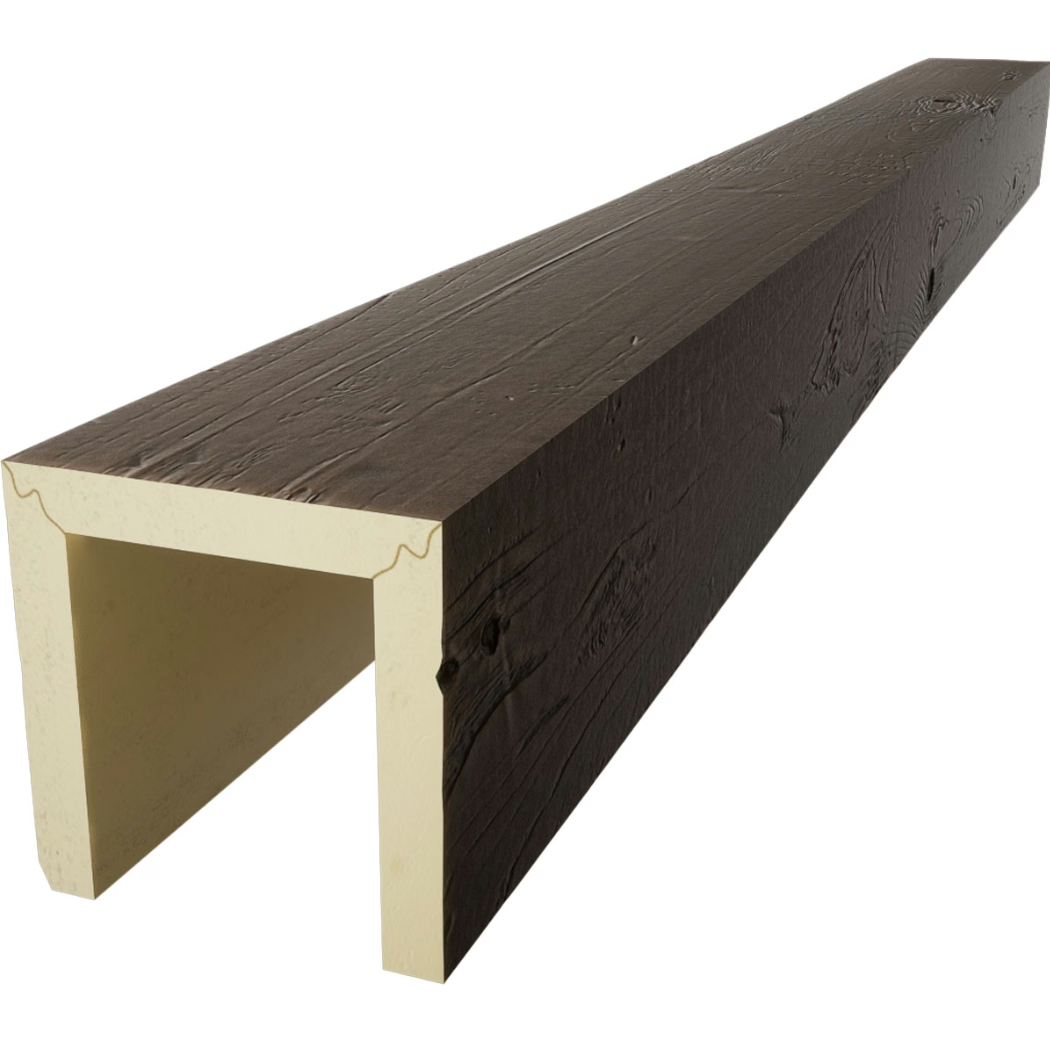
Low-cost decorative polyurethane beams make the wood beam aesthetic accessible across a much wider budget range than traditional materials would allow. By eliminating the cost drivers that make genuine timber beams expensive—raw material costs, specialized installation requirements, ongoing maintenance expenses—polyurethane opens possibilities that budget-conscious projects can actually pursue.
Understanding the Cost Structure
To appreciate why polyurethane offers cost advantages, examining what makes traditional wood beams expensive helps. Genuine timber suitable for beam applications requires large, mature trees. The milling process to create beam dimensions from these trees generates significant waste. Kiln drying to stabilize the timber adds processing cost. The weight of solid timber increases shipping expenses. Installation typically requires multiple workers and specialized equipment.
Each of these cost factors either doesn't apply or applies minimally to polyurethane beams. Synthetic production doesn't depend on mature timber harvests. Extrusion and molding processes generate minimal material waste. The lightweight product reduces shipping costs dramatically. Installation often requires just two people or even one, without specialized equipment.
These differences translate directly into lower prices at every market level. Entry-level polyurethane beams cost a fraction of comparable genuine wood products. The most expensive premium polyurethane beams still cost less than mid-range timber options. This pricing creates genuine choice for projects that genuine wood would price out of consideration.
Quality Tiers Within Polyurethane
Not all polyurethane beams occupy the same price point. Multiple quality tiers serve different market segments, and understanding these tiers helps buyers find appropriate cost-quality balance. Entry-level products provide basic aesthetics at the lowest prices. Mid-range offerings add detail, durability, and finish quality. Premium products approach genuine wood in appearance while maintaining polyurethane's practical advantages.
Entry-level polyurethane beams suit projects where budget constraints are paramount and replacement costs are acceptable. These products deliver the general wood beam look at very low prices. The surface detail might be less refined, the color consistency between pieces might vary, and long-term durability might be reduced compared to premium options. For temporary installations, rental properties, or projects facing extreme budget pressure, these products serve their purpose.
Mid-range products represent the best value for most projects. The step up in quality—better surface detail, more consistent coloring, improved durability—justifies modest price increases. These beams serve well in permanent residential installations where quality matters but budget still constrains options.
Premium polyurethane beams target clients for whom only the best will do. These products might cost two or three times mid-range options but deliver correspondingly refined appearance and performance. For high-end residential projects, luxury commercial spaces, or installations where quality directly affects business reputation, premium products make economic sense.

Maximizing Value in Budget Projects
Getting the most from limited budgets requires strategic choices that extend beyond simple unit price consideration. Shipping costs can exceed product costs for smaller orders, making local sourcing or consolidated ordering valuable. Installation complexity affects total project cost significantly, so simpler products that reduce labor hours might be more economical despite higher unit prices.
Finish requirements affect ongoing cost of ownership. Products requiring no finishing save both initial cost and future maintenance expense. Those that accept standard finishes allow budget-friendly painting rather than expensive specialty coatings. Understanding these characteristics helps specify products that remain budget-friendly through their full lifecycle.
Durability affects true cost more broadly than purchase price. A cheap beam that requires replacement in five years costs more than a quality beam lasting twenty. Calculating total installed cost per year of service life often reveals that budget-priced products are actually more expensive over realistic time horizons.
Applications Where Budget Beams Excel
Rental properties represent ideal applications for budget polyurethane beams. These installations prioritize appearance improvement over long-term durability. Tenants might not treat beams as carefully as owners would. Replacement simplicity matters when future maintenance is uncertain. Budget beams deliver the aesthetic upgrade landlords seek without over-investing in properties they don't own indefinitely.
Staging properties for sale benefits from budget beam installation. The visual impact of wood beams helps properties show better, potentially supporting higher offers or faster sales. When the beam investment relates directly to sale outcomes, minimizing cost maximizes return on the improvement investment.
DIY projects often favor budget products because the labor is free. When homeowners install their own beams, the material cost becomes the entire project cost. Lower-priced products deliver proportional savings without sacrificing the basic aesthetic upgrade that motivates the project.
Balancing Cost and Aesthetics
The goal of budget-conscious projects shouldn't be simply minimizing expenditure but rather maximizing value received. A beam that looks cheap undermines the entire design effort, wasting the money spent on it. A beam that delivers convincing wood aesthetics at appropriate cost provides genuine value. This distinction matters for project success.
Visual quality in budget beams relates significantly to profile selection. Simple, clean profiles with well-defined edges tend to look better than complex profiles with intricate details that budget manufacturing cannot execute well. This suggests choosing straightforward aesthetics over ornate alternatives when budget constrains options.
Finish quality matters equally. Even budget polyurethane beams benefit from careful finishing attention. Proper surface preparation, appropriate primer selection, and quality paint or stain application elevate budget products toward premium appearance. The beam itself provides the form; finishing provides the visual finish that observers actually see.
Long-Term Budget Thinking
Projects that consider total cost of ownership rather than just purchase price often reach different conclusions about value. Maintenance-free polyurethane beams cost less over decades than wood alternatives that require periodic refinishing. Durable beams cost less than fragile ones that require early replacement. Quality beams that maintain appearance cost less than cheap beams that degrade and disappoint.
This long-term perspective supports quality investment even in budget contexts. The goal isn't cheapest possible beams but best value across the beam's service life. When this calculation guides decisions, the apparent premium for quality products often proves economically justified.
Technical References
ASTM standards cited in every specification
Test Data
Lab results from internal testing program
Updated 2026
Reviewed against current product specs


