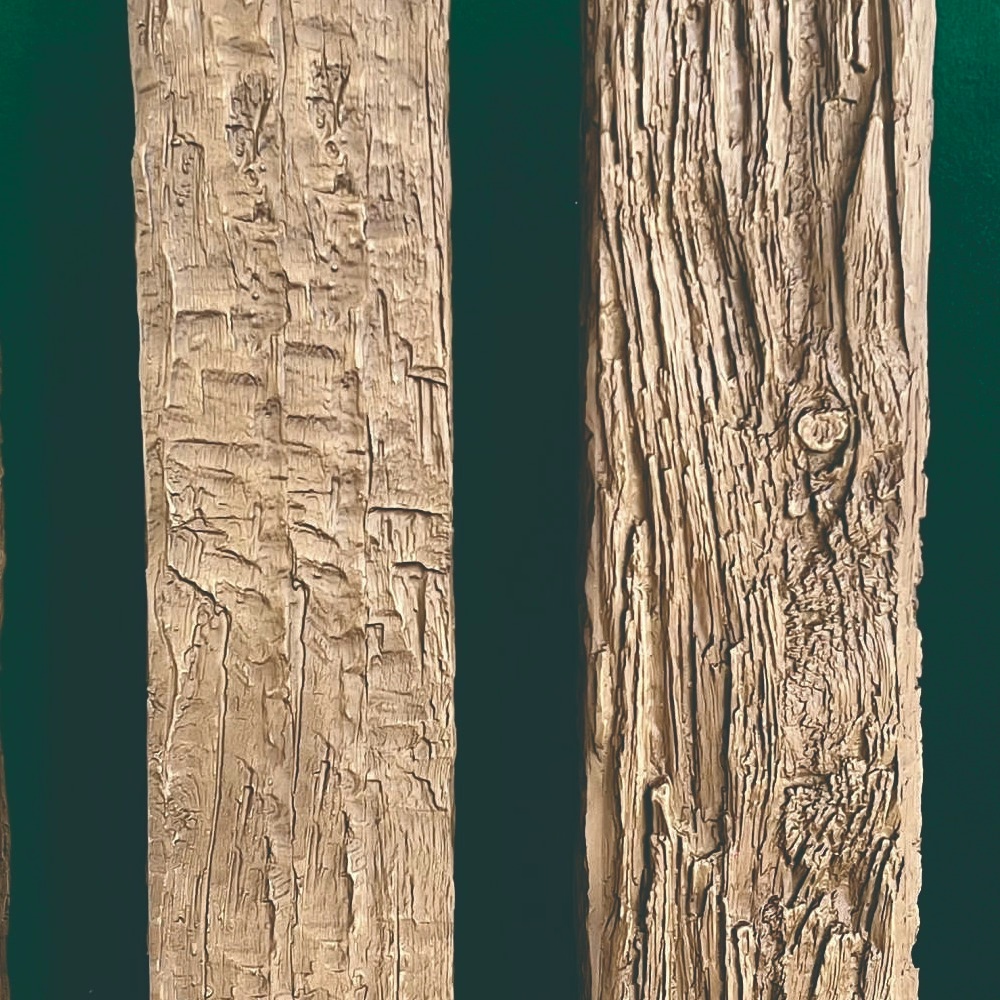
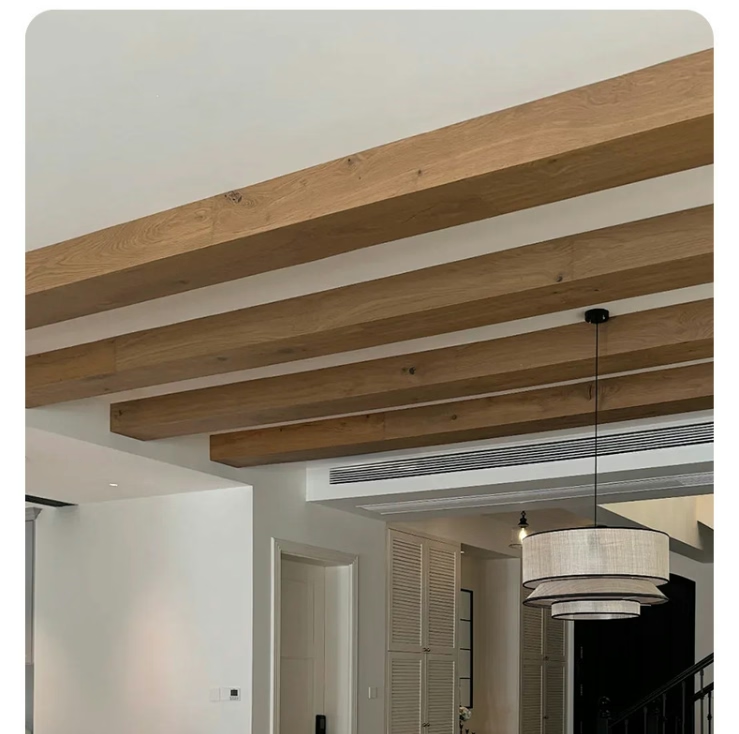
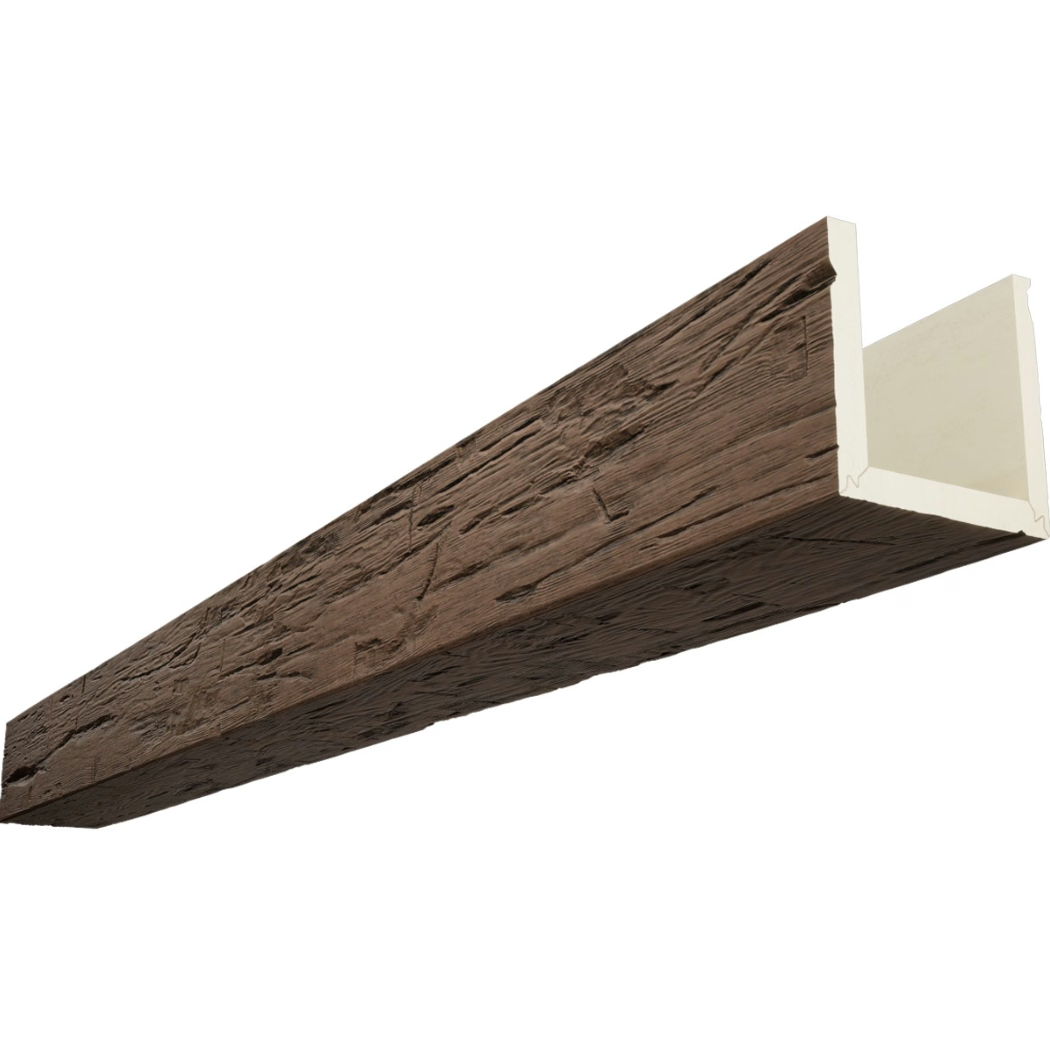
Senior living facilities occupy a unique position in the built environment. These spaces must feel residential and welcoming while functioning as care environments with specific operational requirements. Ceiling treatments contribute to the residential atmosphere that helps residents feel at home, but they cannot create maintenance burdens that distract staff from primary care responsibilities. Low-maintenance decorative faux beams navigate this balance elegantly.
The aesthetic contribution of ceiling beams to senior living interiors matters more than in many other commercial applications. Residents often experience reduced environmental stimulation, making every design element more significant to their daily experience. A warm, textured ceiling contributes to the homelike atmosphere that supports wellbeing. Yet this aesthetic contribution cannot come at the cost of infection control, cleaning efficiency, or maintenance simplicity.
Senior Living Operational Requirements
Senior living facilities operate under maintenance constraints that differ from typical commercial environments. Cleaning protocols must address infection concerns without harsh chemicals that might affect resident respiratory systems. Maintenance staff often work with limited resources, prioritizing tasks based on care needs over aesthetic concerns. Ceiling treatments must tolerate this operational reality without deterioration or complaint.
Resident populations present additional considerations for material selection. Cognitive impairment might lead to contact with ceiling surfaces. Reduced mobility might place residents closer to ceiling elements than typical installations anticipate. Physical fragility might make falling beam pieces more dangerous than in general commercial applications. These resident-specific concerns deserve consideration during specification.
Accessibility requirements affect ceiling elements indirectly but significantly. Wheelchair and walker traffic affects how maintenance occurs. Staff carrying equipment must navigate around ceiling obstacles. The overall maintenance philosophy—often emphasizing simplicity and reliability over aesthetic perfection—should inform ceiling treatment selection.
Low-Maintenance Performance Characteristics
Durable finish systems distinguish beams suitable for senior living from those designed for purely aesthetic applications. The finish must resist cleaning chemicals without degradation. It must maintain appearance despite periodic contact. It must resist scratching and marring from routine activities. These durability requirements narrow the field of acceptable products significantly.
Surface cleanability affects long-term appearance in occupied facilities. Spills, splashes, and airborne contaminants eventually reach ceiling surfaces. Smooth, non-porous finishes wipe clean without staining or damage. Textured surfaces might hide minor soiling but can also harbor dust and resist effective cleaning. This cleanability trade-off deserves careful consideration.
Impact resistance matters in facilities where the unexpected occurs. Resident activities, equipment movement, and maintenance operations can contact ceiling surfaces. Beams that resist impact damage maintain appearance despite these contacts. This resilience reduces maintenance interventions and complaint calls.

Design Approaches for Resident Wellbeing
Visual warmth contributes significantly to resident comfort in senior living spaces. The wood aesthetic that faux beams provide adds organic character that contrasts with institutional ceiling tiles or plain drywall. This visual warmth supports the homelike atmosphere that quality senior living facilities cultivate as part of their care philosophy.
Scale appropriateness affects how beams contribute to resident experience. Oversized beams might feel overwhelming to residents with visual processing changes common in aging populations. Appropriately scaled beams add visual interest without creating the cavernous or imposing feeling that larger elements might produce. This resident-centered scaling deserves attention during design development.
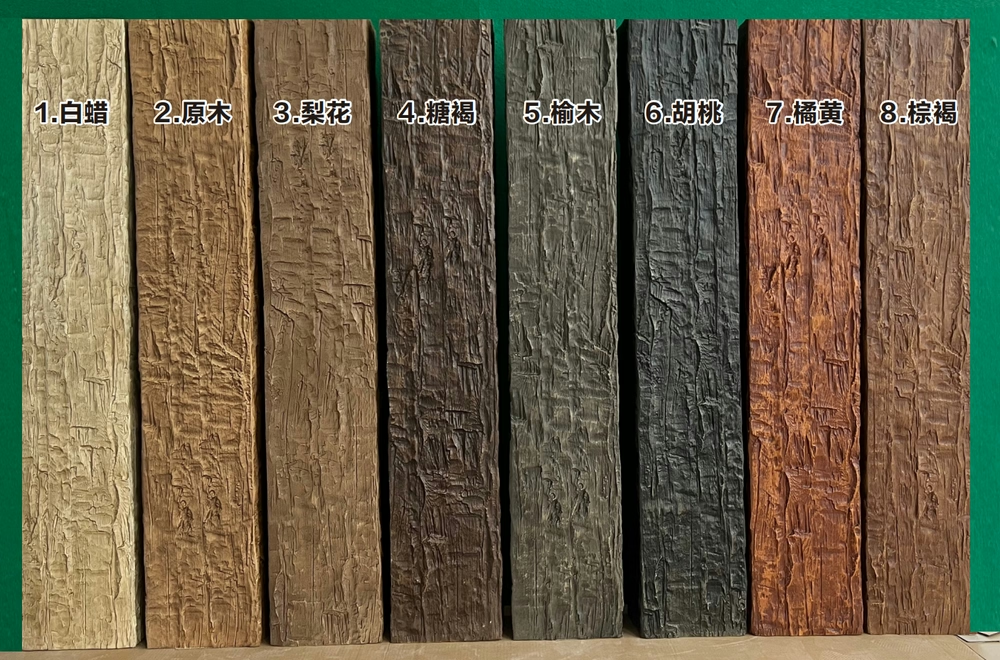
Color selection influences both aesthetic impact and practical maintenance. Lighter finishes hide dust better than dark ones, reducing cleaning frequency. Warm tones contribute to residential atmosphere more effectively than cool neutrals. Stain-resistant finishes maintain appearance despite the various contacts that occur in lived-in environments.
Infection Control Considerations
Healthcare-grade cleaning protocols are increasingly common in senior living facilities, particularly following recent health concerns. Ceiling treatments must tolerate the cleaning agents these protocols require. Polyurethane beams with appropriate finish systems generally accept standard healthcare disinfectants without damage, but verification with specific products helps prevent costly mistakes.
Dust accumulation affects air quality and resident respiratory health. Beams that collect dust require more frequent cleaning to maintain appearance and air quality. Smooth-surface beams accumulate less dust than heavily textured alternatives. While textured surfaces might seem more visually interesting, the practical implications for cleaning and air quality suggest favoring easier maintenance.
Seams and joints can harbor contaminants if not properly detailed. Beams with smooth, continuous surfaces present fewer opportunities for contamination accumulation than those with complex joints or decorative details that create cleaning challenges. This maintenance-friendly detailing supports infection control without sacrificing aesthetic quality.
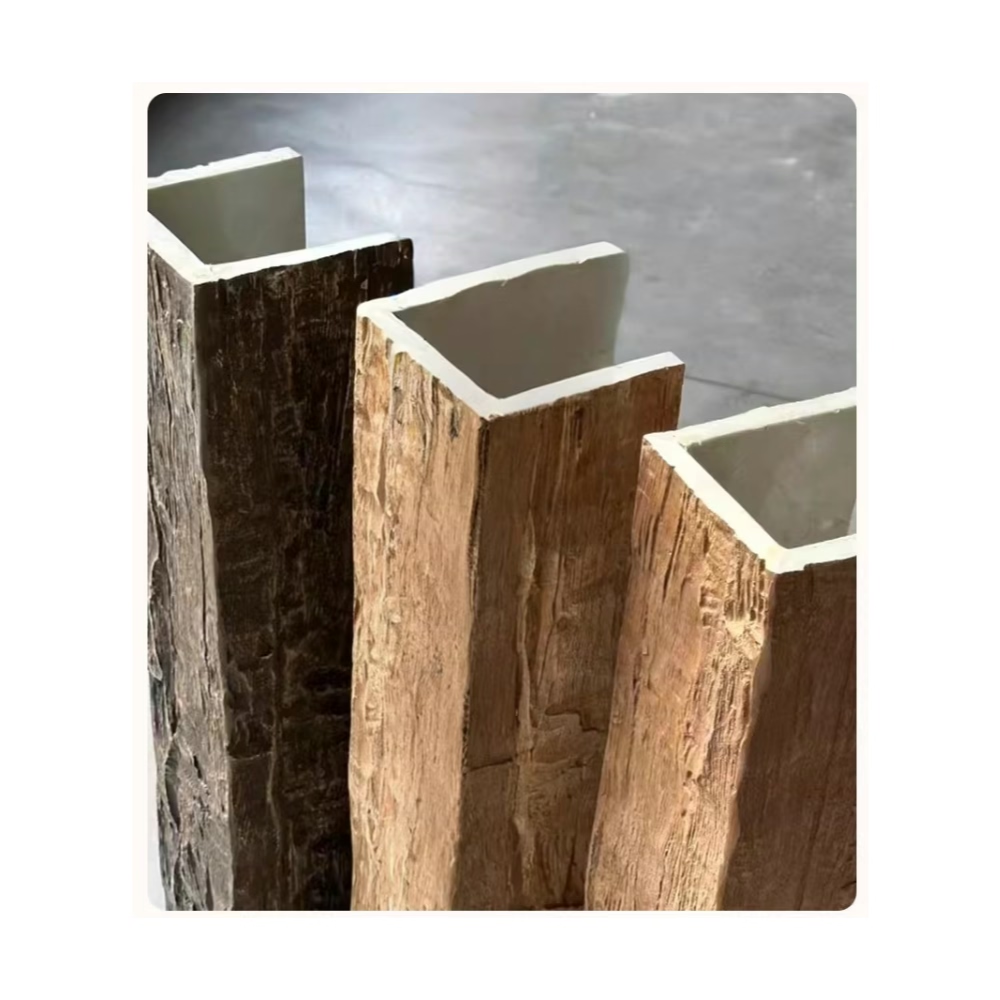
Staff-Friendly Installation and Maintenance
Installation approaches affect ongoing maintenance requirements significantly. Beams mounted with visible fasteners create cleaning obstacles and potential damage points. Concealed mounting systems create smooth surfaces that facilitate cleaning and reduce damage opportunities. This installation consideration deserves attention during both specification and installation.
Inspection accessibility helps maintenance staff identify issues before they become complaints. Beams positioned where regular inspection is practical receive attention before problems escalate. Beams hidden above difficult obstacles receive less attention and may develop problems that affect resident experience or safety.
Replacement simplicity matters when damage does occur. Beams designed for easy removal and replacement minimize disruption when maintenance needs arise. Modular systems that allow individual component replacement rather than complete section removal support efficient maintenance operations.
Long-Term Value in Senior Living Applications
Initial cost considerations in senior living should account for total lifecycle expenses. Beams requiring frequent cleaning, regular touch-up, or early replacement cost more over time than those maintaining appearance with minimal intervention. The most economical choice often favors quality products with higher initial costs but lower ongoing requirements.
Warranty coverage provides protection against manufacturing defects that might otherwise create maintenance burdens. Products with comprehensive warranties demonstrate manufacturer confidence while providing facilities with recourse if problems occur. Extended warranty periods that match or exceed typical lease cycles or ownership horizons provide meaningful protection.
Vendor support affects practical maintenance outcomes. Manufacturers who provide easy ordering for replacement pieces, responsive customer service for problem resolution, and clear maintenance guidance enable facilities to address issues efficiently. These support factors contribute to total value beyond the products themselves.
Technical References
ASTM standards cited in every specification
Test Data
Lab results from internal testing program
Updated 2026
Reviewed against current product specs