
Flat ceilings dominate modern construction by necessity. Efficient building practices, cost containment, and standardized construction methods all favor the simple horizontal plane. Yet these utilitarian surfaces often feel stark, unfinished, or simply boring. The challenge for contemporary designers involves transforming these neutral planes into something that contributes to spatial character without contradicting the modern aesthetic that typically governs the surrounding architecture.
Low-profile faux beams solve this transformation challenge elegantly. Their minimal projection preserves the clean, unencumbered feeling that flat ceilings provide. Their wood texture and architectural presence add the visual interest that stark ceilings lack. Together, these characteristics enable ceiling transformation that respects rather than fights contemporary design sensibilities.
Modern Design Principles Applied to Beams
Contemporary design emphasizes simplicity, restraint, and purposeful use of materials. Ornate details that characterize traditional architecture feel out of place in modern contexts. Low-profile beams align with this philosophy through their understated presence—adding interest without asserting dominance, contributing character without demanding attention.
The proportion discipline of modern design extends to ceiling elements. Massive beams that would suit traditional farmhouse aesthetics create visual weight incompatible with contemporary spaces. Low-profile beams maintain the visual lightness that modern interiors typically pursue. Their narrow dimensions preserve spatial flow rather than interrupting it.
Material honesty represents another modern design principle. While traditional spaces might embrace painted surfaces that hide material character, contemporary design often celebrates material authenticity. The wood-like appearance of polyurethane faux beams—convincing enough to suggest genuine material—engages this principle while providing practical benefits that natural materials cannot match.
The Flat Ceiling Problem
Unadorned flat ceilings present specific design challenges that low-profile beams address directly. The unbroken horizontal plane creates monotony that large, undivided surfaces intensify. Without visual interruption, these ceilings fail to capture attention or contribute to spatial experience. The room functions well but never quite achieves visual completion.
Scale problems also affect flat ceilings. Large, open-plan spaces with flat ceilings can feel cavernous or institutional. The ceiling plane seems to recede too far, creating spatial unease. Adding visual structure—through beams or other ceiling treatments—organizes space and brings the ceiling to a more appropriate visual relationship with occupants.
Acoustic considerations present another flat ceiling challenge. Hard, reflective surfaces reflect sound without absorption, creating echo and reverberation that affect comfort and function. While beams alone don't solve acoustic problems, their texture and mass can contribute to acoustic treatment when properly specified.
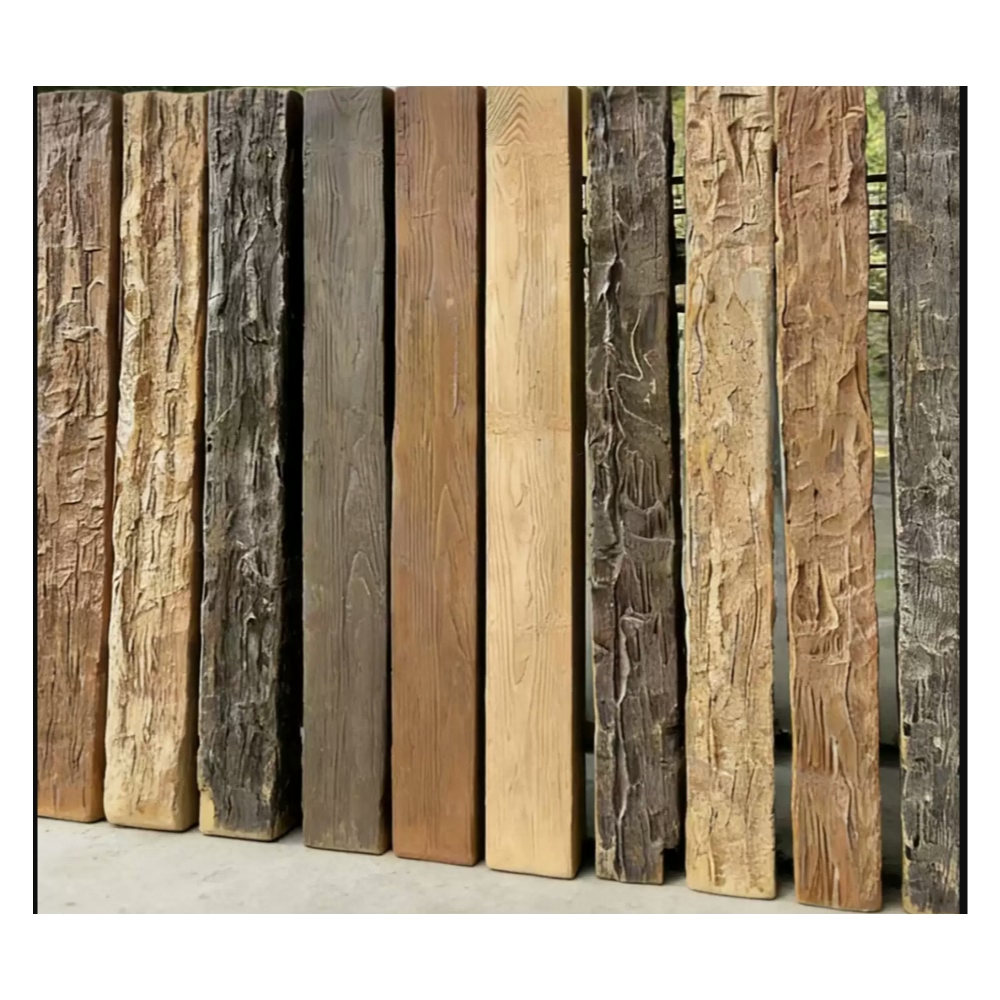
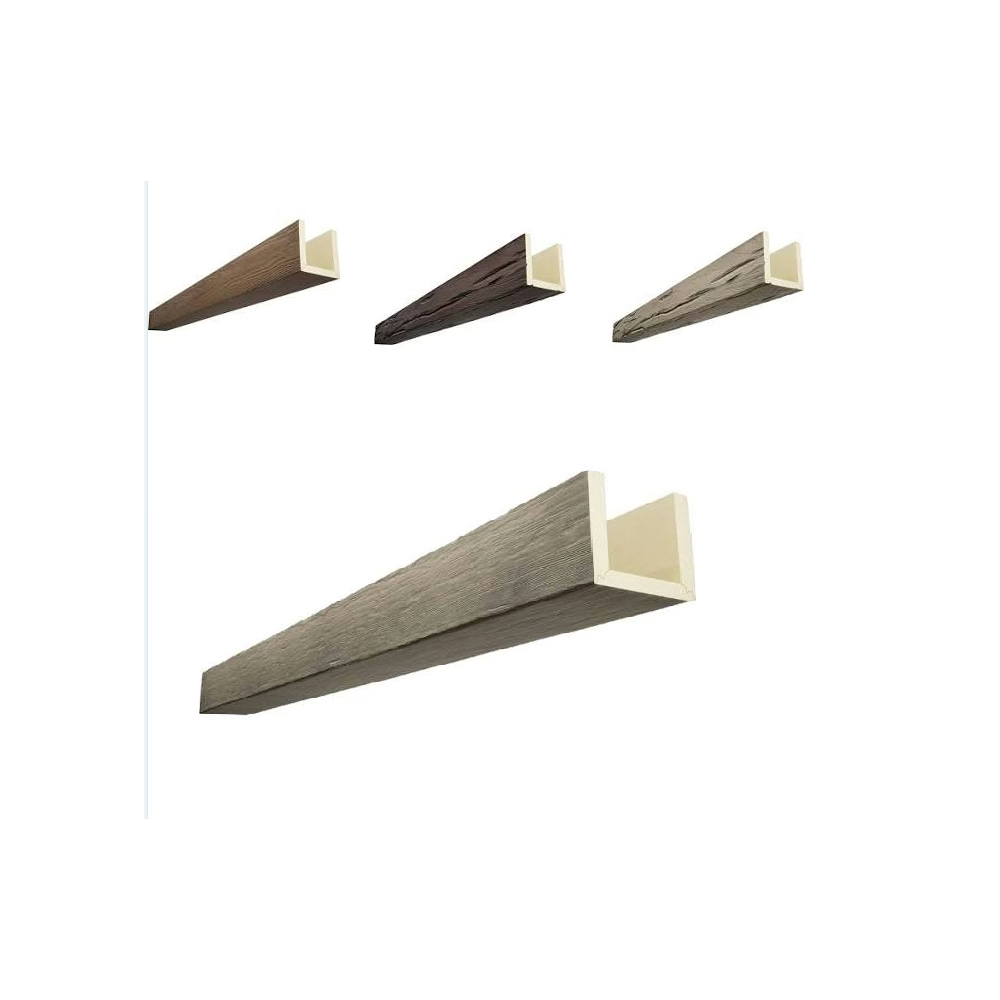
Low-Profile Beam Options for Contemporary Spaces
Clean-lined rectangular profiles suit contemporary interiors with their simple geometry. These beams eliminate the decorative details that might feel ornate in modern contexts. Their straight edges and minimal projection create precise shadow lines that define the ceiling plane without complexity.
Subtle details create interest within low-profile constraints. A slight bevel on visible edges catches light differently than sharp corners. A minimal reveal where beam meets ceiling creates definition without depth. These refined details reward close inspection while remaining appropriate to the overall aesthetic.
Integrated features extend beam utility beyond aesthetics. LED strip channels, speaker mounting points, and HVAC diffusers can incorporate into beam profiles, adding function to form. These integrated features reduce visible ceiling clutter while maintaining the clean lines that contemporary design pursues.

Pattern Selection for Modern Contexts
Single beam installations work well in simple, restrained applications. One beam crossing a ceiling creates definition without complexity. This minimal approach suits smaller spaces or more conservative design directions where subtle intervention rather than dramatic transformation is the goal.
Parallel beam arrangements create rhythm that organizes larger spaces. Consistent spacing between beams establishes visual cadence that guides spatial understanding. This rhythmic pattern works particularly well in rectangular spaces where beams run perpendicular to the longer dimension, reinforcing the space's natural proportions.
Grid patterns create more complex visual organization suitable for large, open-plan spaces. Intersection points add detail that single directions lack. This more elaborate pattern suits commercial contexts or expansive residential spaces that can support its visual complexity without becoming overwhelming.
Integration with Modern Lighting
Lighting integration affects both function and aesthetics in beam ceiling installations. Recessed fixtures between beams maintain the clean ceiling plane while providing illumination. The spacing between beams can align with fixture locations for integrated appearance.
LED strip lighting within beam cavities creates ambient illumination that adds warmth to modern spaces. This indirect lighting softens the harshness that some contemporary lighting creates while adding visual interest to the beams themselves. The light appearing to emanate from within architectural elements aligns with modern lighting philosophy.
Linear fixture alignment with beams creates visual connections that reinforce architectural structure. Fixtures that run parallel to beams, positioned within beam bays, establish directional rhythm that coordinates ceiling treatment with functional lighting. This coordination demonstrates design intentionality that sophisticated observers appreciate.
Color and Finish for Contemporary Contexts
White and near-white beam finishes maintain maximum lightness that preserves the open feeling of contemporary spaces. These neutral treatments allow beams to recede visually while still adding texture and dimension. The subtle presence often proves more appropriate than strong color that might compete with other design elements.
Gray tones create sophistication while maintaining neutrality. These finishes suggest industrial or natural material origins while fitting comfortably within most contemporary color schemes. Gray beams provide stronger visual presence than white without the warmth that wood tones might contribute.
Wood-tone finishes in low-profile beams add organic warmth that some contemporary spaces need. The wood aesthetic contributes character that plain surfaces lack while remaining restrained through low-profile proportions. This balance between organic character and contemporary restraint works particularly well in residential contexts.
Achieving the Transformation
The transformation from flat ceiling to architectural feature through low-profile beams rewards thoughtful execution. Quality products, careful installation, and integrated lighting combine to create results that exceed what individual elements might suggest. The whole becomes greater than the sum of its parts through this architectural integration.
This transformation represents the best of what contemporary design offers—respecting modern aesthetics while adding the warmth and character that makes spaces feel complete. Low-profile beams enable this synthesis without compromise, proving that practicality and beauty can coexist in ceiling design.
Technical References
ASTM standards cited in every specification
Test Data
Lab results from internal testing program
Updated 2026
Reviewed against current product specs


