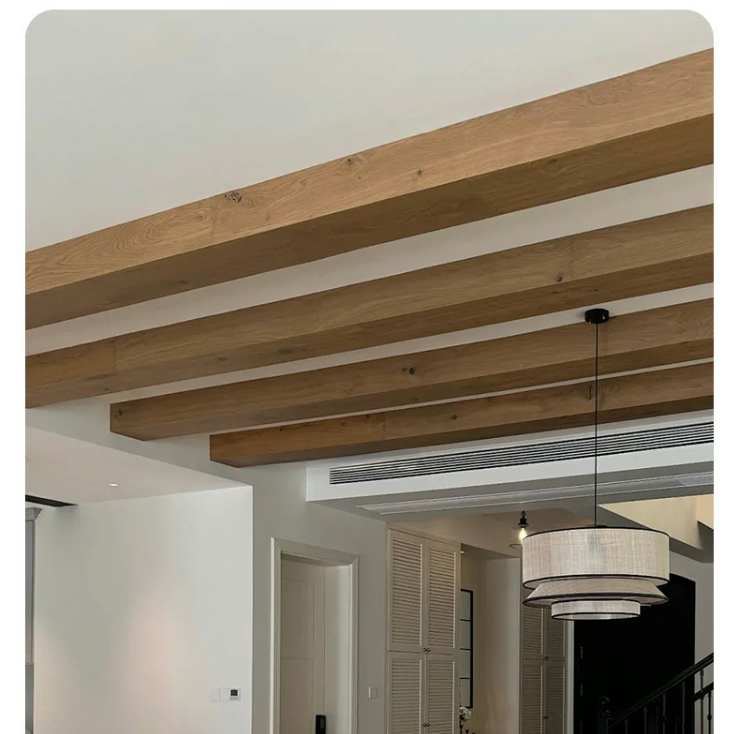
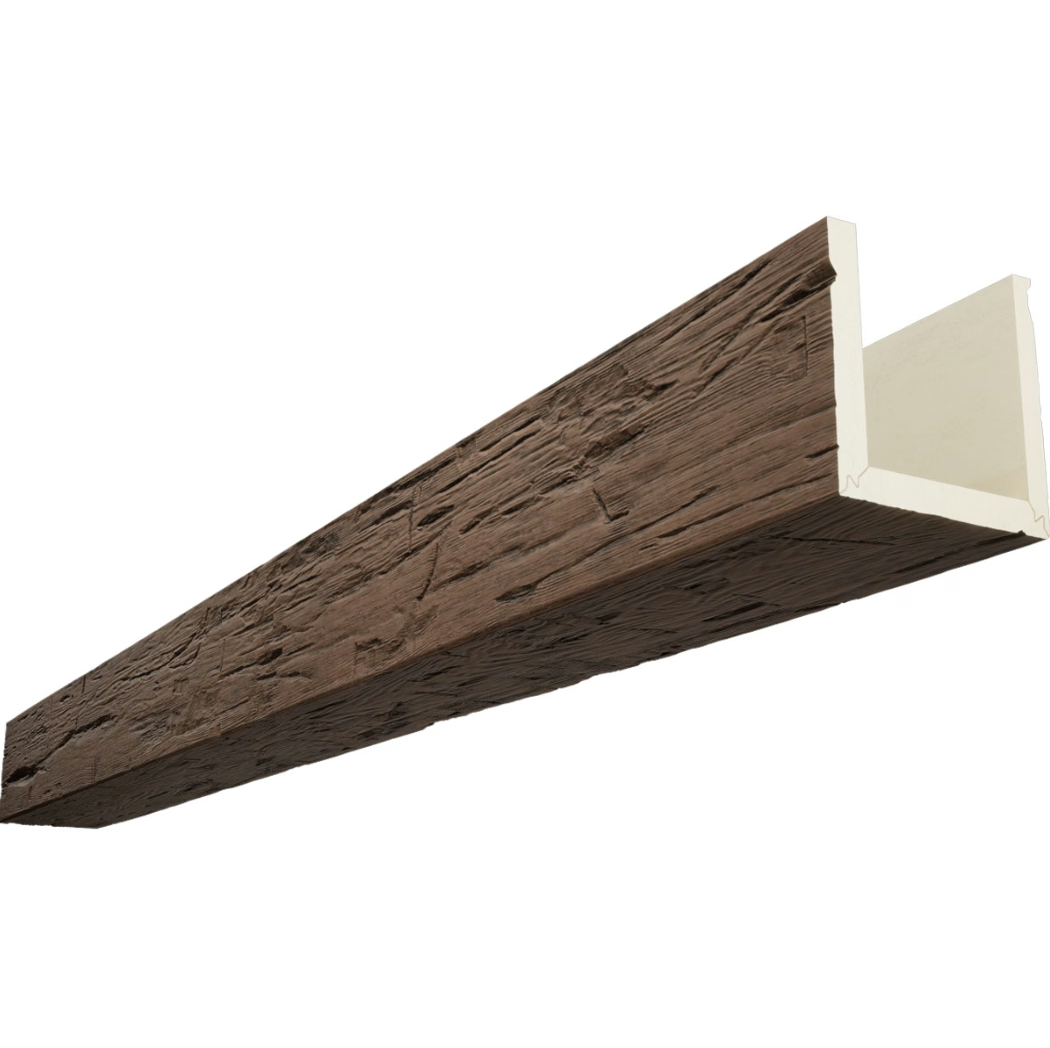
Institutional environments face material selection challenges that residential and commercial applications rarely encounter. The populations they serve often combine heightened vulnerability with extended exposure periods, creating conditions where material emissions matter more than they might in other contexts. A hospital patient spending weeks in a single room experiences cumulative exposure that an office worker commuting daily does not. A kindergartener whose head reaches the ceiling beams experiences proximity that adults never achieve.
These realities have driven institutional building codes and design standards toward increasingly stringent material requirements. While aesthetic considerations remain important—beautiful healing environments support recovery, and engaging educational spaces enhance learning—the baseline for acceptable material performance has risen substantially. Products that once seemed adequate now fail to meet requirements that sensitive populations demand.
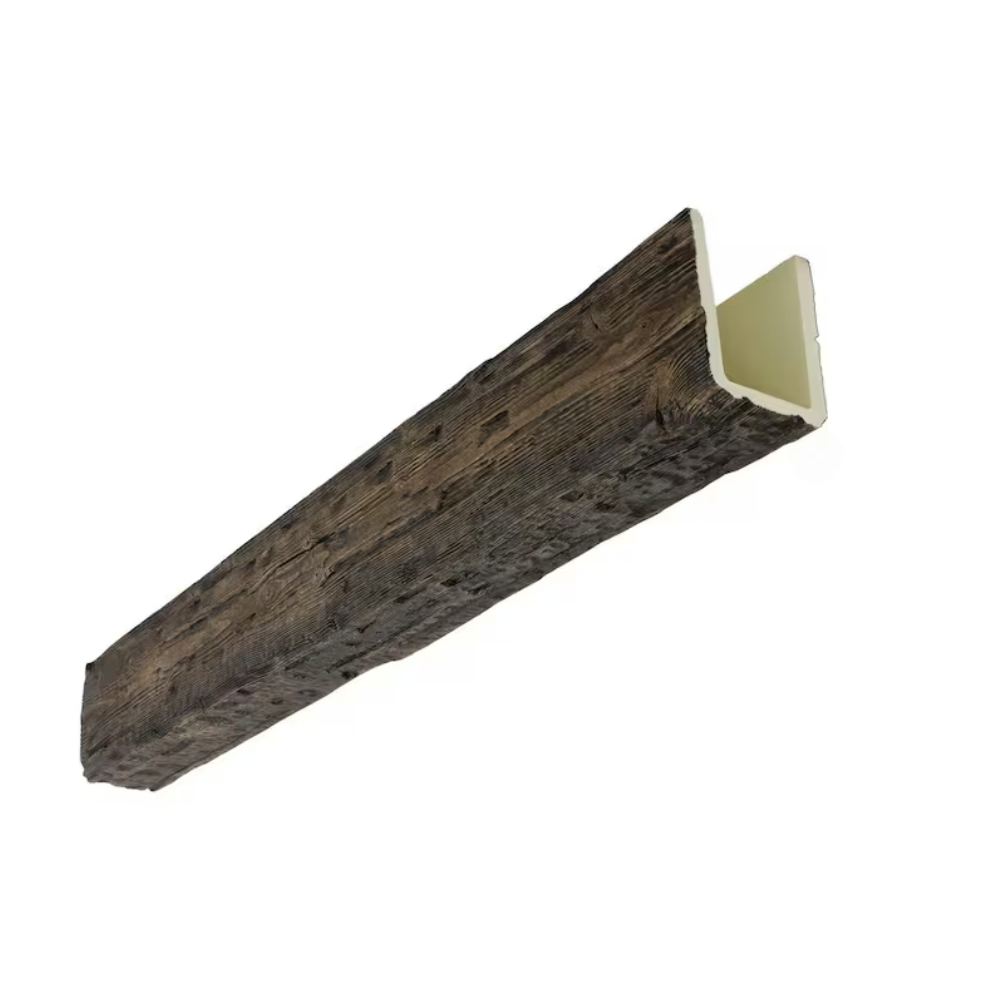
Low-VOC odor-free polyurethane faux timber beams have emerged as a solution that satisfies both aesthetic and performance requirements in institutional applications. The development path that produced these products reflects decades of collaboration between manufacturers, researchers, and the institutional specifiers who identified the need for better options.
Institutional Material Requirements
Understanding why low-VOC odor-free specifications matter in institutional settings requires examining the specific conditions these buildings address. Multiple factors combine to create heightened concern about material emissions in schools, healthcare facilities, and senior living communities.
Occupant sensitivity varies dramatically across institutional populations. Hospital patients may have compromised respiratory function, open wounds that absorb airborne compounds, or chemical sensitivities triggered by medication interactions. School children face developmental vulnerabilities that adult workers do not experience, with respiratory systems still developing and exposure effects potentially more significant. Elderly residents often combine reduced immune function with accumulated lifetime exposure that increases sensitivity to additional chemical burdens.
Exposure duration compounds these sensitivity concerns. A student spending eight hours daily in a classroom accumulates substantially more exposure than a visitor spending thirty minutes in the same space. Hospital patients may occupy single rooms for weeks or months, with continuous exposure to whatever materials that environment contains. Senior living residents often remain in their apartments throughout the day, experiencing home-level exposure in what amounts to their primary living space.
Vulnerable populations deserve protection that commercial building standards may not provide. Building codes specifically address schools, healthcare facilities, and senior living with enhanced requirements that recognize these responsibilities. Material specifications in these contexts must document compliance with requirements that ordinary construction does not face.
The Odor-Free Advantage
Odor represents more than a sensory nuisance in institutional environments. While subjective responses to smell vary considerably—some individuals barely notice odors that others find intolerable—odors themselves indicate chemical emissions that, regardless of their toxicity, signal the presence of airborne compounds that sensitive individuals may react to.
Odorous compounds can trigger responses even when the compounds themselves prove harmless. The association between chemical smells and toxicity, however inaccurate scientifically, produces real physiological effects in many people. Headaches, nausea, and respiratory irritation can result from odor exposure through mechanisms that do not require toxicological explanation. Eliminating odors removes these triggers regardless of the actual risk they represent.
Odor-free materials also simplify building operations by eliminating complaints that would otherwise require investigation. Schools receiving parent complaints about chemical smells face pressure to identify and remove sources, even when those sources meet all applicable standards. Healthcare facilities experiencing staff concerns about indoor air quality must address those concerns despite potentially meeting required specifications. By eliminating odors entirely, odor-free materials prevent these situations from arising.
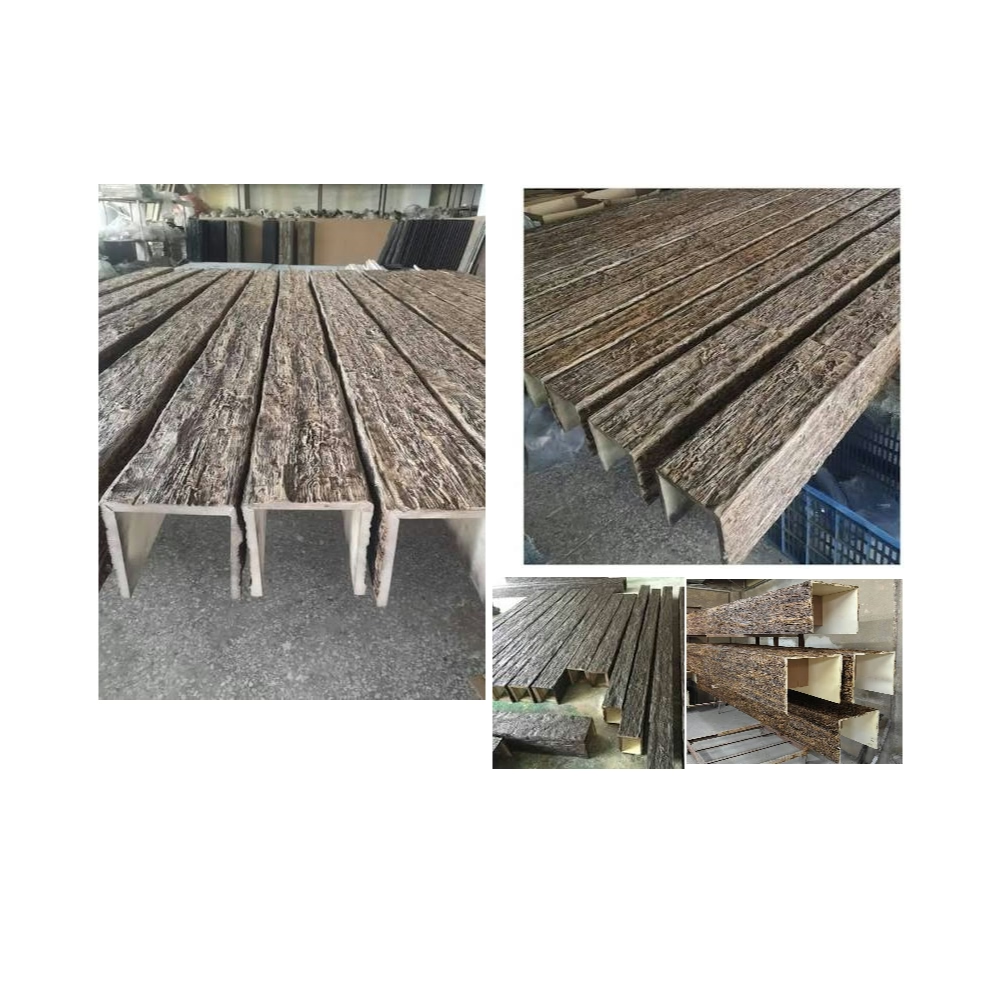
The manufacturing processes that produce odor-free polyurethane products differ from conventional formulations. Alternative catalyst systems avoid the amine compounds that contribute to characteristic polyurethane odors. Careful raw material selection excludes components with inherent smells. Extended curing periods ensure that any potentially odorous compounds fully react or dissipate before products ship. The result is a material that genuinely does not smell, rather than one whose odor falls below arbitrary detection thresholds.
Application in Educational Facilities
Schools present a particularly compelling case for low-VOC odor-free material selection. Children occupy these spaces for extended periods during critical developmental stages, and the concentration of young people in school buildings means that material impacts affect large populations simultaneously.
Classroom environments benefit from ceiling treatments that enhance learning without introducing distraction or concern. Beams that add visual interest to learning spaces must do so without producing odors that children might notice or react to. Young students unlikely to articulate complaints about air quality still experience whatever conditions their classrooms provide; the fact that they cannot articulate concerns does not mean those concerns do not exist.
Common areas, gymnasiums, libraries, and administrative spaces face similar requirements across the school facility. The total building envelope, including all material selections, determines the overall indoor environment that students and staff experience. While individual material selections may seem minor in isolation, their cumulative effect shapes conditions that affect learning, health, and comfort throughout the school day.
School renovation projects present particular challenges when students remain in the building during construction. Low-VOC odor-free materials enable phased improvements without disrupting educational operations. Products that cure completely before installation and emit no detectable odors allow renovation to proceed while occupancy continues, reducing the pressure to select inferior products simply because they can be applied quickly between school sessions.
Healthcare Environment Considerations
Healthcare facilities maintain some of the most stringent material requirements in the built environment. The combination of vulnerable patient populations, extended exposure periods, and regulatory oversight creates conditions where material selection carries exceptional weight.
Patient rooms, waiting areas, and diagnostic spaces all require materials that support rather than compromise healing. Research has demonstrated associations between healthcare environment quality and patient outcomes, suggesting that design choices genuinely affect recovery. Ceiling beams that contribute warmth and visual interest to these spaces must do so without introducing concerns that distract from healing.
Operating rooms and procedure areas face the strictest requirements, with material emissions in these spaces essentially prohibited due to the sterile environment requirements they must maintain. General healthcare areas—hallways, administrative spaces, common areas—still require careful material selection but face less restrictive specifications. Polyurethane faux beams can often be specified in these secondary areas with appropriate documentation.
Senior living facilities bridge healthcare and residential contexts. Residents may enter these buildings with accumulated health conditions that increase sensitivity to environmental exposures. The residential character that senior living environments typically pursue—warmth, comfort, homelike qualities—suggests material selections that support these goals. Faux timber beams contribute the character that residents and their families expect while meeting the performance requirements that their health status demands.
Regulatory Landscape and Compliance
Institutional building operates within regulatory frameworks that residential and commercial construction does not face. Understanding these requirements helps specify products that satisfy code officials and facility administrators.
State and local building codes may include specific provisions for educational and healthcare facilities that affect material selection. These provisions often reference standards from organizations like the California Department of Public Health, which publishes emission standards that have become de facto national requirements through adoption in codes and certification programs.
Facility accreditation organizations impose requirements beyond code minimums. Schools seeking accreditation, hospitals pursuing Joint Commission certification, and senior living communities meeting CARF standards all face material-related requirements that influence specification decisions. These requirements often include documentation of material emissions and indoor air quality performance.
Insurance and liability considerations affect institutional material selection as well. Facilities that can document careful material selection defend against claims more effectively than those that selected materials arbitrarily. The additional cost of certified low-VOC products often proves worthwhile when measured against potential liability exposure.
Specification and Documentation
Successfully specifying low-VOC odor-free polyurethane faux beams for institutional projects requires attention to documentation that ordinary projects may not need. Building officials, facility managers, and accreditation reviewers all may request evidence that selected products meet requirements.
Third-party certifications provide the most reliable documentation of emission performance. Programs like GREENGUARD Gold test products in standardized chamber conditions and certify those meeting established thresholds. Products bearing these marks carry documented performance that reviewers can verify independently.
Manufacturer documentation supplements certifications with additional detail. Product data sheets should specify VOC content, cite applicable standards, and reference any third-party testing that verifies odor performance. For large projects, manufacturer representatives can often provide project-specific documentation that satisfies institutional purchasing requirements.
Sample requests enable physical verification before committing to products. Seeing and smelling the actual materials before specification prevents surprises during construction and provides opportunities for occupant representative review. Institutional clients often appreciate this transparency, particularly when their populations include individuals with documented chemical sensitivities.
The combination of certified performance, manufacturer documentation, and physical verification produces specification packages that satisfy institutional requirements while delivering the aesthetic outcomes that design teams pursue. Low-VOC odor-free polyurethane faux timber beams have earned their place in these specifications through demonstrated performance in the demanding conditions that institutional environments present.
Technical References
ASTM standards cited in every specification
Test Data
Lab results from internal testing program
Updated 2026
Reviewed against current product specs