
When popular home improvement retailers feature certain beam styles, those styles become cultural reference points. Homeowners envisioning wood beam ceilings often describe products they've seen in these stores—beams with specific proportions, classic detailing, and familiar appearances. This recognition creates both opportunity and expectation for manufacturers who supply this market segment.
Polyurethane faux beams in these popular styles make classic aesthetics accessible beyond the specialty distributor market. The familiar proportions, traditional detailing, and recognizable appearance that homeowners associate with quality beam installations become available through the same retail channels they already use for other renovation materials. This convenience lowers barriers to achieving the wood beam look.
Understanding Retail Style Preferences
Mass-market retailers shape consumer preferences as much as they respond to them. When major retailers feature certain beam profiles, those profiles become the baseline expectation against which other options are measured. This standardization creates familiarity that benefits both buyers and sellers—buyers know what they're getting, sellers can maintain inventory efficiently.
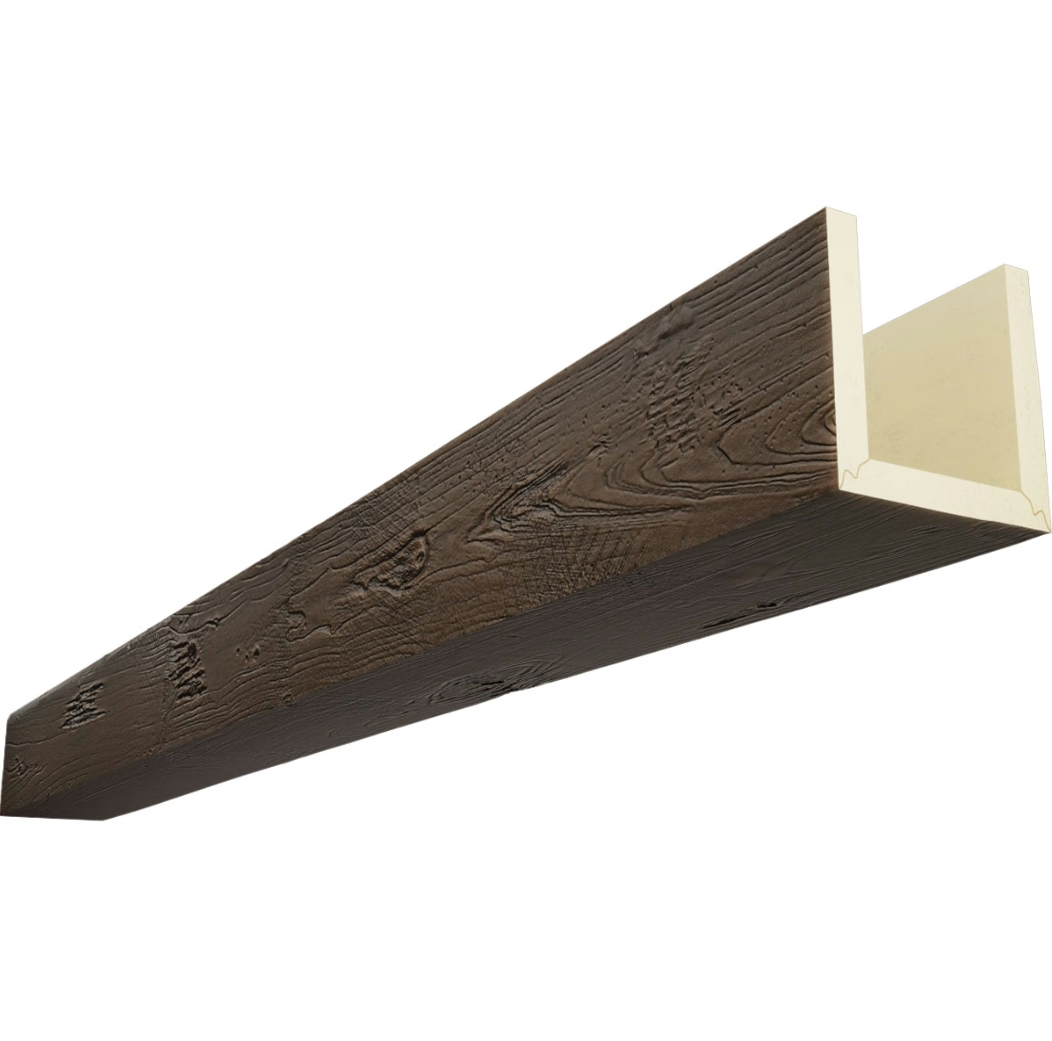
Classic beam styles typically feature proportions that read as traditional without being ornate. Width-to-depth ratios suggest structural authenticity while remaining appropriate for decorative applications. Edge detailing references millwork traditions without requiring the specialized craftsmanship that genuine timber beams demand.
Finish options in retail channels tend toward versatile choices that complement common interior color schemes. Neutral stains that read as natural wood without strong color bias. Paintable options that accept standard household paints for custom matching. These finishing flexibilities help beams coordinate with existing décor without requiring specialized products.
Quality Expectations at Retail Price Points
Retail distribution involves margins at multiple levels—distributor, retailer, and sometimes broker—that add to base manufacturing costs. This cost structure constrains the quality levels that retail-priced products can achieve while remaining competitive. Understanding these constraints helps set appropriate expectations for retail-beam performance.
Material quality in retail products typically represents good-to-better within the polyurethane range. The performance and appearance satisfy typical residential expectations without reaching the levels that specialty products achieve. This quality compromise enables pricing that retail customers accept for general renovation applications.
Finish quality in retail beams often requires buyer acceptance of some limitations. Color matching between pieces might show more variation than premium products. Surface texture might include minor imperfections that careful finishing would address. These characteristics don't prevent attractive installations but require realistic expectation setting.

Installation Considerations for Retail Beams
Retail availability enables convenient purchasing for DIY installation projects. Homeowners can purchase beams, bring them home, and complete installations without specialty supplier coordination. This convenience expands the market for ceiling beam installations beyond those with contractor relationships or specialty sourcing knowledge.
The lighter weight of polyurethane relative to genuine wood advantages DIY installation significantly. A homeowner can safely handle beams that would require professional installation if made from solid timber. This handling ease enables single-person installation in many cases, reducing project cost beyond the material savings that polyurethane provides.
Online resources, including video tutorials and manufacturer installation guides, support homeowner installation efforts. These resources address common questions and potential pitfalls, building confidence that enables successful DIY completion. The abundance of accessible guidance reflects market demand from retail customers pursuing self-installation.
Applications Suited to Classic Styles
Living rooms and great rooms represent the most common applications for classic beam styles. These spaces typically feature traditional or transitional design themes where familiar beam proportions complement existing architectural character. The classic style provides warmth and visual interest without introducing design elements that clash with established aesthetics.
Kitchens benefit from classic beam installation because these spaces often feature traditional cabinetry and finishes that coordinate with standard beam styles. The warmth that wood beams add to kitchen environments complements the natural materials—stone countertops, wood flooring, ceramic tile—that characterize traditional kitchen design.
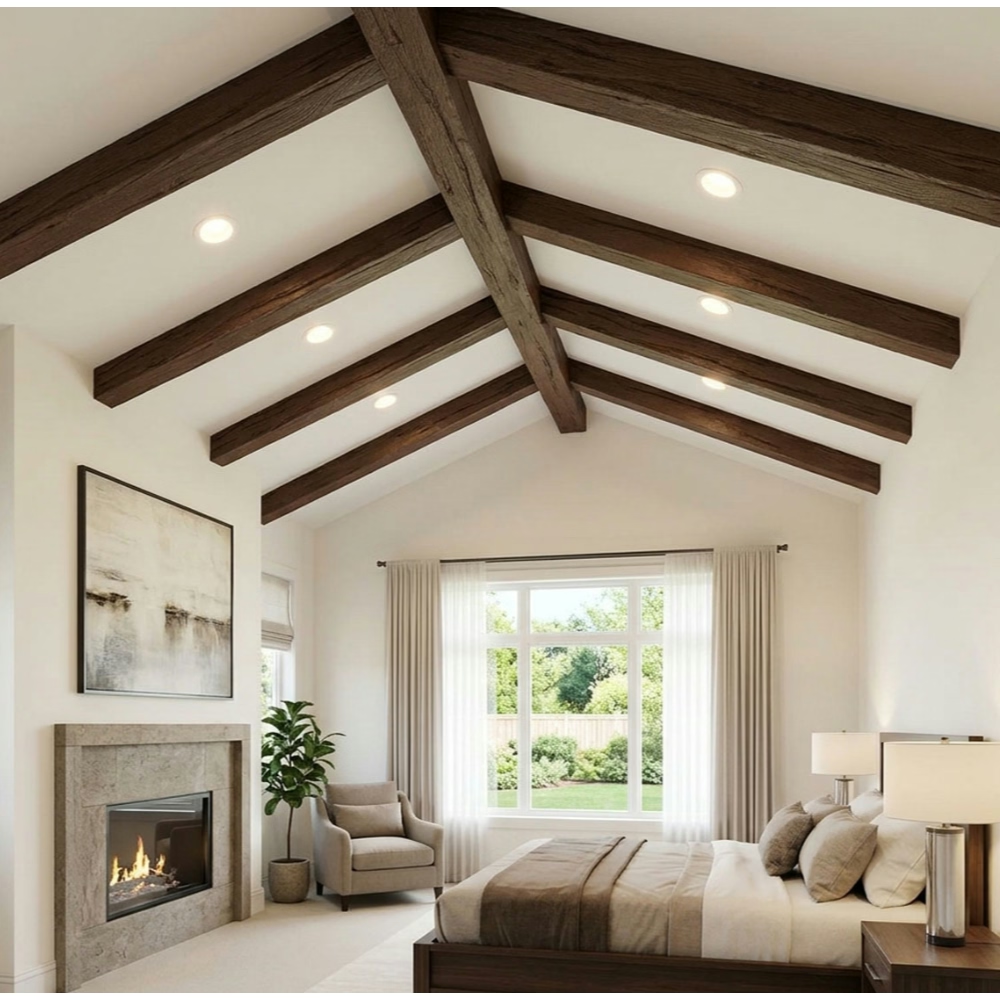
Bedrooms in homes with conventional architectural styling receive classic beams appropriately. The familiar appearance doesn't overwhelm intimate spaces, and the warmth adds comfort appropriate for sleeping environments. The modest price points of retail-style beams make bedroom installations economically sensible.
Maximizing Results from Retail Beams
Successful installations with retail beams require attention to detail that compensates for material limitations. Careful inspection before purchase identifies pieces with visible defects that should be exchanged rather than installed. Checking that beam lengths match requirements prevents mid-installation discovery of dimensional mismatches.
Finish preparation affects final appearance significantly. Even retail-quality beams accept paint and stain when properly prepared. Cleaning surfaces, sanding lightly to improve adhesion, and applying appropriate primers create finishing conditions that elevate budget products toward premium appearance.
Installation precision matters more with budget products because they offer less visual forgiveness. Tight joints, concealed fasteners, and clean finishing require more attention than they might with premium products where inherent quality masks minor imperfections. The additional care pays returns in finished appearance.
When to Consider Upgrade Options
Major renovation projects with significant budget allocation might warrant premium beam products despite higher costs. The long-term enjoyment of high-quality beams might justify investment when the renovation budget already accommodates substantial expenditure elsewhere. Premium products deliver proportional quality improvements that justify proportional price increases.
Design-forward projects might require specialty products that retail channels don't stock. Contemporary aesthetics, unusual dimensions, or specific finish requirements often exceed what mass-market options provide. These projects benefit from specialty supplier relationships even when retail convenience would otherwise suffice.
Commercial applications with warranty or liability considerations might demand premium products. Businesses facing potential defect claims benefit from documented quality and comprehensive warranties that budget products might not provide. This risk management consideration sometimes overrides budget preferences.
Technical References
ASTM standards cited in every specification
Test Data
Lab results from internal testing program
Updated 2026
Reviewed against current product specs


