Walnut has occupied a special position in furniture and architectural design for centuries. The rich chocolate tones, flowing grain patterns, and subtle chatoyance that emerges under lighting create visual depth that other woods struggle to match. When designers seek to communicate luxury and refinement, walnut frequently appears in the specification—not because fashion dictates it, but because the material genuinely delivers qualities that discerning observers appreciate.
Ceiling beams present a substantial surface for expressing these walnut characteristics. Unlike furniture pieces that occupy limited visual space, beams command attention across entire rooms, establishing the visual tone that surrounding elements must complement or contrast. Selecting dark walnut for ceiling treatment makes a statement that reverberates throughout the design.
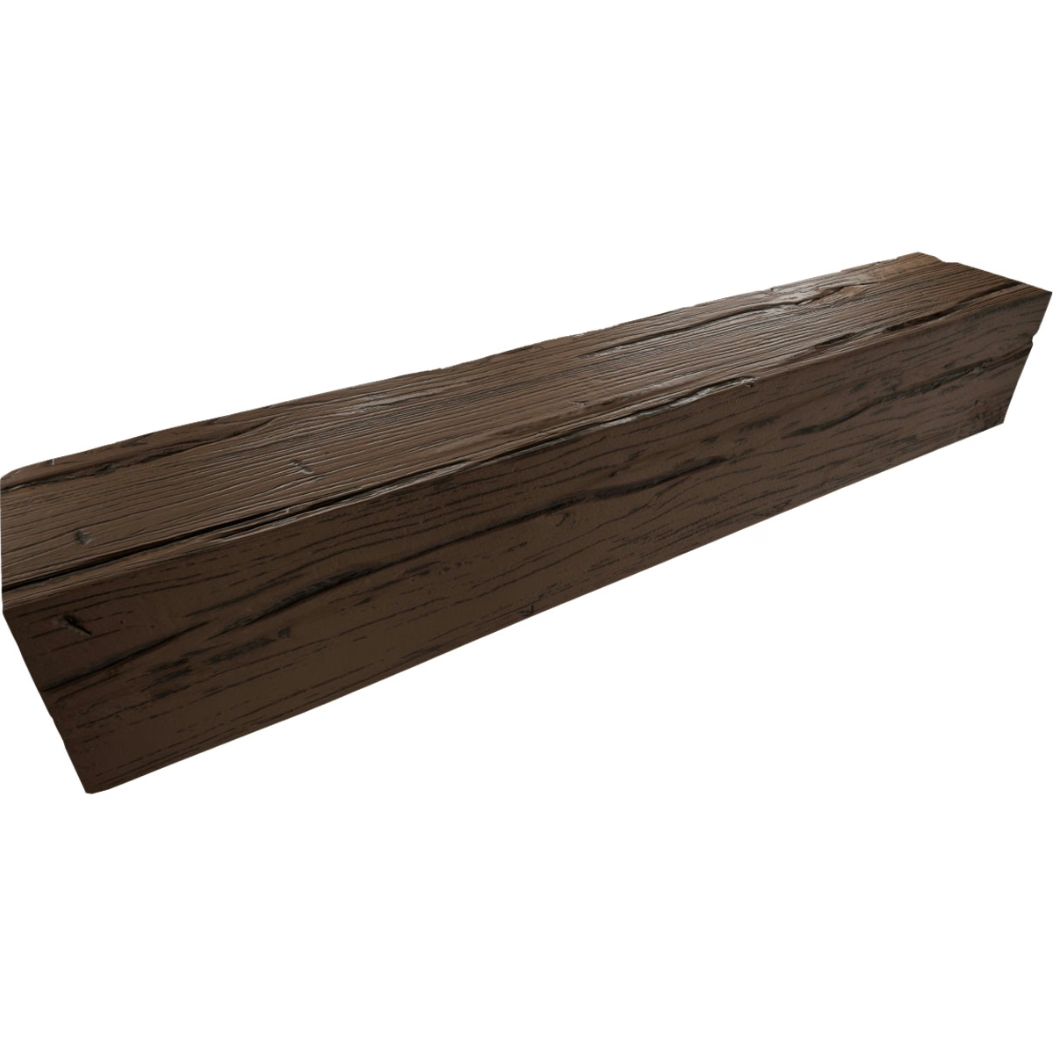
Dark walnut tone U-channel faux timber beams combine the aesthetic richness that walnut provides with the practical advantages that polyurethane construction offers. The U-channel profile adds architectural interest through its distinctive silhouette, while the material's workability enables the precise detail that authentic wood grain reproduction requires. Together, these elements create ceiling treatments that satisfy both aesthetic aspirations and practical requirements.
The Allure of Dark Walnut
Understanding why dark walnut commands premium positioning in design requires examining what distinguishes it from other wood species. The visual characteristics that have made walnut desirable for centuries persist in contemporary applications, where they communicate the same qualities of refinement and understated elegance.
Color represents walnut's most immediately recognizable characteristic. Rather than the golden honey tones of oak or the pale pinkness of maple, walnut exhibits rich browns that deepen toward chocolate in darker samples. This color range integrates well with both warm and cool palettes, providing warmth without the yellow bias that some wood tones carry. The darkness of premium walnut creates intimate spaces that feel appropriately sophisticated for adult living.
Grain pattern distinguishes walnut further. The swirling, sometimes dramatic figure that characterizes walnut grain develops from growth patterns that produce unique character in each piece. Unlike woods with repetitive grain that can seem mechanical, walnut reveals its organic origins through variations that reward close examination. This complexity suggests quality that simpler grains cannot achieve.
Durability has contributed to walnut's historical popularity in furniture and architectural applications. The wood machines cleanly, accepts finishes readily, and maintains its appearance through decades of use. This practical reliability complements the aesthetic qualities, ensuring that investments in walnut detailing pay dividends through years of service.
The U-Channel Profile Advantage
Cross-sectional profile significantly affects how ceiling beams read in installed conditions. Different profiles create distinct visual effects, with U-channel designs offering particular advantages for dramatic presentation.
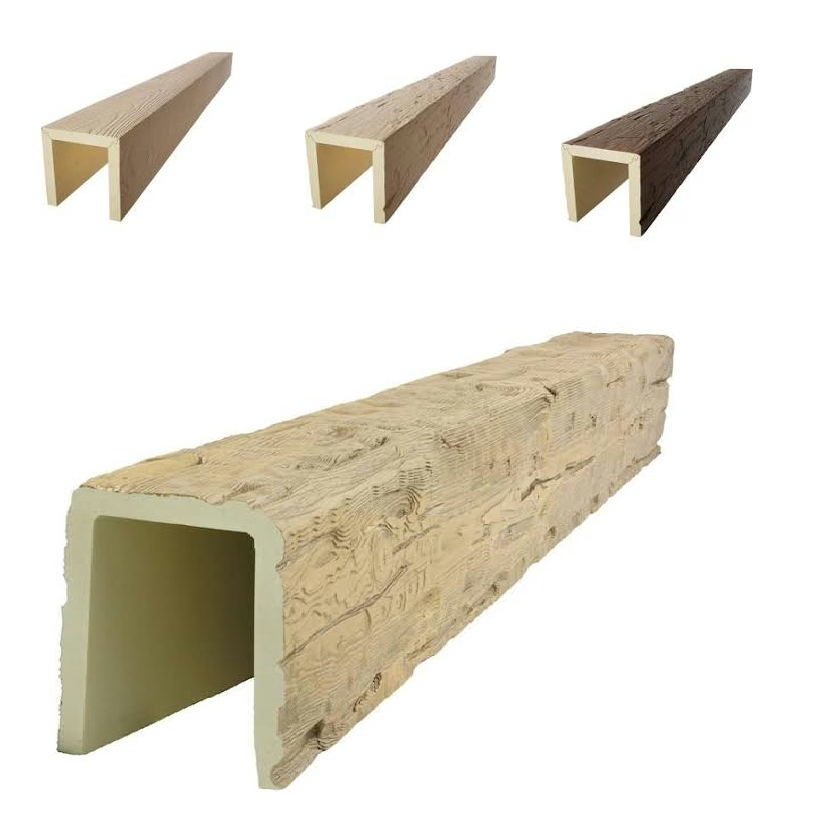
The U-channel profile presents an open-bottomed channel rather than the solid rectangular form that box beams feature. This configuration creates visual interest through the beam's interior surface, which remains visible from below and creates a sense of depth that solid profiles cannot achieve. The highlight along the channel's upper edge reverses the shadow effect that solid beams produce, suggesting lightness rather than mass.
Scale relationships change with U-channel profiles. The open channel reads as thinner than its actual dimensional depth, preserving headroom while maintaining the presence that ceiling beams provide. This optical effect proves valuable in spaces where ceiling height limits what standard profiles can accommodate. The U-channel provides a path toward dramatic beam installations in rooms that could not support equivalent solid profiles.
Architectural versatility characterizes U-channel applications. These profiles work equally well in traditional settings where they might suggest exposed timber framing and in contemporary spaces where they provide textural contrast against smooth surfaces. The profile's clean lines accommodate modern applications while the material's wood grain texture maintains warmth that purely modern materials might lack.
Design Applications and Spatial Effects
Dark walnut U-channel beams create different effects depending on how designers deploy them. Understanding these spatial effects guides application decisions that produce successful results.
Single beams can serve as focal points when positioned to catch light and draw attention. A single substantial beam crossing a living room ceiling, finished in dark walnut, creates immediate visual anchor that organizes the space around it. This approach works best when other elements remain relatively simple, allowing the beam to dominate without competing for attention.
Multiple parallel beams create rhythm and reinforce spatial direction. Running several beams from entrance to far wall, or from front to back of an open plan space, establishes visual movement that guides occupants through the environment. The dark walnut finish intensifies this effect, with each beam casting subtle shadows that enhance the sense of progression.
Cross-hatching two directions creates ceiling grids that define spaces within larger rooms. A large open plan living and dining area might benefit from beams running in both directions, with the grid establishing zones while maintaining the openness that the overall space requires. Dark walnut against a light ceiling produces dramatic contrast that lighter finishes could not achieve.
Light Interaction and Atmospheric Effects
Lighting conditions dramatically affect how dark walnut beams appear throughout the day and evening. Understanding these effects helps designers predict and enhance the atmosphere that installations create.
Natural light shifts the appearance of dark walnut continuously. Morning light from eastern windows casts warm highlights that accentuate grain figure. Midday southern exposure illuminates surfaces more evenly, reducing contrast while maintaining richness. Evening light introduces amber tones that deepen the walnut's warmth. These variations create living spaces that feel different at different times, enriching the occupant experience.
Artificial lighting provides opportunities for intentional atmosphere control. Recessed fixtures between beams can wash the channel interiors with light that emphasizes depth. Surface-mounted fixtures can graze beam faces to enhance texture. The combination of fixture type, bulb color temperature, and beam positioning produces effects that evolve through evening hours.
The contrast between dark beams and light ceilings creates visual drama that affects perceived room height. Dark elements recede visually, while light elements advance. A light ceiling with dark beams appears higher than it actually is, because the dark beams seem to fall away rather than pressing down. This optical effect can enhance rooms that feel cramped or low.
Finish Options and Coordination
Factory-finished dark walnut tones typically achieve consistent quality that site finishing rarely matches. Understanding finish options helps ensure that selections coordinate with overall design intent.
Stained polyurethane can reproduce specific walnut tones from manufacturer catalogs or can be color-matched to samples that designers provide. The foam substrate accepts stain penetration that produces realistic grain patterns, with deeper color in the grain valleys and lighter tones on the raised surfaces. This variation creates the complexity that authentic wood exhibits.
Painted finishes can complement or contrast with walnut-toned beams depending on design goals. White or cream ceilings create classic contrast that emphasizes beam drama. Gray tones produce more contemporary combinations that feel current rather than traditional. Deep colors like navy or forest green integrate with the walnut warmth, creating unified palettes that feel intentional rather than arbitrary.
Coordination with other wood elements in the space ensures overall coherence. Floors, furniture, and millwork all contribute to the wood story that spaces tell. Dark walnut beams should complement rather than compete with other prominent wood elements. When multiple wood tones appear, establishing a hierarchy—one dominant with others supporting—prevents confusion that undermines sophisticated design.
Installation Approaches for Optimal Impact
Successful U-channel beam installation requires attention to detail that ensures the finished result achieves its potential. Several factors influence how well installations perform visually.
Alignment precision affects perceived quality more than many observers realize. Beams that deviate slightly from straight lines or that vary in spacing catch attention in ways that undermine rather than enhance appearance. Laser levels, careful layout, and reference lines ensure that installations read as intentional rather than careless.
Joint treatment determines whether beams appear as continuous elements or as assembled pieces. Pre-fabricated corners and connections produce cleaner results than field-mitered joints. Where joints prove unavoidable, careful fitting and adhesive application in the joint line produces seamless appearance once finished.
Gap management addresses the transitions between beams and ceiling surfaces. Even the best adhesive bonds may leave hairline gaps that collect dust and become visible over time. Filling these gaps with paintable caulk, followed by careful touch-up, ensures that installations look complete rather than hastily executed.
The combination of thoughtful design, appropriate product selection, and quality installation produces ceiling treatments that justify the investment dark walnut represents. These installations transform ordinary rooms into spaces that feel genuinely luxurious, delivering the warmth and character that walnut has provided to discriminating interiors for generations.
Technical References
ASTM standards cited in every specification
Test Data
Lab results from internal testing program
Updated 2026
Reviewed against current product specs


