Moody interior design has emerged as a powerful aesthetic choice for spaces that seek to differentiate themselves from the bright, sterile environments that characterize much contemporary construction. Rather than maximizing light and minimizing shadows, moody design embraces darkness as an asset, using limited illumination to create atmosphere that draws occupants in and encourages lingering. The ceiling plays a crucial role in this approach, establishing the overhead boundary that defines the space's character.
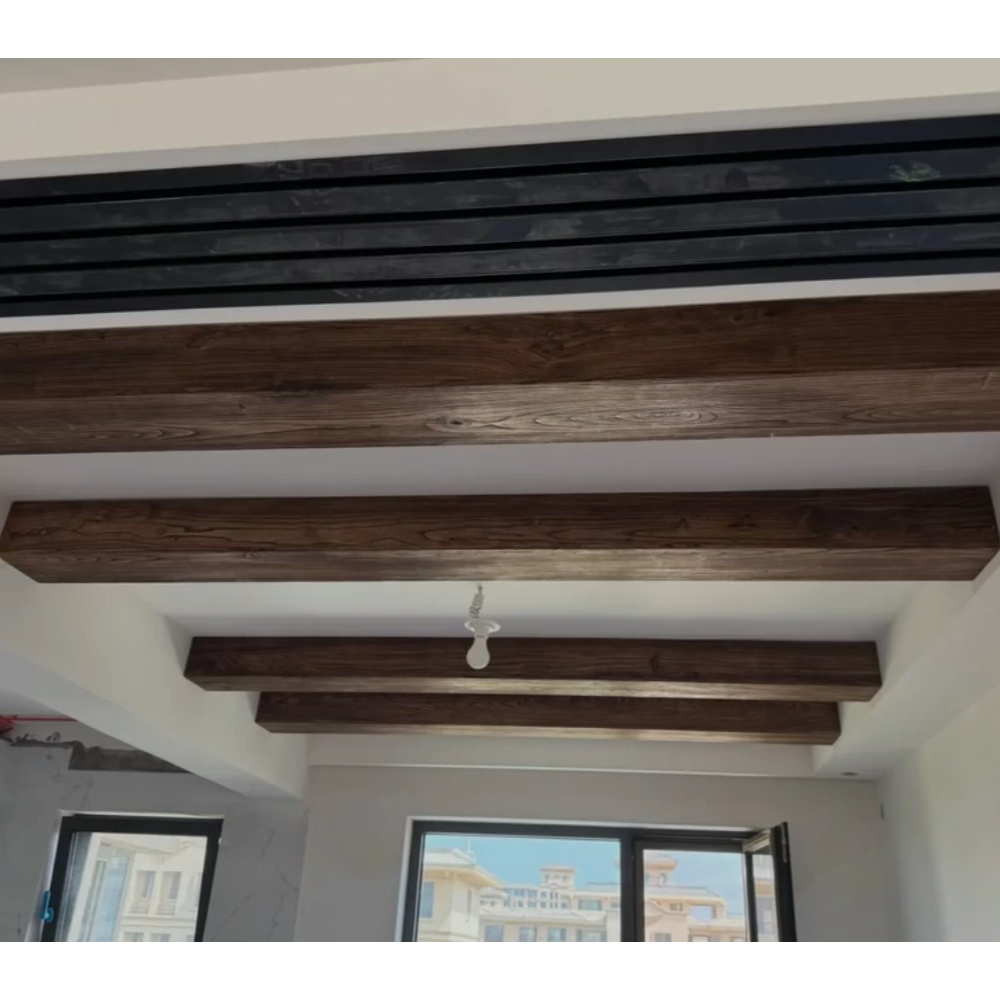
Dark cherry grain offers particular advantages for moody ceiling styling. The wood's natural warmth prevents darkness from feeling cold or oppressive, while the grain patterns add visual interest that prevents shadow from becoming mere blankness. When light sources graze dark cherry surfaces, the interplay between illumination and shadow creates depth that flat ceilings cannot achieve.
Luxury dark cherry grain polyurethane faux beams enable ceiling treatments that support moody design without accepting the practical limitations that genuine dark cherry would impose. The foam substrate accepts finishing that produces authentic grain reproduction, while the material's workability enables details that enhance the overall effect. Understanding how these products serve moody applications helps designers create intimate spaces with genuine atmosphere.
The Psychology of Moody Spaces
Understanding why moody design appeals requires examining the psychological effects that such spaces produce. These effects explain why designers increasingly specify darker treatments for applications where atmosphere matters more than illumination.
Intimacy develops naturally in darker environments. When spaces feel expansive and brightly lit, occupants tend to remain alert and oriented to their surroundings. Reduced lighting shifts attention inward, creating conditions that favor conversation and connection over observation and performance. Restaurants, lounges, and private spaces often pursue precisely this shift, seeking environments where guests relax rather than remain on guard.
Focus improves in environments without visual competition. Bright, complex environments demand constant processing that fatigues occupants over time. Moody spaces reduce this demand, allowing attention to concentrate on the elements that designers intend to feature—food, drink, conversation, or simply quiet contemplation. The ceiling's darkness provides backdrop that allows focal elements to command attention.
Sophistication associations influence how moody spaces read. Historically, the ability to create private, comfortable environments with controlled lighting signaled wealth and refinement. These associations persist in contemporary applications, where moody interiors suggest taste and discernment that bright, generic spaces might not communicate. Dark ceiling treatments reinforce these associations through their visible commitment to atmosphere over illumination.
Dark Cherry Grain Characteristics
Dark cherry grain combines the warmth that cherry provides with depth that supports moody applications. Understanding these characteristics guides finish selection and design integration.
Color saturation in dark cherry finishes reaches levels that approach mahogany without losing cherry's characteristic warmth. The reddish-brown tones deepen toward burgundy, creating surfaces that absorb rather than reflect light. This absorption creates the shadow-rich appearance that moody design requires, while the warm undertone prevents the cold feeling that purely dark colors might produce.
Grain visibility becomes particularly important in dark finishes, where subtle texture provides the primary visual interest. Cherry's characteristic grain patterns—including the subtle figuring that distinguishes quality cherry—remain visible even in dark stains, adding complexity that flat dark surfaces would lack. This texture catches light at grazing angles, creating highlights that animate surfaces throughout the day.
Finish depth distinguishes quality dark cherry from merely colored surfaces. Multiple stain applications and careful technique produce finishes where color seems to emanate from within the wood rather than sitting on its surface. This depth creates richness that observers perceive as quality, distinguishing professional results from amateur attempts.
Design Applications for Intimate Spaces
Dark cherry grain faux beams serve various intimate space applications where moody atmosphere enhances the intended experience. Several space types particularly benefit from this treatment.
Fine dining restaurants have long embraced moody aesthetics, recognizing that dim lighting encourages guests to linger and order additional courses. Dark ceiling beams contribute to this atmosphere while adding architectural interest that prevents spaces from feeling merely dark. The warm wood tones complement candlelit tables and create environments where the dining experience becomes memorable.
Wine bars and whiskey lounges pursue similar atmospheres, with dark ceilings reinforcing the concentrated, contemplative character that such spaces intend. Beams overhead add texture that prevents oppressive blankness while maintaining the shadow-rich environment that conversation-focused socializing requires. The material's warmth creates conditions that feel cozy rather than cold.
Private dining rooms and executive suites benefit from moody treatments that suggest exclusivity and privacy. Dark ceilings establish the intimate character that confidential conversations and special occasions deserve, while the architectural detail of beams adds sophistication that simple dark paint would lack.
Residential applications in media rooms, adult dens, and intimate gathering spaces achieve the same effects in home contexts. Family rooms with dark ceiling beams create environments where movie watching or conversation feels appropriate, distinct from the bright activity spaces that dominate most family living.
Lighting Integration Strategies
Successful moody ceiling installations require lighting integration that enhances rather than contradicts the intended atmosphere. Several strategies prove effective in dark cherry beam applications.
Low-level ambient lighting establishes the baseline illumination that moody spaces require. Rather than the bright, even illumination that general lighting provides, moody applications benefit from lighting that barely suffices for safe navigation. This minimal approach creates the shadow-rich environment that moody design pursues, with beams remaining largely unilluminated except where specifically highlighted.
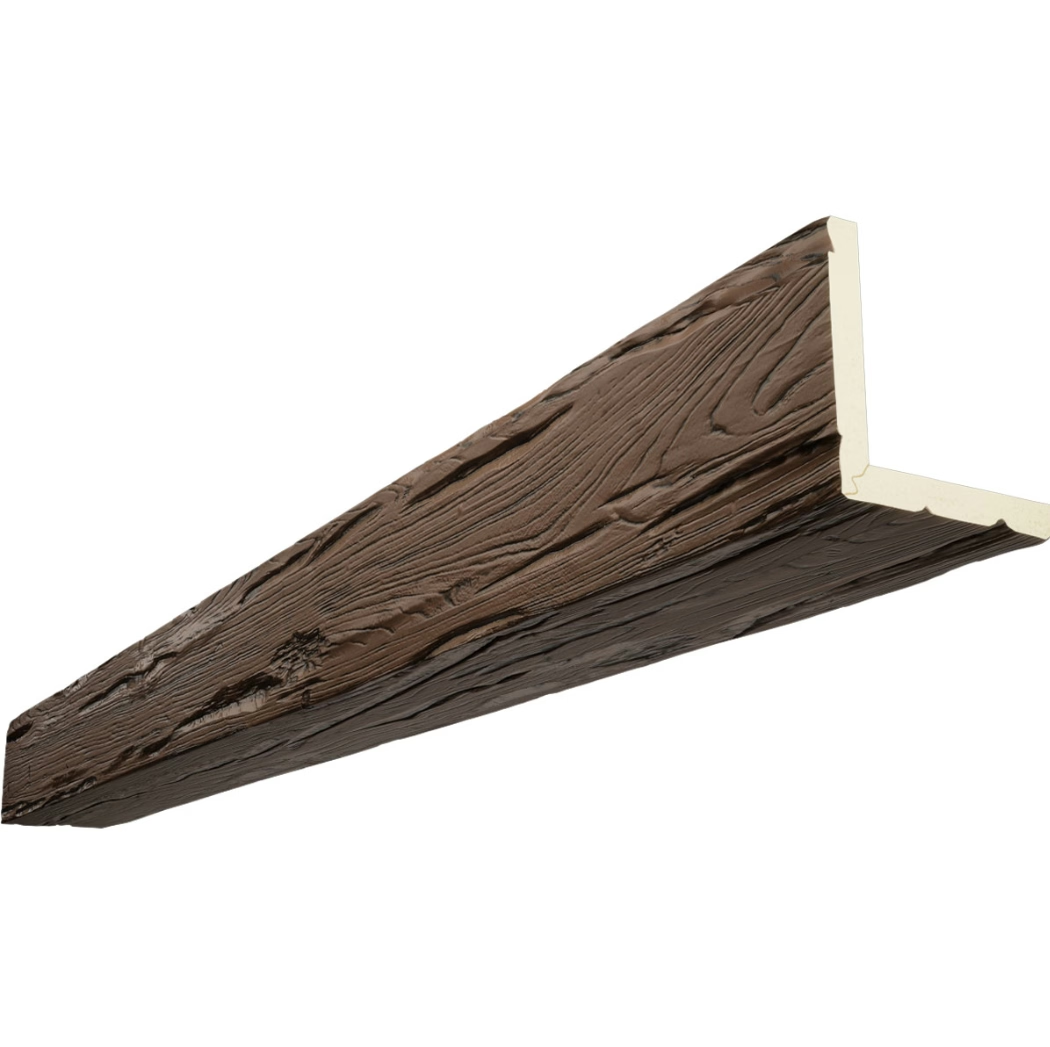
Accent lighting on beams creates focal points that guide attention intentionally. Small fixtures positioned to graze beam faces produce warm highlights that draw the eye upward, establishing the ceiling as a design element rather than mere overhead boundary. The interplay between lit beams and shadowed ceiling creates the depth that moody interiors require.
Candlelight and firelight contribute warmth that dark environments might otherwise lack. In spaces where open flames prove acceptable, these traditional light sources create atmosphere that electric lighting struggles to replicate. Dark cherry beams catch and enhance this flickering warmth, adding visual interest to illumination that would otherwise simply create dim conditions.
Coordination with Surrounding Elements
Dark ceiling beams require careful coordination with surrounding elements to achieve successful results. Several principles guide this integration.
Wall colors in moody spaces should complement dark ceiling warmth without creating excessive contrast. Deep grays, muted blues, and warm neutrals establish backgrounds that beams can read against without overwhelming the overall composition. Pure white walls would compete with dark ceilings inappropriately, while pure black might create oppressive atmosphere that lacks the warmth cherry provides.
Upholstery and soft furnishings should introduce textural variety that dark environments need. Leather, velvet, and woven textiles provide visual interest that darker spaces require, compensating for the reduced illumination that reveals detail. These materials also add warmth that supports the overall atmosphere.
Flooring can provide visual anchor that prevents spaces from disappearing into darkness. Slightly lighter floors establish the ground plane without creating the bright contrast that overhead darkness would seem to demand. This intermediate approach maintains moody character while providing orientation that purely dark floors would deny.
Practical Advantages for Atmospheric Spaces
Beyond aesthetic considerations, polyurethane construction offers practical advantages particularly relevant to moody applications. These benefits affect long-term satisfaction with atmospheric designs.
Maintenance simplicity proves valuable in spaces where cleaning access may be limited by low lighting and atmospheric priorities. Polyurethane's resistance to moisture and cleaning chemicals means that beams maintain appearance without demanding attention that design intent might not allow.
Durability ensures that installations maintain their intended atmosphere through years of service. The impacts that occur in social spaces—balloons, raised hands, moving furniture—damage natural wood but leave polyurethane relatively unaffected. This resilience preserves the moody atmosphere that justified the initial investment.
The combination of authentic grain reproduction, atmospheric depth, and practical performance makes luxury dark cherry grain polyurethane faux beams exceptional choices for intimate spaces where moody atmosphere serves the intended experience. These products enable ceiling treatments that create genuine atmosphere rather than merely darkness.
Technical References
ASTM standards cited in every specification
Test Data
Lab results from internal testing program
Updated 2026
Reviewed against current product specs


