High-end interior design increasingly pursues spaces that create emotional response through atmosphere rather than ostentatious display. The affluent clientele that commissions such work have often encountered—and grown weary of—environments that impress through size or expense without engaging on deeper levels. They seek instead spaces that feel, that create the specific atmosphere that their intended purposes require.
Dark walnut grain has emerged as a preferred material for these sophisticated applications. The wood's rich brown tones, complex grain patterns, and subtle chatoyance under lighting create surfaces that reward extended observation. When deployed as ceiling beams in moody interiors, these characteristics produce spaces that feel genuinely luxurious rather than merely expensive.
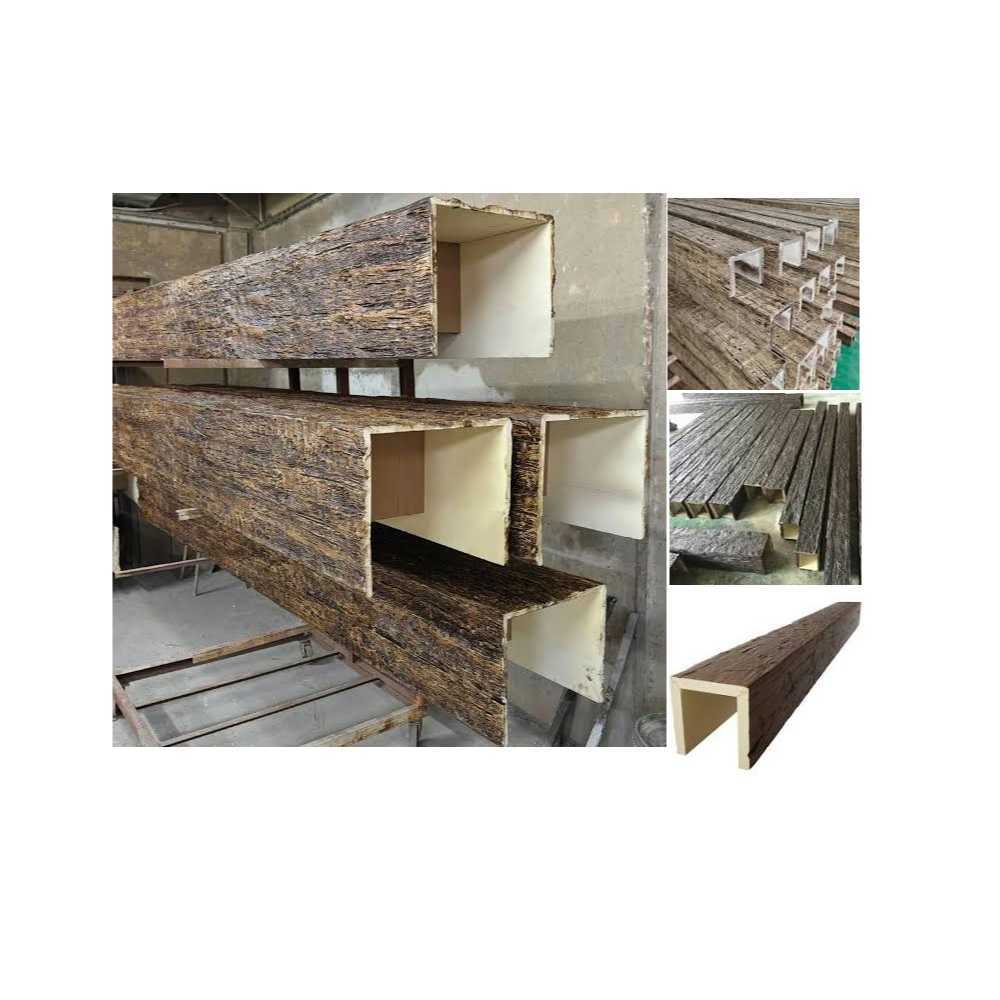
Polyurethane faux construction enables dark walnut grain ceiling treatments that would prove impractical with genuine timber. The foam substrate accepts finishing that reproduces walnut's characteristic appearance convincingly, while the material's properties eliminate the practical concerns that natural wood would introduce. Understanding what these products offer helps designers create high-end interiors with genuine atmosphere.
Walnut Grain's Sophisticated Character
Understanding why dark walnut grain suits high-end moody interiors requires examining what distinguishes this wood's visual characteristics. These qualities inform the reproduction process that produces convincing faux alternatives.
Color depth in dark walnut reaches levels that approach black in the most saturated samples while maintaining the warm brown undertones that distinguish walnut from ebonized oak or other dark wood species. This warmth prevents the cold feeling that purely dark colors create, adding life that cooler tones might lack. The depth creates surfaces that seem to contain hidden richness, inviting closer examination.
Grain complexity in walnut displays the organic variation that distinguishes natural wood from synthetic alternatives. Flowing patterns that follow the wood's growth history create visual interest that repetitive manufactured textures cannot achieve. Ray flecks and occasional swirls add additional complexity, ensuring that even large surfaces maintain visual engagement throughout extended observation.
Chatoyance—the changeable luster that occurs when light strikes wood at varying angles—contributes to walnut's perceived quality. This optical effect, visible primarily in quartersawn surfaces, creates shimmering highlights that animate surfaces as observers move through spaces. Dark finishes that preserve this characteristic produce results that suggest considerable expense even when achieved with faux materials.
The Mood Spectrum
Moody design occupies a spectrum from subtle sophistication to dramatic theatricality. Understanding where specific applications fall on this spectrum guides appropriate beam specification and surrounding material coordination.
Subtle moodiness emphasizes refined atmosphere over dramatic effect. Spaces designed for relaxed enjoyment—upscale living rooms, refined dining areas, comfortable libraries—benefit from darkness that feels cozy rather than oppressive. Beams in these applications should contribute warmth and texture without dominating the visual field. The mood emerges from coordinated darkness across all surfaces rather than from any single dramatic element.
Moderate moodiness creates environments clearly differentiated from everyday spaces without approaching theatrical extremes. Design bars, intimate restaurants, and sophisticated entertainment spaces often pursue this level, creating conditions that feel special without demanding continuous conscious attention. Beams in such applications can make stronger statements, contributing more actively to overall atmosphere.
Dramatic moodiness establishes environments that guests notice immediately, creating spaces memorable for their distinctive character. Nightclubs, exclusive lounges, and experiential retail often pursue this intensity, where the environment itself becomes part of the brand experience. Beams in dramatic applications should contribute actively to the overall effect, serving as focal elements that anchor the atmospheric design.
High-End Interior Applications
Dark walnut grain faux beams serve various high-end applications where sophisticated mood enhances overall design quality. The material's refined character adapts to different contexts while maintaining its fundamental sophistication.
Luxury residences benefit from dark walnut beams in spaces designed for adult enjoyment. Master suites, home libraries, wine cellars, and private entertainment spaces accommodate moody treatments that create intimate atmosphere distinct from the bright activity areas that families share. The beams' presence signals quality that extends throughout the residence's design.
Boutique hospitality venues pursue distinctive environments that differentiate their offerings from chain competitors. Bars, restaurants, and lounges featuring dark walnut beams create spaces that guests remember and return to experience. The material's sophistication aligns with premium positioning that justifies higher price points and attracts discerning clientele.
Executive corporate spaces can incorporate dark walnut beams to communicate success and refined taste. Executive lounges, boardrooms, and private offices benefit from moody treatments that suggest gravitas without the stuffiness that traditional corporate aesthetics sometimes create. The beams' presence establishes design ambition that distinguishes these spaces from ordinary corporate environments.
Coordination for Sophisticated Results
Successful dark walnut beam installations coordinate with surrounding elements in ways that create unified, sophisticated interiors. Several coordination principles guide this integration.
Material restraint elsewhere allows beams to command appropriate attention. High-end interiors typically feature fewer but better elements rather than many competing pieces. Walls, floors, and furnishings should provide quiet backgrounds that allow beams to contribute their atmospheric quality without competition.
Lighting coordination proves essential in moody applications. Fixtures positioned to highlight beam surfaces create the interplay between light and shadow that walnut's grain character rewards. Layered lighting schemes with specific attention to how beams participate in overall illumination produce more sophisticated results than uniform dimming would achieve.
Proportion relationships require attention that ensures beams enhance rather than overwhelm their settings. High ceilings can accommodate substantial beams that contribute significantly to overall atmosphere. More modest ceiling heights may require narrower beams or sparser spacing to prevent configurations that feel top-heavy.
Finish Quality Considerations
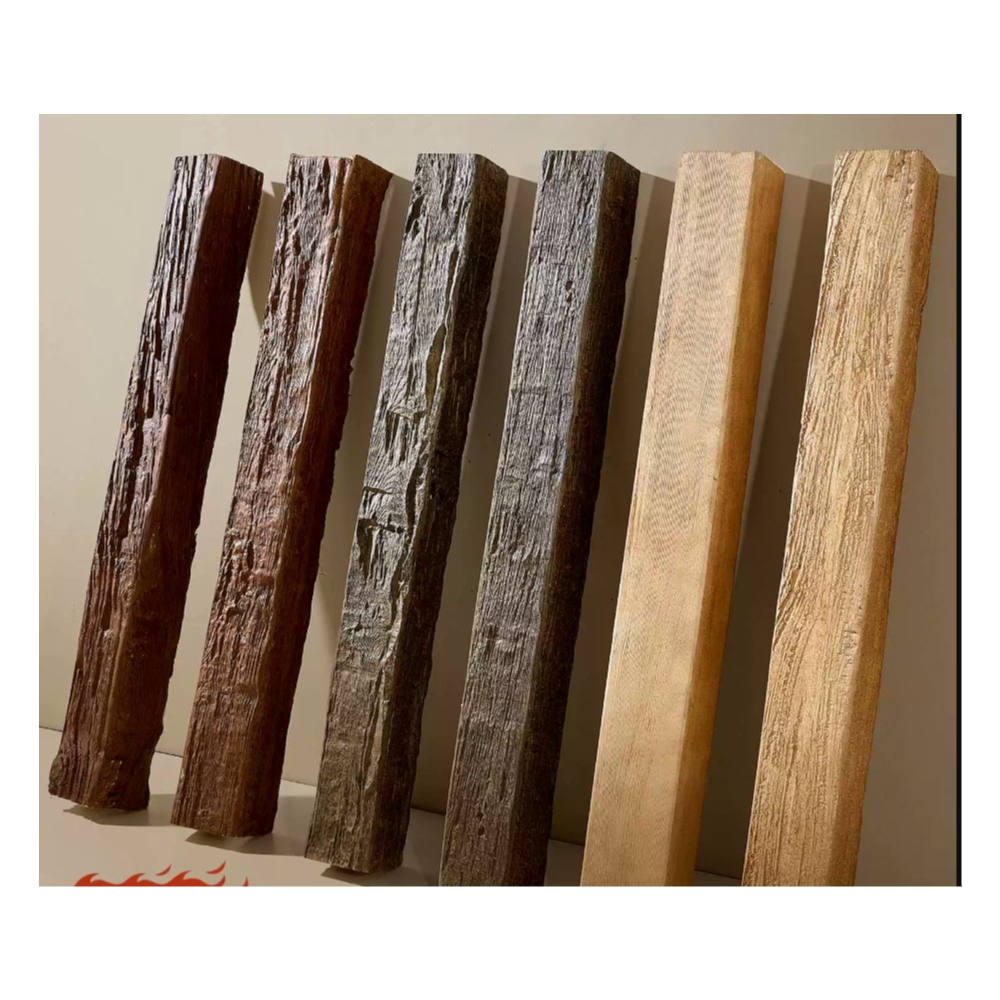
The quality of dark walnut grain reproduction varies substantially across manufacturers and product lines. Understanding what distinguishes quality finishes guides appropriate specification.
Grain authenticity depends on mold quality and surface preparation that capture walnut's characteristic patterns. Premium products use molds taken from genuine walnut samples selected for exemplary grain character. Lesser products may use simplified textures that read as wood without capturing the specific qualities that distinguish walnut.
Color depth results from finishing technique that builds multiple layers rather than applying single coats. Quality dark walnut finishes exhibit the richness that suggests genuine aged timber, with tones that seem to emerge from within the surface rather than sitting on top of it. This depth distinguishes professional results from merely acceptable alternatives.
Surface sheen affects how beams read in different lighting conditions. Semi-gloss finishes produce moderate reflectivity that reveals grain without appearing overly shiny. Matte finishes reduce reflection but may appear flat in some lighting. Satin finishes often provide the best balance, maintaining grain visibility while avoiding the artificial appearance that excessive sheen creates.
Long-Term Performance
High-end applications demand performance that justifies the investment that quality materials represent. Polyurethane construction provides advantages that support long-term satisfaction.
Appearance retention ensures that initial atmospheric quality persists throughout the product lifecycle. UV-stable finishes resist the yellowing and chalking that would affect natural wood, maintaining the rich tones that motivated initial selection. The foam substrate's dimensional stability prevents the gaps, splits, and warping that natural wood might exhibit.
Maintenance simplicity preserves atmospheric quality without demanding attention that design intent might not allow. Dark surfaces show dust and cobwebs less prominently than light surfaces, reducing cleaning frequency requirements. When cleaning proves necessary, mild detergent solutions suffice without concern for finish damage.
Impact resistance maintains appearance through the minor collisions that ceiling elements inevitably experience. Unlike natural wood, which dents and gouges readily, polyurethane absorbs impacts without visible damage in most cases. This durability preserves the sophisticated appearance that justifies high-end specification.
Dark walnut grain polyurethane faux beams represent the intersection of sophisticated design and practical performance that high-end interiors require. For spaces where atmosphere justifies investment, these products deliver genuine luxury.
Technical References
ASTM standards cited in every specification
Test Data
Lab results from internal testing program
Updated 2026
Reviewed against current product specs


