A dedicated wine room speaks to a homeowner's passion for collecting and their desire to surround themselves with beautiful things. Unlike a simple wine rack tucked into a kitchen corner, a purpose-built wine room is a statement — a space where the act of selecting and storing wine becomes a ritual experience. Architectural details matter enormously in these spaces, and ceiling design is among the most impactful choices a designer can make. Faux ceiling beams offer a way to introduce the warmth, texture, and character of aged timber into wine room designs without the complications of structural timber.
The Atmosphere That Wine Rooms Demand
Wine is living. It responds to temperature, humidity, vibration, and light. While modern climate control systems handle the technical requirements of wine storage, the feel of a wine room is something else entirely — and it is entirely the designer's domain. Collectors want a space that feels like it belongs to another era, a stone-and-timber cave where vintages have been aged for generations.
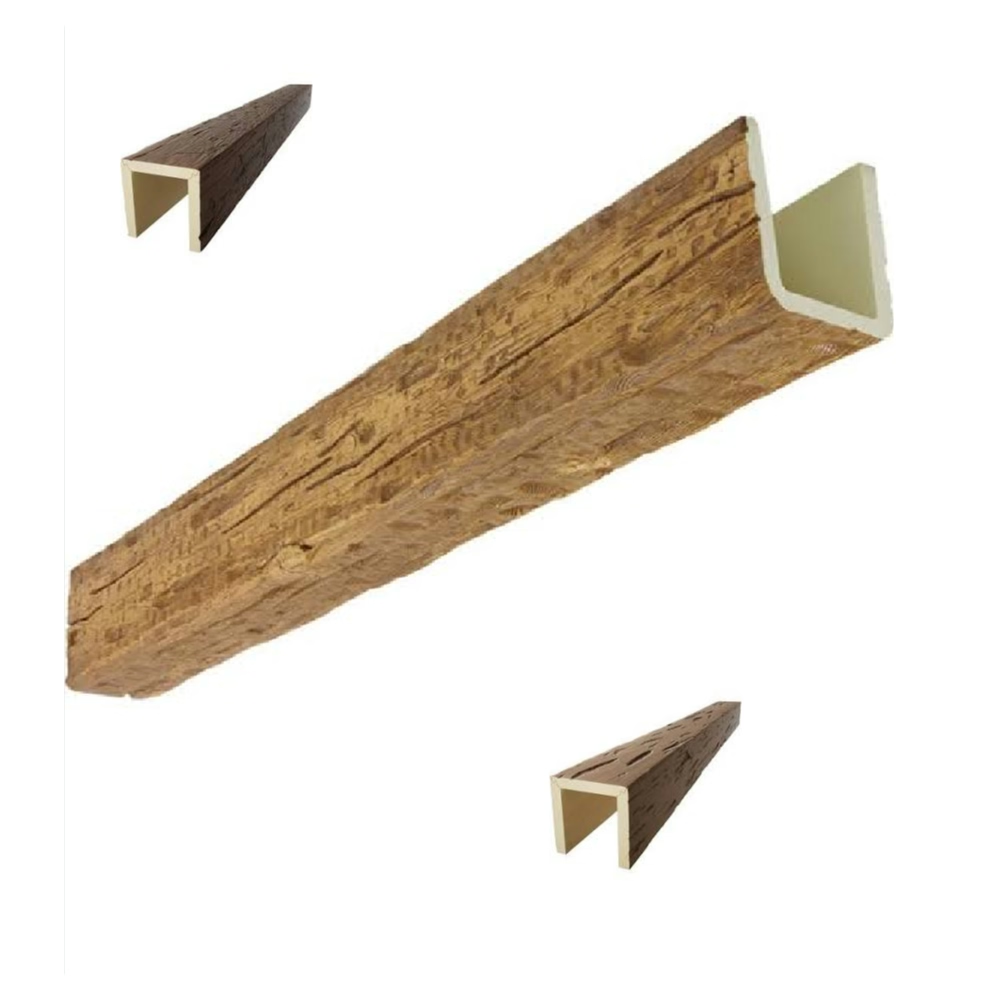
This is the atmosphere that timber beams deliver instinctively. The rough-hewn texture of beams overhead creates a sense of shelter and enclosure that makes a wine room feel carved out of something solid and permanent. Polyurethane faux beams capture this effect convincingly, with wood grain textures that range from refined oak to rustic knotty pine depending on the aesthetic direction of the project.
The ceiling height in most wine rooms is deliberately constrained — cooler temperatures near the floor are ideal for wine — which means that every inch of ceiling space becomes more visible and more significant. Beams that would be incidental in a 12-foot great room become defining architectural elements in a wine room with 8 or 9-foot ceilings. Choosing the right beam style, finish, and spacing is therefore more consequential here than in almost any other room in the house.
Selecting the Right Beam Profile for Wine Rooms
Wine rooms vary enormously in size, from compact corner installations holding a few hundred bottles to expansive cellars accommodating thousands. The beam profile should scale proportionally to the space. In smaller wine rooms, single beams running perpendicular to the primary viewing axis can create a sense of direction and structure without overwhelming the limited square footage.
Larger wine rooms and those with vaulted or exposed ceiling structures benefit from more elaborate beam arrangements. Box beams — which appear as solid timber sections installed flush against the ceiling plane — work well in modern or transitional wine rooms where the architectural language is cleaner and more refined. Their flat faces provide generous surfaces for displaying the wood grain, and their clean lines complement the orderly rows of wine bottles below without introducing competing visual rhythms.
For wine rooms seeking a more rustic, traditional cellar aesthetic, beams with more pronounced texture and irregular grain patterns are appropriate. Some manufacturers offer polyurethane beams that replicate the weathered, silvered appearance of reclaimed barn timber, which creates extraordinary authenticity in wine room applications where the space is meant to feel old and storied.

Coordinating Beams With Wine Storage Architecture
The relationship between ceiling beams and wine storage units is one of the most important design considerations in wine room planning. When beams run parallel to the orientation of wine bottle rows, the overall composition feels calm and ordered. When they run perpendicular, the intersection of the two directional elements creates a grid-like structure that can feel either deliberately geometric or accidentally busy depending on the spacing and proportion.
Designers working with custom wine rooms often align beam spacing with the height intervals of wine storage. If wine racking spans from floor to near-ceiling, beams can mark the transition between rows or accent the upper reaches of the storage wall. This kind of deliberate coordination between ceiling and wall elements creates a sense that every design decision was made with intention — exactly the feeling that discerning collectors value.
The finish color of the beams should either complement or deliberately contrast with the wine racking material. Mahogany racking pairs naturally with darker walnut or espresso beams, creating a monochromatic warmth that feels rich without being loud. Oak racking — whether natural or stained — can be paired with beams in a similar tone for consistency or in a contrasting tone for visual interest.
Lighting Integration for Wine Room Ambiance
Proper lighting is essential in wine rooms for both practical and aesthetic reasons. Collectors need sufficient illumination to identify bottles and read labels, while the overall atmosphere should evoke the hush and reverence of a fine dining cellar. Ceiling beams provide perfect anchor points for lighting fixtures that address both requirements.
Recessed adjustable fixtures positioned between beams provide task lighting for reading labels and examining labels. The beam surfaces also act as reflectors, bouncing light back into the room and amplifying the overall illumination level without requiring additional fixtures.
For accent lighting, small LED strips concealed behind beam ledges create a soft glow along the beam's bottom edge, defining the beam silhouette without casting harsh light into the wine storage area below. This subtle layering — ambient light from the room combined with accent glow from beam details — produces the kind of depth that distinguishes professionally designed spaces from amateur attempts.
Pendant fixtures hung from beams add another dimension. These become focal points in larger wine rooms, providing concentrated illumination over tasting areas or central display cases while reinforcing the timber-beam aesthetic. The fixture itself becomes part of the design narrative, bridging the gap between industrial lighting design and traditional wine cellar warmth.
Acoustic Benefits of Ceiling Beams in Wine Rooms
Wine tasting rooms and dedicated wine rooms with seating areas benefit from the acoustic dampening properties that beam installations can provide. Natural timber and polyurethane faux beams both absorb and scatter sound waves in ways that reduce echo and soften the overall acoustic profile of the room.
This matters practically because wine appreciation is as much about conversation and contemplation as it is about the wine itself. A wine room that echoes with hard surfaces — glass, stone, polished concrete — creates an uncomfortable listening environment that distracts from the sensory experience. Beams, combined with other acoustic treatments like upholstered seating and soft lighting, help create the intimate hush that makes extended tasting sessions pleasant rather than fatiguing.
The acoustic contribution of beams is incremental rather than transformative — they work in concert with other room finishes rather than serving as a standalone acoustic solution. But in a well-designed wine room where every detail is considered, the contribution of the ceiling beams to the overall acoustic comfort is one more reason to include them in the design specification.
Climate Considerations and Material Suitability
Wine rooms present unique environmental conditions that influence material selection. Temperature and humidity levels are precisely controlled to preserve wine quality, which means the ceiling structure is exposed to conditions that would challenge natural wood over time. Polyurethane beams are inherently resistant to the moisture variations that occur as climate control systems cycle on and off, making them a practical choice for these specialized spaces.
The lightweight nature of polyurethane also simplifies the engineering requirements for wine room ceiling structures. In basement installations where ceiling joists may already be compromised or limited in capacity, adding real timber beams is often structurally impractical. Polyurethane beams can be installed with minimal additional load, allowing designers to achieve the aesthetic without engineering gymnastics.
For wine rooms located in climate zones with significant seasonal variation, the dimensional stability of polyurethane eliminates concerns about beam movement that could crack plaster, gap seams, or otherwise compromise the finished ceiling appearance over time.
Creating a Cohesive Design Narrative
The best wine room designs tell a coherent story from floor to ceiling. Each material choice, each line and proportion, reinforces a single design vision rather than introducing unrelated elements. Faux ceiling beams, selected with attention to profile, finish, and installation detail, become a natural extension of the wine room's overall narrative.
Whether the space is meant to evoke a centuries-old French château cellar, a sleek modern wine gallery, or a warm Mediterranean grotto, the beams overhead set the tone before a visitor has fully taken in the room. They are the frame around the collection — literally as well as visually — and their quality and character speak directly to the homeowner's taste and the care taken in designing the space.
Technical References
ASTM standards cited in every specification
Test Data
Lab results from internal testing program
Updated 2026
Reviewed against current product specs


