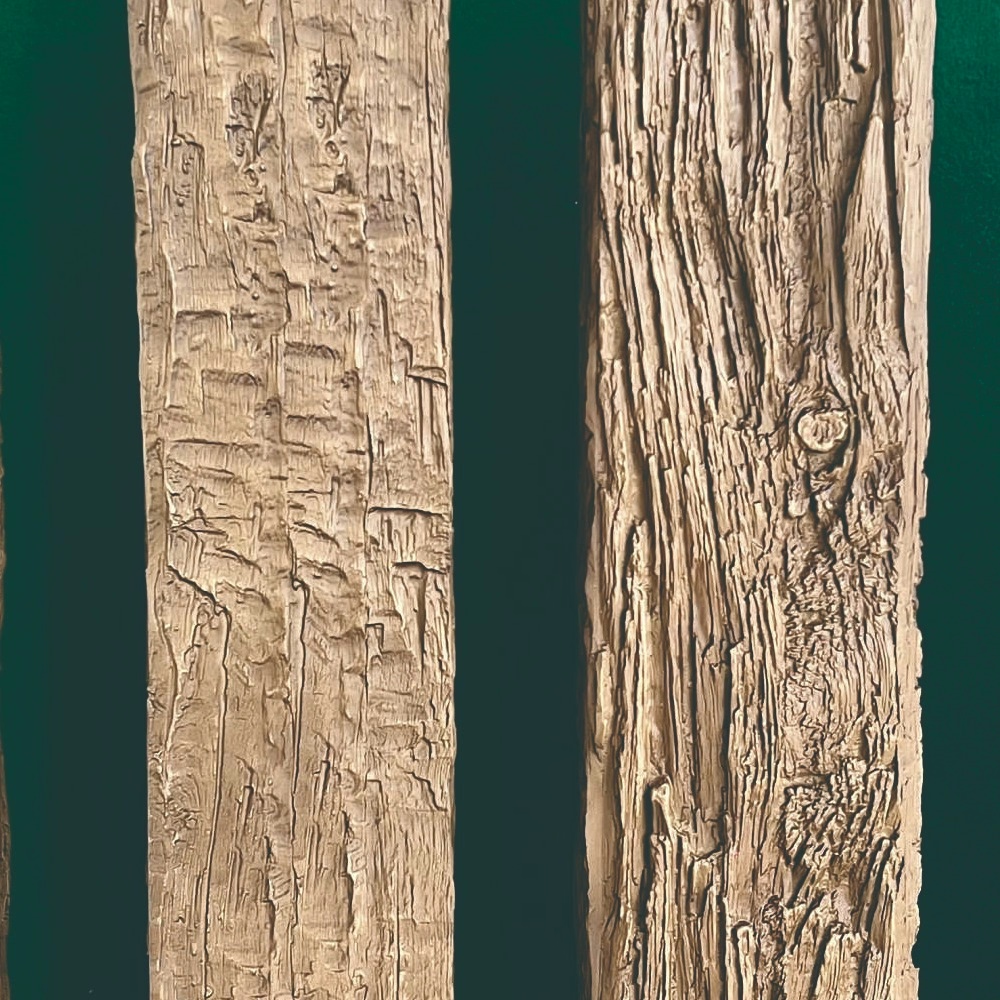
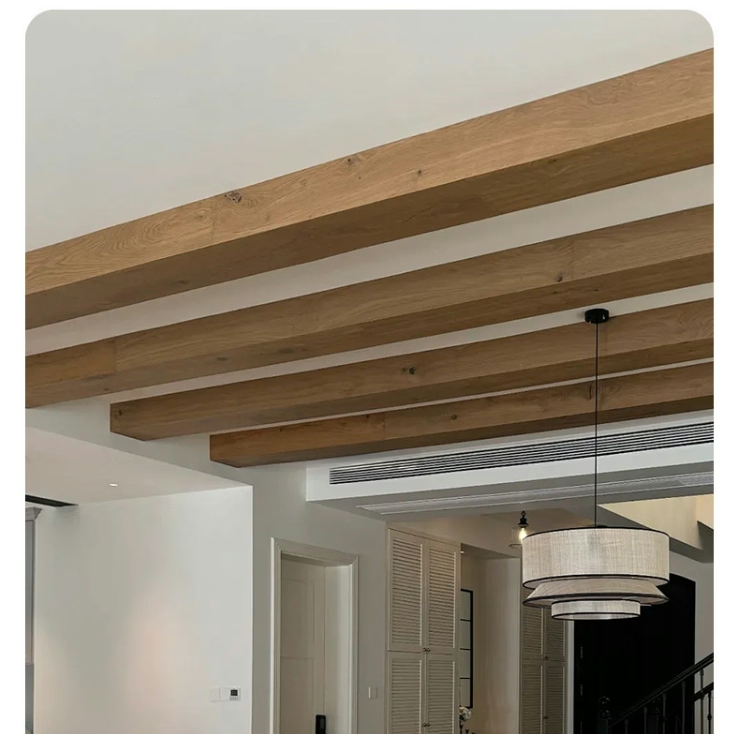
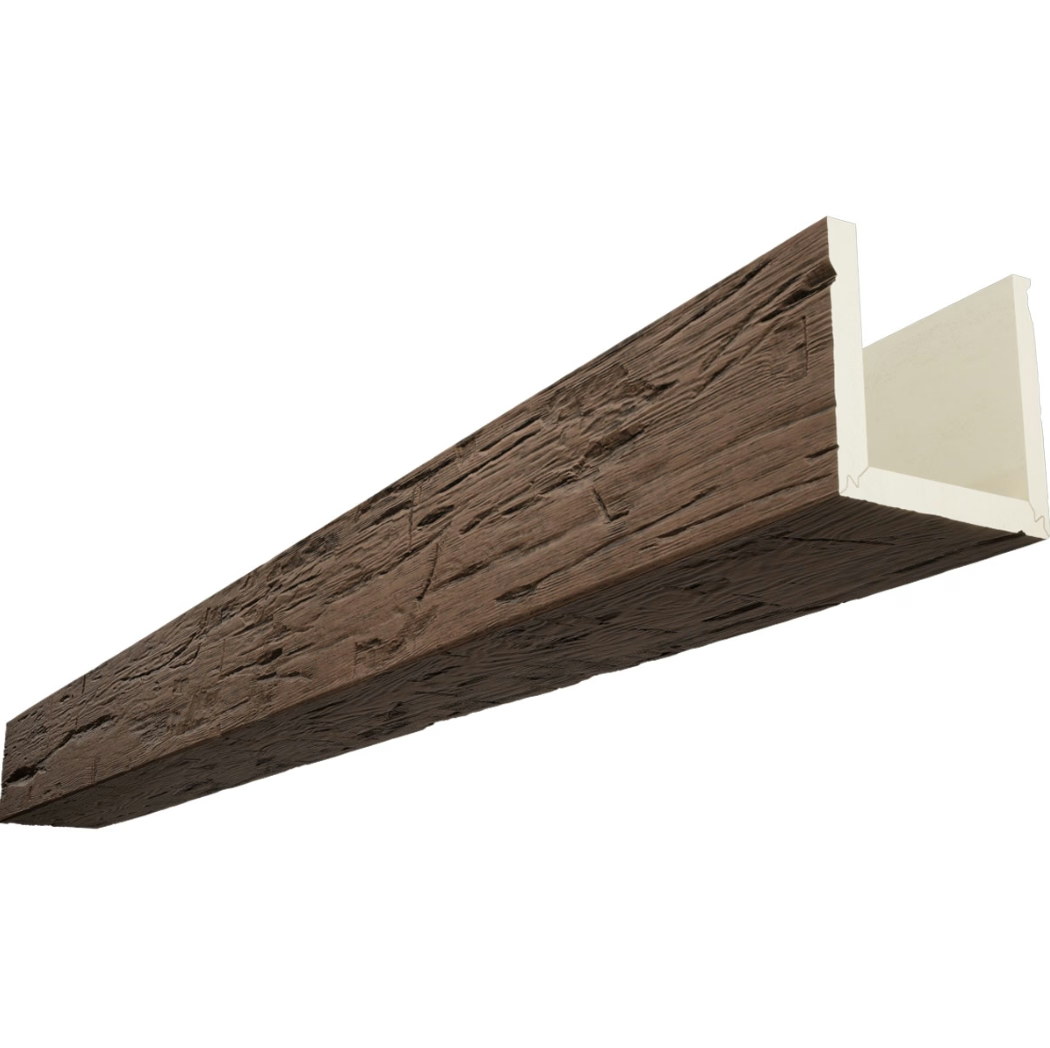
The boutique hotel movement transformed hospitality by proving that smaller, individually designed properties could compete with — and often outperform — chain hotels in guest satisfaction and brand loyalty. The secret was not simply scale but intentionality: every design choice in a boutique hotel reflects a point of view, a story, a reason for being. In this context, the guest room ceiling is not an afterthought. It is one of the first surfaces a guest notices upon entering, and it sets the tone for the entire stay. Faux wood beams give boutique hotel designers a powerful tool for shaping that first impression with warmth, texture, and a sense of place.
Why Ceilings Matter in Boutique Hotel Design
Guests arriving in a boutique hotel room after a long journey are looking for more than a clean bed and functional amenities. They are seeking an environment that affirms their choice of accommodation, that makes them feel the experience was worth the premium over a standard room. The ceiling — visible immediately upon entering, spanning the full field of vision when lying in bed — is a key component of this environmental design.
Flat, white plaster ceilings communicate nothing. They are the visual equivalent of a held expression: neutral, unmemorable, absent of personality. Beams change this entirely. They introduce a vertical dimension that draws the eye upward, create shadow and depth that animate the room's lighting, and carry the warmth of wood into a space that might otherwise be defined entirely by smooth, cool surfaces.
In boutique hotels specifically, where the design narrative is typically more personal and considered than in chain properties, ceiling beams signal that nothing was left to chance. They communicate craftsmanship, intentionality, and a willingness to invest in details that guests may not consciously notice but will absolutely feel.
Beam Styles for Different Boutique Hotel Aesthetics
The term "boutique hotel" encompasses an enormous range of design aesthetics, from minimalist Scandinavian to opulent Moroccan-inspired, from industrial-chic converted warehouses to refined English manor house. The beam specification must align with whichever aesthetic direction the property has chosen.
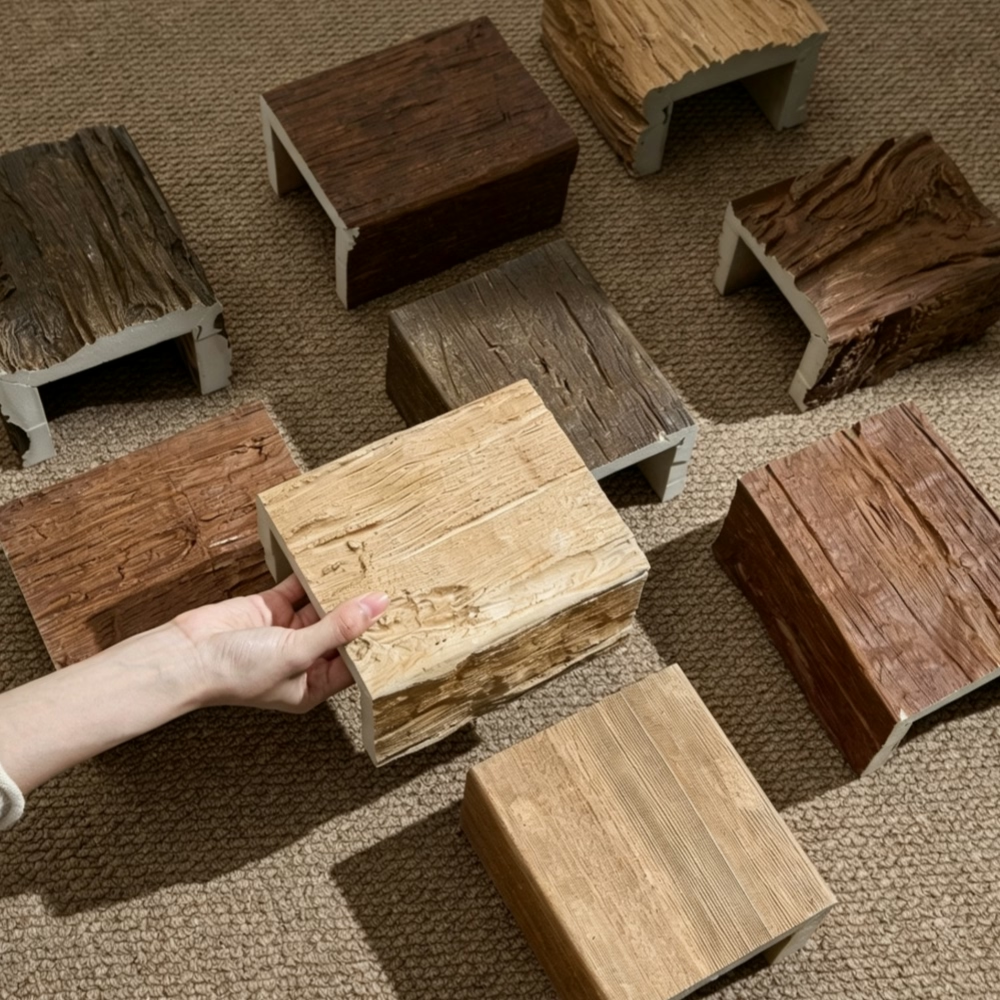
In industrial-chic properties — those with exposed brick, concrete floors, and steel-framed windows — beams with a raw, reclaimed appearance work naturally. The visual language of honest materials, imperfect surfaces, and honest construction that defines the industrial aesthetic extends naturally to ceiling beams that look genuinely structural, weathered, and rough-textured.
In more refined boutique aesthetics — the classic country house, the European grand hotel, the coastal Mediterranean villa — a smoother, more finished beam profile is appropriate. Beams with clean edges, consistent grain patterns, and refined finishes contribute to the overall sense of quality without introducing textures that would feel out of place against fine linens, polished brass fixtures, and curated antique furnishings.
The ceiling geometry influences beam style as well. Sloped or vaulted ceilings in attic conversions or roof-level rooms often feature exposed structural elements that beg to be supplemented with decorative beams. The beams follow the roof pitch, creating a timber-frame-like appearance that transforms what might otherwise feel like cramped attic space into a charming, character-rich room.
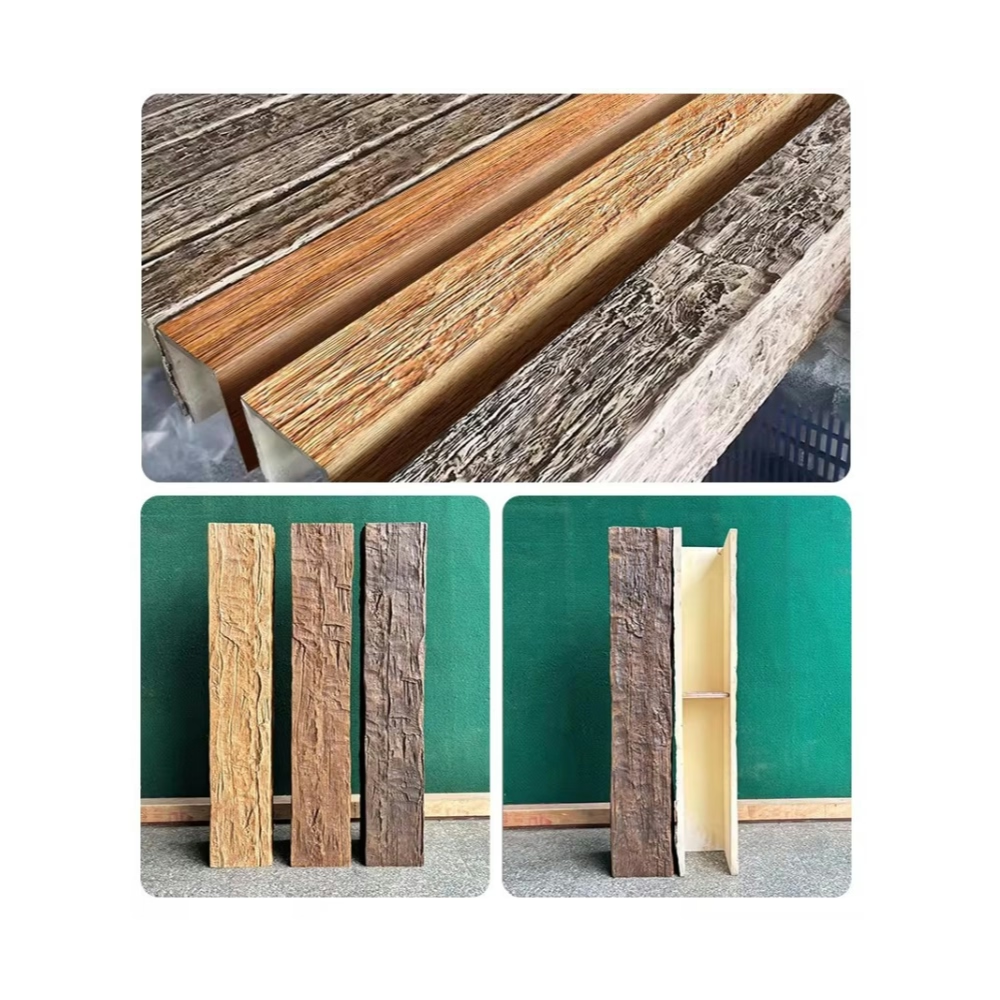
Balancing Durability and Aesthetics in Hospitality Environments
Boutique hotels face operational realities that residential designers do not encounter. Guest rooms must withstand continuous use, periodic deep cleaning, and the occasional accident — spilled drinks, luggage impacts, over-enthusiastic luggage handling. Materials that look beautiful on installation day but degrade visibly within a year or two represent a false economy for hotel operators.
Polyurethane faux wood beams perform well in this context. The material resists impacts better than natural wood, which can dent or scratch visibly, and it maintains its finish without the periodic refinishing that genuine timber requires. In high-humidity environments — bathrooms with steam showers, poolside rooms with direct water access — polyurethane's moisture resistance prevents the swelling, warping, and mold concerns that affect natural wood in similar conditions.
Cleaning protocols for polyurethane beams are straightforward. Standard hospitality cleaning products, including mild disinfectants, can be used without risk of finish damage. For scuff marks or surface contamination, a soft cloth with diluted cleaning solution typically restores the original appearance. This ease of maintenance translates directly into lower long-term operating costs for the property.
Customization for Brand Identity Expression
Boutique hotel groups and independent properties increasingly use interior design as a brand identity tool. Each property tells a story through its design, and consistent design elements across guest rooms, public areas, and exterior spaces create a cohesive brand experience. Faux wood beams support this branding effort through a range of customization options.
Custom finish colors can be developed to match a property's brand palette, ensuring that the beams coordinate precisely with other specified materials rather than being chosen from a standard color range. This level of coordination elevates the overall design quality and reinforces brand recognition for returning guests.
Profile customization allows beam dimensions to be specified for the specific room proportions rather than working from standard sizes. A room with unusually low ceiling joists or narrow proportions may benefit from a custom beam profile that is proportionally narrower than standard offerings, maintaining visual harmony without forcing the room's proportions into a predetermined mold.
Some boutique hotel operators commission custom beam installations that incorporate integrated lighting, concealed speaker systems, or decorative metalwork that becomes part of the beam assembly. These bespoke elements reinforce the property's unique identity and create features that guests photograph, share, and remember.
Installation Logistics in Operational Hotels
Renovation projects in operating hotels present installation challenges that differ from new construction. Guest rooms cannot be taken out of service indefinitely, and the installation process must minimize disruption to ongoing operations. Faux wood beams, being lightweight and installed using concealed mounting systems, can often be placed in a completed room within a single working day, allowing the room to return to service quickly.
Dust generation during installation is a legitimate concern in operational properties. Polyurethane beam installation is primarily a fastening operation — cutting, fitting, and securing — which generates far less dust than traditional plasterwork, drywall finishing, or timber milling. With proper containment measures — plastic sheeting, dust barriers, and vacuum-assisted cutting tools — installation can proceed with minimal impact on adjacent rooms or common areas.
Noise during installation is harder to control but manageable through scheduling. Beam mounting involves drilling and fastening, which produces transient noise. By coordinating installation activities with front desk operations and scheduling noisy work during check-out periods, hotel operators can minimize guest impact while maintaining project timelines.
The Investment Case for Quality Beam Installations
Boutique hotel operators evaluating capital investments in room renovations naturally ask about return on investment. Ceiling beams in guest rooms are not a direct revenue driver in the way that a renovated bathroom or improved bedding might be, but they contribute to the overall room experience that drives guest satisfaction scores, positive reviews, and repeat bookings.
Properties that invest in distinctive, well-executed design details — including ceiling beams — consistently outperform their competition in guest satisfaction metrics. The ceiling is visible in every photograph a guest takes of their room, every social media post, every review they write. Design quality in that field of vision affects the emotional resonance of the stay and the tone of the guest's narrative when they share their experience with others.
From a property valuation perspective, design investments that increase guest satisfaction and enable premium pricing translate directly into higher revenue per available room and improved property valuation multiples. Ceiling beam installations, though not the most expensive element of a room renovation, deliver outsized visual impact relative to their cost, making them an efficient design investment.
Technical References
ASTM standards cited in every specification
Test Data
Lab results from internal testing program
Updated 2026
Reviewed against current product specs