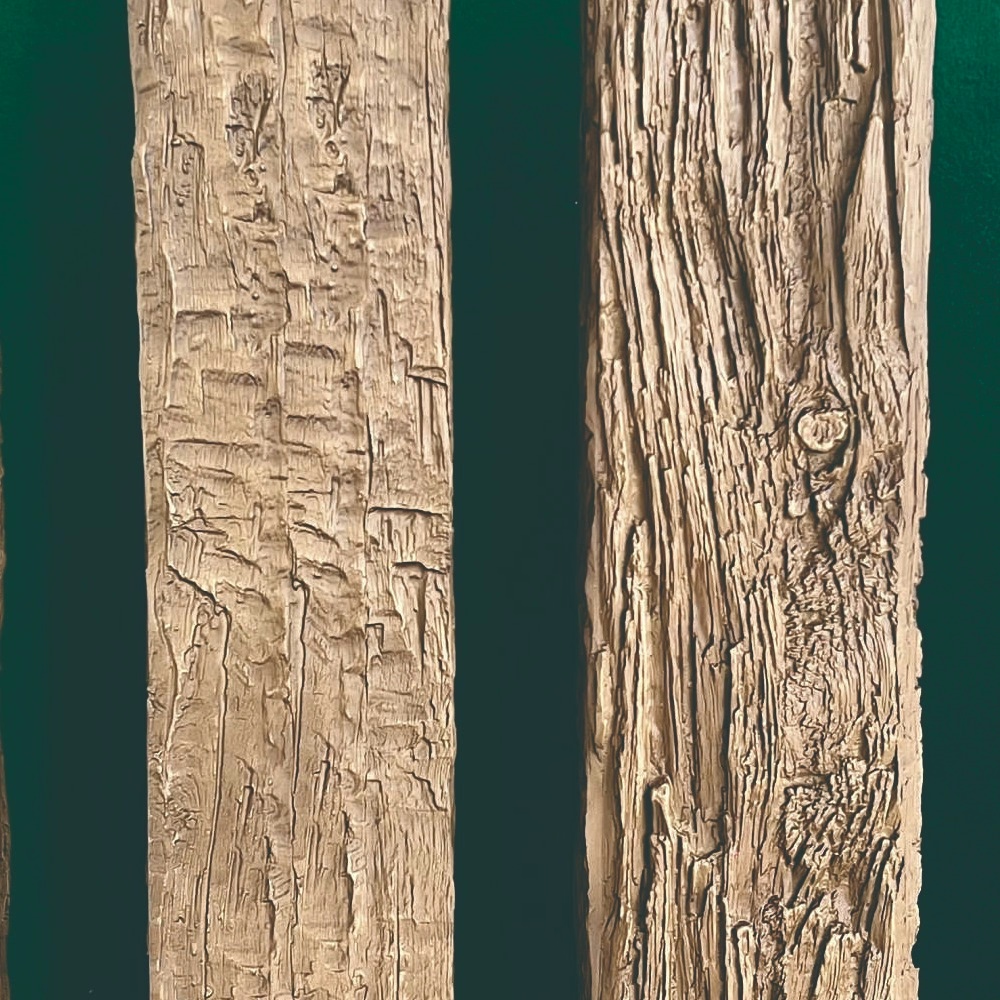
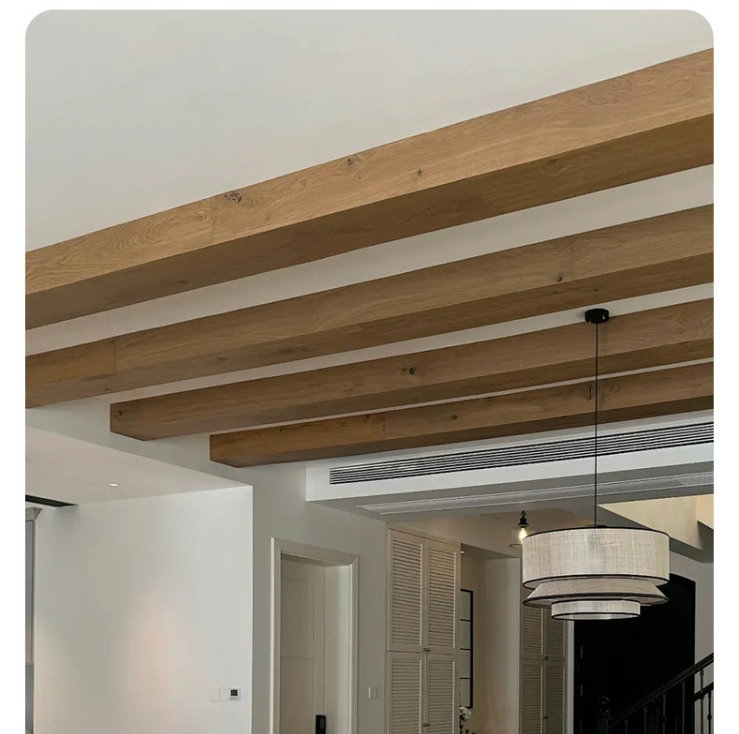
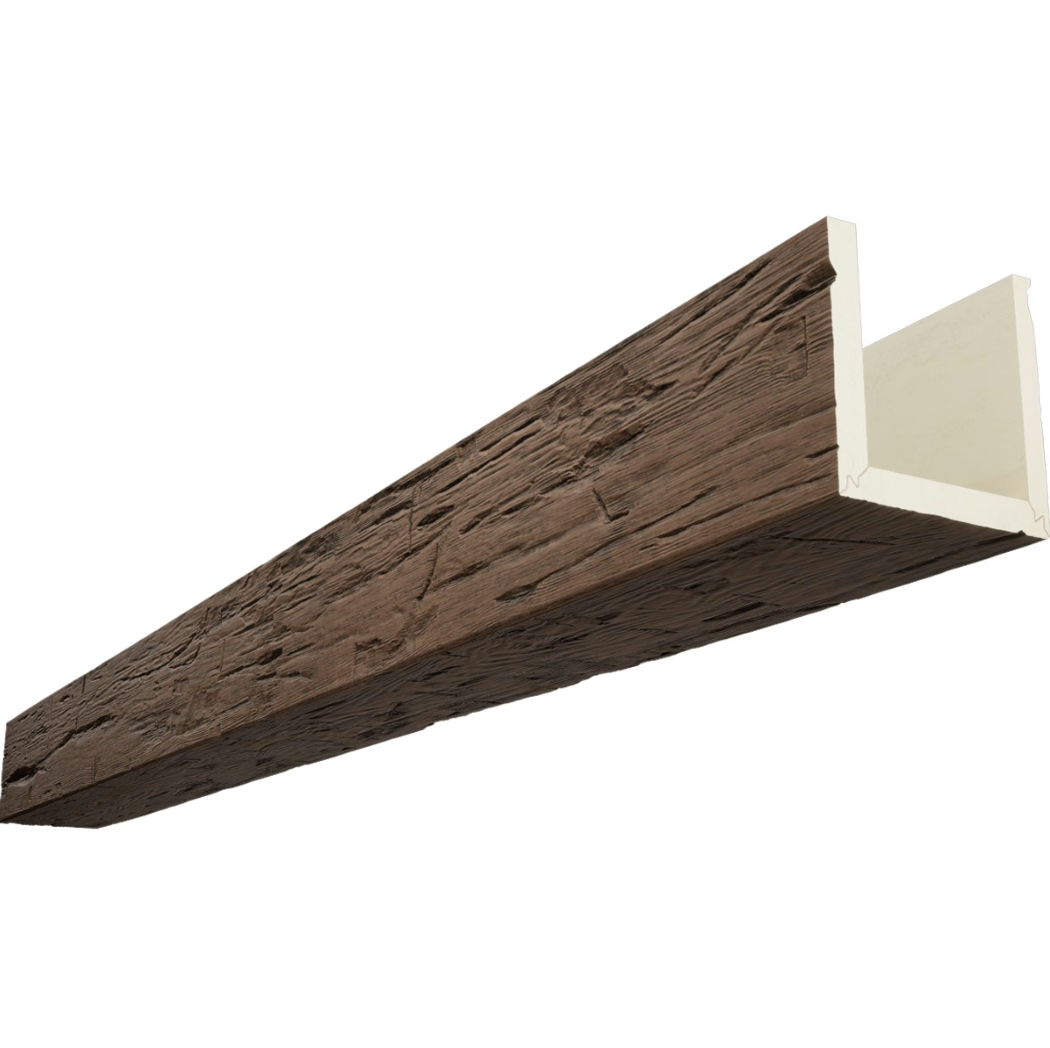
The hotel interior is one of the most demanding environments for architectural materials. They must perform under continuous use by diverse guests, maintain their appearance through thousands of cleaning cycles, meet stringent fire safety regulations, and do all of this while contributing to an atmosphere of luxury and comfort that distinguishes the property from its competition. Ceiling beams in high-end hotels are not merely decorative — they are part of the performance specification, and the materials must be chosen accordingly. Polyurethane faux timber beams have emerged as a preferred specification for hotel designers who need premium aesthetics and bulletproof performance in a single product.
Commercial Performance Requirements for Hotel Beam Installations
Fire safety is the most critical performance requirement for any material used in hotel ceiling installations. Building codes and hotel brand standards specify minimum fire performance ratings for ceiling materials, and these requirements vary by jurisdiction but consistently demand low flame spread and smoke development characteristics. Natural timber, even when treated with fire-retardant coatings, may not meet the ratings required for commercial hospitality installations.
Premium polyurethane faux beams manufactured with fire-retardant additives can achieve Class A fire ratings — the highest classification for interior finish materials — making them compliant with the most demanding commercial codes. Third-party testing documentation should be requested for any beams specified in hotel projects, and the manufacturer's fire rating should be verified against the specific project jurisdiction's requirements.
Impact resistance is another critical performance characteristic for hotel applications. Hotel corridors, lobbies, and public areas experience continuous traffic, luggage handling, and cleaning equipment use that subjects ceiling surfaces to incidental impacts that would damage less resilient materials. Polyurethane beams resist impact damage that would dent or scratch genuine timber, maintaining their appearance through the wear and tear of commercial hospitality service.
Design Consistency Across Hotel Properties
Hotel groups operating multiple properties face a challenge that residential designers rarely encounter: maintaining design consistency across geographically dispersed locations with different construction conditions, local supply chains, and installation teams. A beam installation that looks excellent in the flagship property must look equally excellent in a newly opened location built by a different contractor with different local materials.
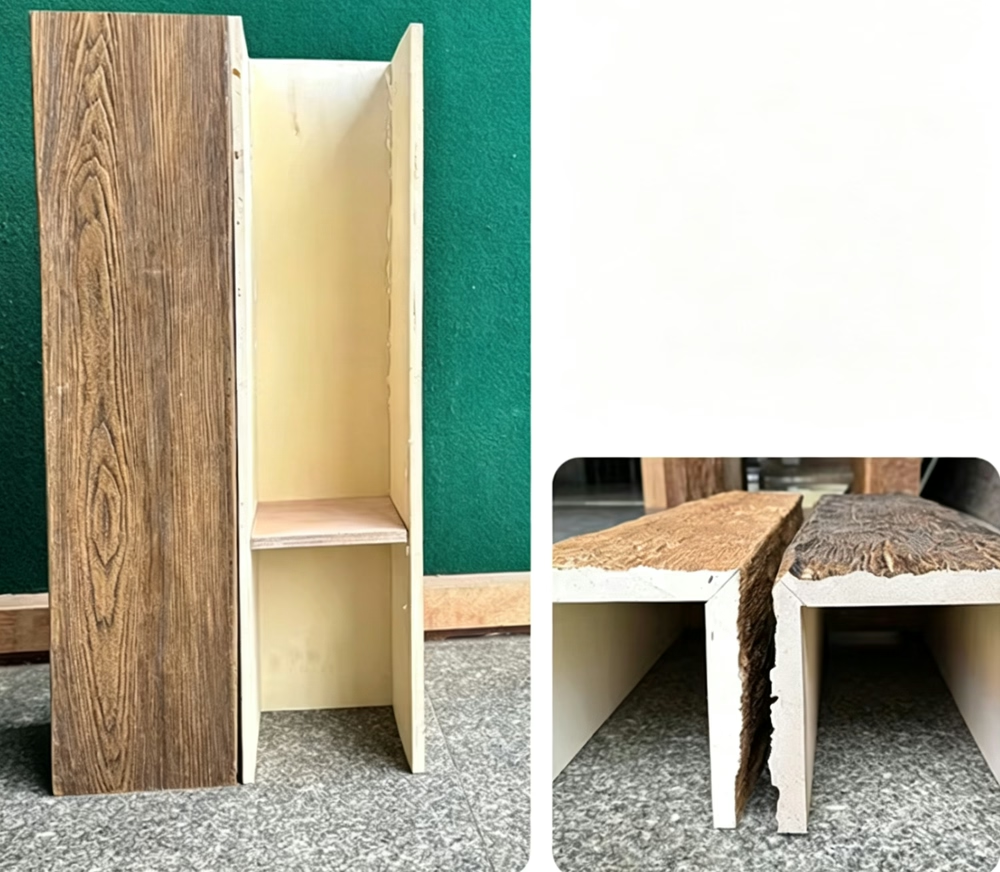
Polyurethane beams solve this consistency challenge because they are manufactured to specification rather than selected from inventory. Every beam in every location is produced to the same profile dimensions, finish color, and texture standard. The variability that characterizes natural timber — different grain patterns, inconsistent color, occasional quality issues — is eliminated, ensuring that the ceiling aesthetic is consistent across all properties.
This consistency also simplifies the specification process for hotel renovation and refresh projects. When a property undergoes periodic renovation, new beams can be specified to match the existing installation exactly, maintaining visual continuity even when the new beams are manufactured months or years after the original installation.
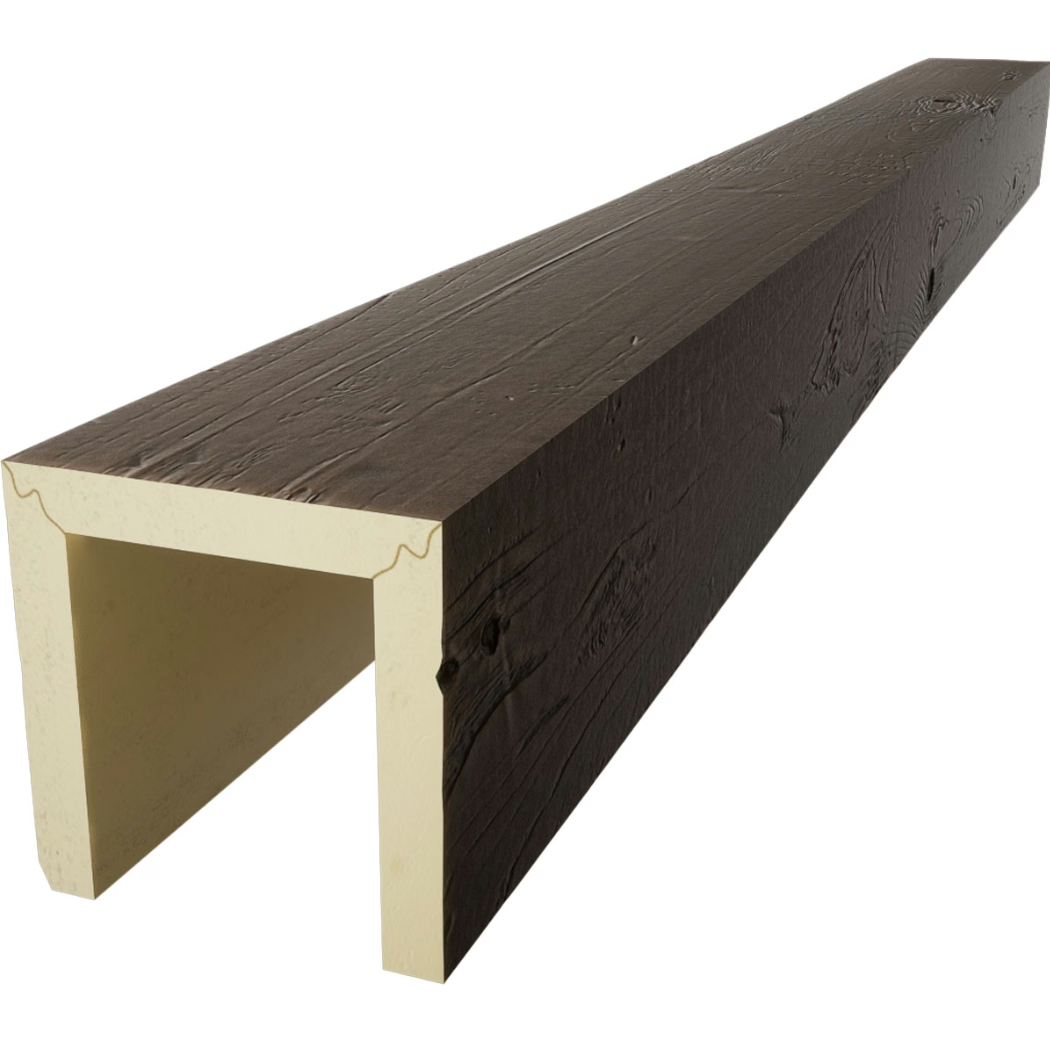
Maintaining Hotel Brand Standards
Luxury hotel brands maintain rigorous design standards that govern every aspect of the guest room and public area appearance. These standards exist to ensure that guests experience a consistent brand identity regardless of which property they visit — a W guest in Dubai should recognize the design language of the brand just as readily as a guest in New York or London.
Ceiling beams are typically specified as part of a hotel brand's design standards, which means the beam specification must be documented, repeatable, and available for every new project or renovation in the brand portfolio. Polyurethane beams, with their consistent manufacturing specifications, support this documentation requirement. The profile, finish, and mounting details can be specified precisely and reproduced identically across multiple projects.
Natural timber, by contrast, is inherently variable. Matching beams across properties, or matching new beams to an existing installation, requires extensive on-site selection and color-matching that is difficult to document and reproduce. For hotel brands that value design consistency, this variability represents a genuine operational challenge.
Cost Management in Hospitality Construction
Hospitality construction budgets are carefully managed, and the ceiling specification is one of many cost elements that must be optimized without compromising design quality. Polyurethane beams offer significant cost advantages over genuine timber that directly benefit the project budget.
The material cost per linear foot is lower for polyurethane than for comparable genuine timber, and the installation cost is substantially lower due to the material's lightweight construction. For a typical hotel project with hundreds or thousands of linear feet of beam installation, these savings can represent a meaningful percentage of the overall ceiling budget.
The elimination of structural engineering requirements for faux beams also reduces project costs. Genuine timber beams spanning significant distances require engineering analysis, load calculations, and connection details that add professional fees and construction complexity. Faux beams, being purely decorative, do not require this engineering, simplifying the approval process and reducing the risk of costly design changes during construction.
Guest Experience and Design Quality
The ultimate measure of any hotel design decision is the guest experience. Do guests notice and appreciate the ceiling beams? Do they contribute to the overall quality perception of the property? Do they create the atmosphere that the brand intends?
The evidence from hotel properties with quality beam installations suggests that ceiling beams make a measurable contribution to guest satisfaction. Guests describe rooms with timber beam ceilings as warmer, more welcoming, and more memorable than rooms with standard ceiling finishes. The ceiling is present in every photograph taken of the room, and the visual quality of that ceiling contributes directly to the social media presence of the property.
For boutique hotels and independent luxury properties, distinctive beam installations represent a design differentiator that helps the property stand out in a competitive market. A ceiling that guests photograph, share, and remember creates organic marketing value that supplements formal advertising and PR efforts.
Long-Term Maintenance and Property Management
Hotel property managers are responsible for maintaining design quality across large inventories of guest rooms and public areas. The maintenance profile of ceiling beams is a meaningful factor in this ongoing responsibility, and polyurethane beams offer clear advantages over natural timber in this regard.
Genuine timber beams require periodic inspection for signs of wear, moisture damage, or finish degradation. When damage occurs — and in busy hotel properties, it eventually will — repair or replacement is complex and disruptive. Polyurethane beams, by contrast, require no periodic inspection and maintain their appearance indefinitely. When damage does occur, individual beams can be removed and replaced without disturbing adjacent installations, minimizing guest disruption and maintenance cost.
The ease of cleaning is another practical advantage. Polyurethane beam surfaces can be cleaned using standard hospitality cleaning products without risk of finish damage. In properties where ceiling surfaces accumulate dust, cooking grease, or environmental contaminants from adjacent spaces, this cleanability is essential for maintaining the beam's appearance over time.
Technical References
ASTM standards cited in every specification
Test Data
Lab results from internal testing program
Updated 2026
Reviewed against current product specs