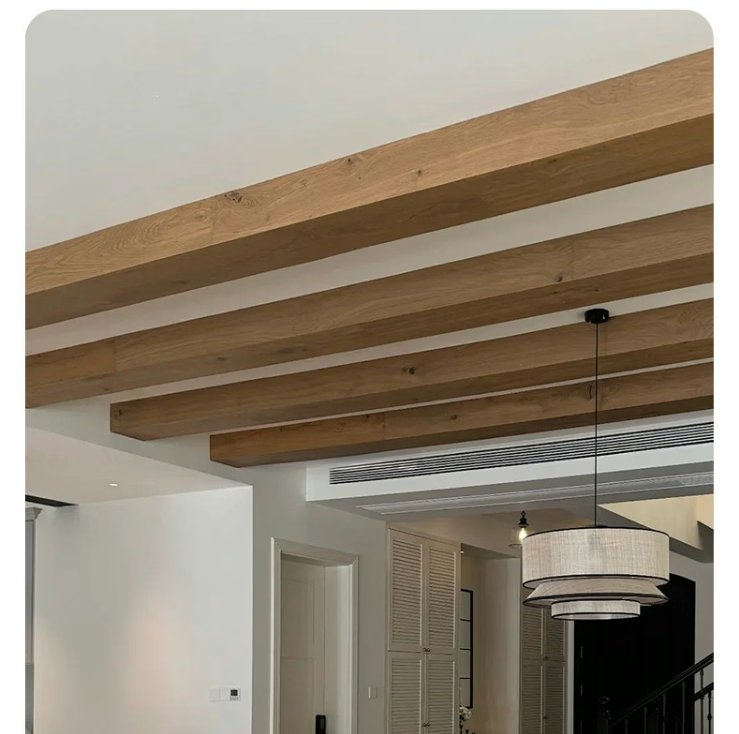
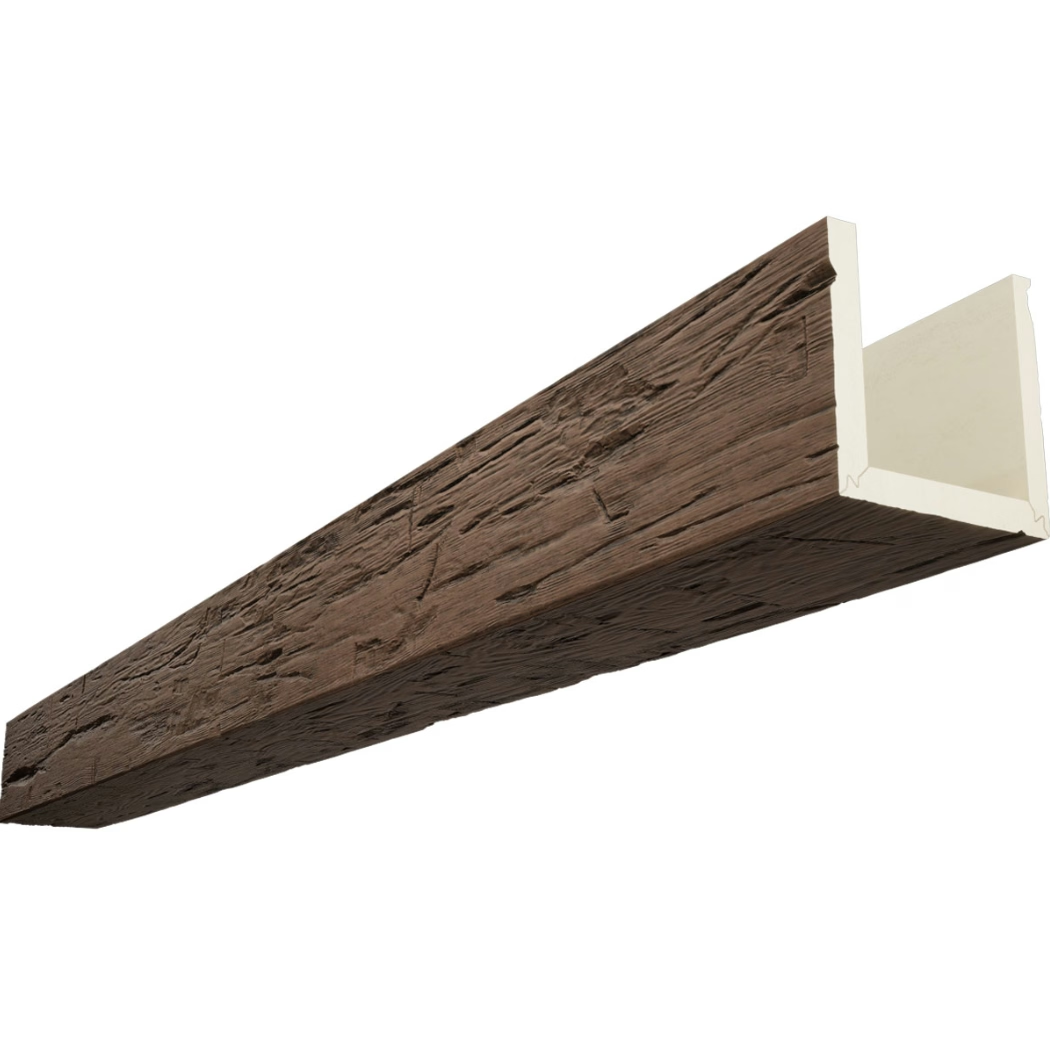
The guest suite represents hospitality's most intimate space—where travelers retreat after long days, seeking rest and recovery in private rather than public environments. Unlike lobbies, restaurants, and bars where social interaction dominates, the bedroom suite exists for solitary comfort, designed around the individual rather than the group. This personalization requirement shapes every design decision, from furniture selection to lighting placement to ceiling treatment.
Ceiling architecture in guest suites often receives less attention than in public spaces, yet its contribution to bedroom atmosphere rivals that of any other element. The overhead plane defines spatial enclosure, creates visual shelter, and provides the backdrop against which all other bedroom elements are viewed. A ceiling that contributes warmth and character enhances every furnishing choice, while an anonymous ceiling undermines even the finest furniture.
Luxury polyurethane faux timber beams address guest suite requirements with particular effectiveness. They provide the organic warmth that promotes rest and relaxation while respecting the structural, maintenance, and hygiene demands of commercial hospitality environments.
Creating Restful Atmosphere Through Ceiling Design
Sleep and rest require psychological as much as physical conditions. Environmental psychology research demonstrates that visual complexity supports mental recovery—spaces that engage without demanding, that provide interest without stimulation. Ceiling beams contribute precisely this quality: they reward casual attention without commanding it, offering visual richness that doesn't compete with the room's primary function.
Timber textures specifically promote relaxation through associations with natural environments. The organic irregularity of wood grain, the warmth of honey and amber tones, and the tactile quality implied by textured surfaces all connect bedroom environments to broader human experience of natural settings. Guests may not consciously register these connections, yet they feel their effect through enhanced comfort and quicker relaxation.
Shadow depth created by beam projection contributes to bedroom atmosphere by providing visual enclosure. Low, intimate ceilings—within reasonable proportions—create psychological shelter that promotes the sense of safety necessary for quality sleep. Beams that project significantly from the ceiling plane create these shadows effectively, while maintaining enough ceiling height to avoid claustrophobia.
Scale Considerations for Bedroom Applications
Guest suite ceiling heights vary significantly across hotel properties and building types. Historic buildings may feature ten-foot ceilings or higher, while newer construction often provides eight to nine feet. Each height range suggests different beam approaches that achieve appropriate visual impact without overwhelming spaces.
In higher ceilings, substantial beams with deep profiles create proportional impact that matches spatial volume. Light, delicate beams would disappear against the large ceiling plane, failing to contribute meaningfully to atmosphere. Consider beams with significant projection—eight inches or more from ceiling surface—positioned to cast shadows visible from normal viewing angles.
Moderate ceiling heights require more restrained treatment. Six-inch projections may prove more appropriate than eight, with narrower beam widths that avoid visual heaviness. Consider running beams perpendicular to the longest wall, which creates recession and makes the room feel more spacious. Lighter finishes also help, reflecting more light and preventing the oppressive quality that dark beams can create in lower rooms.
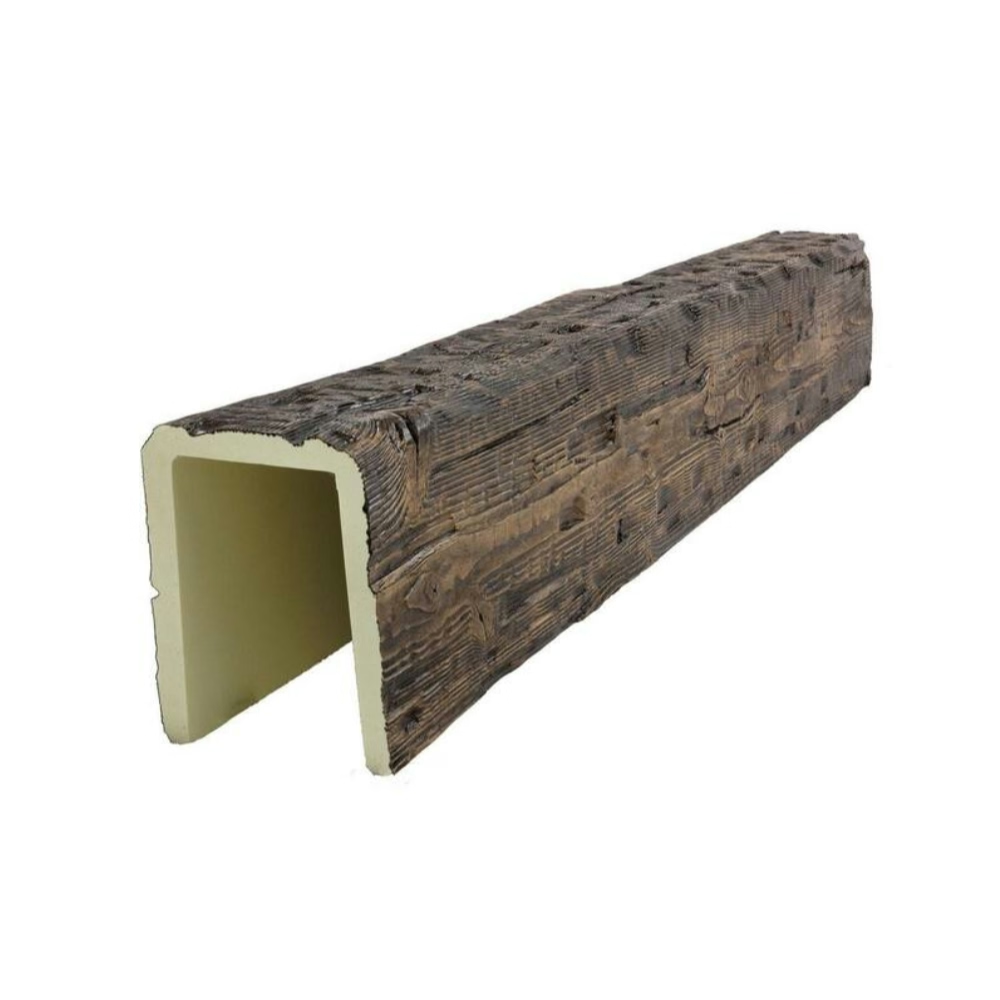
Material Harmony with Bedroom Furnishings
Guest suite beam selection should coordinate with furniture materials and finishes that define bedroom character. The bed, typically the dominant bedroom element, establishes visual anchors that other materials should complement.
Consider headboard materials when selecting beam finishes. Upholstered headboards in neutral fabrics harmonize with warm wood tones, creating layered warmth that promotes relaxation. Leather headboards may suggest leather-wrapped beam accents or darker, richer wood tones that complement the material's weight. Metal bed frames pair with lighter wood tones or painted beam finishes that avoid competing with the metal's visual presence.
Dresser, nightstand, and case goods finishes require similar consideration. Complete coordination—where every wood element matches exactly—often proves too uniform, creating flatness that lacks visual interest. Strategic contrast—where beams reference furniture color while differing in grain pattern and finish—creates the layered complexity that distinguishes elevated design.
Bedding and Textile Coordination
Hospitality bedding has evolved significantly, with luxury properties investing heavily in sleep experience as a primary competitive differentiator. Premium mattresses, high thread-count linens, and thoughtful pillow configurations all contribute to guest comfort. Ceiling beams should complement these investments rather than conflicting with them.
Warm wood tones in beam finishes echo the natural fibers common in luxury bedding—cotton, linen, and cashmere all derive from organic origins that harmonize with timber aesthetics. The visual weight of woven textiles finds counterpart in beam projection and shadow depth, creating material balance between horizontal softness and vertical structure.
Consider how lighting affects both bedding and beam appearance. Warm incandescent or amber LED lighting enhances both material types equally, creating cohesive atmosphere. Cooler lighting may make wood appear dull while making bedding look institutional—avoid this mismatch by specifying warm-toned illumination throughout guest suites.
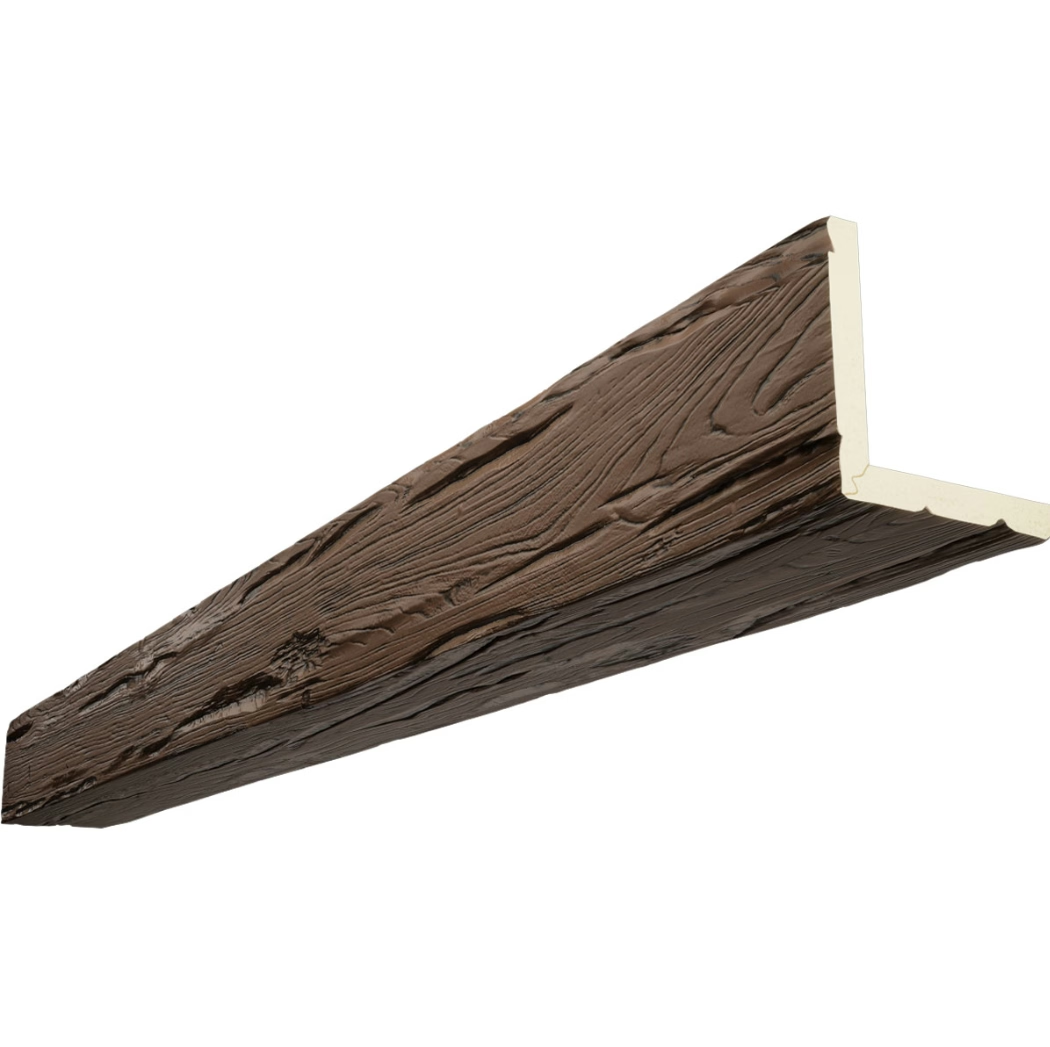
Window Treatment Integration
Windows represent another ceiling-adjacent element requiring coordination with beam installations. The relationship between beams and window frames, drapery hardware, and treatments affects overall bedroom composition.
In rooms with dramatic window views, beams should not compete for attention. Lighter finishes and simpler profiles accommodate expansive glazing without creating visual competition. Consider beam placement that frames windows rather than crossing them—positioning beams to create visual boundaries around window openings emphasizes view while maintaining architectural character.
Drapery treatment relates to beam presence through mounting hardware and visual weight. Heavy drapery suggests correspondingly substantial beams overhead; lighter treatments allow more delicate ceiling architecture. Coordinate specification during window treatment selection to ensure cohesive results.
Lighting Design for Sleep Environments
Guest suite lighting serves multiple functions requiring careful layering. General ambient light for daily activities, task lighting for reading and grooming, and low-level illumination for nighttime navigation each demand different intensity and distribution. Beam installations affect how effectively these lighting needs can be met.
Consider recessed lighting placement relative to beam positions. Fixtures positioned between beams maintain ceiling continuity while providing functional illumination. Surface-mounted fixtures on beam surfaces can supplement general lighting with accent presence. The interplay between beam shadows and light distribution creates bedroom atmosphere beyond what fixtures alone achieve.
Nightlight-quality illumination at very low levels supports nighttime navigation without disrupting sleep preparation. This lighting layer can integrate with beam design through concealed strip lighting or minimal fixtures positioned to avoid direct guest visibility. The goal is sufficient guidance for safety without compromising the darkness that supports quality sleep.
Acoustic Enhancement for Privacy and Rest
Guest suite acoustics affect both privacy perception and sleep quality. Sounds from adjacent rooms, corridor traffic, and building systems all threaten the acoustic isolation that guests expect. Ceiling beam installations contribute to acoustic management through their dimensional interruption of flat surfaces.
Sound reflection off hard ceiling surfaces creates reverberation that amplifies intrusive noises. Beams break up these reflection paths, scattering sound energy across multiple angles and reducing the prominence of disturbing sounds. This acoustic benefit occurs naturally through beam installation without specialized acoustic treatment.
Consider the relationship between beam installation and ceiling insulation. Adding insulation above bedroom ceilings improves both thermal and acoustic performance. Hollow beam profiles can accommodate this insulation while maintaining visual beam presence, achieving performance benefits without sacrificing design intent.
Housekeeping and Maintenance Considerations
Hospitality housekeeping operates under demanding schedules that require materials supporting efficient cleaning. Guest suites turn rapidly, with cleaning staff completing multiple rooms daily while maintaining consistent quality across all units. Materials that simplify this work directly impact operational efficiency and cost.
Polyurethane beams resist the staining, moisture damage, and wear that complicate natural wood maintenance. Spilled beverages, cosmetics, and the various substances that accumulate in guest rooms wipe clean without leaving marks. This cleanability supports housekeeping efficiency while maintaining consistent appearance across the property.
Inspect beam installations during regular housekeeping quality checks. Verify secure mounting, intact finishes, and absence of damage that might accumulate over time. Address any issues promptly to prevent escalation and maintain the consistent quality that guests expect from luxury accommodations.
Guest Experience and Visual Appeal
Guest perception of room quality develops through accumulated impressions from every surface and detail. The ceiling, though not consciously examined, contributes to overall impression through the atmosphere it creates. Beams that add warmth and character enhance perceived room quality without guests necessarily identifying the ceiling as the source.
Photography and visual marketing benefit significantly from well-designed ceiling treatments. Professional room photography captures the atmosphere that beams create, communicating luxury quality to potential guests browsing booking platforms. This marketing value justifies investment in quality beam installations that serve operational and promotional purposes equally.
Consider how guests experience the room through their journey from door to bed. Initial impressions form quickly, with subsequent attention exploring details that support or contradict first reactions. Beams visible from the entry position establish immediate atmosphere that subsequent furnishings can reinforce.
Energy Efficiency and Sustainability Considerations
Modern hospitality increasingly emphasizes environmental responsibility, with both operational savings and guest expectations driving sustainable practices. Beam installations should align with these objectives where possible, contributing to overall property sustainability credentials.
Polyurethane's manufacturing process has improved significantly, with premium manufacturers incorporating recycled content and reducing waste in production. Some products achieve certifications relevant to commercial specification—verify environmental claims through documentation rather than accepting marketing assertions.
The durability and longevity of quality polyurethane beams supports sustainability through reduced replacement frequency. Materials that maintain appearance for decades without replacement contribute less to landfill burden than alternatives requiring more frequent renewal. Consider lifecycle implications when evaluating beam options.
Property Type Considerations
Guest suite design requirements vary across property types, with each segment presenting distinct challenges and opportunities for ceiling beam installations.
Boutique hotels often feature unique architectural characteristics—historic buildings, unconventional layouts, distinctive character elements—that beam installations should enhance rather than overwhelm. Lighter, more refined treatments suit these properties, maintaining the character that distinguishes boutique offerings from standardized alternatives.
Resort properties typically offer larger suite configurations with higher ceilings and more generous proportions. These spaces accommodate bolder beam treatment—larger profiles, more dramatic spacing, richer finishes—that establishes the premium atmosphere resort guests expect. Coordinate beam design with the overall resort aesthetic, whether tropical, mountain, desert, or another regional expression.
Extended-stay properties prioritize functionality and durability over luxury aesthetics. Beam installations in these properties should emphasize practical benefits—easy cleaning, damage resistance, maintenance simplicity—while providing enough visual interest to prevent rooms from feeling sterile or institutional.

Upscale guest suite design requires attention to every element that contributes to rest and comfort. Ceiling beams provide warmth, character, and architectural presence that enhances the entire bedroom environment, supporting the relaxation that travelers seek during their stays.
Invest in quality beam installations that serve guests through years of reliable service. The returns appear through guest satisfaction, positive reviews, and the property reputation that quality details help establish.
Long-Term Investment Protection
Guest suite renovations represent significant property investments that deserve protection through quality material selection. Beam installations should maintain appearance and performance through extended service periods without requiring replacement or major maintenance.
Premium polyurethane beams from established manufacturers carry warranties reflecting confidence in long-term performance. Verify warranty coverage and manufacturer support availability when specifying products. The slightly higher initial cost of warranted products often proves economical through extended service life and reduced maintenance expense.
Document beam specifications, finish codes, and manufacturer contact information for future reference. This documentation supports consistent maintenance, enables matching repairs, and facilitates future renovation work that should integrate with existing installations.
Design Collaboration and Professional Input
Achieving exceptional guest suite design typically requires collaboration among multiple design professionals—interior designers, lighting consultants, FF&E specialists, and property management. Beam specification should emerge from this collaborative process rather than being specified in isolation.
Engage design professionals with hospitality experience during suite renovation planning. Their familiarity with guest expectations, operational requirements, and industry best practices informs decisions that general practitioners might overlook. The investment in professional consultation typically returns through avoided mistakes and more cohesive results.
Coordinate beam specifications with other design elements early in the process. Finish selections, material pairings, and configuration approaches should all be developed together rather than sequentially, ensuring that each element supports the others in achieving overall design intent.
Guest Feedback and Continuous Improvement
Hospitality excellence emerges through ongoing attention to guest feedback and operational learning. Monitor guest comments regarding room quality, comfort, and atmosphere. Identify patterns that suggest opportunities for improvement, including ceiling-related concerns that beam installations might address.
Post-renovation guest feedback provides validation for design decisions and identifies areas requiring adjustment. Some issues emerge only through actual use, revealing problems that design development and specification review cannot anticipate. Treat this feedback as valuable input for future renovation planning.
Consider periodic refresh updates that introduce new design elements without full renovation. Updated beam finishes, revised lighting, or refreshed textiles can maintain property relevance without the disruption and expense of comprehensive renovation. These incremental improvements extend property competitive positioning while managing capital allocation efficiently.

Upscale guest suite decoration with luxury polyurethane faux timber beams represents thoughtful investment in hospitality excellence. These architectural elements contribute the warmth and character that distinguish exceptional accommodations from ordinary rooms, supporting the guest satisfaction that drives repeat business and positive reviews.
Approach suite design with confidence that ceiling treatment provides excellent return on investment. Your guests will appreciate the attention to detail, even if they never consciously identify its source.
Technical References
ASTM standards cited in every specification
Test Data
Lab results from internal testing program
Updated 2026
Reviewed against current product specs