Resort destinations compete for attention in crowded marketplaces where travelers face overwhelming accommodation options. Distinguishing characteristics matter enormously—the properties that capture bookings and generate loyal advocates typically offer experiences that exceed expectations in memorable ways. While service quality, location, and amenities all contribute to resort success, interior design creates the physical environment within which these elements unfold. Spaces that inspire and delight elevate every guest interaction, transforming routine service into memorable experience.
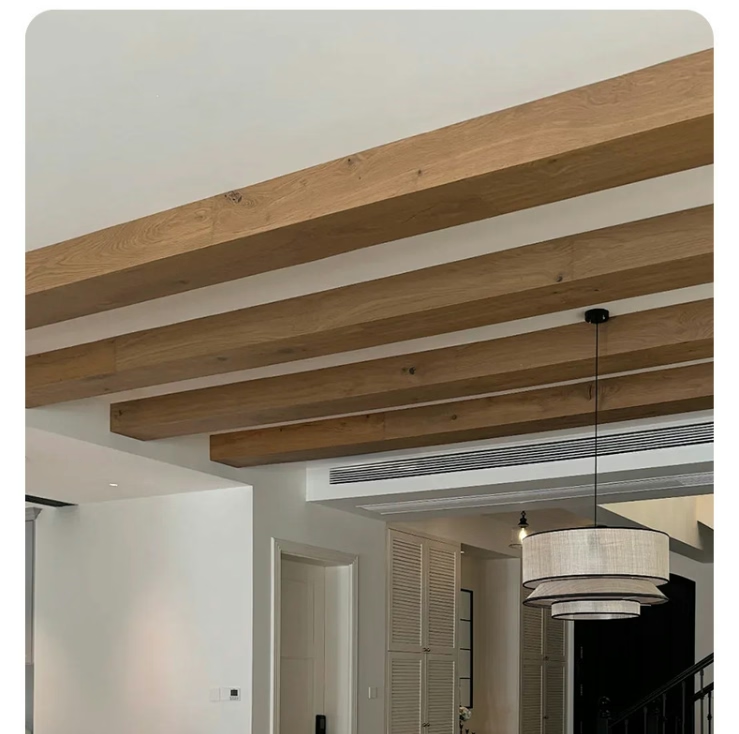
Ceiling architecture plays a surprisingly central role in this atmospheric creation. In resort environments, where indoor and outdoor spaces often blend seamlessly and spatial volumes tend toward generosity, the overhead plane carries significant visual weight. Beams that add warmth, texture, and architectural interest transform anonymous ceilings into memorable features, contributing to the distinctive character that guests photograph, share, and remember.
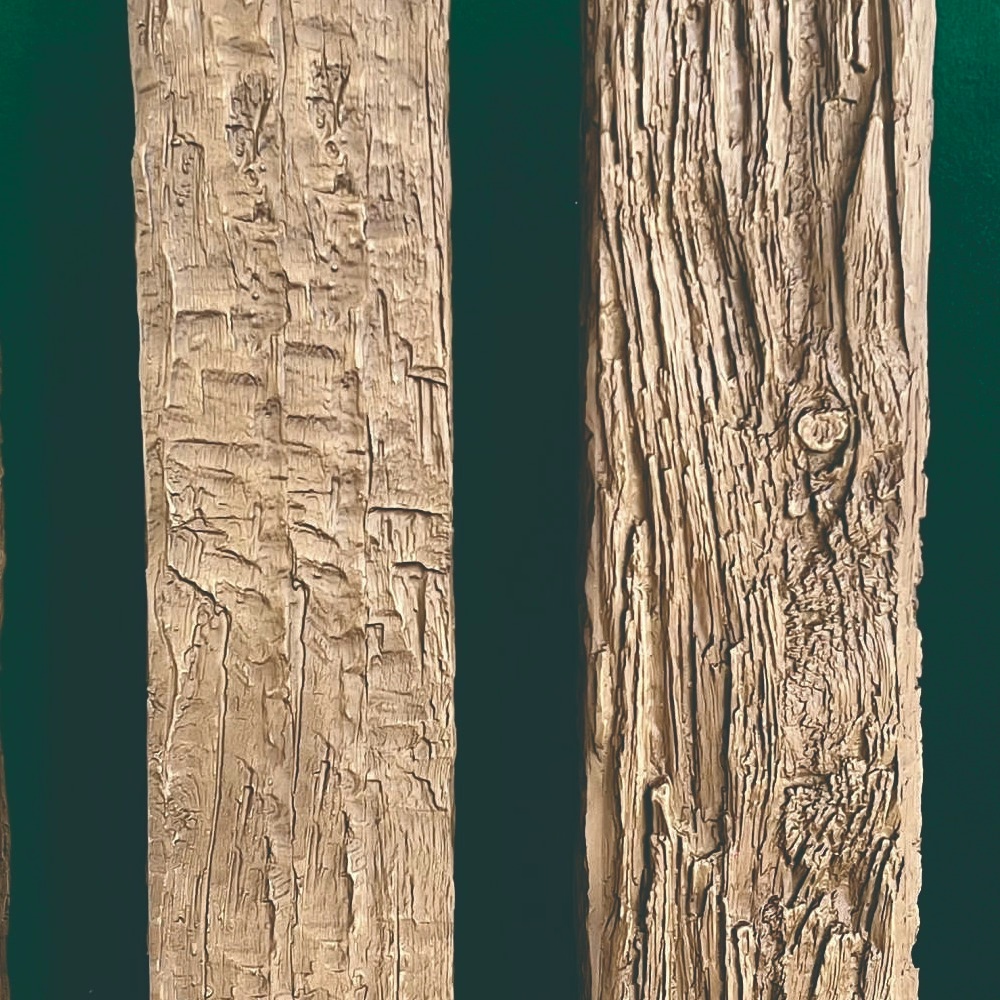
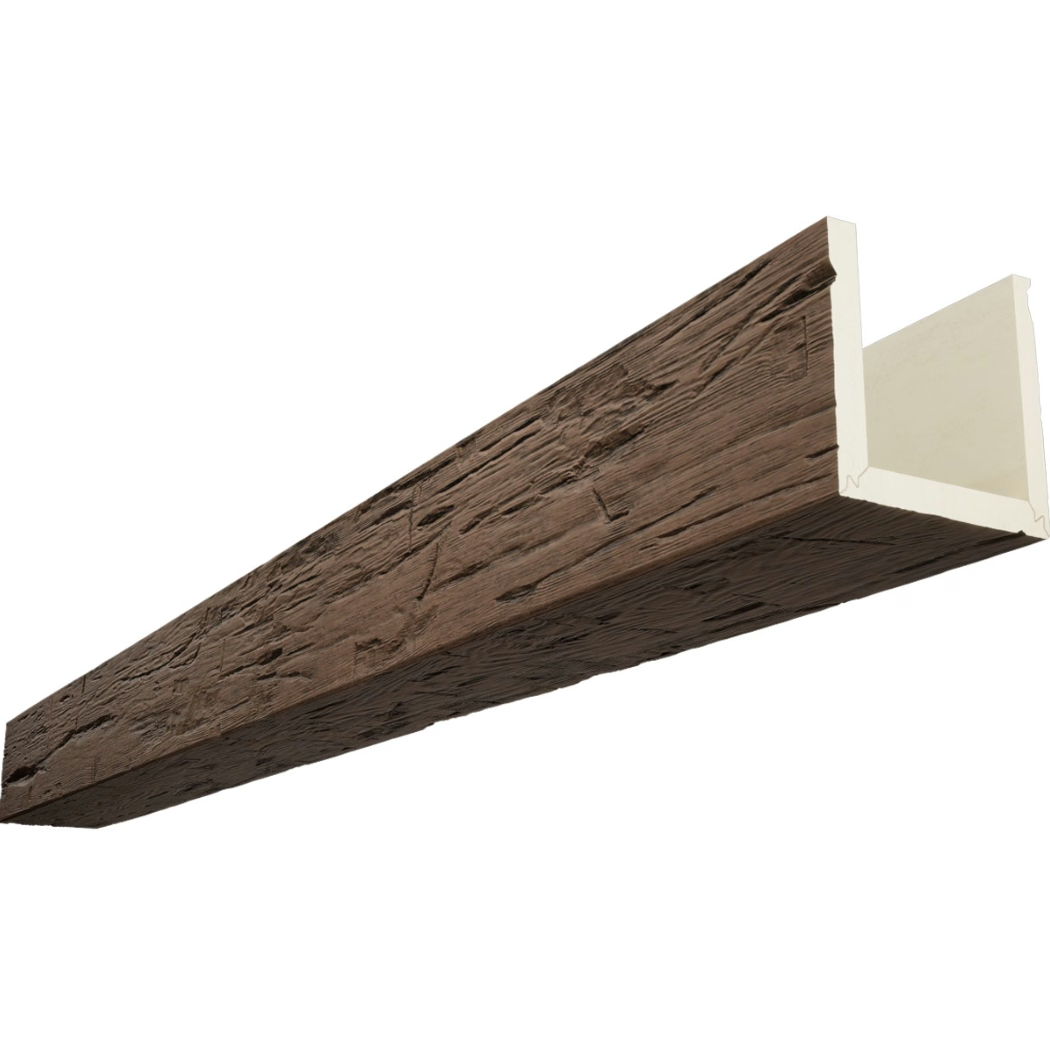
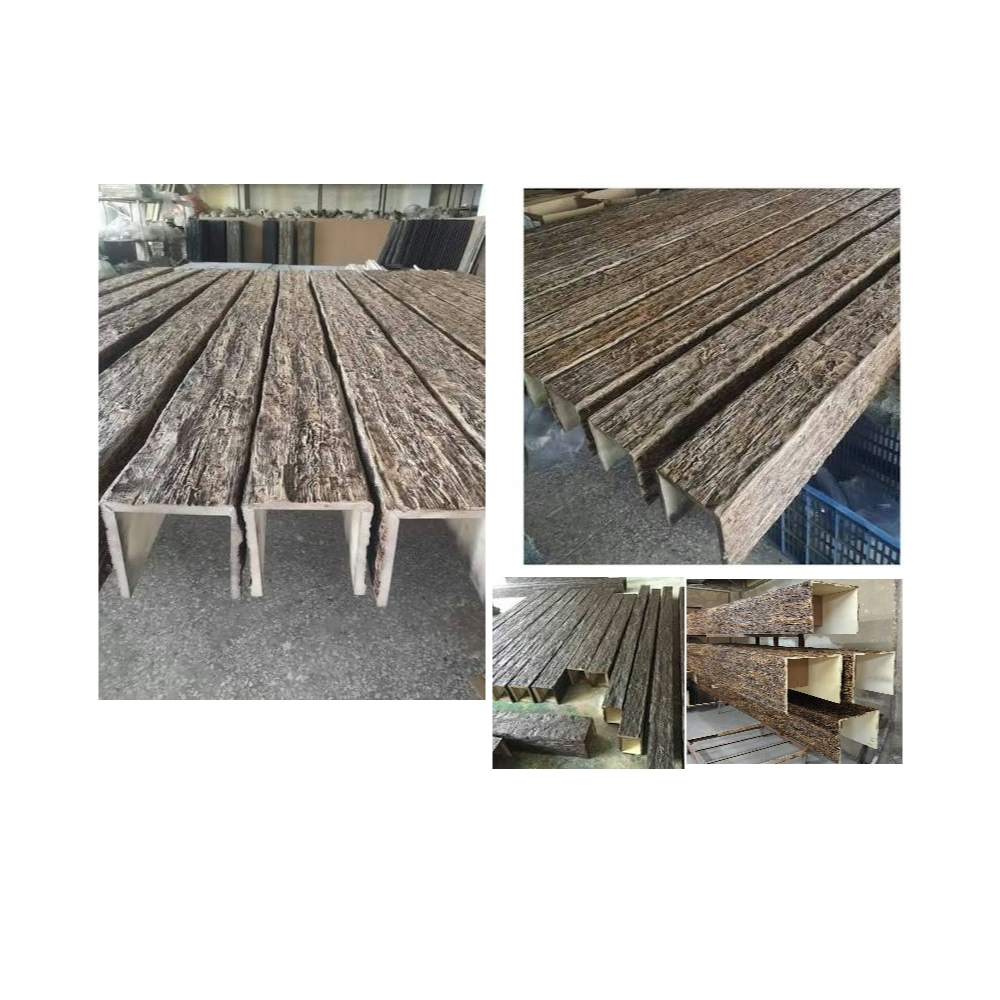
Polyurethane faux timber beams serve resort applications with particular effectiveness. They deliver the organic warmth that tropical and destination design requires while accommodating the humidity, salt exposure, and intensive use that resort environments demand.
Defining Resort Design Vocabulary
Each resort property develops a design vocabulary that expresses its unique identity—regional character, environmental context, target market, and brand positioning all shape aesthetic direction. This vocabulary should inform every design decision, including beam specification, ensuring that architectural elements contribute to coherent overall identity rather than introducing conflicting notes.
Tropical resorts often reference local building traditions, incorporating material palettes and forms that honor indigenous architecture. Polynesian-inspired properties might feature substantial timber elements with woven accent details, while Caribbean-influenced designs could emphasize lighter, more refined proportions with whitewashed finishes. Beam selections should emerge from this contextual research rather than being specified from generic catalogs.
Mountain and ski resorts develop different vocabularies emphasizing warmth, shelter, and connection to natural landscapes. Heavy timber aesthetics dominate, referencing the logging heritage and rustic craftsmanship that characterize mountain architecture. Beams in these settings should appear substantial and authentic, contributing to the cozy refuge atmosphere that ski resort guests seek after cold outdoor activity.
Desert resorts balance heat management with aesthetic appeal, often referencing Southwest, Moroccan, or Middle Eastern building traditions. Beam treatments in these properties might emphasize clean lines and geometric precision, with finishes that reflect rather than absorb intense sunlight. The interplay between shade and shadow becomes particularly important in sun-drenched environments.
Scale and Proportion in Resort Spaces
Resort properties typically feature generous spatial volumes that challenge residential-scale design approaches. High ceilings, open floor plans, and expansive glazing create interior environments closer to commercial scale than typical home construction. Beam installations must scale accordingly to achieve proportional impact.
Consider the relationship between ceiling height and beam dimensions. A beam that creates appropriate shadow depth in a ten-foot ceiling may prove insignificant in a sixteen-foot space, requiring substantially larger projection to achieve equivalent visual presence. Plan for beams sized relative to the spaces they occupy rather than applying residential standards regardless of scale.
Open resort layouts often feature dramatic sightlines that extend across multiple functional zones. Beams should contribute to these long views, providing visual interest that rewards attention from any vantage point. Avoid beam configurations that read well from some positions but disappear or look awkward from others.
Environmental Performance Requirements
Resort environments present material challenges that exceed typical commercial applications. Humidity, salt air, UV exposure, and temperature fluctuation all stress interior finishes in ways that standard materials may not withstand. Beam specifications must account for these conditions from project inception.
Coastal and island resorts face the most demanding environmental conditions. Salt spray penetrates building envelopes despite climate control systems, settling on surfaces throughout the property. Natural wood swells, checks, and deteriorates rapidly in this environment, requiring either expensive marine-grade treatments or acceptance of ongoing maintenance burden. Polyurethane resists salt exposure completely, maintaining appearance without specialized protection.
Indoor-outdoor transition spaces present particular challenges where climate control boundaries blur. Pool decks, covered terraces, and open-air restaurants experience humidity levels that fluctuate dramatically with weather conditions. Materials in these zones must accommodate environmental stress without degradation. Polyurethane's dimensional stability makes it well-suited to these transitional applications.
Indoor-Outdoor Integration
Contemporary resort design often emphasizes seamless indoor-outdoor transitions, with covered outdoor spaces functioning as natural extensions of interior environments. Beam installations should support this integration, creating architectural vocabulary that flows across threshold boundaries rather than stopping abruptly at walls.
Consider beam treatment in covered outdoor areas. Structural canopies and pergolas provide mounting opportunities for beams that extend naturally from interior ceiling planes. The same beam profiles and finishes that define interior spaces can continue outside, establishing visual continuity that makes outdoor areas feel like furnished outdoor rooms rather than disconnected appendages.
Weather resistance becomes critical in these applications. Direct sun exposure, rain splash, and wind-borne moisture all affect outdoor beam installations. Premium polyurethane products resist UV degradation and moisture absorption, maintaining appearance despite direct environmental exposure. Verify outdoor suitability through manufacturer documentation rather than assuming interior-rated products will perform adequately outside.
Coordinating with Regional Materials
Resort interiors typically incorporate regional materials—local stone, indigenous textiles, native wood species—that connect properties to their environmental context. Beam selections should complement rather than compete with these regionally-sourced elements.
Natural stone surfaces in resort lobbies and common areas suggest substantial beam treatment. The visual weight of stone requires proportional ceiling elements that balance spatial composition. Consider beam finishes that reference stone colors or textures, creating material harmony without attempting to match stone exactly.
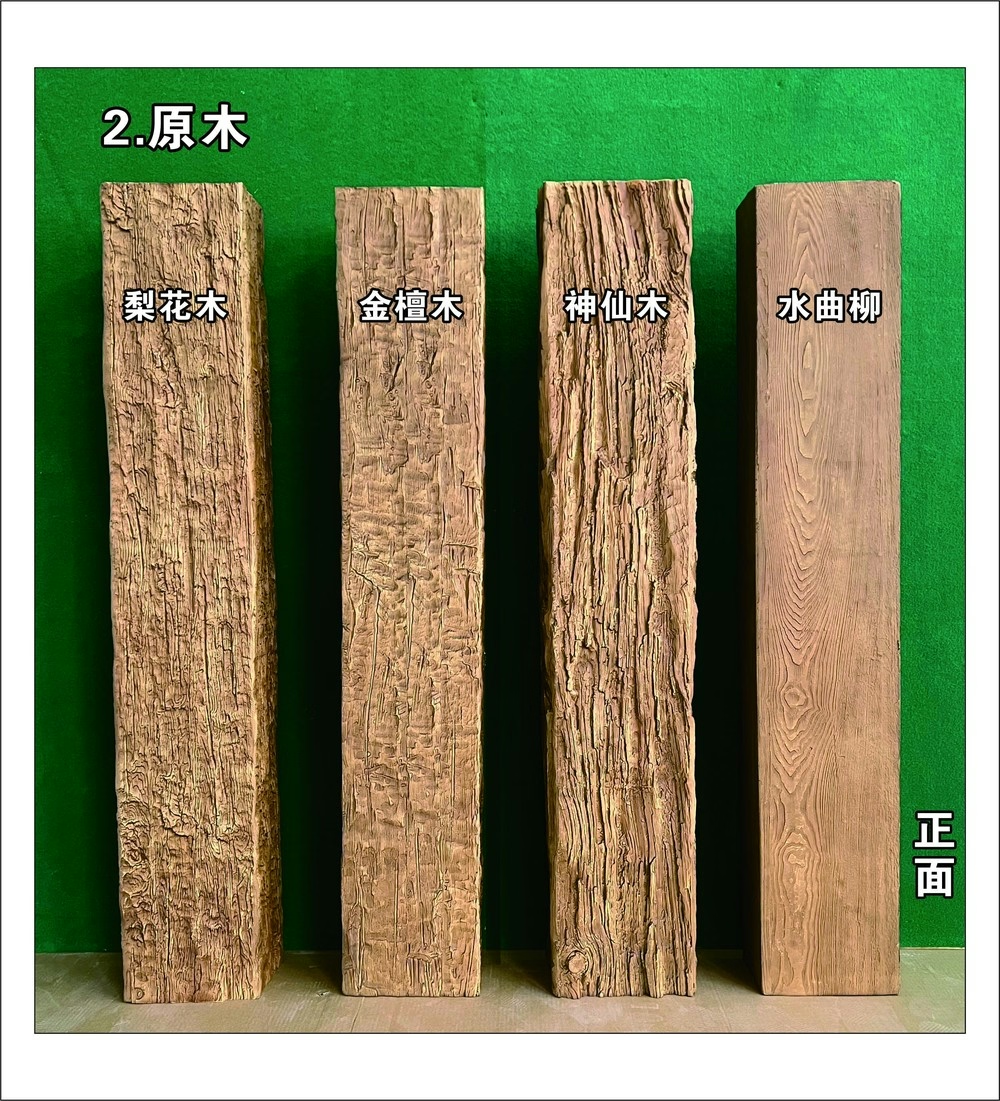
Indigenous wood species used in furniture and decorative elements establish species expectations that beam finishes should honor. If local woods run toward honey-toned koa or cherry, beam finishes in that family will harmonize naturally. Contrasting finishes may work if deliberately composed, but unconscious mismatch creates discomfort that guests feel without identifying.
Lighting Design for Resort Atmospheres
Resort lighting serves complex requirements spanning functional task illumination, safety and wayfinding, and atmospheric enhancement. Beam installations interact with lighting systems through shadow creation, surface reflection, and integration opportunities for concealed fixtures.
Evening atmospheres often require warmer lighting that enhances social engagement and relaxation. Tungsten and amber LED sources create this effect when appropriately specified, and wood-textured beam surfaces enhance warm light qualities through natural reflection. The combination creates environments that encourage lingering and conversation.
Daytime lighting differs dramatically, with abundant natural light reducing or eliminating artificial supplementation requirements. Beam configurations should look appealing under both conditions, maintaining visual interest through direct sun, cloud-filtered light, and evening artificial illumination. Test beam finishes under multiple lighting conditions before final specification.
Operational Considerations for High-Traffic Environments
Resort common areas—lobbies, restaurants, bars, fitness facilities—experience traffic volumes exceeding typical commercial applications. Hundreds of guests daily interact with these spaces, creating wear patterns that stress materials and challenge maintenance staff. Beam specifications must account for this intensive use.
Impact resistance matters in spaces where luggage, golf bags, and equipment move regularly. Polyurethane's resilience absorbs contact that would dent or scratch natural wood, maintaining appearance despite the accumulated impacts of busy operations. This durability simplifies housekeeping while ensuring consistent visual quality.
Cleaning access affects beam maintenance practicality. High-ceiling installations may prove difficult to reach for dusting or repair, making low-maintenance materials particularly valuable. Polyurethane's resistance to dust accumulation and staining reduces cleaning frequency while maintaining appearance when cleaning does occur.
Brand Consistency Across Properties
Resort management companies operating multiple properties establish brand standards that ensure guest recognition across locations. Beam specifications should align with these brand frameworks, contributing to consistent guest experience while allowing appropriate regional adaptation.
Brand design guidelines typically specify material palettes, finish ranges, and configuration approaches that properties should follow. These standards balance consistency requirements against regional flexibility, establishing parameters within which individual properties can express local character. Beam selection falls within this framework—meeting brand requirements while supporting regional differentiation.
Coordinate with brand design teams during renovation planning. Their familiarity with brand standards and knowledge of what has succeeded across properties provides valuable guidance that prevents specification errors and ensures brand alignment.
Guest Journey and Spatial Sequence
Resort guests experience properties through sequential journeys—from arrival through common areas to their rooms and back again. This spatial sequence offers opportunities to reinforce design intent and create cumulative atmosphere that deepens with exploration.
Arrival experiences set initial impressions that subsequent spaces confirm or contradict. Beams visible from entry points should establish design character immediately, communicating the resort's identity before guests have fully entered. Position beams where they reward this initial viewing, creating immediate architectural interest.
Transition spaces between functional zones provide opportunities for beam installations that guide movement and create anticipation. Corridors, stairwells, and covered walkways can feature beam treatments that maintain atmosphere throughout the guest journey, preventing visual voids where design continuity might otherwise break down.
Customization for Unique Design Expression
Premium resorts often seek design elements that cannot be achieved through standard catalog selections. Custom beam specifications—unique profiles, proprietary finishes, site-specific molding—create distinctive features that distinguish properties from competitors.
Custom mold-making enables proprietary beam profiles that express specific design visions. Whether referencing historic architectural elements, creating entirely original forms, or matching unique existing details, custom fabrication expands available options beyond production limitations.
Finish customization allows precise color development that catalog products cannot match. Site-finished beams接受现场施工队的手工处理,创建与特定设计调色板完全匹配的饰面。这种灵活性确保了设计意图的精确执行。
Sustainability and Environmental Responsibility
现代度假村越来越关注环境可持续性,客人也越来越意识到材料的来源和制造方式。梁的选择应符合这些环保价值观,支持整体物业可持续发展目标。
了解聚氨酯产品的制造工艺和成分。优质制造商越来越多地使用回收材料并减少生产浪费。寻求具有相关环境认证的产品,并要求提供成分和制造工艺的文档。
聚氨酯的耐用性本身就支持可持续性。通过减少频繁更换的需求,长期使用的材料对环境的影响小于需要更频繁更换的材料。在整个生命周期内评估梁的环境影响,而不仅仅是初始成本。

度假村室内设计 with luxury polyurethane faux timber beams represents investment in guest experience that generates returns through bookings, reviews, and brand loyalty. These architectural elements create the distinctive atmosphere that guests remember and share, transforming ordinary stays into unforgettable experiences.
Approach resort design with confidence that beam specification provides excellent return on investment. Your guests will appreciate the attention to detail, even if they never consciously identify its source.
Long-Term Asset Protection
度假村代表着重大资本投资,值得通过材料选择和规格保护。梁安装应保持外观和性能多年,无需更换或重大维护。
从提供保修和持续支持的知名制造商处采购聚氨酯产品。验证保修范围,保留购买记录以支持未来索赔,并记录产品规格以便于维护和维修。
定期检查梁安装是否存在潜在问题。检查安装牢固性、表面状况和任何可能随着时间累积的损坏。及时处理任何问题,防止问题升级并保持客人期望的一致外观。
Design Collaboration for Exceptional Results
实现卓越的度假村设计需要多个设计专业之间的协作——室内设计师、照明顾问、景观设计师和物业管理。梁规格应从这一协作过程中产生,而不是孤立地指定。
在规划阶段尽早让具有度假村经验的设计专业人员参与。他们的专业知识可为可能影响梁选择的决策提供信息,确保设计选择支持整体设计意图和运营要求。
协调梁规格与其他设计元素。饰面选择、材料搭配和配置方法应共同开发,确保每个元素相互支持,实现凝聚力的最终结果。
客人反馈和持续改进
度假村的卓越表现通过持续关注客人反馈和运营学习而实现。监控客人关于空间质量、舒适度和整体体验的评论。识别表明需要改进的模式,包括梁安装可能解决的与天花板相关的问题。
翻新后的客人反馈为设计决策提供验证,并确定需要调整的领域。通过实际使用会发现一些问题,揭示设计和规格审查无法预见的问题。将此反馈视为未来翻新规划的宝贵投入。
考虑定期进行刷新更新,引入新的设计元素而不进行大规模翻新。更新的梁饰面、修改的照明或焕然一新的纺织品可以保持物业相关性,而不需中断性且昂贵的大规模翻新。这些渐进式改进在有效管理资本配置的同时延长了物业的竞争优势。

聚氨酯人造木材梁的奢华度假村内部设计代表了对客人体验的深思熟虑的投资。这些建筑元素创造了将普通住宿转变为难忘体验的独特氛围,支持推动预订和正面评价的客人满意度。
充满信心地进行度假村设计,天花板处理可提供良好的投资回报。您的客人会感谢对细节的关注,即使他们永远不会有意识别其来源。
Technical References
ASTM standards cited in every specification
Test Data
Lab results from internal testing program
Updated 2026
Reviewed against current product specs