Elegant decor transcends simple aesthetics—it encompasses the thoughtful curation of every element within a space, ensuring that each contribution reinforces the others toward a unified, refined whole. Achieving this level of design sophistication requires attention to details that elevate rather than merely decorate, architectural choices that reward close inspection while contributing to overall composition. Among these details, ceiling beams occupy a particularly influential position: they define spatial volumes, create visual shelter, and establish material context that influences every other design decision.
Teak wood grain faux beams serve elegant decor particularly well, bringing the species' distinctive character to applications where natural teak would prove impractical. The warm golden tones, subtle grain patterns, and sense of timeless luxury that teak provides align naturally with elevated design objectives. When rendered in durable polyurethane, these aesthetic qualities combine with practical advantages that support long-term design integrity.
The Character of Teak in Design
Teak's reputation in design contexts derives from centuries of accumulated association with quality and refinement. The wood species has furnished royal chambers, outfitted ocean vessels, and decorated the finest estates across cultures and continents. This heritage contributes to contemporary perceptions—specifying teak signals taste, discernment, and appreciation for materials that reward attention.
The species' visual character supports elegant design through several qualities. The warm golden palette establishes immediate atmosphere, creating the sense of welcome and comfort that distinguishes hospitable spaces. Subtle grain patterns provide visual interest without demanding attention, rewarding casual glances while never overwhelming the composition. Natural variation between pieces prevents the mechanical repetition that lesser materials produce.
Aging gracefully distinguishes teak from alternatives that deteriorate visibly over time. The wood deepens in color, developing richer tones that suggest accumulated character rather than degradation. Pieces seem to belong to established households with histories worth exploring, avoiding the new-and-generic feeling that afflicts spaces furnished with contemporary materials.
Integrating Teak Beams with Existing Elegance
Existing elegant interiors present both opportunities and challenges for beam installation. The established design vocabulary provides context that new elements must complement, requiring careful coordination that honors while enhancing current character.
Begin by analyzing the dominant design elements: furniture styles, wood species used in millwork and case goods, color palettes, and architectural details. These existing choices establish parameters within which beam selection must operate. The goal is not to introduce competing elements but to identify the specific teak characteristics that will integrate seamlessly.
Consider the relationship between existing wood elements and proposed beam finishes. Exact species matching often proves less successful than tonal coordination—teak beams paired with walnut furniture create productive contrast, while teak beams beside similar-toned mahogany furniture might create uncomfortable similarity. The designer's eye must evaluate these relationships in context.
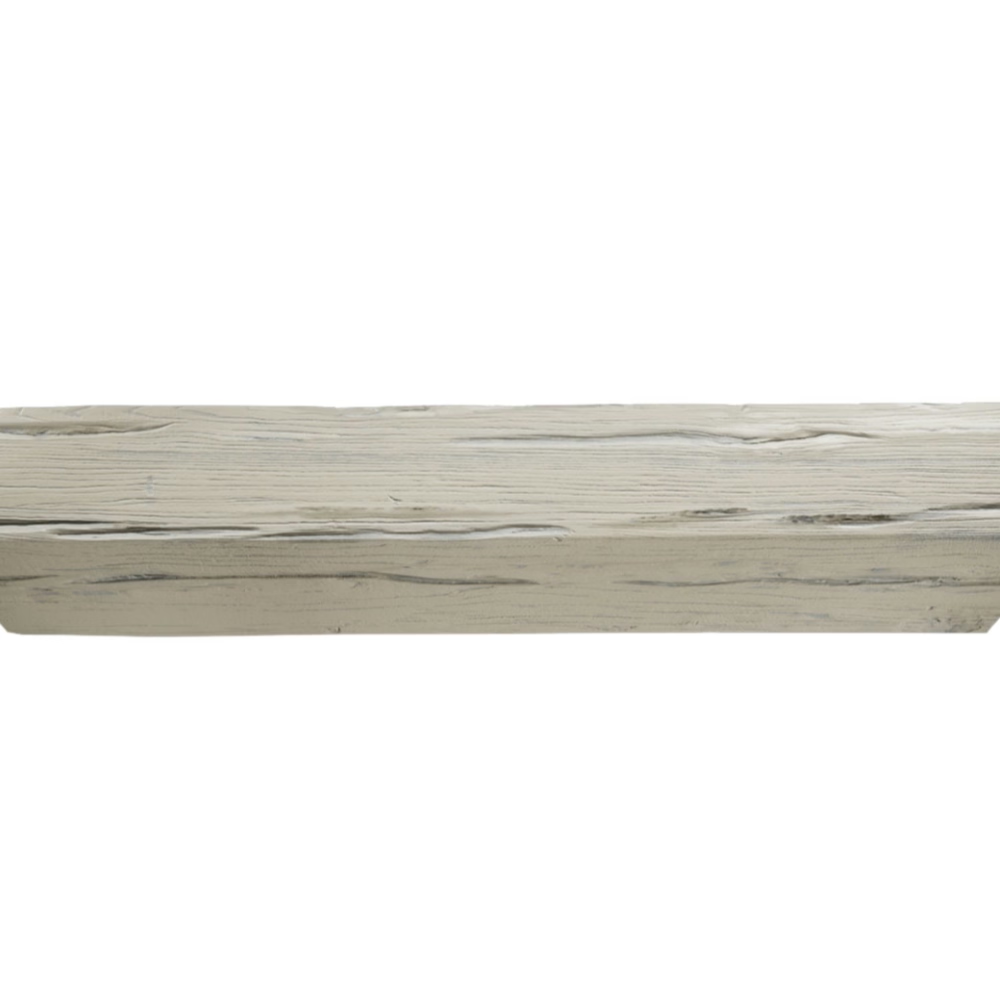
Scale and Proportion in Elegant Settings
Elegant interiors typically feature generous proportions—higher ceilings, larger rooms, more substantial architectural details. Beam specifications should honor these proportions through appropriately scaled treatment that maintains visual balance.
Substantial rooms can accommodate correspondingly substantial beams. The visual weight of elegant furnishings—plush upholstered pieces, substantial case goods, decorative elements with presence—requires proportional ceiling architecture. Under-scaled beams disappear against these elements, failing to contribute meaningfully to spatial composition.
Proportion failures create discomfort that occupants feel without necessarily identifying. A room where furniture feels squeezed by overhead elements, or where beams seem to float irrelevantly above appropriately sized furnishings, suffers from proportion problems that no amount of styling can resolve. Careful measurement and thoughtful selection prevent these failures.
Color Harmony in Teak Beam Applications
Teak's warm golden tones require thoughtful coordination with surrounding color palettes. The goal is harmony that supports elegance rather than contrast that undermines refinement.
Neutral color schemes provide ideal context for teak beams. Cream, ivory, soft beige, and warm gray backgrounds allow teak's natural warmth to dominate without competing for attention. The organic texture overhead punctuates these calm backgrounds, creating visual interest that enhances rather than disrupts spatial tranquility.
Darker color schemes require more careful consideration. Deep charcoal, navy, or forest green walls can work beautifully with teak beams if tonal values align—the key lies in maintaining warmth across all elements so that colors read as variations on a shared theme rather than conflicting expressions.
Bold accent colors introduce complexity that teak may not accommodate comfortably. The warmth and organic character of teak can feel overwhelmed by saturated primaries or neons. If accent colors are essential to design objectives, consider lighter teak finishes that provide less visual weight and therefore less resistance to bold companions.
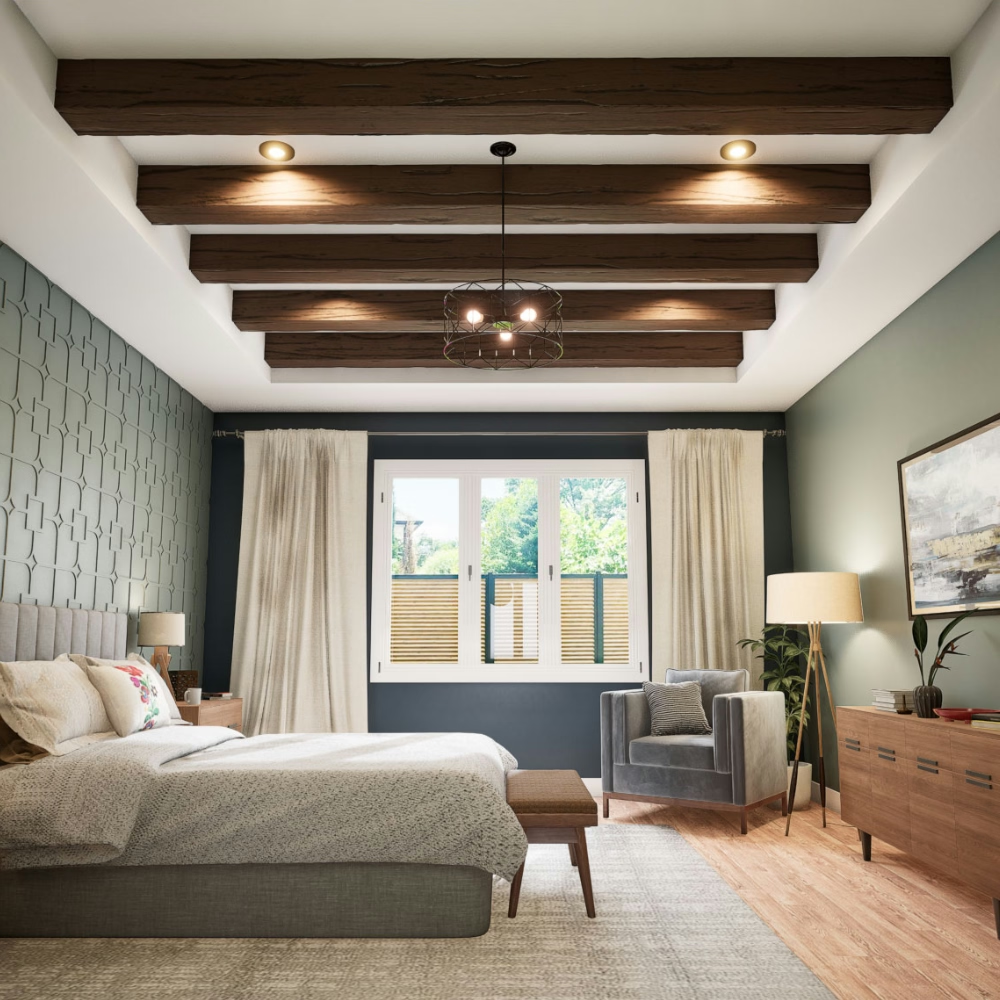
Lighting Design for Teak Beam Display
Proper lighting transforms teak beams from architectural elements into visual experiences. The interplay of light and wood grain reveals texture, depth, and character that ambient illumination alone cannot capture.
Natural daylight provides ideal illumination for teak appreciation. The full spectrum of sunlight reveals the wood's complete color range, emphasizing the interplay of golden, amber, and honey tones that distinguish quality specimens. Position beams where morning or afternoon light grazes surfaces at shallow angles, creating shadows that emphasize grain depth.
Artificial lighting should complement natural patterns rather than fighting them. Warm LED sources (2700K-3000K) enhance teak's natural warmth, while cooler sources may appear harsh or clinical against golden wood tones. Specify lighting color temperature intentionally, ensuring compatibility with beam finishes.
Accent lighting creates drama in key locations. Picture lights above artwork, directional fixtures highlighting architectural features, or concealed uplighting that washes across beam surfaces—each approach creates different effects that serve distinct purposes. Develop lighting design in coordination with beam installation planning.
Elegant Decor Styles and Teak Compatibility
Certain interior styles align naturally with teak aesthetics, while others present more challenging integration. Understanding these relationships guides appropriate beam specification.
Traditional and transitional interiors accommodate teak beams with minimum friction. The classic proportions, established material vocabularies, and comfort-focused design that characterize these styles create natural context for teak's timeless quality. Beams in these settings should emphasize authentic character—natural finishes, classic profiles, and detail work that suggests traditional craftsmanship.
Contemporary and minimalist interiors can incorporate teak successfully, though the relationship requires more deliberate composition. Clean lines and restrained palettes provide background against which teak's organic warmth becomes focal. In these contexts, teak often appears in simpler profiles with minimal detail work, letting the wood's inherent character dominate.
Scandinavian andJaponesqueinfluenced interiors present interesting opportunities. Both traditions value natural materials, craftsmanship, and the honest expression of material qualities. Teak bridges these aesthetics, providing warmth that complements Scandinavian hygge values while satisfying Japonesque appreciation for refined natural materials.
Material Coordination Beyond Wood
Elegant interiors extend beyond wood to incorporate diverse materials—stone, metal, glass, textiles—each contributing unique qualities to the composition. Teak beams should coordinate with these elements thoughtfully.
Stone surfaces create productive contrast with wood textures. The smooth, cool character of marble or polished granite provides visual counterpoint to teak's warmth and grain. Consider stone fireplace surrounds, flooring, or accent walls as complementary elements that enhance rather than compete with beam installations.
Metal details require similar consideration. Brushed brass, warm bronze, and antique gold finishes harmonize naturally with teak's golden tones. Cooler metals—chrome, stainless steel, or nickel—may create uncomfortable contrast unless balanced by other warm elements throughout the composition.
Textiles contribute through upholstery, drapery, and soft furnishings. The organic origins of natural fibers—wool, cotton, linen, silk—create thematic harmony with teak wood. Leather upholstery particularly complements teak beams, with both materials sharing warmth and organic character.
Maintenance of Elegant Spaces
Elegant interiors require maintenance that preserves refined appearance despite daily use. Teak faux beams simplify this challenge, maintaining their character through conditions that would challenge natural wood alternatives.
Dust accumulation affects all ceiling elements, with beams requiring periodic attention to maintain appearance. The textured surfaces that create teak's characteristic grain can collect dust that dulls apparent luster. Regular dusting with soft brushes or microfiber attachments preserves the bright appearance that elegant spaces require.
Spills and splashes require prompt attention regardless of material. While polyurethane resists staining better than natural wood, extended exposure to colored liquids may affect surface appearance. Clean spills quickly using appropriate methods for the specific substance involved.
Professional inspection periodically verifies installation integrity and identifies maintenance needs. Have qualified personnel examine beam mounting, surface condition, and finish quality annually. Address any concerns promptly to prevent escalation.
Long-Term Elegance Preservation
Elegant design should endure rather than date quickly. Material selection significantly influences how well spaces maintain their refined character through changing design trends and evolving tastes.
Quality faux teak beams maintain their appearance for decades without the aging and deterioration that affects natural wood. This longevity supports design integrity, ensuring that spaces remain as elegant years after installation as they appeared initially. The investment protects design vision through time.
Neutral, timeless finish selections age better than trendy treatments. Classic golden teak finishes remain appropriate across design trend cycles, while more distinctive or unusual treatments may feel dated as preferences evolve. When in doubt, err toward the conservative choices that elegant design historically favors.
Investment Value Considerations
Elegant interiors represent significant investments that merit protection through thoughtful material selection. Beam installations should contribute to long-term value rather than creating maintenance burdens or requiring early replacement.
Premium polyurethane products carry initial costs that exceed budget alternatives, but the extended service life typically proves more economical over time. Calculate lifecycle costs including maintenance, repair, and replacement projections when evaluating options.
The aesthetic contribution to property value deserves consideration. Elegant interiors with refined architectural details command premium pricing in real estate markets. Beam installations that enhance perceived quality contribute to this value premium, providing return on investment through enhanced property worth.
Professional Design Consultation
Achieving genuinely elegant results typically requires professional guidance that understands the nuances of refined design. Interior designers with relevant experience can identify opportunities and pitfalls that general practitioners might overlook.
Design professionals bring accumulated knowledge of material relationships, proportion principles, and the subtle details that distinguish elegant spaces from merely decorated ones. Their consultation typically returns value through avoided mistakes and more cohesive results.
Interview potential designers about their experience with teak and other wood-grain materials. Ask specifically about beam installations in comparable projects—successful track records indicate capability, while limited experience may suggest continuing education needs.

Premium elegant decor demands attention to every detail, and ceiling beams contribute significantly to the refined atmosphere that distinguishes exceptional interiors. Teak wood grain polyurethane faux beams provide the combination of beauty, durability, and timeless character that elegant spaces require.
The investment in quality beams returns through lasting elegance that enhances daily living and protects property value. Your elegant interior deserves this level of thoughtful consideration.
Customization for Unique Elegance
Beyond standard offerings, custom fabrication enables bespoke specifications that match distinctive design visions. Explore available options when standard products cannot achieve required results.
Custom finish development creates precisely coordinated colors that integrate seamlessly with existing elements. Provide reference samples during consultation, and manufacturers can develop custom formulations that achieve exact matching.
Unique profile requirements may necessitate custom molding. Whether matching historic details, creating original architectural forms, or adapting to unusual spatial constraints, custom capabilities expand achievable possibilities beyond catalog limitations.
Climate and Environmental Performance
Elegant interiors should maintain their refined character across seasonal variations and environmental conditions. Teak faux beams provide consistent performance that supports this stability.
Temperature and humidity fluctuations affect building materials differently. Natural wood expands and contracts with these changes, potentially creating gaps, checking, or fastener issues. Polyurethane maintains dimensional stability regardless of environmental conditions, preserving installation integrity through years of seasonal variation.
UV exposure in sunlit spaces gradually affects many materials. Quality faux teak products incorporate stabilizers that resist UV degradation, maintaining consistent appearance despite direct sunlight exposure. This resistance proves particularly valuable in spaces with extensive glazing or skylight integration.
Celebrating Teak's Timeless Appeal
The enduring popularity of teak in design contexts reflects something genuine about human preferences and spatial needs. The wood species satisfies aesthetic requirements that newer materials have struggled to replicate.
Teak grain polyurethane faux beams make this timeless appeal accessible to applications where natural wood would prove impractical. The combination of authentic appearance and practical performance enables design objectives that might otherwise remain unachievable.
Consider how teak beams might enhance your elegant interior. The contribution they provide—warmth, character, refined presence—distinguishes exceptional spaces from ordinary ones, supporting the atmosphere that elegant living requires.

Premium elegant decor with teak wood grain polyurethane faux beams represents sophisticated investment in spatial quality. These architectural elements contribute the timeless character and refined presence that distinguishes exceptional interiors, supporting daily life through environments that reward attention and celebration.
Technical References
ASTM standards cited in every specification
Test Data
Lab results from internal testing program
Updated 2026
Reviewed against current product specs


