Home styling transcends furniture arrangement and accessory placement—it encompasses the entire sensory experience of a living space, from visual composition to tactile engagement. Walls, floors, and ceilings all contribute to this experience, yet ceilings often receive the least attention despite occupying the largest visible surface in most rooms. This neglect represents a significant opportunity for homeowners seeking distinctive interiors that reward exploration and provide the "wow" moments that guests remember and discuss.
Textured faux wood beams address ceiling anonymity through tactile architectural detail that engages the eye and suggests crafted attention. The surface texture creates visual depth that transforms flat planes into sculptural elements, while the warmth of wood tones establishes atmosphere that enhances every furnishing choice. In upscale interiors where design excellence is expected, textured beams provide the finishing detail that distinguishes exceptional spaces from merely competent ones.
The Power of Texture in Interior Design
Texture operates powerfully in interior environments, creating visual and tactile interest that prevents spaces from feeling flat or sterile. Contemporary design's frequent emphasis on clean lines and smooth surfaces has created a reaction—designers and homeowners increasingly seek the depth and character that textured materials provide.
Ceiling texture proves particularly impactful because it occupies the visual periphery while viewers focus on furniture, activities, and other room contents. The overhead plane registers subconsciously during normal room use, contributing to atmosphere without demanding direct attention. Textured beams add richness to this peripheral experience, creating subconscious impressions of completeness and quality.
Natural materials communicate differently than synthetic alternatives, even when visual appearance approaches equivalence. The organic irregularity of wood grain, the subtle variations in natural surfaces, and the sense of living material that wood provides create emotional responses that manufactured smoothness cannot match. Textured faux wood beams deliver these qualities through realistic surfaces that capture authentic wood character.
Understanding Textured Beam Surfaces
Quality textured beams achieve their realistic appearance through sophisticated manufacturing processes that layer texture and color in ways that mimic natural wood's complexity.
Surface texturing begins with detailed mold-making from authentic wood samples. Craftspeople select exemplary specimens, preparing surfaces to highlight characteristic details while preserving natural variation. High-quality silicone molds capture every nuance—the fine grain lines, the occasional knot, the subtle undulations that distinguish real wood from mechanical imitation.
Premium beam textures combine multiple surface qualities. Deep grain patterns provide macro texture visible from normal viewing distances, while fine surface detail rewards close inspection. This layered approach creates depth that reads at multiple scales, satisfying casual glances and deliberate examination equally.
The finish application contributes additional texture through color variation and surface treatment. Hand-applied glazes settle into textured recesses, creating the color stratification that natural wood develops through aging. This finishing attention distinguishes premium products from alternatives that rely solely on molded texture.
Selecting Appropriate Textures
Different texture styles serve different design contexts, and appropriate selection depends on architectural style, existing material palette, and desired atmosphere.
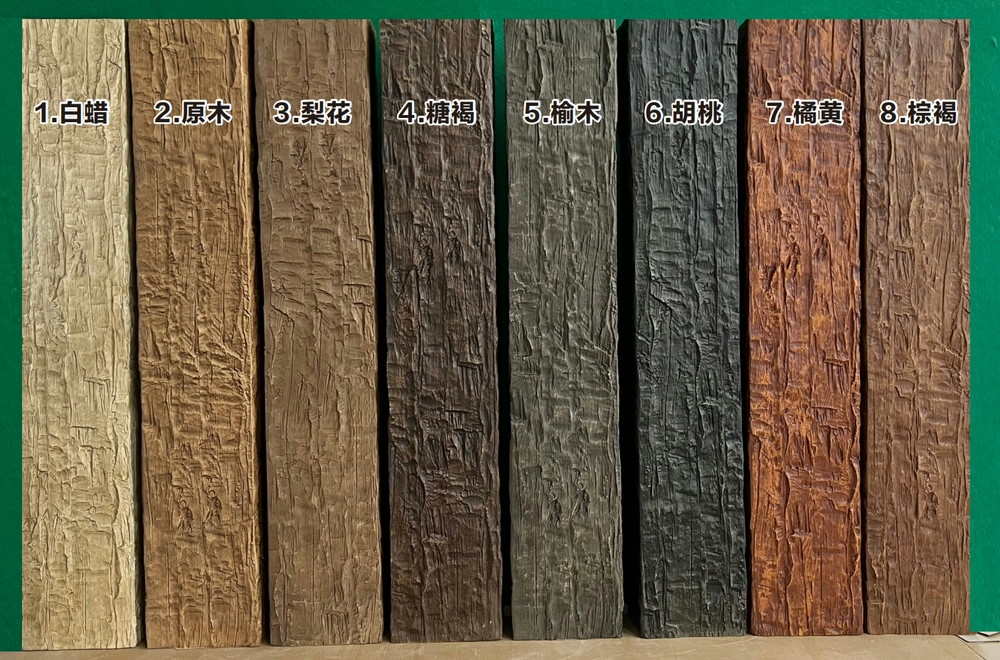
Rustic textures feature pronounced grain patterns with deep shadow lines and significant surface variation. Knots, checks, and weathered character contribute to an aged appearance that suggests centuries of service. These textures suit traditional interiors, farmhouse aesthetics, and spaces seeking comfortable informality.
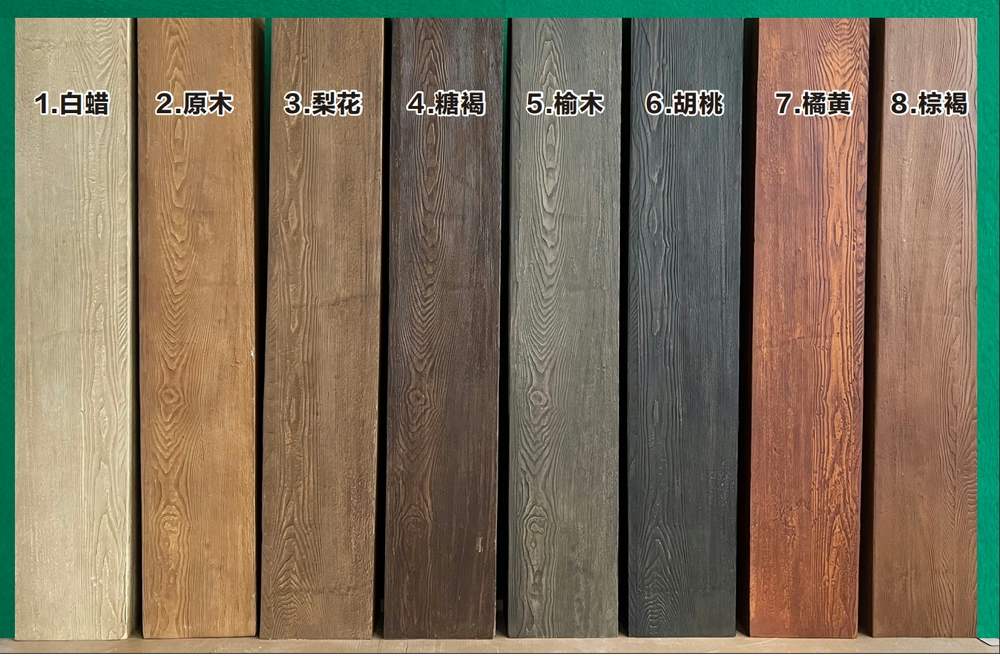
Refined textures present more subtle grain patterns with shallower relief and smoother overall surfaces. The character is present but restrained, providing visual interest without overwhelming contemporary settings. These textures serve modern and transitional interiors that benefit from warmth without period associations.
Heavy distressing creates the appearance of deliberately aged surfaces—edge wear, surface dents, and localized patina that accelerate the natural aging process. These treatments suit vintage-inspired interiors and spaces seeking the character that time naturally develops.
Integration with Contemporary Interiors
Contemporary design emphasizes clean lines, minimal ornamentation, and the honest expression of materials. Textured beams might seem to conflict with these principles, yet thoughtful specification integrates wood texture successfully into contemporary contexts.
Scale and proportion become critical in contemporary applications. Lighter beam profiles with subtler textures create warmth without disrupting the geometric precision that defines contemporary aesthetics. The goal is enhancement rather than transformation—adding comfort without sacrificing clarity.
Finish selection also influences contemporary compatibility. Dark stains and painted finishes reduce the organic character that reads as rustic, creating beams that contribute architectural structure without obvious wood associations. These treatments allow texture to read as surface quality rather than material declaration.
Consider the relationship between beam texture and other room surfaces. Smooth wall finishes provide contrast that prevents texture overload, while already-textured walls may suggest more restrained beam treatment. Balance visual complexity across all surfaces, ensuring that the total texture budget doesn't overwhelm spatial composition.
Textured Beams in Traditional Settings
Traditional interiors provide natural context for textured wood beams, with period-appropriate aesthetics supporting substantial texture presence. The challenge lies in achieving authenticity rather than appearing as obvious imitation.
Match texture character to the traditional style in question. Colonial interiors might feature simpler, straighter grain patterns reflecting the white oak and chestnut common in early American construction. Victorian spaces could showcase more dramatic figuring with deeper shadows and more pronounced character marks. Research specific period references before specifying texture styles.
Finish treatment supports traditional authenticity through appropriate color development. Period-appropriate finishes might include paint finishes popular during specific eras, natural oil finishes that were commonly available, or shellac-based coatings that characterized certain traditional applications. Match finish to the historical context rather than defaulting to contemporary stain palettes.
Hardware and attachment details contribute to traditional authenticity. Exposed joinery, through-bolts, and visible iron straps suggest the practical joinery of historic timber construction. These details require careful execution to avoid appearing theatrical, but well-executed traditional hardware creates convincing period atmosphere.
Room-by-Room Application Guide
Different rooms present distinct requirements for beam specification, and thoughtful selection matches texture characteristics to functional contexts.
Living rooms and great rooms typically accommodate the most substantial texture treatment. These gathering spaces benefit from the warmth and visual interest that textured beams provide, establishing atmosphere that encourages lingering and conversation. Consider the furniture scale when selecting texture intensity—heavier, more substantial textures complement larger furniture pieces.
Bedrooms require more restrained treatment that supports rest rather than stimulation. Subtle textures create warmth and character without providing the visual complexity that interferes with relaxation. Consider lower ceilings in bedroom applications, where reduced scale demands correspondingly refined texture selection.
Kitchens present challenging conditions for textured surfaces. Grease, moisture, and temperature fluctuation affect ceiling elements near cooking activities. Textured surfaces may collect dust and grease residue more readily than smooth alternatives, requiring more frequent cleaning. Consider easier-clean configurations in kitchen applications.
Lighting Enhancement of Texture
Proper lighting reveals texture character, while poor lighting conceals or distorts surface qualities that distinguish quality products.
Side lighting at shallow angles emphasizes surface relief, creating shadows in grain recesses that define texture depth. This grazing illumination reveals the three-dimensional quality that distinguishes textured beams from flat painted surfaces. Position lighting to create these shadow patterns during primary viewing hours.
Overhead lighting tends to flatten texture appearance, reducing the depth that side lighting emphasizes. Supplement general illumination with accent lighting positioned to graze beam surfaces. The combination provides both functional visibility and textured character appreciation.
Natural daylight provides ideal texture revelation, with full-spectrum illumination revealing complete color range and surface detail. The moving light patterns that sunlight creates throughout the day animate textured surfaces, preventing static appearance even in unmoving spaces.
Maintenance of Textured Surfaces
Textured surfaces present different maintenance requirements than smooth alternatives, and understanding these differences ensures appropriate care.
Dust accumulates in texture recesses, dulling apparent luster over time. The textured surface that initially appears vibrant may gradually become less apparent as dust settles into grain lines. More frequent dusting than smooth surfaces require maintains the intended appearance.
Cleaning methods should respect textured surfaces without damaging them. Soft brushes reach into recesses without abrading surfaces, while pressure washing or aggressive scrubbing may damage texture definition. Test cleaning methods on inconspicuous areas before applying to visible beam surfaces.
Professional cleaning may prove necessary for accumulated grime that household methods cannot address. Specialists understand appropriate products and techniques for different texture types, providing thorough cleaning without damage risk.
Cost and Value Considerations
Textured beams typically cost more than smooth alternatives due to the additional manufacturing steps required for surface detail. This premium proves worthwhile when texture contributes meaningfully to spatial design.
Budget allocation should prioritize textured beams in locations where they receive maximum visual attention. Living rooms, dining rooms, and other primary spaces justify premium texture treatment, while secondary locations might use simpler products that establish consistency without maximum investment.
Lifecycle value considerations favor quality textured beams. The additional manufacturing investment produces surfaces that maintain appearance through extended service, avoiding the texture degradation that affects lesser products. This durability protects the initial investment through years of maintained quality.
Installation Considerations
Textured beam installation requires additional attention beyond standard beam mounting. The surface detail must be protected during handling and positioned to maximize visual impact.
Installers should handle textured beams with care that prevents surface damage during transport and mounting. Textured surfaces can be abraded or dented by rough handling, compromising the appearance that justifies premium pricing. Inspect beams upon delivery and during installation for any damage.
Position textured beams to maximize visibility of surface detail. Side walls often provide better texture viewing than end-on approaches, and beams positioned under windows receive natural side lighting that reveals texture character. Consider sight lines when planning beam placement.
Seam treatment requires particular attention in textured installations. Joints between beam sections must align texture patterns convincingly, or the discontinuity will appear obvious. Professional installers understand how to match textures across seams for seamless appearance.
Combining Texture with Other Wood Elements
Textured beams should relate to other wood elements in the space through intentional coordination rather than random accumulation.
Flooring texture provides natural context for ceiling beam texture. Wood floors with pronounced grain patterns suggest correspondingly textured ceiling beams, creating material continuity that ties rooms together. Stone or tile floors accommodate more subtle ceiling textures without creating texture overload.
Furniture wood elements should complement rather than compete with ceiling texture. If furniture features strong grain patterns, ceiling texture might be reduced to prevent visual competition. Alternatively, furniture with subtle texture might benefit from stronger ceiling treatment that provides the visual interest furniture lacks.
Wall paneling and millwork introduce additional texture into the material palette. Coordinate ceiling texture with these elements, balancing overall texture presence across all room surfaces. The goal is deliberate composition where each textured element contributes purposefully.

Upscale home styling benefits significantly from the tactile character that textured faux wood beams provide. These architectural elements transform anonymous ceilings into engaging surfaces that reward attention and create atmosphere through visual depth and organic warmth.
The investment in quality textured beams returns through enhanced daily living and the distinctive character that distinguishes exceptional interiors. Your home deserves this level of architectural attention.
Custom Texture Development
Beyond standard texture offerings, custom texture development creates unique surface qualities that match specific design visions.
Custom mold-making can capture texture from existing architectural elements, enabling perfect coordination between beams and millwork. Provide reference samples during consultation to ensure accurate texture matching.
Hand-textured finishes add additional character beyond what molding alone achieves. Skilled craftspeople can modify molded surfaces through cutting, burning, or other techniques that create unique surface qualities impossible through mechanical production.
Durability and Longevity
Quality textured beams maintain their surface qualities through extended service periods, protecting the design investment from texture degradation.
Premium polyurethane formulations resist impact damage that might mar textured surfaces. The resilience that characterizes the material absorbs contact that would dent or scratch natural wood, maintaining texture integrity through busy household activity.
UV exposure affects some textured products through surface degradation that smooths texture definition over time. Quality products incorporate stabilizers that resist this degradation, maintaining crisp texture definition despite years of sunlight exposure.
Design Inspiration and Style Direction
Finding the right textured beam specification benefits from design exploration that identifies appropriate direction before committing to specific products.
Study design publications, both print and digital, for examples of successful textured beam installations. Note which texture styles appeal most strongly, and identify the contextual elements that make those installations successful. Use this research to develop initial direction for your own specification.
Work with design professionals who bring experience from comparable projects. Their accumulated knowledge of what works—and what fails—provides valuable guidance that prevents specification errors and ensures satisfying results.
Consider the emotional response that different textures create. Rustic textures evoke comfort, history, and connection to craft traditions. Refined textures suggest sophistication, quality, and attention to detail. Choose textures that align with the emotional objectives your home should achieve.

Luxury textured polyurethane faux wood beams offer compelling opportunities for upscale home styling, adding the tactile character and visual depth that distinguishes exceptional interiors. The combination of realistic texture, practical durability, and straightforward maintenance makes these products attractive for discerning homeowners.
Consider how textured beams might enhance your home's architectural quality. The contribution they provide—depth, warmth, crafted presence—transforms ordinary spaces into environments worthy of the designation "upscale."
Technical References
ASTM standards cited in every specification
Test Data
Lab results from internal testing program
Updated 2026
Reviewed against current product specs


