Exotic interior styling draws from diverse cultural traditions and environmental contexts, creating spaces that transport occupants to destinations beyond their geographic location. Whether referencing Southeast Asian pavilions, Polynesian beach bungalows, or Caribbean plantation houses, exotic interiors share common qualities: warm materials, natural textures, generous ventilation, and the sense of leisurely enjoyment that vacation memories provide. The ceiling plane contributes significantly to this atmospheric creation, and tropical teak finish beams offer the perfect vehicle for achieving island-inspired warmth without the maintenance demands of authentic tropical timber.
The Allure of Tropical Aesthetics
Tropical design aesthetics have captivated design enthusiasts for generations, with the appeal intensifying as global connectivity makes exotic destinations more accessible. The association between tropical settings and relaxation, escape, and premium leisure experiences drives demand for tropical elements in residential and commercial spaces far from actual tropical climates.
This aspirational quality distinguishes tropical styling from other design vocabularies. Unlike traditional period styles that reference specific historical eras or geographic regions, tropical aesthetics draw from an idealized composite—memories and photographs of paradise, resort brochures, and romantic imagination. The resulting design language emphasizes the sensory qualities of tropical experience: warm sunlight, ocean breezes, natural materials, and unhurried comfort.
Ceiling beams contribute to this tropical fantasy through material selection and finish character. The species traditionally used in tropical construction—teak, mahogany, bamboo—carries cultural associations that transcend mere appearance. When rendered in durable polyurethane, these traditional aesthetics become accessible to applications where natural materials would prove impractical.
Tropical Teak's Distinctive Qualities
Teak has served tropical construction for centuries, with the wood species native to Asian forests and cultivated in plantations throughout tropical regions. Its natural oils provide resistance to moisture, insects, and decay that makes it exceptionally suited to humid environments where other species would struggle. These same qualities contribute to the wood's distinctive appearance—warm golden tones that deepen through amber to rich honey-brown as the wood ages.
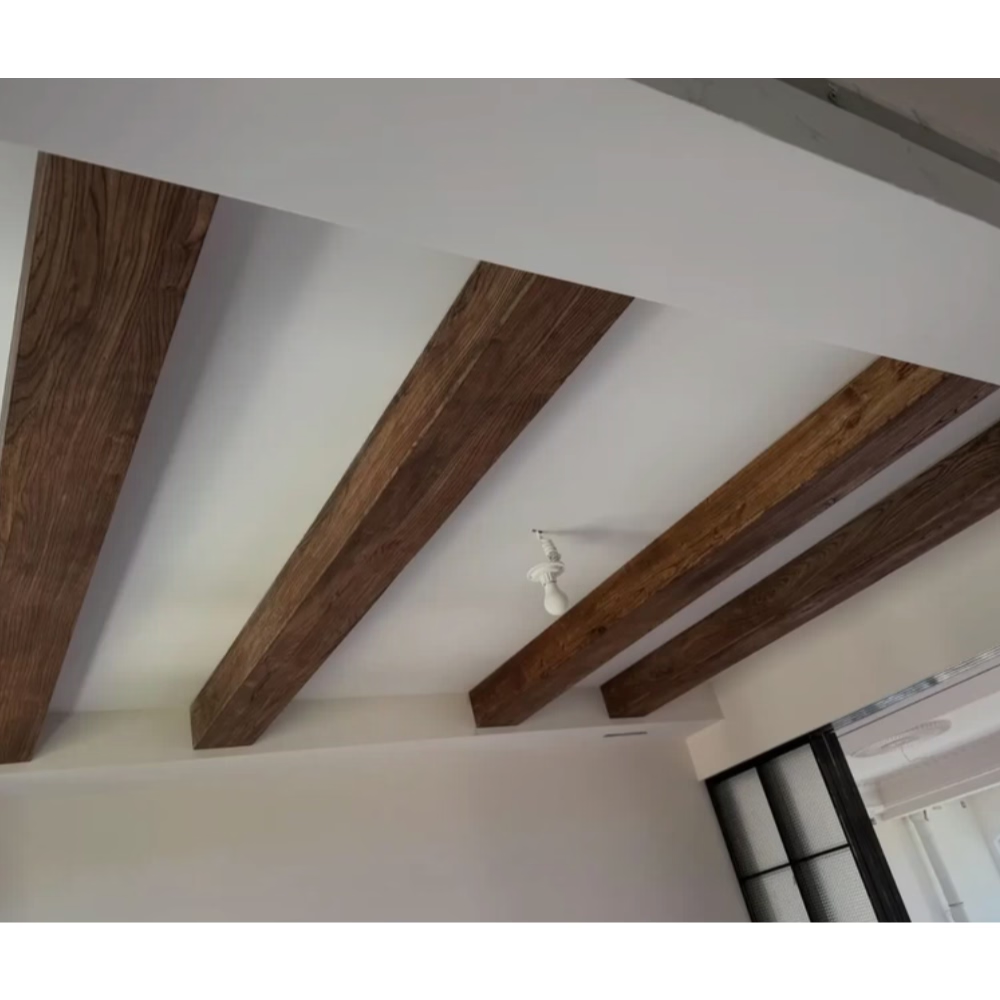
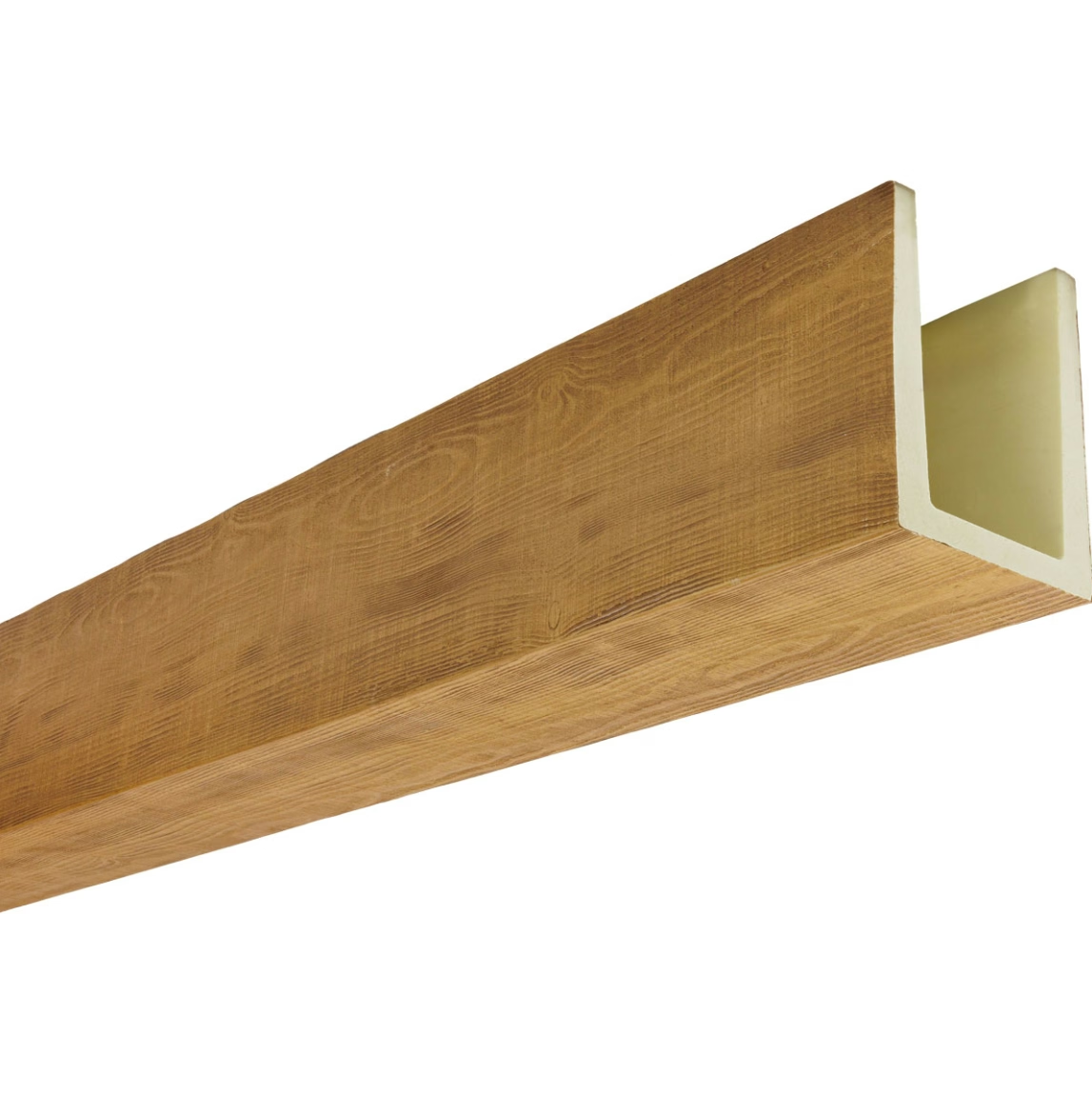
The grain patterns in tropical teak display characteristic qualities that distinguish them from temperate species. Subtle rippling, occasional dark streaks, and the interplay of golden and amber tones create visual complexity that rewards attention. This grain character becomes particularly important when beams will be viewed at close range or illuminated dramatically.
Finish treatment for tropical teak emphasizes these natural qualities rather than obscuring them. Clear finishes that preserve and enhance natural color, perhaps with subtle amber undertones that warm the overall tone, create the characteristic tropical teak appearance. The goal is celebration of natural wood qualities rather than the uniform coloration that lesser materials provide.
Creating Island-Inspired Atmosphere
Island-inspired interiors balance openness with enclosure, creating spaces that feel connected to nature while providing necessary shelter from sun and weather. Ceiling beams contribute to this balance through their relationship with other spatial elements.
Consider the integration between indoor and outdoor spaces that characterizes tropical architecture. Covered lanais, open-air pavilions, and transitional spaces blur the boundaries between inside and outside. Beams in these applications should transition seamlessly from interior to exterior contexts, maintaining visual continuity across threshold boundaries.
Ventilation considerations influence beam specification in tropical applications. Traditional tropical buildings featured open construction that allowed air circulation through beam spacing and roof geometry. Contemporary interpretations can reference this openness through beam configurations that suggest ventilation without compromising climate control requirements.
Color Palettes for Tropical Interiors
Tropical color schemes typically emphasize warm neutrals punctuated by saturated accent colors drawn from ocean, foliage, and sunset palettes. Beam finishes should coordinate with these palettes while providing grounding warmth that prevents spaces from feeling too airy or insubstantial.
Warm neutral backgrounds—cream, ecru, soft sand tones—provide ideal context for tropical teak beams. These backgrounds create the bright, open feeling characteristic of tropical architecture while allowing wood warmth to provide visual anchoring. The combination suggests sunlight-filtered interiors where natural materials dominate.
Accent colors might include turquoise for ocean references, coral for sunset warmth, or lush greens for tropical foliage. These saturated colors work best as relatively small elements—throw pillows, artwork, decorative objects—rather than dominant wall colors that would compete with beam warmth.
Natural material palettes complement tropical teak beautifully. Rattan, bamboo, woven seagrass, and other plant fibers create material harmony with wood textures. Consider incorporating these materials throughout the space—in furniture, lighting fixtures, decorative accessories—to reinforce tropical character beyond the beam installation.
Materials Coordination
Tropical interiors typically feature diverse natural materials that create richness through material variety. Beam selection should contribute to this material complexity while maintaining visual coherence.
Stone surfaces—travertine, limestone, coral stone—create productive contrast with tropical teak warmth. The cool, smooth character of stone provides visual counterpoint that prevents wood warmth from overwhelming the composition. Consider stone accent walls, flooring, or fireplace surrounds as complementary elements.
Metal accents in tropical settings often feature warm tones—antique brass, aged bronze, hammered copper. These metals harmonize with teak's golden warmth better than cool metals like chrome or stainless steel. Look for opportunities to incorporate warm metal details through lighting fixtures, hardware, or decorative elements.
Textiles play crucial roles in tropical interiors. Natural fibers—cotton, linen, jute, sisal—provide textural variety while maintaining the organic character that tropical design emphasizes. Consider woven wall hangings, natural fiber area rugs, and cotton-upholstered furniture that complement beam warmth.
Regional Variations in Tropical Style
Tropical design encompasses diverse regional expressions, each with distinctive characteristics that beam specification should honor. Understanding these variations enables appropriate selection for specific stylistic objectives.
Southeast Asian tropical design features clean lines with occasional decorative elaboration. Vietnamese, Thai, and Indonesian influences emphasize craftsmanship and natural material authenticity. Beams in these contexts might feature simpler profiles with rich finish treatment, reflecting the refined aesthetic of these traditions.
Polynesian and Hawaiian styles embrace more robust character with heavier timber elements and woven accent details. The distinctive "tiki" aesthetic incorporates carved details and dramatic proportions. Beams might be more substantial, with decorative end treatments or integrated lighting features.
Caribbean and Floribbean styles blend tropical informality with colonial influences. Plantation houses, beach cottages, and resort architecture share characteristics of relaxed elegance and natural material emphasis. Beams should feel substantial but welcoming, suggesting comfort rather than formal grandeur.
Application in Different Room Types
Tropical beam treatment adapts to different room functions while maintaining stylistic consistency.
Living rooms and great rooms accommodate the most generous beam treatment, with substantial beams establishing the tropical character that subsequent furnishing choices will complement. Consider exposed beam configurations that maximize wood presence overhead.
Bedrooms in tropical style should emphasize relaxation and escape. Beams might be lighter or fewer in number, providing warmth without the dramatic presence appropriate to gathering spaces. Consider how bedroom beams interact with bed canopy potential—beams positioned to support draped fabric create the resort-suite atmosphere that tropical bedrooms seek.
Kitchens and bathrooms present more demanding conditions for tropical beams. Heat, moisture, and cooking-related substances affect ceiling elements in ways that require consideration. Premium polyurethane handles these conditions without the maintenance demands that natural wood would require in equivalent applications.
Lighting for Tropical Atmosphere
Tropical lighting design emphasizes warmth and naturalness, creating the sun-dappled atmosphere that tropical interiors reference.
Natural light should penetrate generously, with windows and openings positioned to admit light while managing heat gain. Beam configurations should not obstruct natural light distribution excessively, balancing privacy and illumination needs.
Warm artificial lighting complements tropical aesthetics. Sources in the 2700K-3000K range provide the golden illumination that enhances wood warmth while creating inviting evening atmosphere. Avoid cooler sources that might create uncomfortable contrast with the tropical warmth aesthetic.
Decorative tropical lighting—bamboo pendants, rattan fixtures, woven shade sconces—reinforces the tropical character established by beam installation. Consider how lighting fixtures will coordinate with beam placement, ensuring that elements work together rather than creating visual competition.
Outdoor and Transitional Applications
Tropical interiors often extend to outdoor and transitional spaces where traditional wood faces significant challenges. Polyurethane faux beams handle these applications with characteristic reliability.
Covered outdoor rooms—lanais, poolside pavilions, outdoor kitchens—benefit from beam treatment that maintains visual continuity with adjacent interior spaces. Premium polyurethane products resist UV exposure, moisture, and temperature fluctuation better than natural wood alternatives.
Pool environments present particular challenges due to chlorinated water exposure and high humidity. Natural wood deteriorates rapidly in these conditions despite treatment. Polyurethane maintains appearance indefinitely, making it ideal for poolside beams, pool house ceilings, and other wet-area applications.
Maintenance for Tropical Living
Tropical interiors should maintain their exotic character through minimal maintenance intervention. Polyurethane faux beams support this objective through their exceptional durability.
Regular dusting removes the accumulated particles that dull apparent luster. The textured surfaces characteristic of tropical teak finishes may collect dust more readily than smooth alternatives, requiring slightly more frequent attention.
Moisture resistance proves particularly valuable in humid tropical applications. Unlike natural wood that may swell, warp, or develop mold in humid conditions, polyurethane maintains dimensional stability and appearance regardless of humidity levels.
Cost Considerations for Tropical Beam Projects
Tropical teak finish beams typically represent moderate investment, with premium products commanding higher prices based on finish quality and surface detail. Budget planning should account for total project costs rather than unit pricing alone.
Installation costs may vary based on configuration complexity and site conditions. Open-beam installations with substantial spans require more careful engineering than simple surface-mounted applications.
Lifecycle cost analysis favors quality polyurethane products despite higher initial investment. The extended service life and minimal maintenance requirements reduce total cost of ownership compared to alternatives requiring more frequent attention.
Custom Tropical Finishing
Beyond standard tropical teak offerings, custom finishing enables precise coordination with specific design visions.
Custom color development creates exactly matched finishes that integrate seamlessly with existing materials. Provide reference samples during consultation to ensure accurate color development.
Hand-finishing techniques add depth and character that mechanical application cannot achieve. Layered glazes, rub-through effects, and other artisanal treatments create finishes with the complexity that distinguishes exceptional interiors.
Tropical Design Accessories
Beam installation should be accompanied by complementary accessories that reinforce tropical character throughout the space.
Bamboo and rattan accents provide natural material variety that complements wood beams. Consider bamboo-framed mirrors, rattan pendant fixtures, or woven wall decorations that incorporate these materials.
Tropical plants—palm varieties, bird of paradise, philodendrons—bring living greenery that enhances tropical atmosphere. The organic quality of living plants harmonizes with wood textures while providing the connection to nature that tropical design emphasizes.
Art and artifacts from tropical regions add cultural authenticity when thoughtfully integrated. Avoid overwhelming collections that clutter spaces; instead, select meaningful pieces that contribute character without chaos.

Exotic interior styling with tropical teak finish polyurethane faux beams creates distinctive spaces that transport occupants beyond ordinary experience. The warm golden tones, natural grain patterns, and tropical associations combine to produce atmospheres of relaxed luxury that distinguish exceptional interiors.
The practical advantages—moisture resistance, UV stability, maintenance simplicity—ensure that tropical aesthetics endure through years of service without demanding constant attention. Your space deserves this level of exotic elegance.
Longevity and Durability
Quality tropical teak finish beams maintain their appearance through extended service periods, protecting your design investment from the deterioration that affects natural wood alternatives.
Premium polyurethane formulations resist impact damage, moisture absorption, and UV degradation that would compromise lesser materials. This durability translates to maintained tropical character that endures rather than fades.
Warranty coverage from established manufacturers provides additional confidence in long-term performance. Verify coverage terms and manufacturer support availability when specifying products.
Design Professional Collaboration
Achieving authentic tropical character typically benefits from professional guidance that understands the nuances of exotic styling.
Design professionals with tropical project experience bring knowledge of appropriate materials, color palettes, and spatial approaches that support successful implementation. Their consultation investment typically returns through avoided mistakes and more cohesive results.
Request portfolios demonstrating tropical project work, and ask specifically about beam specification and integration approaches. Successful track records indicate capability, while limited relevant experience may suggest seeking alternatives.
Embracing Tropical Living
Tropical teak finish beams offer more than aesthetic enhancement—they provide daily reminders of escape, relaxation, and the leisurely pleasure that tropical destinations represent. Whether you live miles from the nearest ocean or simply seek to incorporate tropical warmth into your interior environment, these beams create atmosphere that supports the lifestyle you aspire to maintain.
Consider how tropical styling might enhance your living spaces. The investment returns through daily enjoyment of environments that feel like perpetual vacation, spaces where the stress of ordinary life seems naturally to dissolve.

Luxury tropical teak finish polyurethane faux beams represent sophisticated investment in exotic interior styling. These architectural elements create the warmth, character, and island-inspired atmosphere that distinguishes exceptional spaces, supporting the relaxed luxury that tropical design seeks to achieve.
Technical References
ASTM standards cited in every specification
Test Data
Lab results from internal testing program
Updated 2026
Reviewed against current product specs


