Venetian plaster and wood beams represent two of the oldest decorative treatments in architectural history, each with roots stretching back to ancient Mediterranean civilizations. Their combination creates interiors of unmistakable sophistication—smooth, luminous walls contrasting with textured, warm ceiling elements. The interplay between these materials has decorated palaces, villas, and grand estates for millennia, and the pairing remains compelling in contemporary applications where its timeless quality provides welcome respite from trendy but temporary design movements.
Modern polyurethane technology has transformed this classic combination from the exclusive province of historic buildings to accessible luxury for contemporary construction. Faux beams that convincingly replicate wood appearance now complement Venetian plaster installations in spaces where genuine timber would prove impractical—where ceiling structures cannot support the weight, where humidity would damage natural wood, or where maintenance requirements exceed practical possibilities.
Understanding Venetian Plaster
Venetian plaster derives its name and much of its technique from the craftsmanship traditions of Venice, where artisans developed methods for applying lime-based finishes that mimicked the appearance of carved stone at fraction of the cost. The technique spread throughout the Mediterranean world, adapting to local materials and aesthetic preferences while maintaining core principles of layered application and burnished finish.
Traditional Venetian plaster consists primarily of lime putty, sometimes combined with marble dust or other aggregates that add texture and depth. Application occurs in multiple thin layers, with each coat allowed to partially cure before the next receives application. The characteristic smooth, slightly translucent appearance results from the burnishing process that compresses and polishes the final surface.
Contemporary Venetian plaster encompasses broader interpretation, including synthetic alternatives that achieve similar appearances through polymer-modified formulations. These modern products offer advantages in application ease and consistency while maintaining the essential aesthetic qualities that distinguish Venetian plaster from ordinary painted surfaces.
The Aesthetic of Material Contrast
The appeal of pairing Venetian plaster walls with wood beams derives from the dramatic material contrast between these treatments. Smooth versus textured, cool versus warm, matte versus semi-gloss—these oppositions create visual interest through variety while maintaining organic unity through shared origins in natural materials.
Venetian plaster's smooth surface provides visual rest that allows wood beam texture to command attention. The eye naturally moves from complex surfaces to simpler ones, creating a viewing rhythm that draws attention to architectural details without overwhelming the composition. This relationship works in reverse as well—wood beams provide visual complexity that prevents smooth plaster walls from appearing flat or institutional.
The color relationship between these materials offers additional design opportunity. Venetian plaster in warm neutrals—cream, ecru, soft stone—harmonizes naturally with wood beam tones, creating cohesive atmosphere. Cool-toned plaster in grays or blues creates productive contrast that some designers favor, though the relationship requires more careful composition to avoid discord.
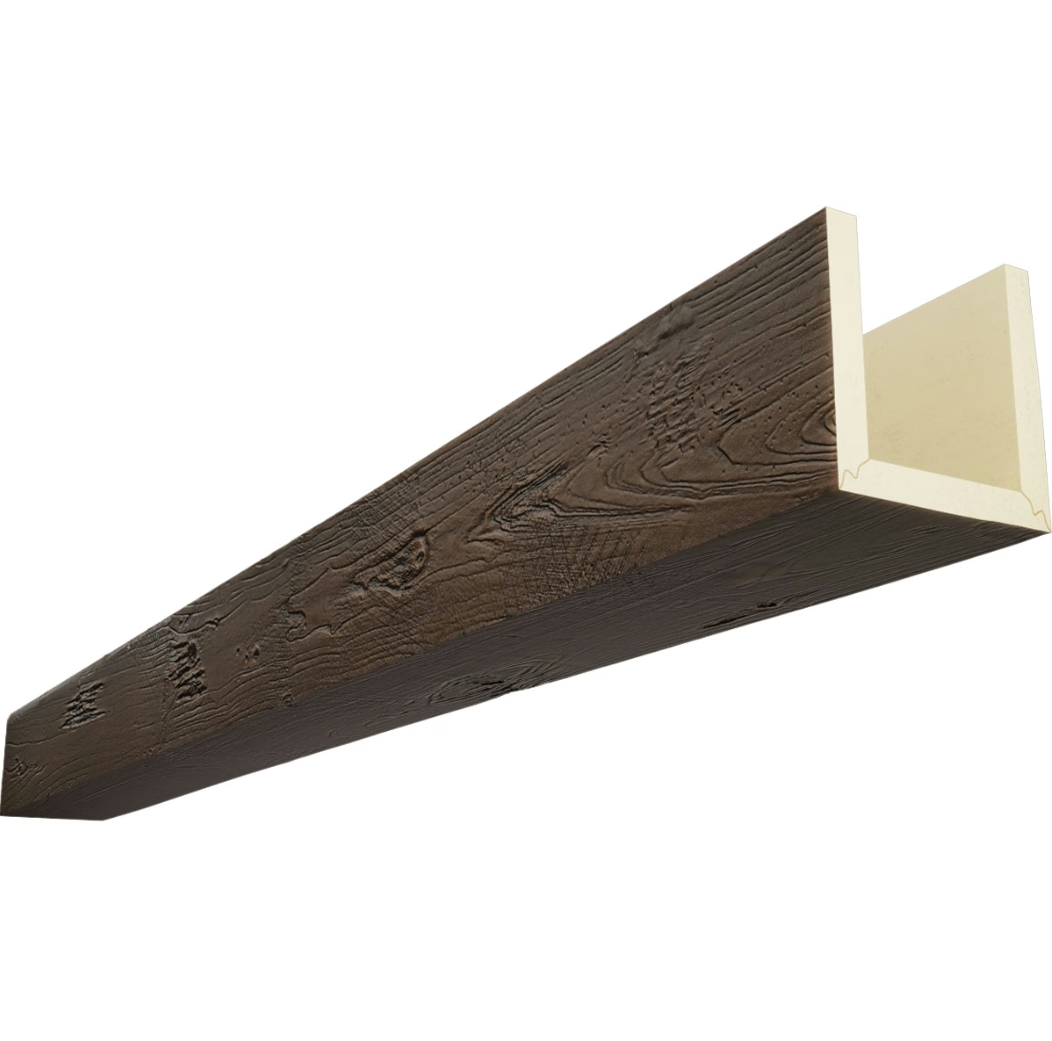
Selecting Appropriate Beam Styles
Beam selection for Venetian plaster pairings should honor the refined character of smooth wall finishes while providing sufficient contrast to justify the combination.
Profile selection significantly affects the relationship between beams and plaster walls. Simpler profiles with clean lines complement refined plaster applications, creating visual harmony between ceiling and wall treatments. Elaborate beam profiles with excessive corbels or decorative details may compete with plaster rather than complementing it, creating visual competition that undermines both materials.
Finish selection should coordinate with plaster color while providing sufficient contrast for visual distinction. If plaster features warm tones, beam finishes in complementary warmth maintain cohesion. Lighter beam finishes against darker plaster create the contrast that prevents visual merging, while darker beams against lighter plaster establish grounding weight.
Texture consideration requires attention in pairings with smooth plaster. Highly textured wood grain provides necessary contrast to smooth wall surfaces, while subtle wood texture might disappear against refined plaster. Seek texture levels that create productive visual dialogue between surfaces.
Color Coordination Strategies
The color relationship between Venetian plaster and wood beams determines much of the pairing's success. Careful coordination ensures cohesive results that honor both materials.
Warm plaster tones in cream, ecru, or soft stone create natural context for wood beams. The shared warmth establishes organic unity that prevents the jarring contrast that mismatched temperatures produce. In these contexts, beam selection can emphasize wood character without concern for tonal compatibility.
Neutral plaster in greige—gray-beige combinations—provides flexible background for wood beams across various finish intensities. The flexibility allows beam selection based on other considerations without担心 color coordination. Warm or cool beam tones work equally well, depending on overall design objectives.
Cool plaster tones in gray or blue families require more careful beam selection. Warm wood tones create productive contrast that prevents monotone coolness, while cool wood tones might create uncomfortable similarity. Evaluate the specific cool tones involved—some grays read as warmer than others, affecting appropriate beam selection.
Application in Different Spaces
The plaster-and-beam combination adapts to various spatial contexts while maintaining its characteristic sophistication.
Living rooms and great rooms accommodate generous beam treatment with extensive plaster wall coverage. The formal atmosphere these materials create suits gathering spaces where refined environment enhances social interaction. Consider the relationship between beam scale and room proportions, ensuring appropriate visual weight.
Bedrooms benefit from the refined character these materials provide, though the combination may feel too formal for intimate sleeping spaces depending on overall design objectives. If formality aligns with bedroom character goals, the pairing works beautifully; if casual comfort is preferred, more restrained treatment may prove appropriate.
Dining rooms and formal entertaining spaces provide ideal context for plaster-and-beam combinations. The sophisticated atmosphere supports the elevated experience that special occasions deserve. Consider how lighting will interact with smooth plaster surfaces, creating the luminous quality that distinguishes Venetian plaster from painted alternatives.
Finish Considerations for Plaster Pairings
Venetian plaster finishes vary significantly in their final appearance, and beam selection should account for these variations.
Matte plaster surfaces provide understated elegance that pairs well with beams featuring subtle finishes. High-gloss plaster demands more refined beam treatment that won't compete for attention. The sheen relationship between wall and ceiling surfaces should be considered during specification.
Textured plaster introduces additional complexity when pairing with wood beams. Subtle texture works well with pronounced beam texture, creating layered complexity. Heavy texture may compete with beam texture, suggesting either smoother beam treatment or alternative wall treatment altogether.
Custom plaster colors enable precise coordination with beam finishes. Work with plaster applicators to develop colors that complement rather than clash with beam treatments. This customization ensures perfect coordination that standard colors might not achieve.
Lighting Design for Plaster and Beam Combinations
Proper lighting reveals the qualities that make plaster-and-beam combinations compelling, emphasizing the material contrast that distinguishes these treatments.
Plaster surfaces respond beautifully to grazing light that emphasizes their smooth, layered character. Low-angle illumination reveals the subtle depth that distinguishes quality plaster application from ordinary painted surfaces. Position lighting to create these shadow patterns during primary viewing hours.
Beam surfaces benefit from illumination that emphasizes wood grain texture without creating harsh shadows. Different lighting angles produce different effects—side lighting creates pronounced shadow in grain recesses, while more frontal illumination provides even illumination that reveals color without dramatic texture.
Coordinate lighting design to serve both materials simultaneously where possible. When conflicts arise, prioritize the material receiving more visual attention or contributing more significantly to overall atmosphere.
Installation Sequencing
Proper installation sequence for plaster-and-beam combinations ensures each material receives appropriate attention and protection.
Venetian plaster application typically precedes beam installation, allowing plasterers complete access to wall surfaces without obstruction. The smooth, delicate plaster surface should cure adequately before beams are mounted, preventing damage from installation activities.
Beam mounting must protect finished plaster from damage. Installers should use care to prevent impact to plaster surfaces, and any dust or debris from beam work should be cleaned without abrasive methods that might scratch plaster finish.
Paint and finish work after beam installation should protect plaster surfaces from overspray or splatter. Masking and careful technique prevent damage to finished plaster that would require costly repair.
Maintenance Considerations
Venetian plaster and wood beams each have maintenance requirements that should be understood and planned for.
Plaster maintenance depends on finish type and texture level. Smooth plaster may be cleaned with soft damp cloths, while textured variations might require more careful cleaning that avoids excessive moisture penetration. Avoid abrasive cleaners that might damage the plaster surface.
Wood beam maintenance benefits from polyurethane's practical advantages. Unlike natural wood, polyurethane beams require no periodic refinishing or sealing. Simple dusting and occasional cleaning maintain appearance indefinitely.
Coordinate maintenance routines to address both materials efficiently. Plan cleaning schedules that consider both wall and ceiling elements, ensuring consistent care that maintains the refined appearance these materials create.
Commercial Applications
The plaster-and-beam combination serves commercial applications particularly well, where sophisticated appearance supports premium positioning and brand image.
Hospitality spaces—lobby areas, restaurants, private clubs—benefit from the refined character these materials provide. The timeless quality ensures that spaces don't date quickly, protecting design investment through extended service periods.
Executive offices and professional suites use plaster-and-beam combinations to establish sophisticated atmosphere that supports business objectives. The material combination communicates success and attention to quality that impresses clients and employees alike.
Retail environments featuring these materials create memorable shopping experiences that differentiate properties from competitors. The visual interest and refined character encourage lingering and repeat visits.
Budget Planning
The plaster-and-beam combination typically represents significant investment, and budget planning should account for both materials and professional installation requirements.
Venetian plaster application requires skilled craftspeople whose work commands premium pricing. The multiple-coat application process and burnishing technique demand expertise that cannot be rushed or approximated by unqualified applicators.
Quality faux beams from established manufacturers represent meaningful cost, but the investment proves worthwhile through maintained appearance and extended service life. Budget options may prove less economical over time through reduced durability and earlier replacement needs.
Professional installation for both materials ensures quality results that justify the investment. The cost of professional work typically proves economical through avoided mistakes and superior outcomes.
Customization Opportunities
Beyond standard offerings, customization enables distinctive results that distinguish spaces from conventional installations.
Custom plaster color development creates exactly matched wall colors that coordinate perfectly with beam finishes. Work with applicators to develop proprietary colors that become part of the space's identity.
Custom beam profiles enable architectural details that standard offerings cannot achieve. Whether matching existing trim, creating unique proportions, or developing entirely original forms, custom fabrication expands available possibilities.
Hand-finishing techniques applied to beams add character that mechanical production cannot match. Layered glazes, rub-through effects, and tonal variations create depth and complexity that rewards close inspection.
Historical Context and Contemporary Revival
The plaster-and-beam combination has decorated significant architecture throughout history, providing context that enriches contemporary applications.
Mediterranean and Middle Eastern architecture features extensive use of both materials, with regional variations that adapted the combination to local conditions and aesthetics. Understanding these historical precedents informs contemporary interpretation.
Renaissance and Baroque European architecture employed plaster-and-beam combinations in palatial settings, establishing the refined character that continues to influence design today. The materials' ability to convey luxury and sophistication has proven timeless.
Contemporary architects and designers continue exploring these materials, finding new applications that honor tradition while embracing modern requirements. The combination's flexibility ensures continued relevance across evolving design movements.

The combination of luxury wood look faux beams with Venetian plaster walls creates interiors of timeless sophistication that transcend temporary design trends. These classic materials—updated through modern technology—provide the refined character that distinguishes exceptional spaces from ordinary ones.
The practical advantages of polyurethane beams—durability, maintenance simplicity, and installation flexibility—ensure that design vision translates reliably into long-term reality. Your interior deserves this level of refined attention.
Design Professional Collaboration
Achieving successful plaster-and-beam combinations typically benefits from professional guidance that understands the nuances of both materials.
Interior designers with relevant experience can coordinate material selection, color development, and installation sequencing to ensure cohesive results. Their familiarity with both materials prevents mistakes that might compromise outcomes.
plaster applicators and beam installers should coordinate during planning and execution, ensuring that their work integrates seamlessly rather than creating conflicts or inconsistencies.
Long-Term Investment Value
The plaster-and-beam combination represents significant investment that protects property value through timeless appeal.
The classic character ensures continued relevance regardless of design trend evolution. Spaces decorated with these materials won't date quickly, maintaining their sophisticated appearance through years of use.
Quality materials and professional installation ensure extended service life that justifies initial investment. The combination should provide decades of refined appearance without requiring major renovation or replacement.

Sophisticated interiors with luxury wood look faux beams and Venetian plaster walls represent the pinnacle of refined design. These timeless materials create environments that reward attention and endure through generations, providing the architectural foundation that exceptional spaces require.
Technical References
ASTM standards cited in every specification
Test Data
Lab results from internal testing program
Updated 2026
Reviewed against current product specs


