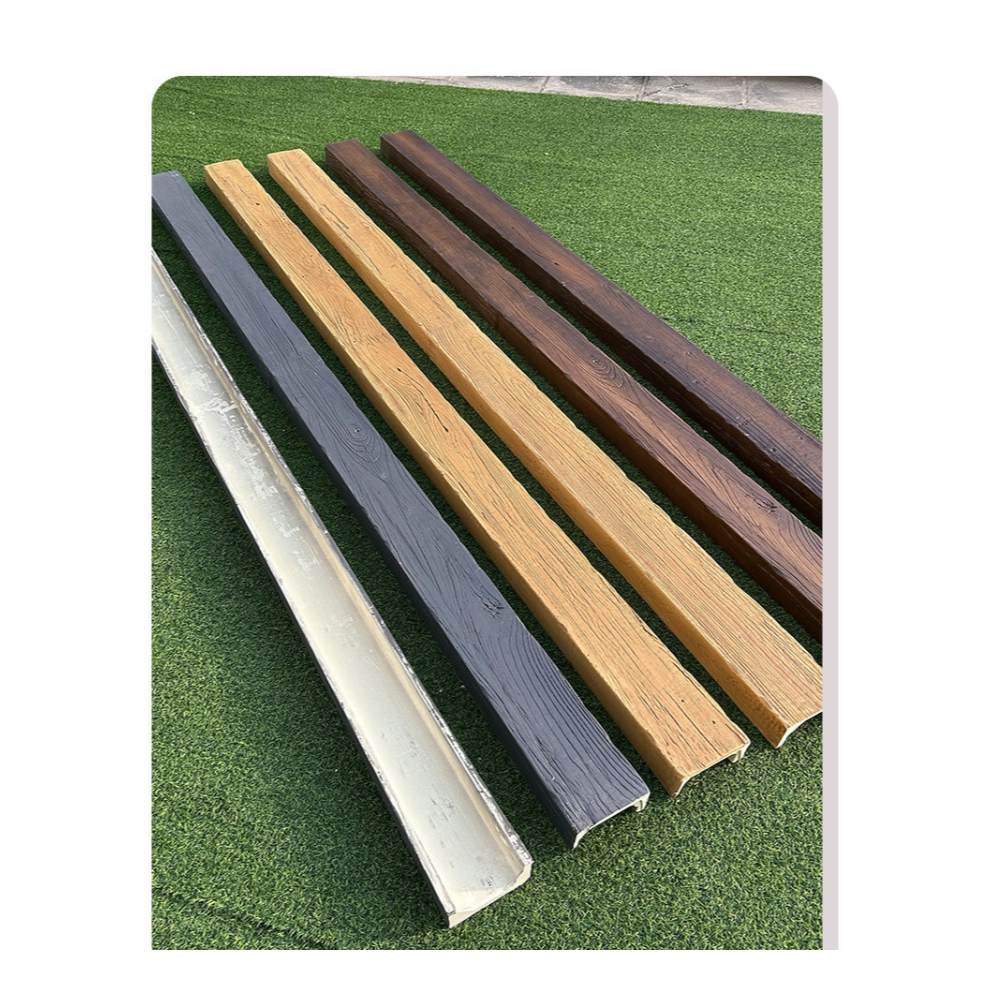
Faux wood ceiling panels and beams represent significant investment in home aesthetics, and like all architectural elements, they accumulate dust, dirt, and occasional stains that dull their appearance over time. Unlike natural wood, which requires specialized care to avoid damage, polyurethane responds well to straightforward cleaning approaches that most homeowners can execute successfully without professional assistance. Understanding appropriate cleaning methods ensures that ceiling beams maintain their intended appearance throughout years of service while avoiding damage that improper technique might cause.
This guide covers cleaning approaches appropriate for various faux wood products, addressing routine maintenance, spot cleaning, and strategies for more challenging cleaning situations. The goal is to preserve the appearance of your investment while keeping cleaning effort manageable within normal household routines.
Understanding Faux Wood Surface Characteristics
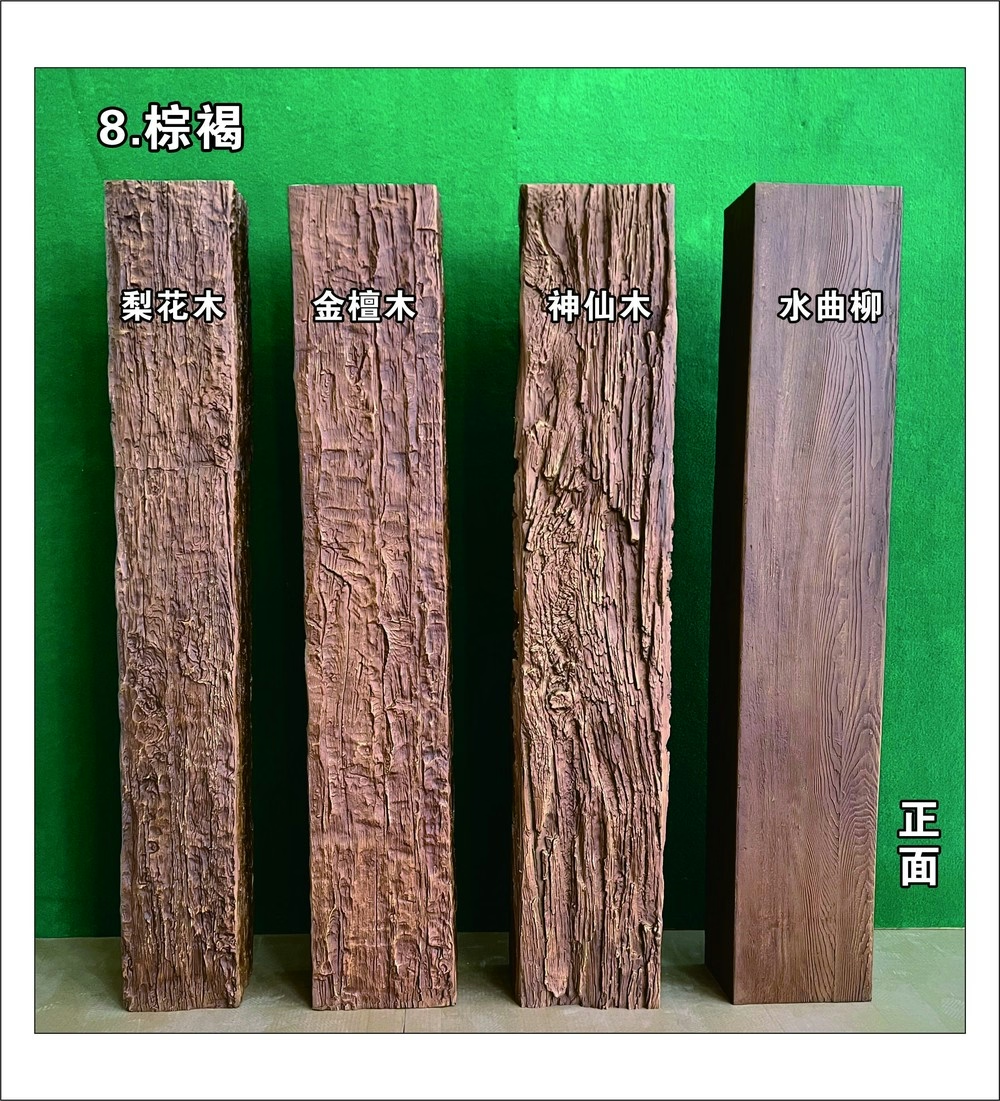
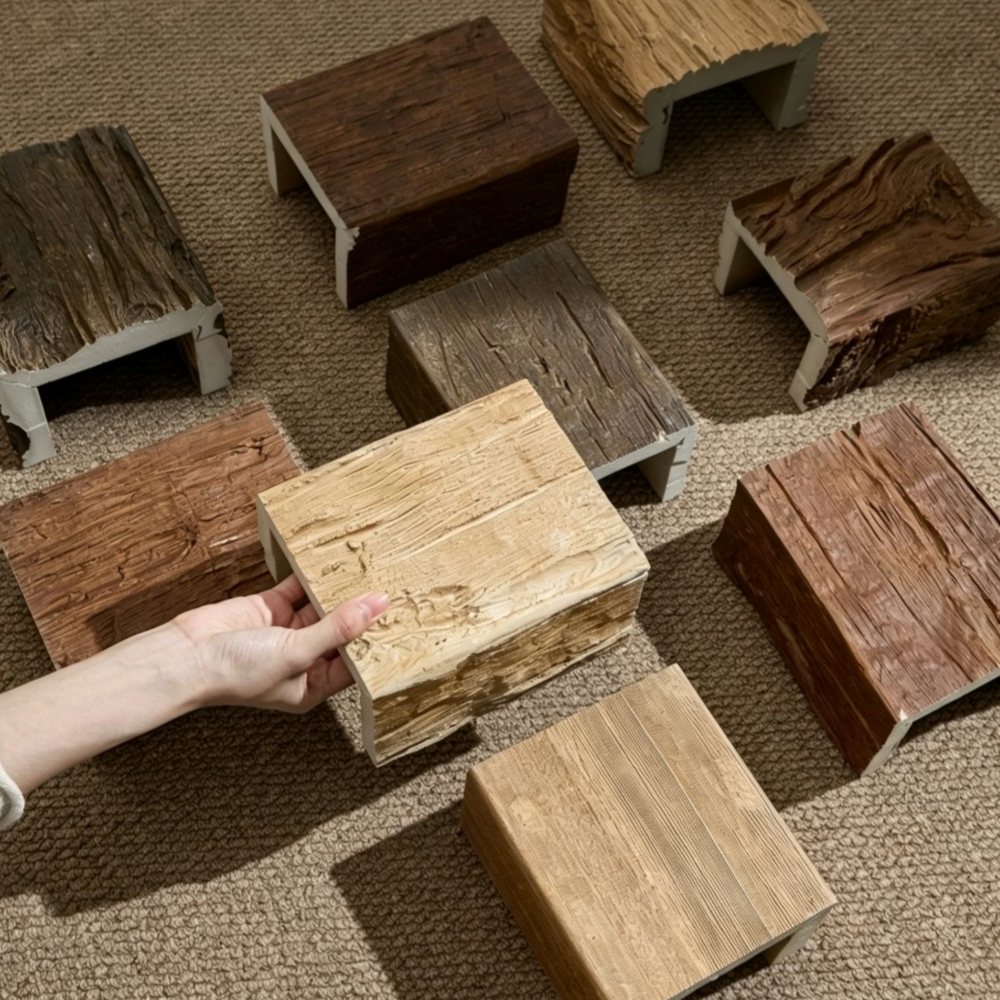
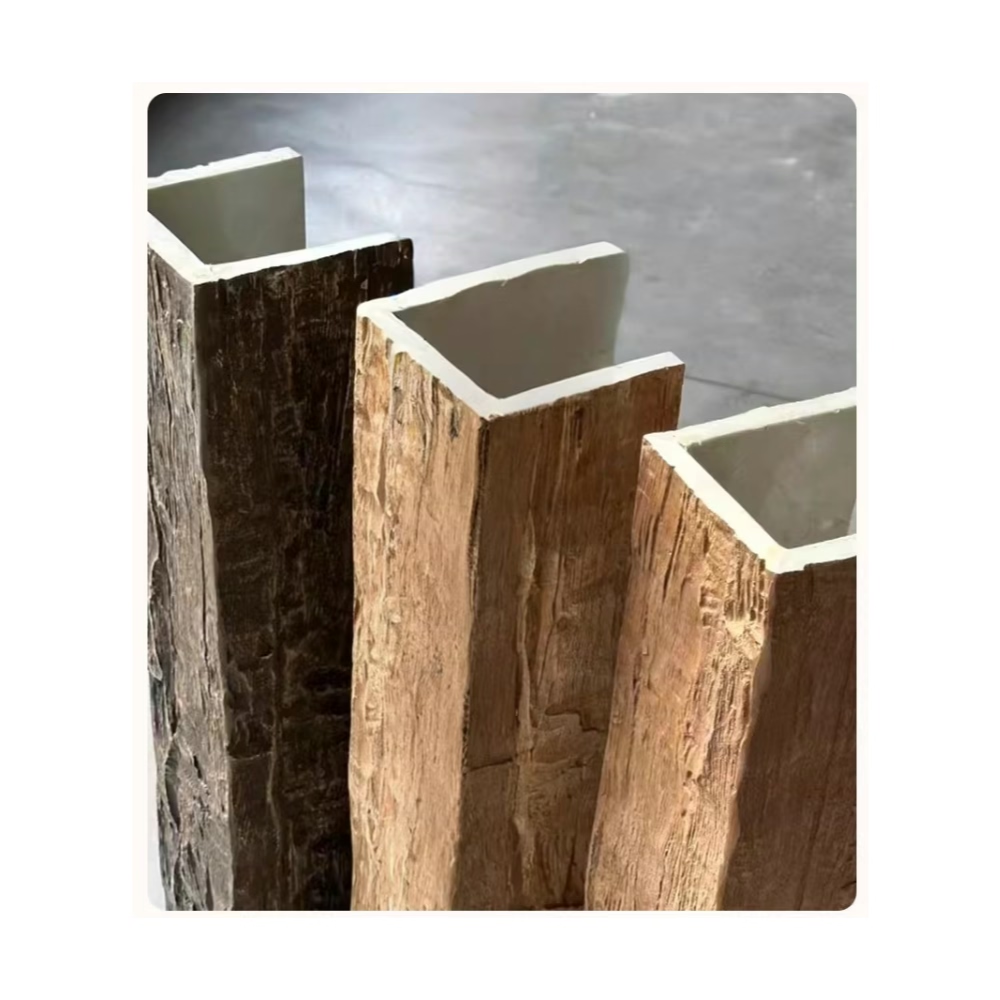
Polyurethane faux wood surfaces vary in texture and finish, and understanding these variations helps in selecting appropriate cleaning approaches.
Smooth-finished faux wood panels feature surfaces with minimal texture, similar to painted wood. These surfaces clean most easily, with dust and debris wiping away without resistance from surface irregularities. However, smooth finishes also show dust and smudges more readily than textured alternatives.
Textured faux wood surfaces feature molded grain patterns that replicate natural wood character. The texture provides visual interest but creates recesses where dust may accumulate. Cleaning textured surfaces requires attention to detail that smooth surfaces don't demand, ensuring that dust is removed from grain recesses rather than simply redistributed.
Finished versus unfinished surfaces affect cleaning approach significantly. Pre-finished panels from quality manufacturers tolerate a broader range of cleaning products than surfaces with less durable finish treatments. Always verify cleaning product compatibility on an inconspicuous test area before applying to visible surfaces.
Routine Dusting and Surface Maintenance
Regular dusting prevents particle accumulation that eventually dulls appearance and may scratch surfaces during removal. Establishing consistent dusting schedules keeps ceiling beams looking their best with minimal effort.
Dusting frequency depends on environmental conditions—dusty environments, HVAC airflow patterns, and occupancy levels all affect accumulation rates. Monthly dusting typically suffices in clean, well-filtered environments, while dusty settings may require attention every two weeks or more frequently.
Appropriate dusting tools make significant difference in cleaning effectiveness and effort. Extendable dusters with lamb's wool or microfiber heads reach ceiling beams without ladders in most installations. The soft fibers capture dust rather than merely redistributing it, and the flexibility allows cleaning within texture recesses.
Static dusting tools—feather dusters and similar products—merely redistribute particles rather than removing them. Avoid these ineffective options in favor of tools that actually capture and retain dust particles.
Wet Cleaning Methods
Periodic wet cleaning removes accumulated grime that dry dusting cannot address, restoring brighter appearance and removing substances that dusting merely spreads.
Prepare cleaning solution by adding small amount of mild dish soap to warm water. This simple solution cleans effectively without the harsh chemicals that might damage finish surfaces. Avoid abrasive cleaners, bleach, ammonia, or other harsh chemicals that could affect finish appearance.
Apply solution with soft, lint-free cloth rather than spray bottles that may leave excess moisture in grain recesses. Dampen cloth thoroughly, then wipe surfaces using light pressure. Rinse cloth frequently in clean water to prevent redistributing collected dirt.
Dry surfaces immediately after cleaning using separate soft, dry cloth. Moisture left on surfaces may streak appearance or, in textured surfaces, remain in recesses to create water spots as it evaporates. Thorough drying ensures clean, streak-free results.
Cleaning Textured and Grain-Replicated Surfaces
Textured faux wood surfaces require attention to grain recesses where dust and debris accumulate beyond casual dusting reach. Effective cleaning addresses these detailed surfaces without causing damage.
Use soft-bristled brushes—paint brushes work well—to loosen dust from grain recesses before wet cleaning. The brush reaches into recesses that cloths cannot access, dislodging accumulated particles that subsequent wiping will remove.
Compressed air in cans provides effective dust removal from detailed textures, particularly in areas where brushing might prove awkward. Hold cans upright and use short bursts to avoid moisture from propellant. This approach works well for intricate textures that brushing cannot fully address.
After loosening debris from textures, proceed with damp cloth cleaning as described previously. The cloth will now pick up dislodged particles rather than simply spreading them further into recesses.
Addressing Common Stains and Marks
Ceiling beams occasionally encounter stains beyond ordinary dust accumulation. Understanding appropriate responses for different substances enables effective treatment without finish damage.
Water spots and mineral deposits from occasional leaks or high humidity respond to diluted white vinegar solution. Apply vinegar solution with soft cloth, then rinse with clean water and dry thoroughly. The mild acidity of vinegar dissolves mineral deposits without affecting most finish types.
Grease and cooking-related residues may affect beams near kitchens. These substances respond to mild degreasing solutions, though test on inconspicuous areas first to verify compatibility. Apply sparingly, rinse thoroughly, and dry completely after cleaning.
Ink and dye marks require careful treatment to avoid spreading. Isopropyl alcohol applied with cotton swabs may lift marks without spreading, though success depends on finish type and stain age. Professional cleaning consultation recommended for significant staining.
Cleaning High Ceiling Installations
High ceiling installations present access challenges that require appropriate equipment and safety precautions. Attempting to reach beams without proper equipment risks both personal injury and beam damage.
Extension poles with appropriate attachments extend reach significantly, allowing dusting and light wet cleaning from floor level. Select poles with secure connections and stable attachments—wobbly connections create control problems that may cause cleaning cloths to contact beam surfaces roughly.
Scissor lifts and scaffolding provide stable elevated access for thorough cleaning of very high installations. These options suit annual or semi-annual deep cleaning rather than frequent routine maintenance. Professional cleaning services typically bring appropriate equipment for these challenging installations.
Safety should always take priority over cleaning thoroughness. Never overreach or use unstable surfaces to access ceiling beams. The cleaning benefit doesn't justify fall risks that improper access creates.
Professional Cleaning Services
Some situations warrant professional cleaning attention rather than DIY efforts. Understanding when professional services make sense prevents both inadequate cleaning and unnecessary expense.
Extensive staining or discoloration affecting multiple beam sections may require professional assessment and treatment. Professionals bring experience with various stain types, access equipment for high installations, and cleaning products formulated for specific challenges.
Post-construction cleaning after renovation or remodeling often reveals dust and debris throughout the home, including on ceiling beams. Professional cleaning services have equipment and techniques suited to post-construction conditions that exceed normal maintenance requirements.
Annual professional cleaning provides thorough attention that complements regular DIY maintenance. Even when routine cleaning maintains acceptable appearance, professional annual attention addresses accumulated grime in recesses and details that regular cleaning might miss.
Preventive Maintenance Strategies
Preventing cleaning challenges proves more effective than addressing them after they develop. Several strategies reduce cleaning frequency and difficulty.
Air filtration reduces airborne dust that settles on all surfaces including ceiling beams. Quality HVAC filtration, room air purifiers, and regular filter changes minimize dust accumulation throughout the home.
Humidity control prevents moisture-related issues that might affect beam appearance or create conditions for biological growth. Maintaining indoor humidity between 30-50% protects both beams and overall home conditions.
Strategic placement avoids beams in locations prone to specific challenges. Beams directly above cooking surfaces accumulate grease faster than those in other locations. Consider beam placement carefully to avoid unnecessary cleaning challenges.
Seasonal Cleaning Considerations
Seasonal changes affect cleaning requirements and timing. Adjusting routines to seasonal factors maintains consistent appearance throughout the year.
Spring cleaning provides opportunity for thorough ceiling beam attention as part of comprehensive home cleaning. The moderate temperatures and lower humidity typical of spring provide ideal conditions for wet cleaning and thorough drying.
Winter heating reduces indoor humidity, potentially affecting dust accumulation patterns. Increased heating also creates thermal currents that distribute dust differently than summer conditions. Adjust cleaning frequency based on observed accumulation rates.
Summer air conditioning creates condensation issues that may affect beams in humid climates. Condensation on ceiling surfaces can leave water spots or promote mildew growth in textured surfaces. Address humidity control to prevent these issues rather than cleaning up after they develop.
Product Recommendations
Specific products simplify faux wood beam cleaning while ensuring safe, effective treatment. Understanding what works eliminates trial-and-error experimentation.
Microfiber dusting cloths and covers capture dust effectively without scratching surfaces. Quality microfiber products significantly outperform cotton alternatives for dusting applications. Replace microfiber products when fibers become matted or worn.
pH-neutral cleaning solutions safely clean most finish types without risk of chemical damage. Brands formulated specifically for polyurethane surfaces provide reliable results when directions are followed.
Soft-bristled brushes in various sizes address textured surfaces effectively. Natural bristle brushes work well, though synthetic alternatives maintain their shape better when wet. Select brush sizes appropriate to texture detail.
Avoiding Common Cleaning Mistakes
Certain cleaning approaches cause damage that proper technique would prevent. Avoiding these common mistakes preserves beam appearance through cleaning efforts.
Excessive moisture damages textured surfaces by forcing water into grain recesses where it creates streaks or promotes mildew. Use damp rather than wet application, and dry surfaces thoroughly after cleaning.
Abrasive cleaners scratch finish surfaces, creating channels where dirt accumulates more readily. Avoid scrub brushes with stiff bristles, abrasive pads, and cleaning powders that can damage finishes.
Harsh chemicals may discolor or damage finish surfaces. Test any unfamiliar product on inconspicuous areas before applying to visible surfaces. When in doubt, stick with mild soap and water.
High-pressure water—pressure washers or strong sprays—forces moisture into joints and recesses, potentially causing damage or appearance issues. Use gentle application methods that control moisture placement.
Documentation and Maintenance Records
Maintaining cleaning records helps establish appropriate schedules and documents care history. This documentation proves valuable for warranty support and future maintenance planning.
Note cleaning dates, products used, and any observations about beam condition. Patterns in this record reveal whether cleaning frequency is appropriate or requires adjustment.
Document any damage, staining, or unusual conditions observed during cleaning. Early identification of issues enables prompt attention before problems escalate.
Retain product information for cleaning supplies that prove effective. Future purchases can reference documented successful products rather than experimenting again.

Proper cleaning maintains faux wood ceiling panel appearance throughout extended service life, protecting your investment while keeping beams looking their best. Simple routine maintenance prevents the accumulated grime that makes thorough cleaning necessary, reducing overall cleaning effort while ensuring consistent results.
Establish cleaning routines appropriate to your environment and follow recommended techniques. The modest time investment returns through years of attractive ceiling appearance.
Addressing Mold and Mildew
Mildew may develop on faux wood surfaces in humid conditions, particularly in textured recesses where moisture persists. Understanding treatment approaches enables effective remediation.
Identify mildew by characteristic appearance—typically gray, black, or green discoloration that may have fuzzy texture. Ordinary dust and dirt doesn't produce these colors, so unusual discoloration suggests biological growth requiring treatment.
Treat affected areas with solution of water and white vinegar or commercial mildew remover. Apply with soft cloth, allowing brief contact time before rinsing with clean water. Thorough drying prevents recurrence.
Prevent mildew through humidity control and adequate ventilation. Addressing the moisture conditions that promote mildew growth prevents future issues regardless of cleaning effectiveness.
Long-Term Appearance Preservation
Beyond immediate cleaning, long-term preservation strategies maintain beam appearance through years of service.
Avoid positioning cleaning materials against beam surfaces when accessing higher areas. Scratching from tools and ladders damages surfaces gradually, with cumulative effect becoming visible over time.
Protect beams during activities that might cause impact damage. Moving furniture, using ladders, or any activity with risk of contact warrants care that prevents unnecessary damage.
Address any water intrusion or persistent moisture immediately. Even though polyurethane resists moisture damage, standing water or chronic dampness may affect mounting conditions or promote mildew growth.
When Cleaning Isn't Enough
Sometimes cleaning cannot restore satisfactory appearance, indicating issues that require more significant intervention.
Severe discoloration from smoke, flooding, or long-neglected maintenance may not respond to cleaning. In these cases, professional assessment determines whether refinishing, section replacement, or other intervention is appropriate.
Finish damage—chipping, peeling, or worn-through areas—requires repair beyond cleaning scope. Some damage can be touched up with matching finish products, while more extensive issues may require professional refinishing.
Physical damage from impact or structural issues affecting appearance requires assessment beyond cosmetic cleaning. Address structural concerns before addressing cosmetic appearance.
Consultation and Professional Support
When questions arise about appropriate care, professional consultation provides guidance specific to your situation.
Beam manufacturers often provide care guidelines specific to their products. Consult documentation provided at installation, or contact manufacturers directly for product-specific guidance.
Professional cleaning services can assess conditions and recommend appropriate treatment. Their experience across many installations provides perspective that individual experience cannot match.
Interior designers or design-build professionals familiar with faux wood products may provide recommendations based on similar projects. Their professional networks include trusted service providers for various maintenance needs.

Regular, appropriate cleaning maintains faux wood ceiling panel appearance throughout decades of service, protecting your investment and ensuring that beams continue contributing to home aesthetics. The modest effort required represents excellent return on investment for such significant architectural elements.
Build cleaning routines into regular home maintenance schedules, adjusting frequency based on environmental conditions and observed accumulation rates. Consistent care ensures that ceiling beams remain attractive features rather than neglected elements.
Technical References
ASTM standards cited in every specification
Test Data
Lab results from internal testing program
Updated 2026
Reviewed against current product specs