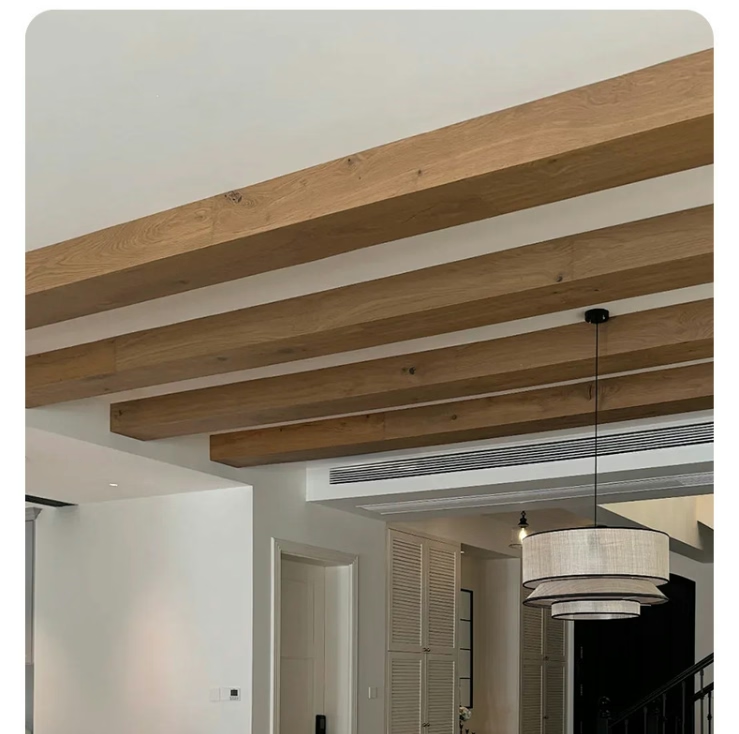
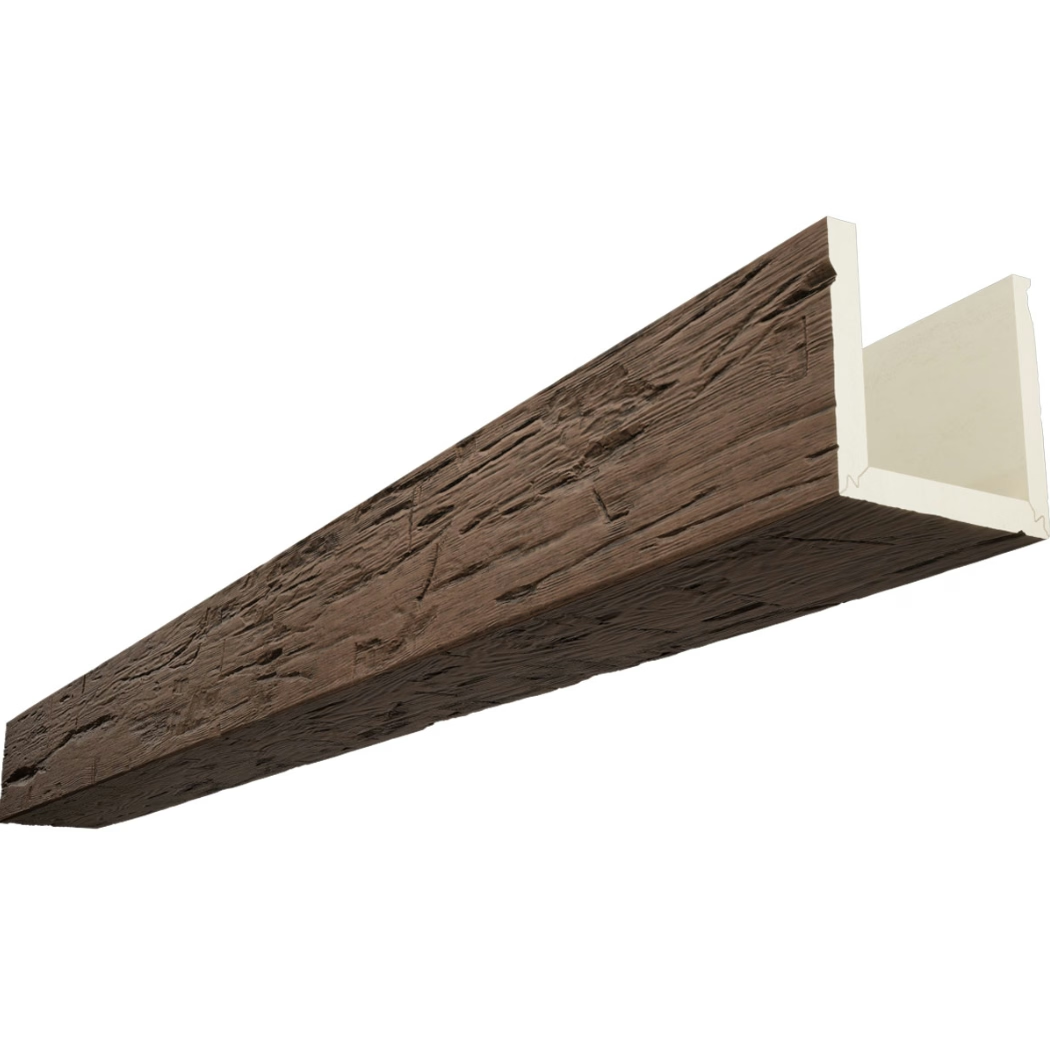
The European market for decorative faux wood beams has experienced consistent growth over the past five years, driven by overlapping trends in renovation activity, sustainable construction practices, and interior design movements that embrace natural aesthetics within contemporary spaces. Polyurethane beams have captured significant market share from traditional materials like solid wood, MDF, and plaster, offering performance advantages particularly relevant to European building conditions and consumer preferences. Understanding these market dynamics helps manufacturers, exporters, and distributors position products effectively for European opportunities.
Market research indicates European demand for decorative ceiling beams reaches approximately 2.8 million linear meters annually, with polyurethane products accounting for roughly forty percent of this volume and growing at a faster rate than alternative materials. The renovation and remodeling sector drives approximately sixty-five percent of demand, with new construction projects representing the remaining thirty-five percent. This renovation-weighted demand pattern creates stable market characteristics less vulnerable to new construction cyclicality.
Regional Market Characteristics and Preferences
Germany represents the largest European market for decorative faux beams, driven by strong renovation activity, high per-capita spending on home improvement, and design sensibilities that appreciate quality craftsmanship. German buyers emphasize product certification, environmental compliance, and precise dimensional tolerances. Market preferences favor classic profiles—particularly box beams and cathedral-style beams in medium to dark wood tones. The German market shows relatively lower price sensitivity than Eastern European markets but expects European-standard quality documentation and reliable delivery performance.

The United Kingdom market follows distinct patterns shaped by period property renovation culture and contemporary interior design trends. Victorian and Edwardian restoration projects create demand for ornate beams and decorative corbels that complement traditional architecture. Simultaneously, modern industrial and farmhouse aesthetics drive demand for rustic, weathered beam appearances in newer properties. UK buyers demonstrate strong interest in custom color matching and finishing services, often purchasing unfinished beams for on-site painting or staining.
France presents opportunities in both urban renovation markets and rural property improvements. French consumers show preference for elegant, understated profiles suited to classical and contemporary interiors alike. The French market demonstrates particular interest in exterior-grade products for facade applications and outdoor entertaining spaces—reflecting the importance of outdoor living in Mediterranean regions. Sustainability certifications carry increasing weight in French purchasing decisions, with recycled content and low-VOC formulations gaining preference.
Competitive Landscape and Distribution Channels
The European faux wood beam market includes European manufacturers, Asian exporters, and local specialty producers competing across price points and quality segments. European manufacturers, concentrated in Poland, Italy, and Spain, serve premium market segments with shorter lead times and customization capabilities. Asian manufacturers, primarily from China, compete aggressively on price for standard product lines and volume orders for major projects.
Distribution channels vary by market but generally follow similar patterns. Specialty building material distributors represent the primary channel for installer purchases, offering product selection advice, technical support, and sometimes installation services. Retail channels, including home improvement centers and specialty decor retailers, serve DIY consumers and smaller renovation projects. Architectural specification channels—where designers specify products for projects—represent growing opportunities for manufacturers with comprehensive technical documentation and quality certifications.
Online sales channels have expanded significantly, accelerated by pandemic-era restrictions and continued by consumer preference for research-then-purchase buying patterns. European buyers increasingly research products online, request samples, and complete purchases through e-commerce platforms or direct manufacturer contacts. This channel evolution favors manufacturers with strong digital presence, multilingual product information, and efficient sample fulfillment capabilities.
Growth Drivers and Market Opportunities
Renovation activity across Europe shows no signs of weakening, supported by aging housing stock, energy efficiency improvement programs, and post-pandemic focus on home quality. The European Commission estimates renovation rates will need to double to meet energy efficiency targets, creating sustained demand for decorative improvements like ceiling beams that enhance property value and aesthetic appeal.
Sustainable building practices favor polyurethane faux beams over natural wood alternatives. While natural wood offers renewable credentials, deforestation concerns, transportation carbon footprints, and preservation chemical requirements complicate wood's environmental profile. Polyurethane beams made from recycled materials, produced with renewable energy, or designed for extended lifespan align with circular economy principles increasingly valued in European building specifications.
Design trends continue supporting beam installations across diverse interior styles. Rustic farmhouse aesthetics remain popular in residential markets, while commercial spaces increasingly incorporate beams for warmth and character. Hospitality design favors beams for creating intimate atmospheres in restaurants, hotels, and entertainment venues. These style trends cut across geographic markets, creating consistent demand opportunities.
Challenges and Risk Factors
Currency volatility impacts profitability for manufacturers and exporters when pricing in euros or pounds while incurring costs in other currencies. European market entry requires careful attention to exchange rate risk management, potentially involving forward contracts, natural hedging through euro-denominated costs, or price adjustment mechanisms that share currency risk with customers.
Regulatory compliance represents an ongoing challenge, particularly for products used in commercial or public buildings. Fire safety regulations vary by European country, with some requiring specific flame spread ratings for decorative products. Chemical regulations including REACH compliance affect formulation options and require documentation for market entry. Navigating these requirements demands specialized expertise or partnership with European compliance specialists.
Logistics complexity increases costs for non-European manufacturers, particularly for smaller orders where container optimization and shipping economics work against infrequent shipments. Warehouse consolidation strategies, partnership with European fulfillment providers, or direct container programs for major buyers all represent approaches for managing logistics challenges.
Strategic Recommendations for Market Participants
Manufacturers seeking European market entry should prioritize two to three key markets rather than attempting comprehensive European coverage simultaneously. Market selection should consider regulatory familiarity, existing customer relationships, and logistical accessibility. Establishing local presence through representatives, distributors, or sales offices accelerates market development compared to remote selling approaches.
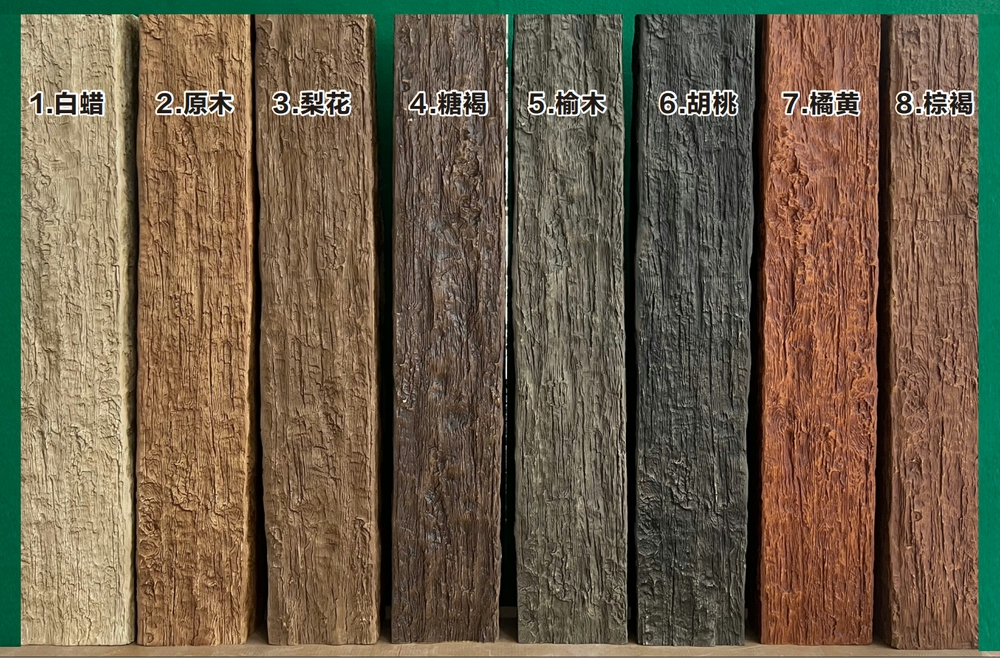
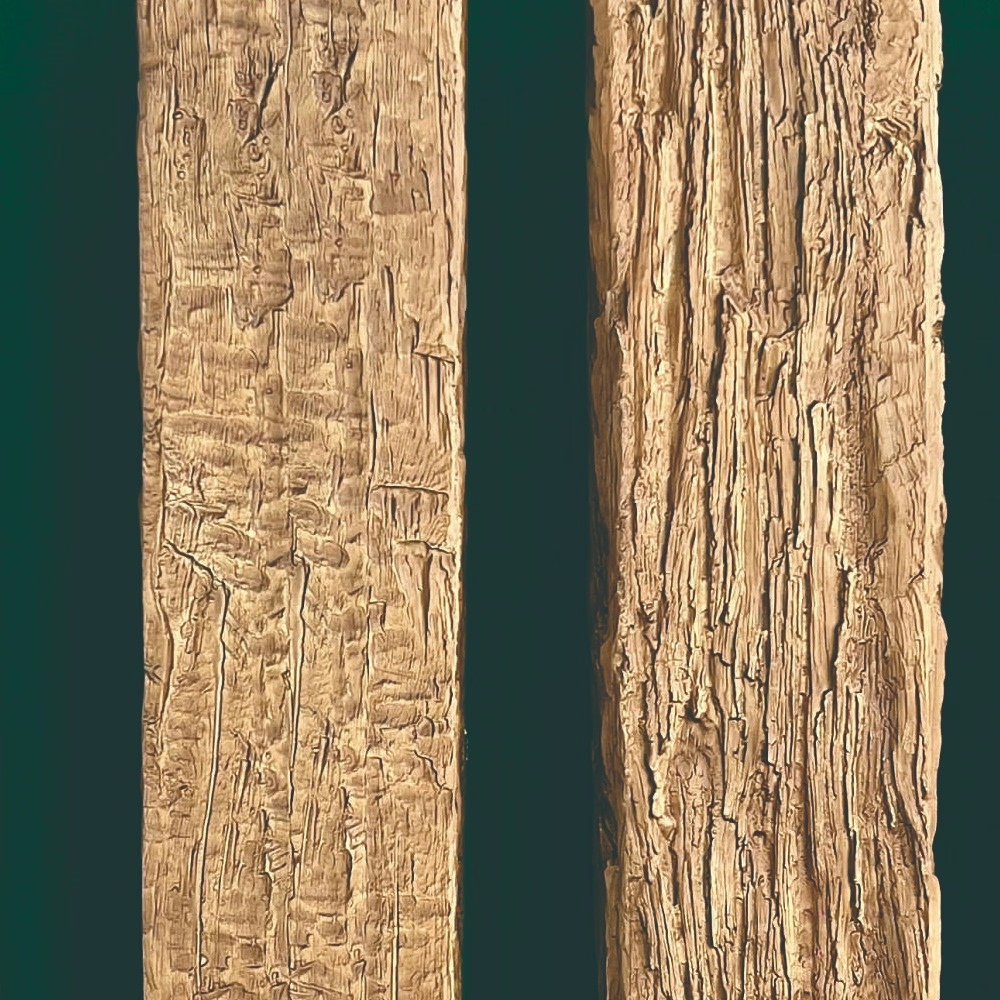
Product adaptation for European preferences requires investment in market research and potentially product modification. Color palettes, profile selections, and finishing options should align with demonstrated regional preferences rather than assuming North American or other market standards transfer directly. Sample programs that allow European buyers to evaluate products before volume commitment accelerate adoption.
Relationship building with European distributors and design community influencers creates sustainable market positions less vulnerable to price competition. Architects and interior designers increasingly influence purchasing decisions, and products specified for projects enjoy insulated demand from commodity price pressures. Investment in specification documentation, sample programs for design professionals, and trade show presence builds influence over time.
Technical References
ASTM standards cited in every specification
Test Data
Lab results from internal testing program
Updated 2026
Reviewed against current product specs