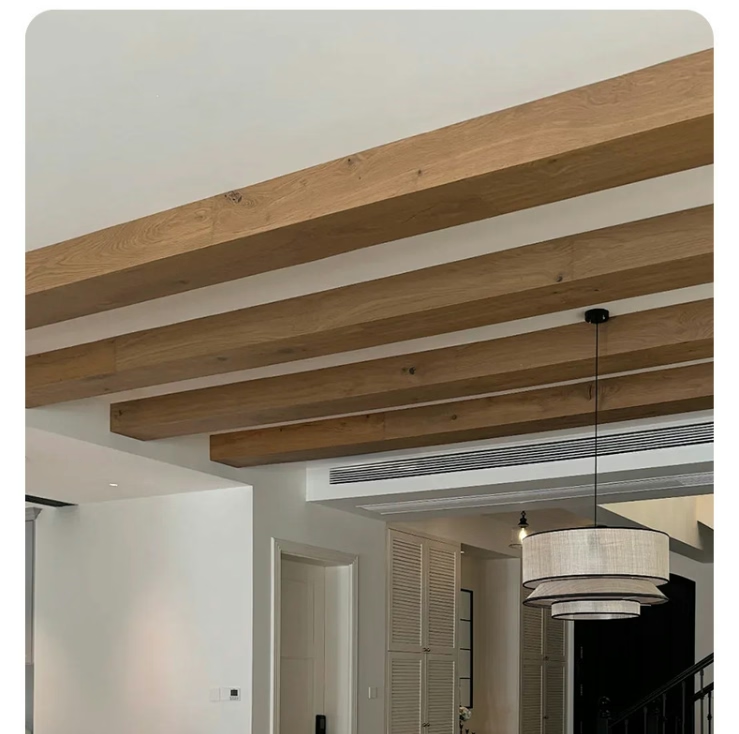
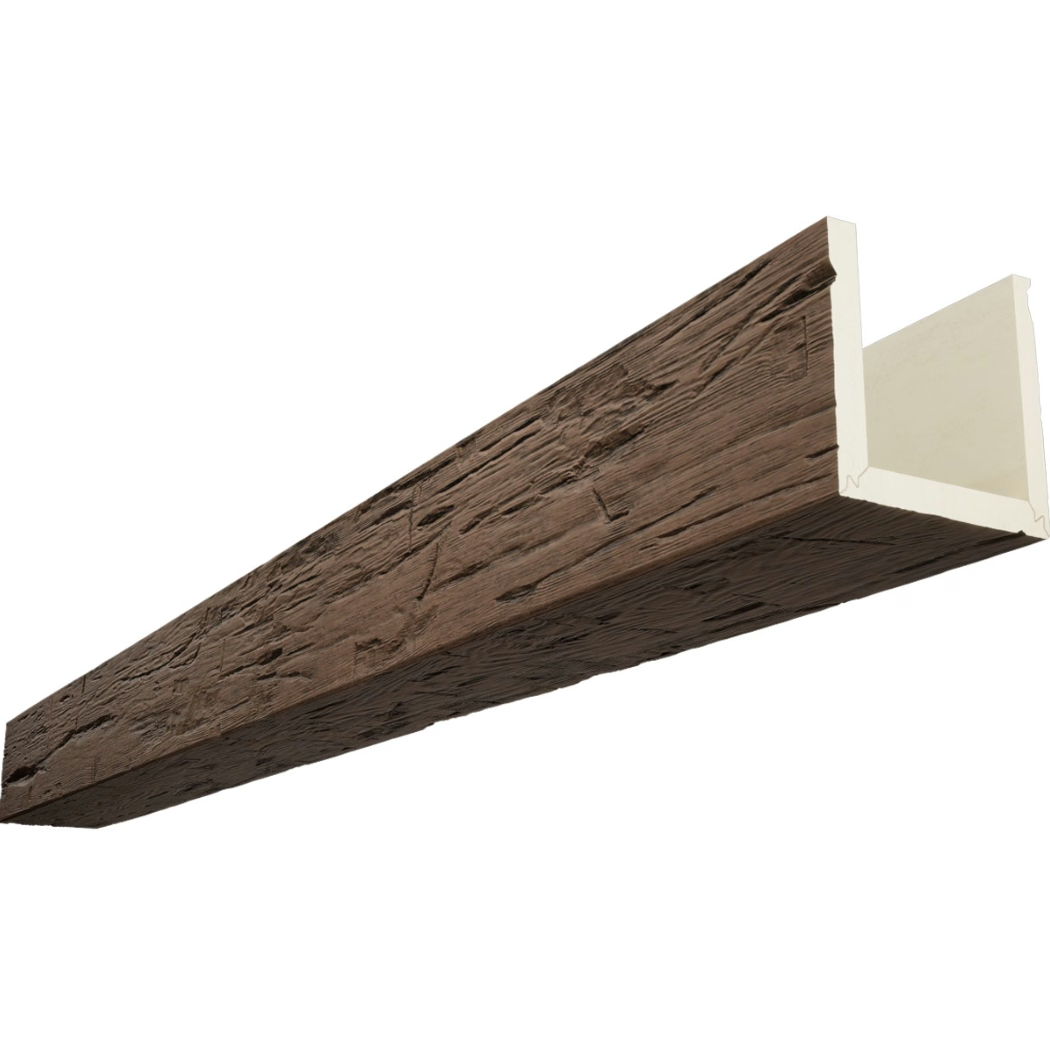
Breaking into Western interior markets demands marketing strategies that resonate with sophisticated buyers who encounter numerous options from established competitors. Western consumers—particularly in North America, Western Europe, and Australia—make purchasing decisions based on quality perception, aesthetic compatibility, trust indicators, and value assessment. Polyurethane faux wood beam manufacturers must craft marketing approaches addressing these decision factors while differentiating from both competing faux materials and traditional wood alternatives.
Successful market entry requires understanding that Western buyers research extensively before purchasing, often spending weeks or months evaluating options for significant home improvement decisions. Marketing must capture attention during this research phase while providing the detailed information that informed purchasing decisions require. Digital presence dominates this research process, making website quality, search visibility, and online reputation increasingly critical for market success.
Understanding Western Buyer Segments
Western markets contain distinct buyer segments with different needs, preferences, and purchase motivations. Homeowners undertaking personal renovation projects prioritize aesthetic appeal, ease of installation, and visual impact. These buyers respond to lifestyle imagery showing beautiful spaces, practical installation guidance, and emotional appeals connecting beams with home improvement aspirations. Marketing to this segment emphasizes transformation potential and achievable design outcomes.

Trade professionals—contractors, installers, and interior designers—prioritize practical performance characteristics, reliable supply, and competitive pricing. Marketing to this segment emphasizes product specifications, installation efficiency, order fulfillment reliability, and support services. Trade buyers appreciate straightforward pricing, consistent quality, and responsive communication when issues arise.
Commercial specifiers, including architects and commercial designers, evaluate products for project applications where beams must meet performance requirements, comply with building codes, and integrate into comprehensive design schemes. Marketing to this segment requires detailed technical documentation, specification sheet availability, and evidence of relevant certifications. Project references demonstrating successful commercial applications carry significant weight.
Digital Marketing Foundation
Website quality serves as the digital storefront for most international selling scenarios, particularly when physical samples cannot be examined before purchase. Western buyers expect websites presenting professional imagery, comprehensive product information, clear pricing where appropriate, and easy navigation between related products. Mobile-responsive design matters increasingly as research occurs on smartphones and tablets.
Search engine optimization targeting relevant keywords connects marketing efforts with active buyer interest. Keyword research should identify terms used by Western buyers—phrases like "faux wood beams for ceiling," "rustic ceiling beams," and "polyurethane beam installation" represent typical search patterns. Content addressing buyer questions, installation guidance, and design inspiration attracts organic traffic while establishing authority.
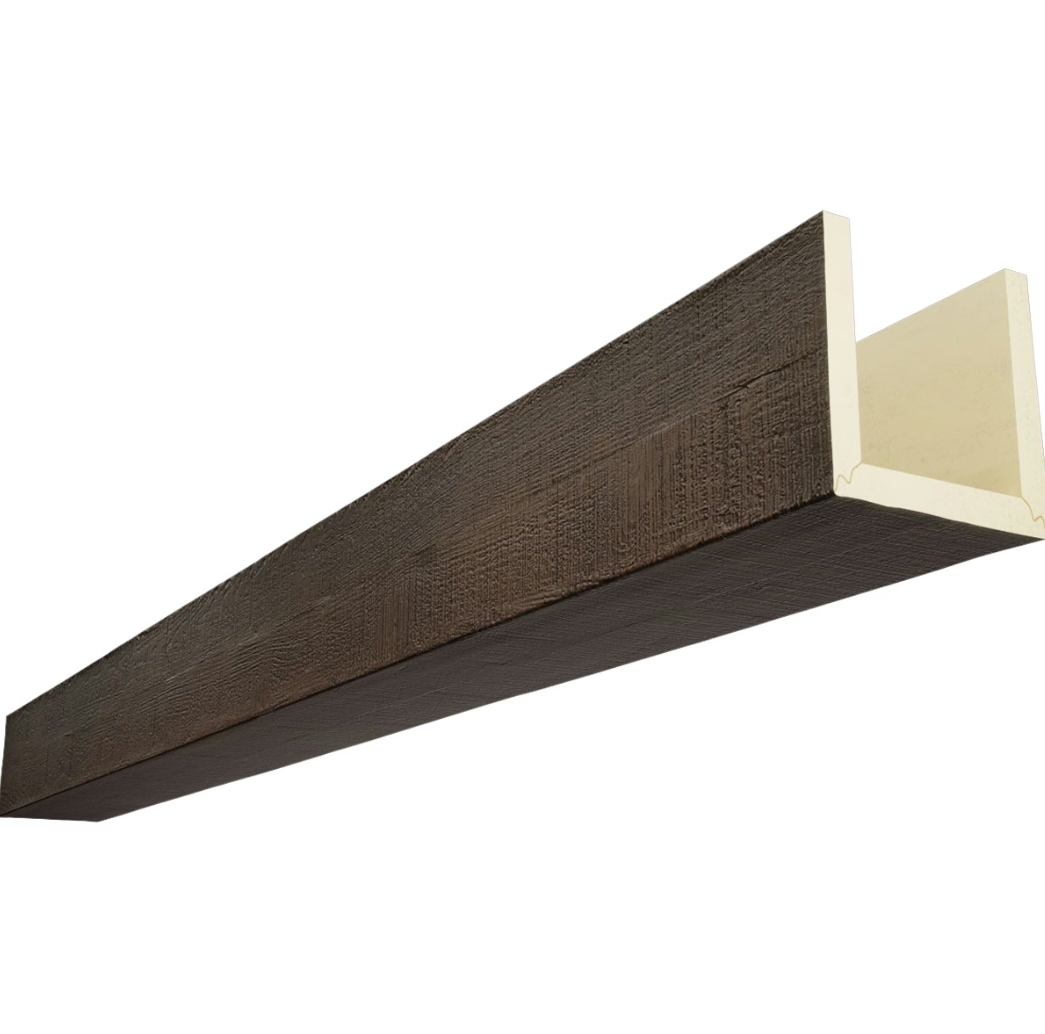
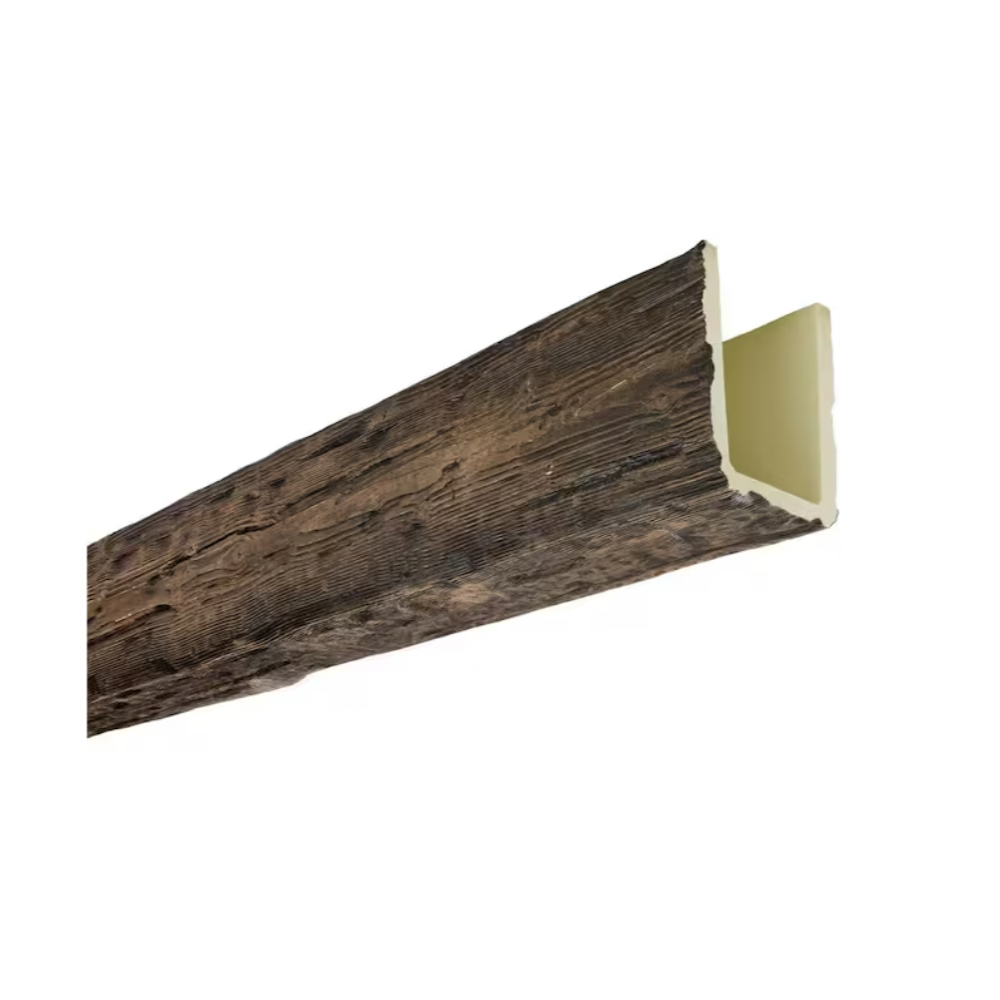
Visual content dominates faux wood beam marketing, requiring investment in professional photography showing products in beautiful settings. Lifestyle imagery depicting beams in diverse interior styles—farmhouse, modern, traditional, industrial—demonstrates versatility while helping buyers envision possibilities. Detailed product photography showing texture, color variation, and profile details answers technical questions without requiring physical examination.
Content Marketing Approaches
Educational content builds trust and authority while addressing buyer questions throughout the research process. Installation guides covering mounting methods, cutting techniques, finishing procedures, and common challenges provide practical value while demonstrating product understanding. These guides work as both marketing tools and customer service resources, reducing support burden while improving installation success rates.
Design inspiration content featuring beams in various applications helps buyers discover possibilities beyond their initial requirements. Room-by-room features, style-specific guides, and before-after transformations engage interest while illustrating product potential. This content performs well on social media platforms where visual impact drives engagement and sharing.
Technical content addressing specifications, certifications, and performance characteristics serves professional buyers while differentiating from competitors relying primarily on aesthetic appeals. Detailed product data sheets, installation specifications, and fire rating documentation support commercial specification processes. This content should be easily downloadable and formatted for direct inclusion in project documentation.
Channel Strategy and Partnerships
Marketplace platforms including Amazon, Wayfair, and specialty home improvement marketplaces provide access to established buyer traffic and transaction infrastructure. These channels suit volume-focused strategies where marketplace visibility drives sales without significant brand building investment. However, marketplace selling involves fees, competition with other sellers, and limited customer relationship ownership.
Direct sales through company websites capture higher margins and customer relationships but require investment in e-commerce infrastructure, payment processing, and international shipping capabilities. Western markets expect secure payment options, reliable delivery tracking, and straightforward return policies. Building direct sales capabilities represents a longer-term investment with higher eventual returns.
Trade publication advertising, industry trade show participation, and professional association involvement reach trade buyers who influence or make purchasing decisions. These channels involve different messaging approaches emphasizing product performance, supply reliability, and business terms rather than consumer emotional appeals.
Building Brand Presence in Western Markets
Brand building in Western markets requires sustained investment across multiple touchpoints rather than promotional campaigns with defined endpoints. Brand positioning should emphasize differentiating characteristics—whether quality leadership, value positioning, design expertise, or service excellence. Consistent messaging across all touchpoints reinforces brand perception over time.
Local presence accelerates brand development through representatives, distributors, or physical showrooms where buyers can examine products. Western buyers often prefer examining products physically before committing to significant purchases, and local presence addresses this preference while signaling market commitment. Showroom partnerships with interior design studios or building material suppliers provide presence without requiring company-owned facilities.
Reputation management requires active attention to customer reviews, testimonials, and review platform presence. Western buyers heavily weight peer opinions and verified reviews when evaluating purchasing decisions. Encouraging satisfied customers to share experiences, responding professionally to concerns, and maintaining accurate business listings across platforms builds credibility that supports marketing efforts.
Strategic partnership development with complementary businesses expands market reach through trusted referrals. Relationships with interior designers, contractors, home staging companies, and renovation services create ongoing referral pipelines reaching qualified buyers. Partnership programs offering referral commissions, trade discounts, or collaborative marketing opportunities formalize these relationships and incentivize active promotion.
Technical References
ASTM standards cited in every specification
Test Data
Lab results from internal testing program
Updated 2026
Reviewed against current product specs